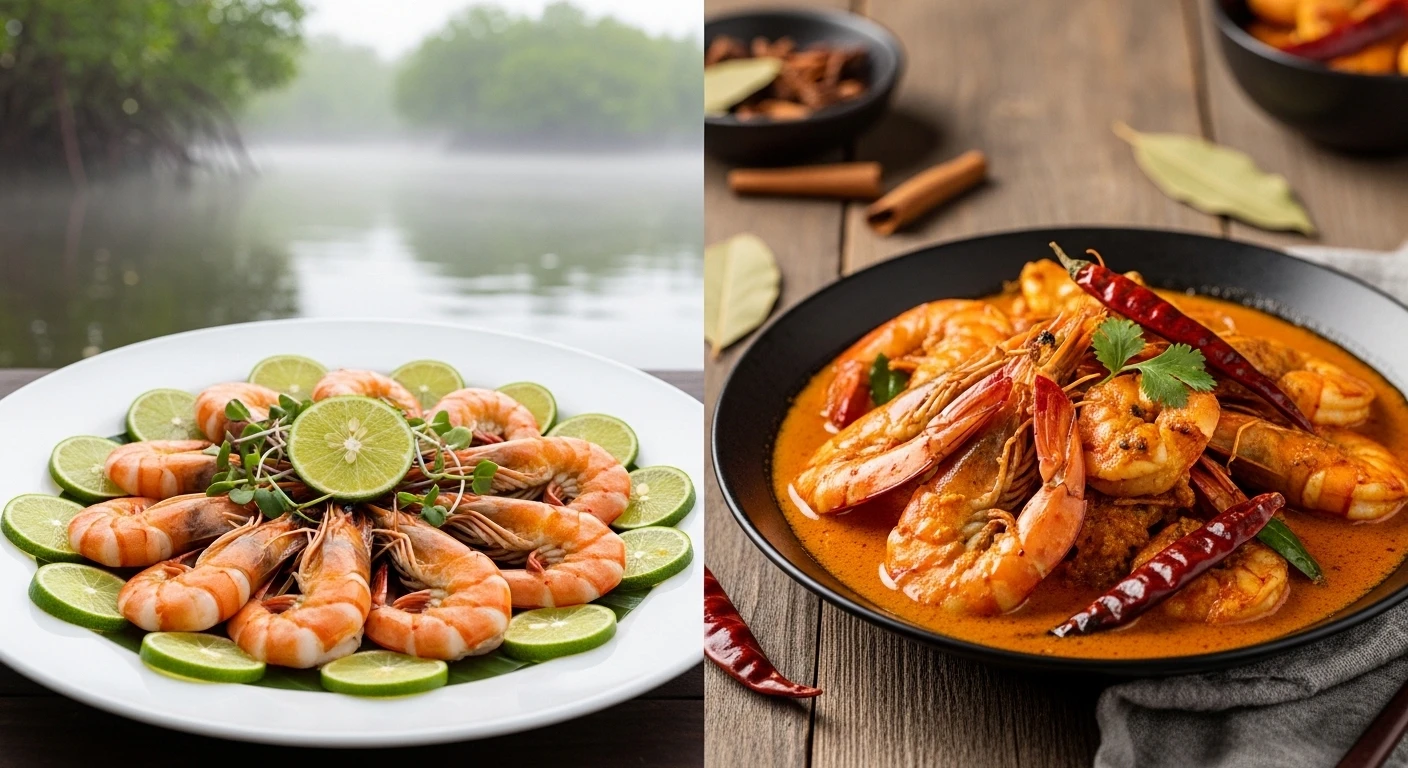
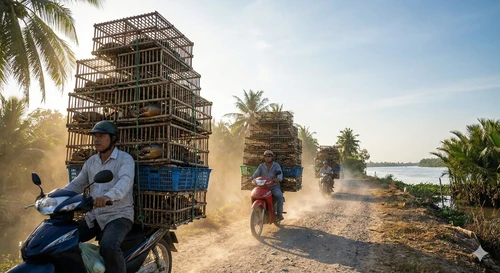
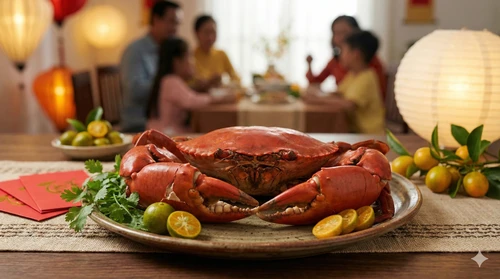
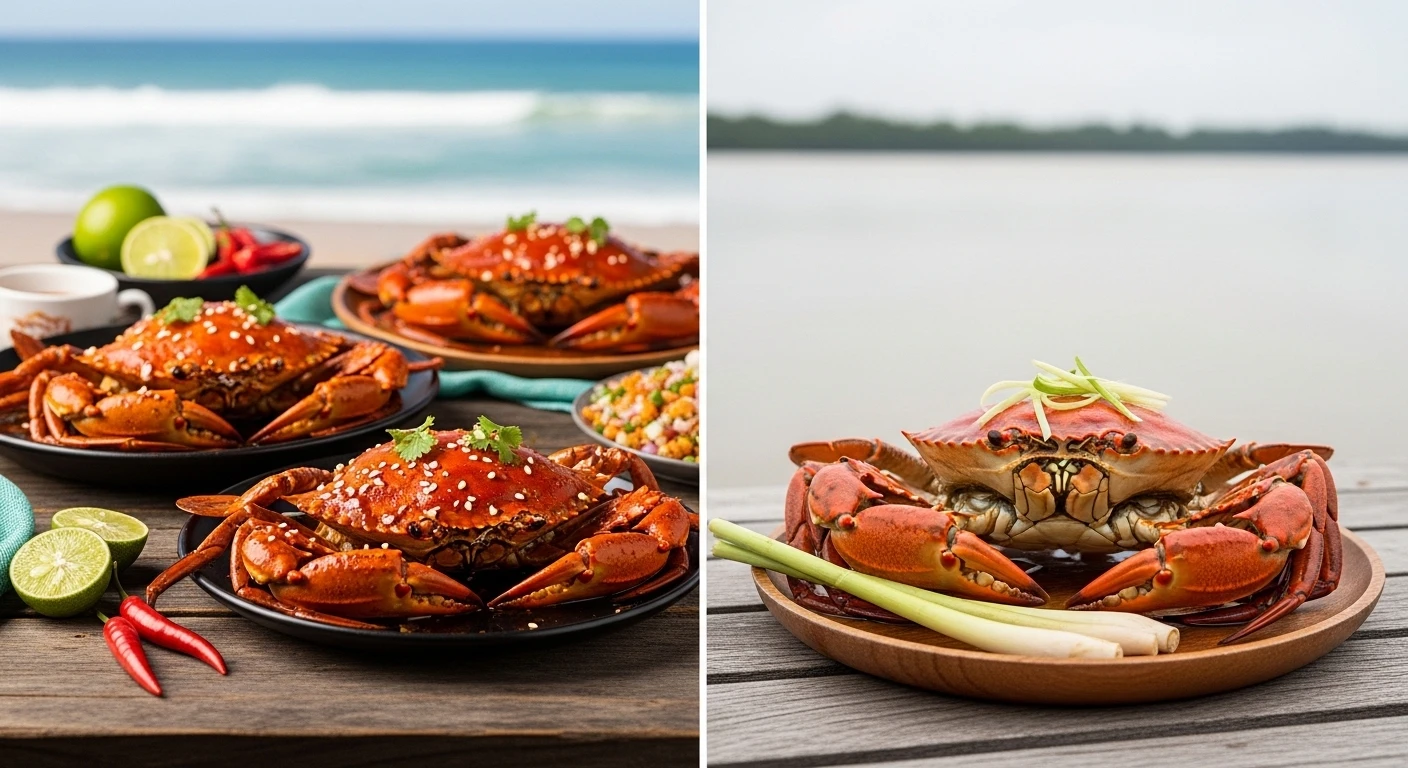
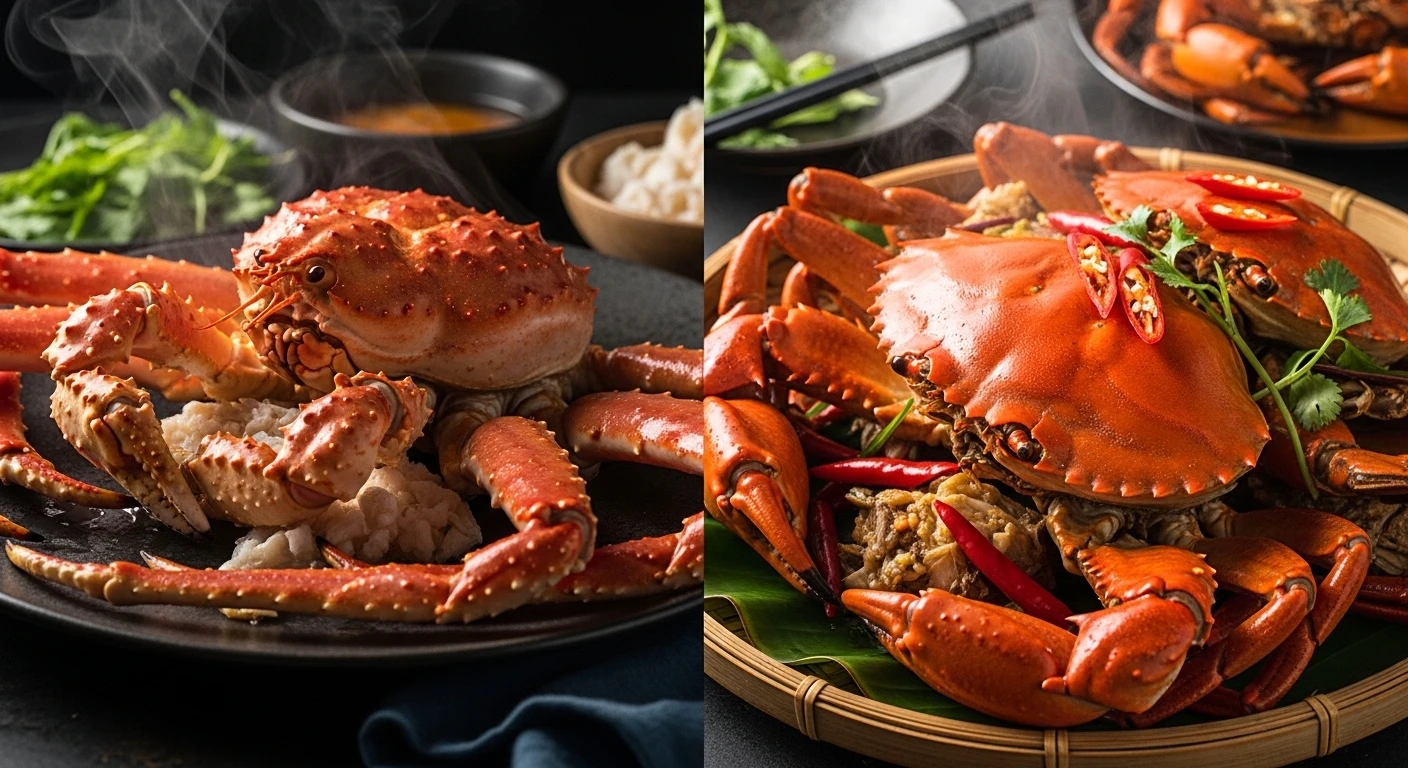
" In the intricate dance of global seafood, few comparisons spark as much debate and delight as the nuanced world of shrimp. On one side, the gleaming, meticulously curated plates of Singapore; on the other, the soulful, terroir-driven abundance of Vietnam's Mekong Delta. "
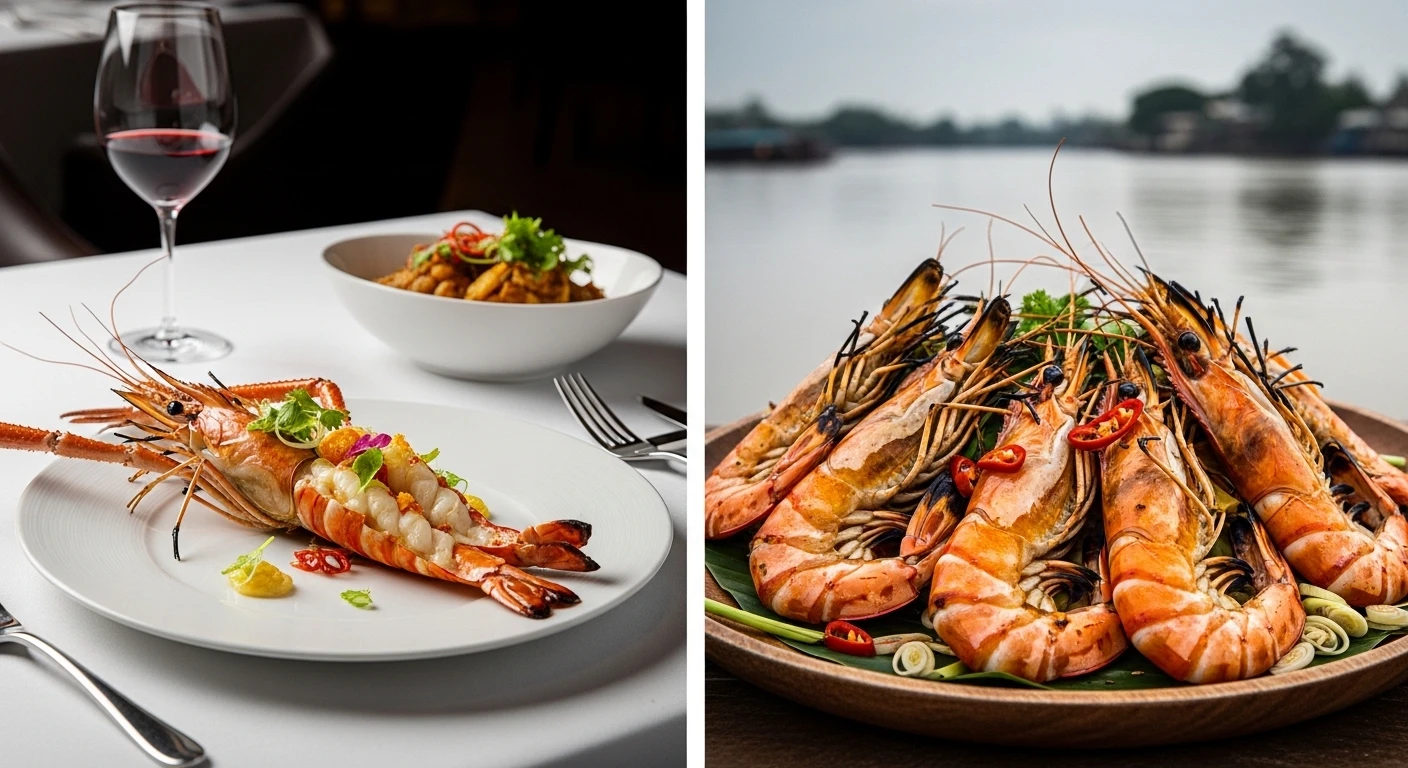
📸 A Tale of Two Shores: Where urban precision meets delta authenticity.
1 Singapore: The Polished Palate
Singapore, a city-state that punches far above its weight in culinary reputation, approaches seafood with a unique blend of international influence and hyper-local precision. Its shrimp culture is less about vast, natural estuaries and more about meticulous sourcing, innovative preparation, and a sophisticated dining ecosystem.
Here, shrimp aren't just sustenance; they're a canvas. From the iconic Chili Crab (often featuring large tiger prawns alongside) to upscale Japanese-inspired izakayas and innovative Western bistros, Singaporean chefs master a vast spectrum of techniques. Think perfectly grilled king prawns drizzled with truffle butter, delicate steamed white shrimp served with yuzu-infused soy, or butter prawns coated in a rich, savory sauce that has become a national favorite.
The emphasis is often on the presentation: immaculate plating, balanced flavor profiles, and the use of premium, often imported, ingredients. Supermarkets and specialty seafood markets display shrimp with an almost jewelry-like care. Sourcing is key – whether it's sustainably farmed Vannamei (whiteleg shrimp) or imported larger varieties, the expectation is consistency, freshness, and adherence to stringent quality standards. It’s a culinary landscape that celebrates the shrimp as a star, prepared with a chef's artistry and a diner's discerning taste.
2 Mekong Delta: The Soul of the River
Venture into Vietnam's Mekong Delta – Dong Bang Song Cuu Long – and you step into a different world entirely. This vast network of rivers, canals, and fertile plains is Vietnam's agricultural heartland, and its lifeblood is intimately tied to the rhythm of the water. Shrimp culture here is not an abstract concept; it's a lived reality, deeply woven into the fabric of daily life, livelihoods, and cuisine.
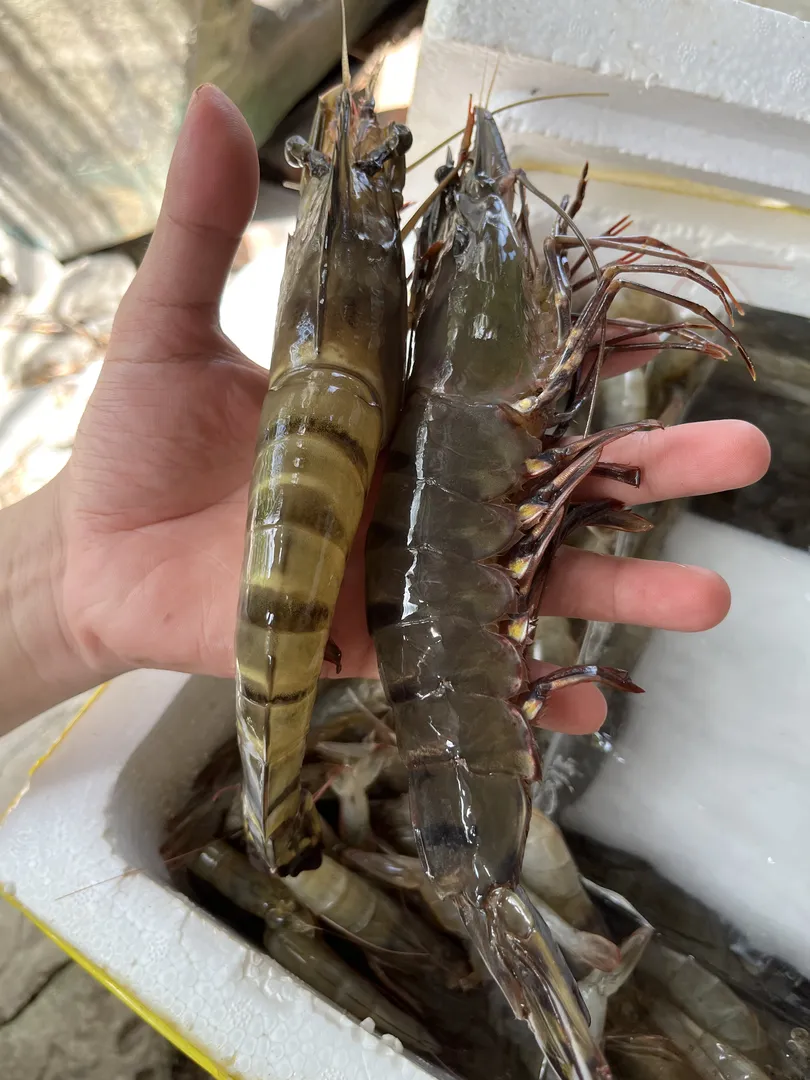
Regions like Ca Mau and Bac Lieu are renowned for their extensive mangrove forests, which provide a natural, sustainable habitat for some of the country's most prized shrimp. It's here that the legendary Ca Mau Black Tiger Shrimp ($#tom-su-ca-mau) thrives. These aren't your average shrimp; they are larger, firmer, and possess a cleaner, sweeter taste, attributed to their upbringing in brackish mangrove waters, feeding on natural detritus. This distinct "terroir" imbues them with a flavor profile that's hard to replicate.
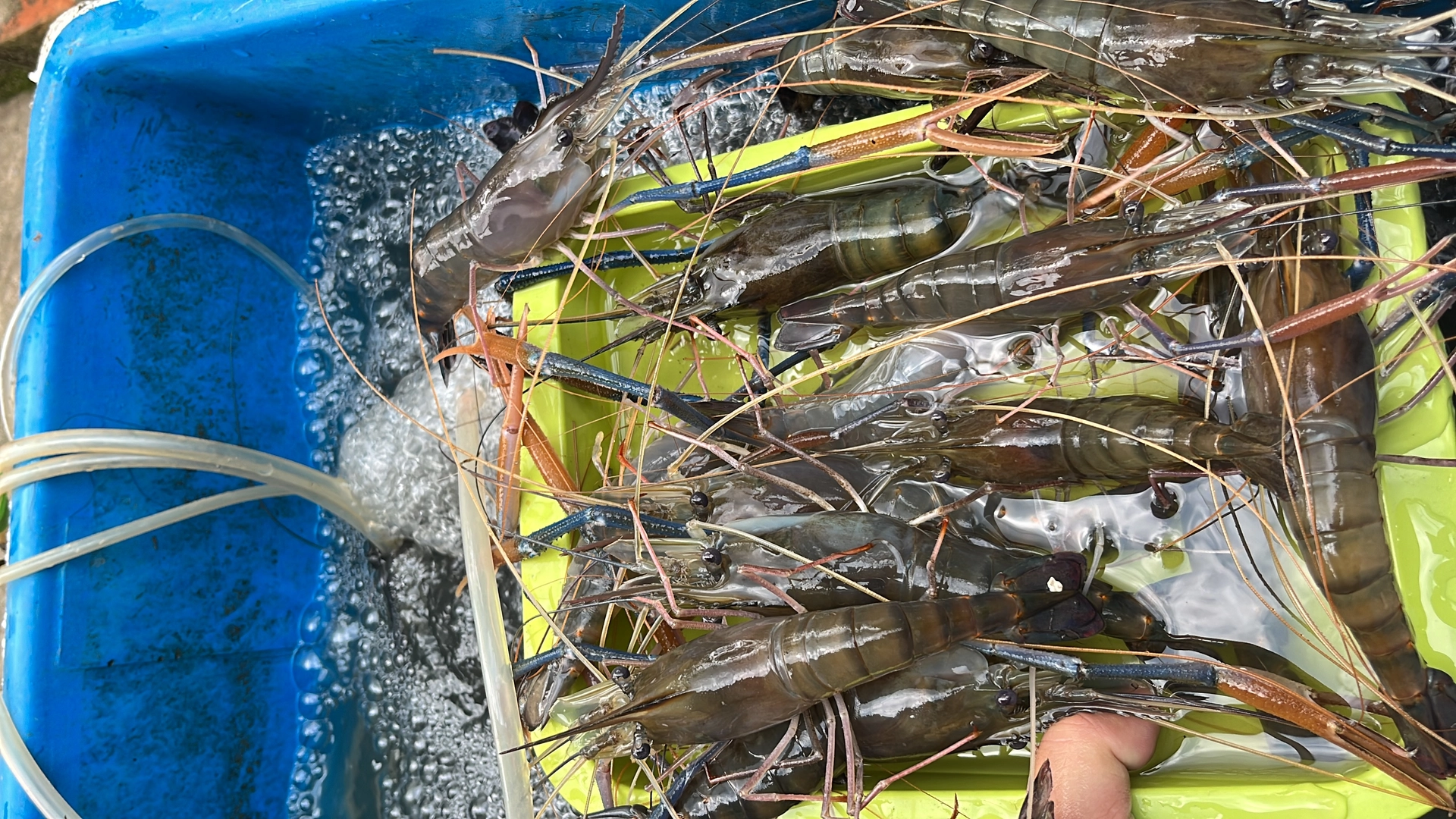
Beyond black tigers, the Delta is a haven for Giant Freshwater Prawns ($#tom-cang-ca-mau), their long, blue claws a testament to their formidable size and rich, buttery head fat – a delicacy in itself. And for everyday cooking, the ubiquitous Whiteleg Shrimp ($#tom-the) plays a vital role, a versatile workhorse in countless home-cooked meals, stir-fries, and soups.
Heritage Ingredient
Ca Mau Black Tiger Shrimp
Ca Mau Black Tiger Shrimp
Large black tiger shrimp associated with mangrove aquaculture in Ca Mau, known for firm flesh and a cleaner, sweeter finish than intensively farmed shrimp.
Wild spirits of the mangroves, these black-banded gems deliver a firm, snappy texture and a sweetness that echoes the forest's vibrant life.
Heritage Ingredient
Mekong Giant Freshwater Prawn
Mekong Giant Freshwater Prawn
A river prawn with long blue claws and rich head fat, common in grilled prawn dishes and hotpot traditions across the Mekong basin.
Majestic blue-clawed warriors of the Mekong, famous for their rich, fatty heads and a savory depth that captures the essence of the delta's rivers.
3 Flavor & Texture: Terroir vs. Technology
The most striking difference lies in the intrinsic flavor and texture of the shrimp themselves.
Mekong Delta Shrimp: The Ca Mau Black Tiger Shrimp, for instance, has a substantial, almost meaty bite. Its sweetness is clean and nuanced, not overpoweringly sugary, with a subtle brininess that speaks of its mangrove habitat. When grilled, steamed, or cooked in a simple stir-fry, its natural flavor shines through. Giant Freshwater Prawns offer a richer experience, with the prized head fat providing a decadent, creamy contrast to the firm, sweet flesh.
Singaporean Context Shrimp: In Singapore, the shrimp often play a role within a complex dish. While quality is paramount, the focus might be on how the shrimp absorbs a bold sauce or complements other ingredients. Whiteleg shrimp, while perfectly delicious, can sometimes have a more neutral flavor profile, making them ideal for dishes where they carry a sauce or are part of a larger medley. Larger, often imported, prawns used in high-end dining might be chosen for their size and visual appeal, with cooking methods like grilling or pan-searing designed to highlight their sweetness within an elegant presentation.
It's a comparison between the natural, unadulterated essence of shrimp shaped by its environment (Vietnam) versus a refined, adaptable ingredient optimized for a diverse culinary landscape (Singapore).
4 Culinary Applications: Sauces vs. Simplicity
The way shrimp are cooked and the accompaniments chosen reveal a fundamental difference in culinary philosophy.
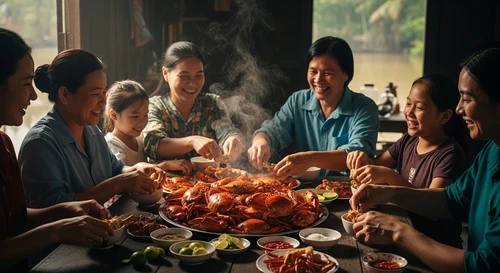
Mekong Delta Tradition: In the Delta, simplicity often reigns. The goal is to let the shrimp's inherent quality speak for itself. Grilling over charcoal, steaming with lemongrass and chilies, or a quick sauté with garlic and chili are common. When sauces are involved, they tend to be bright and complementary – think a sharp lime-salt-pepper dip for grilled prawns, or a pungent fish sauce-based seasoning for steamed shrimp. The focus is on enhancing, not masking, the shrimp's natural flavor.
Singaporean Approach: Singapore is a melting pot, and its shrimp dishes reflect this. You'll find the beloved Butter Prawns, a rich, comforting dish where the shrimp are enveloped in a creamy, savory butter sauce, often with hints of curry leaf and chili. Then there's the iconic Cereal Prawns, a textural marvel with crispy fried prawns coated in a sweet, savory, buttery cereal mixture – a dish that is both unique and immensely popular. These preparations showcase shrimp not just as an ingredient, but as a vehicle for complex, bold flavors.
While both traditions value freshness, Vietnam leans towards showcasing the shrimp's raw character, while Singapore excels at integrating it into elaborate, flavor-packed culinary experiences.
5 Livelihood & Sustainability: Mangroves vs. Modern Farms
The underlying systems of shrimp production also offer a stark contrast.
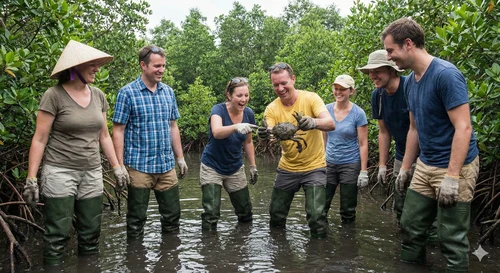
Mekong Delta's Natural Approach: Many of the prized shrimp in the Mekong Delta, particularly the Ca Mau Black Tiger Shrimp, are raised in extensive, semi-intensive systems integrated with mangrove ecosystems. This aquaculture method relies on the natural tidal flow and the rich organic matter provided by the mangroves. It’s a system that, when managed well, can be highly sustainable, preserving coastal environments and providing livelihoods for local communities. The slower growth in these natural conditions is often cited as a key factor in their superior flavor.
Singapore's Controlled Environment: Singapore, with its limited land and high population density, relies more on intensive, land-based aquaculture, vertical farming, and imports. While Singaporean farms often adhere to high standards of biosecurity and feed efficiency, the focus is on maximizing yield and consistency in a controlled environment. This technological approach ensures a steady supply of high-quality shrimp for its demanding market, but it lacks the wild, untamed essence of delta-raised crustaceans.
6 Market Culture: Bazaar vs. Boutique
The experience of buying shrimp also differs dramatically.
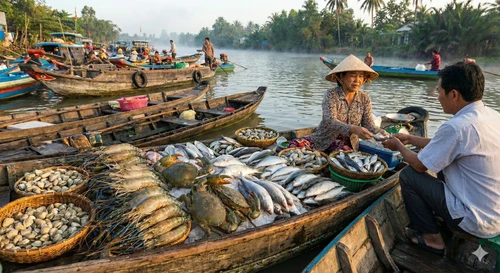
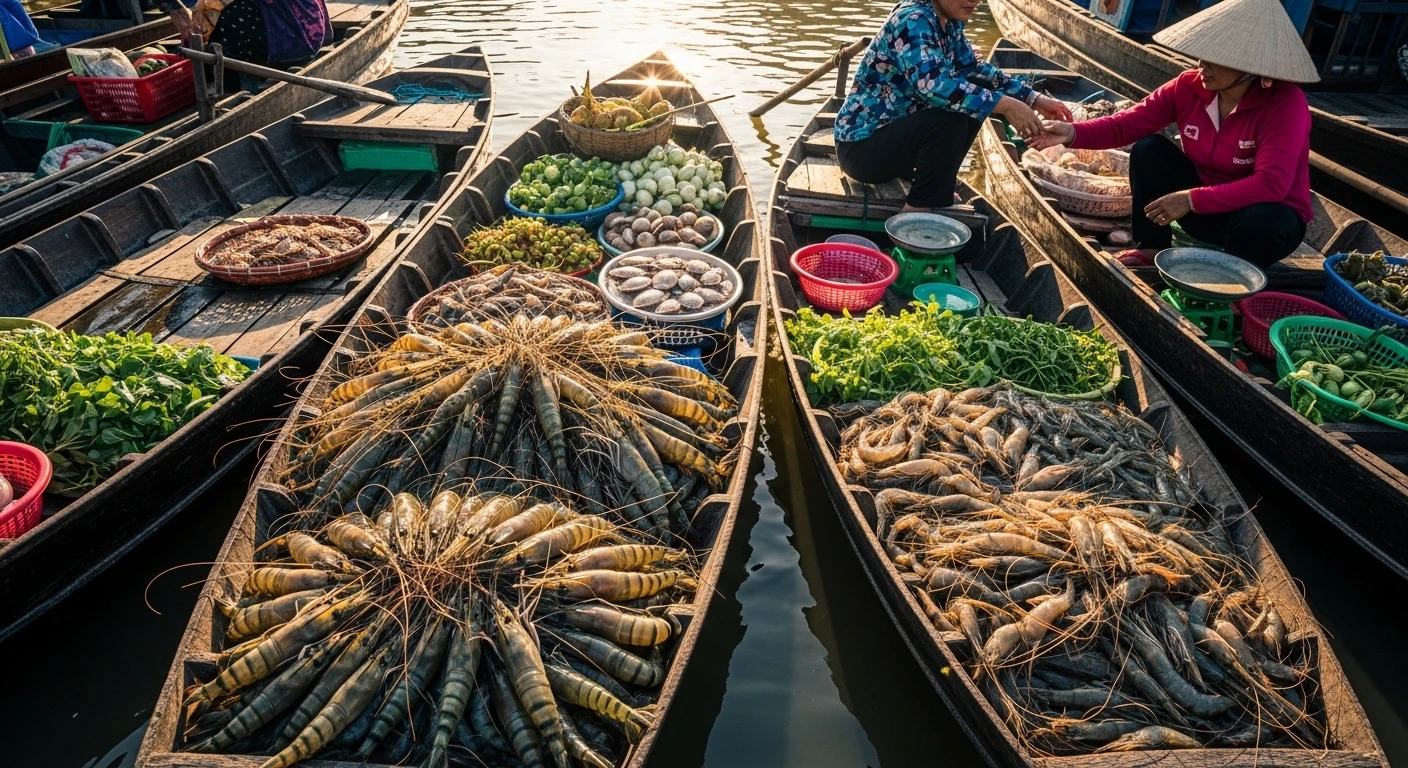
Mekong Delta Bustle: Imagine the vibrant, chaotic energy of a Mekong Delta riverside market. Fishermen haul in their day's catch, locals haggle over prices, and the air is thick with the scent of the river and cooking. Buying shrimp here is an interaction – you see the day's catch, you might even see them landed. It’s a raw, authentic, and often very affordable experience that connects you directly to the source.
Singapore's Refined Retail: In Singapore, the seafood retail experience is often more curated. Wet markets still exist and offer incredible freshness, but the dominant consumer journey might involve carefully stocked supermarket displays or high-end seafood purveyors. Here, shrimp are pre-portioned, often vacuum-sealed, with clear labeling about origin and species. The experience is clean, efficient, and geared towards the modern urban dweller seeking convenience and guaranteed quality.
7 The Delta Calling: Why Vietnam Deserves Your Curiosity
For the discerning traveler and seafood enthusiast, the Mekong Delta offers an unparalleled journey into the soul of shrimp culture.
Authentic Flavors: The distinct, sweet, and firm flesh of Ca Mau black tiger shrimp and Mekong giant freshwater prawns is an experience in itself. Tasting them in their native environment, perhaps grilled at a riverside eatery in Can Tho or steamed fresh in a family kitchen in Soc Trang, is unforgettable.
Cultural Immersion: Explore the floating markets, witness traditional fishing methods, and learn about the sustainable mangrove aquaculture that defines the region. It's a chance to connect with the people whose lives are intrinsically linked to the bounty of the delta.
Culinary Exploration: Beyond just shrimp, the Mekong Delta offers a universe of unique flavors and dishes. From spicy salads to fragrant noodle soups, the local cuisine is a testament to the region's fertile produce and the ingenuity of its people.
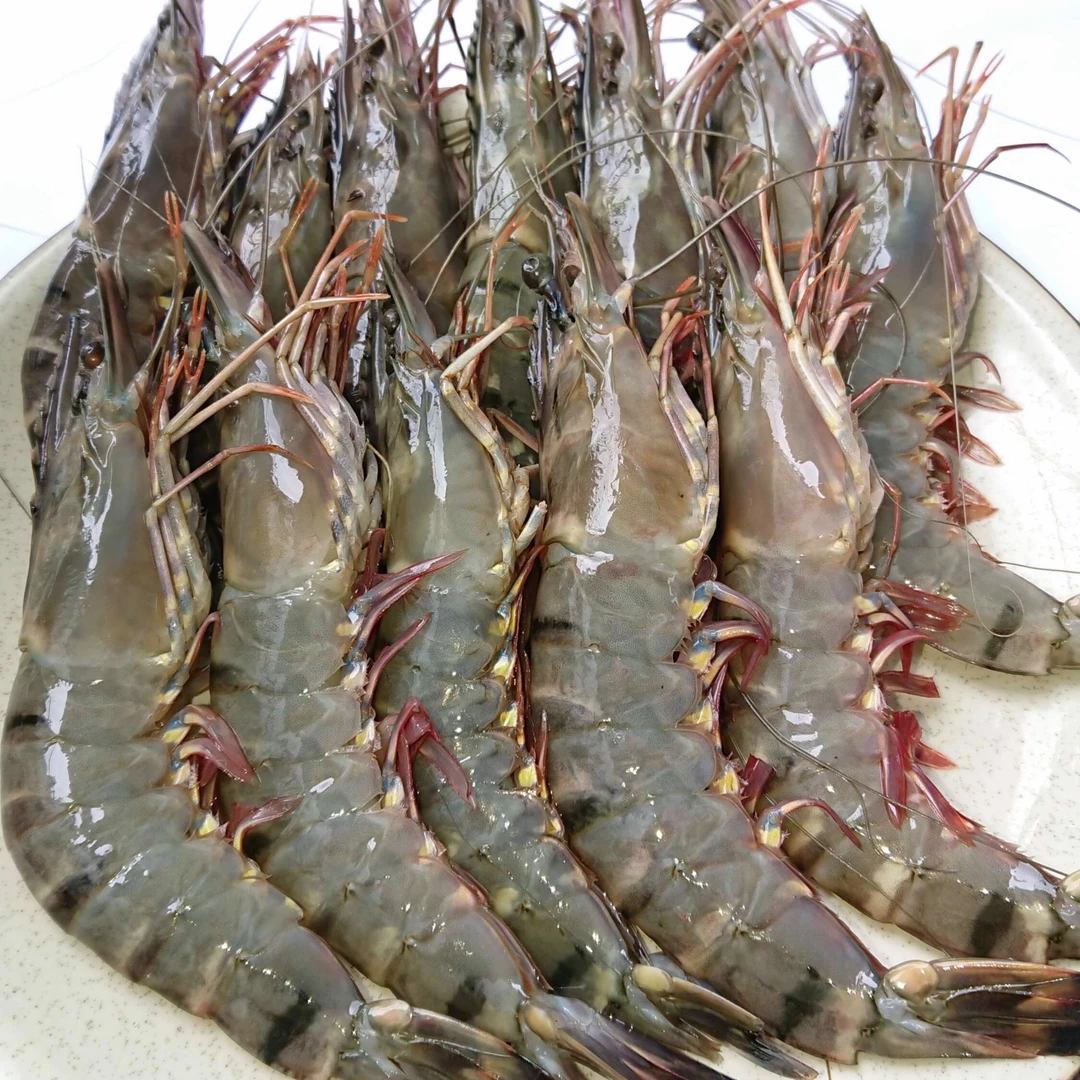
Heritage Ingredient
Whiteleg Shrimp
Whiteleg Shrimp
A widely used shrimp in Vietnamese home kitchens, suitable for stir-fries, soups, steamed dishes, and practical cooking articles that need a familiar shrimp reference.
Translucent jewels of the coast, thin-shelled and remarkably sweet, making every simple home meal feel like a seaside celebration.
8 Two Paths to Excellence
Ultimately, the comparison between Vietnamese and Singaporean shrimp culture isn't about declaring a "winner." It's about appreciating two distinct, yet equally valid, expressions of seafood excellence.
Singapore offers a vision of precision, innovation, and sophisticated dining, where shrimp are elevated to artistic creations within a global culinary hub. It represents the pinnacle of urban seafood refinement.
The Mekong Delta, on the other hand, embodies the raw, soulful connection to the source. Its shrimp carry the story of the rivers, the mangroves, and a heritage of sustainable living. It represents authenticity and terroir, a taste of Vietnam's rich aquatic soul.
For those seeking to understand the true breadth of what shrimp can offer, a journey from the polished restaurants of Singapore to the vibrant, life-giving waters of the Mekong Delta provides an education for the palate and the soul. Both destinations offer unique delights, but for an experience steeped in natural flavor and cultural depth, the Mekong Delta awaits.