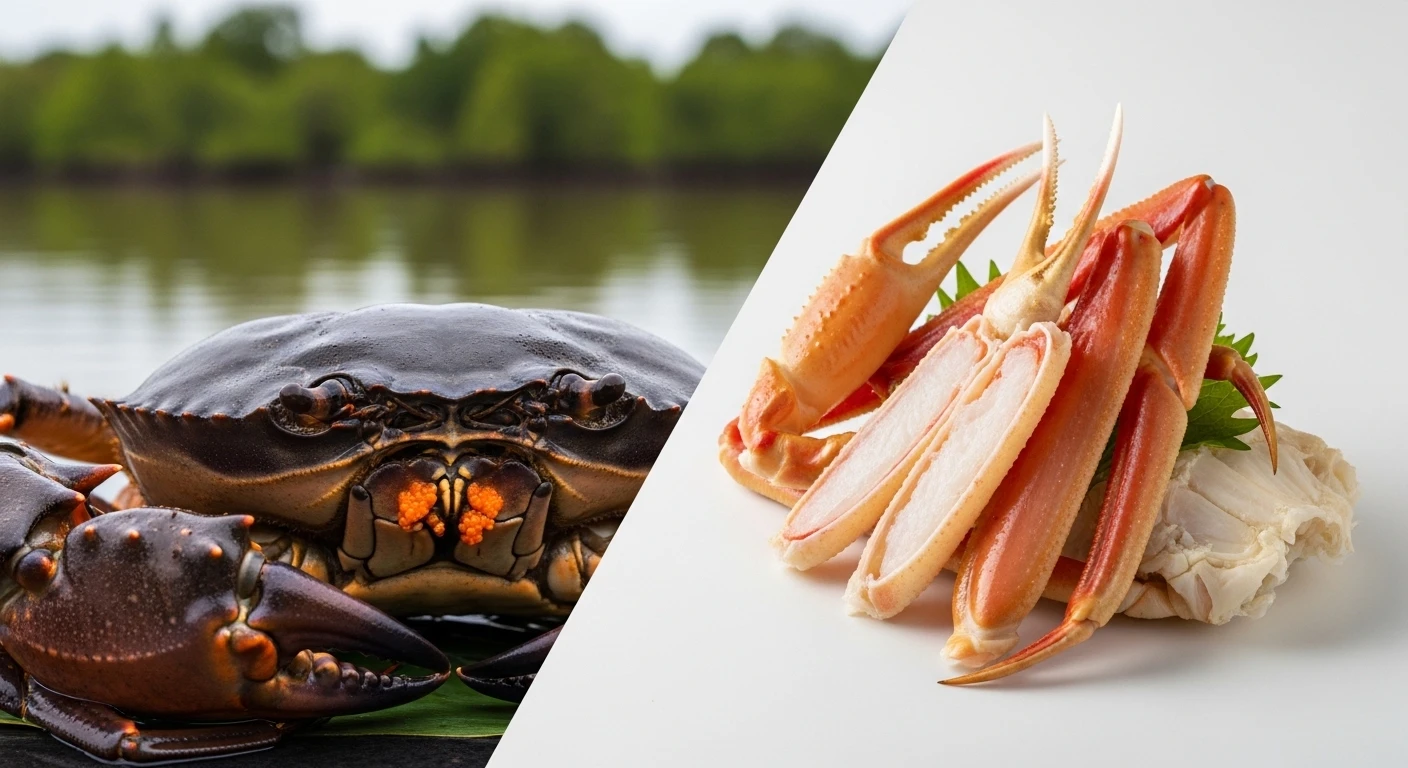
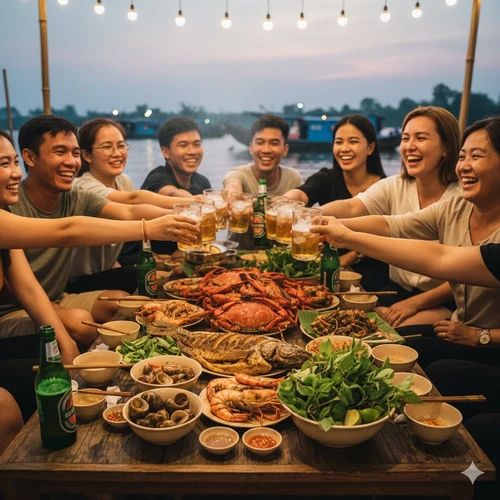
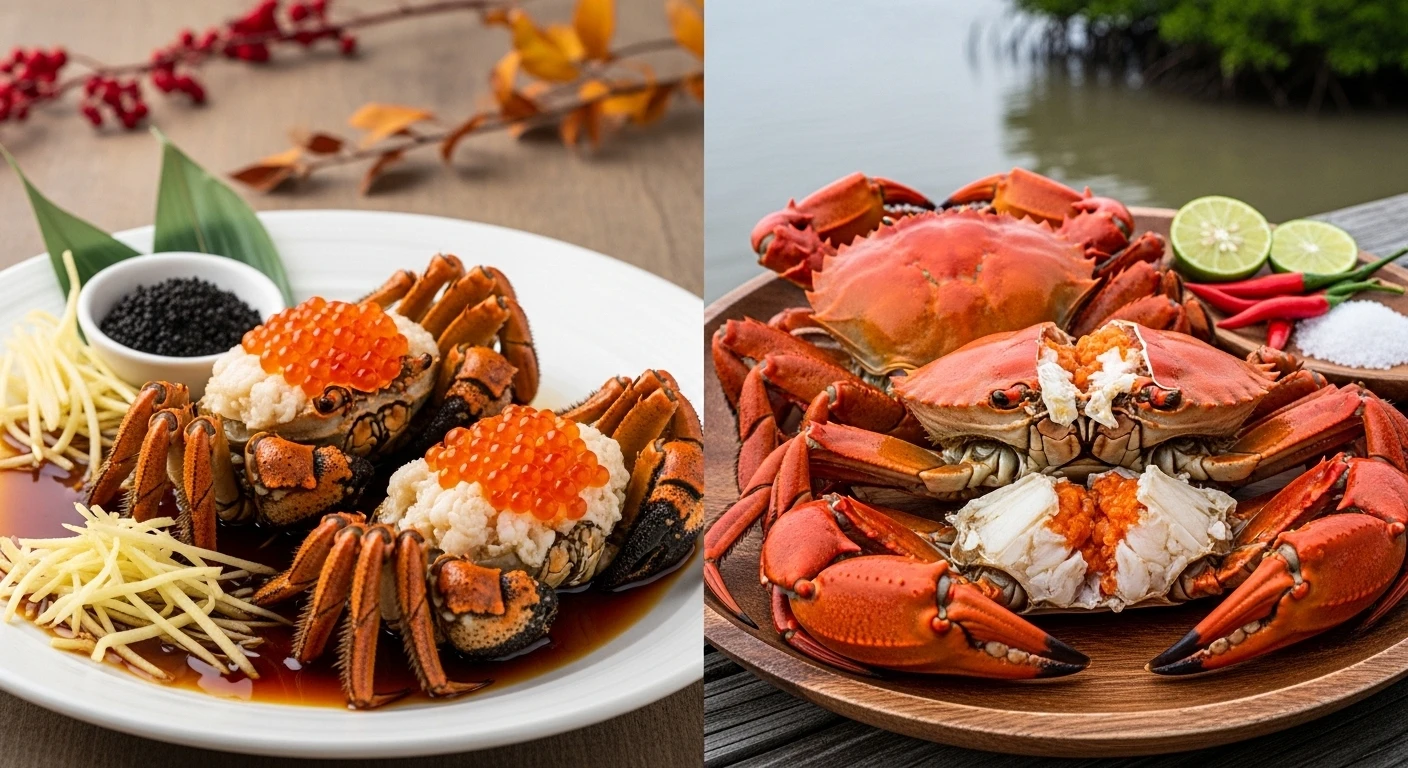
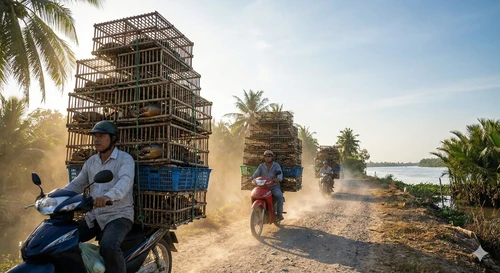
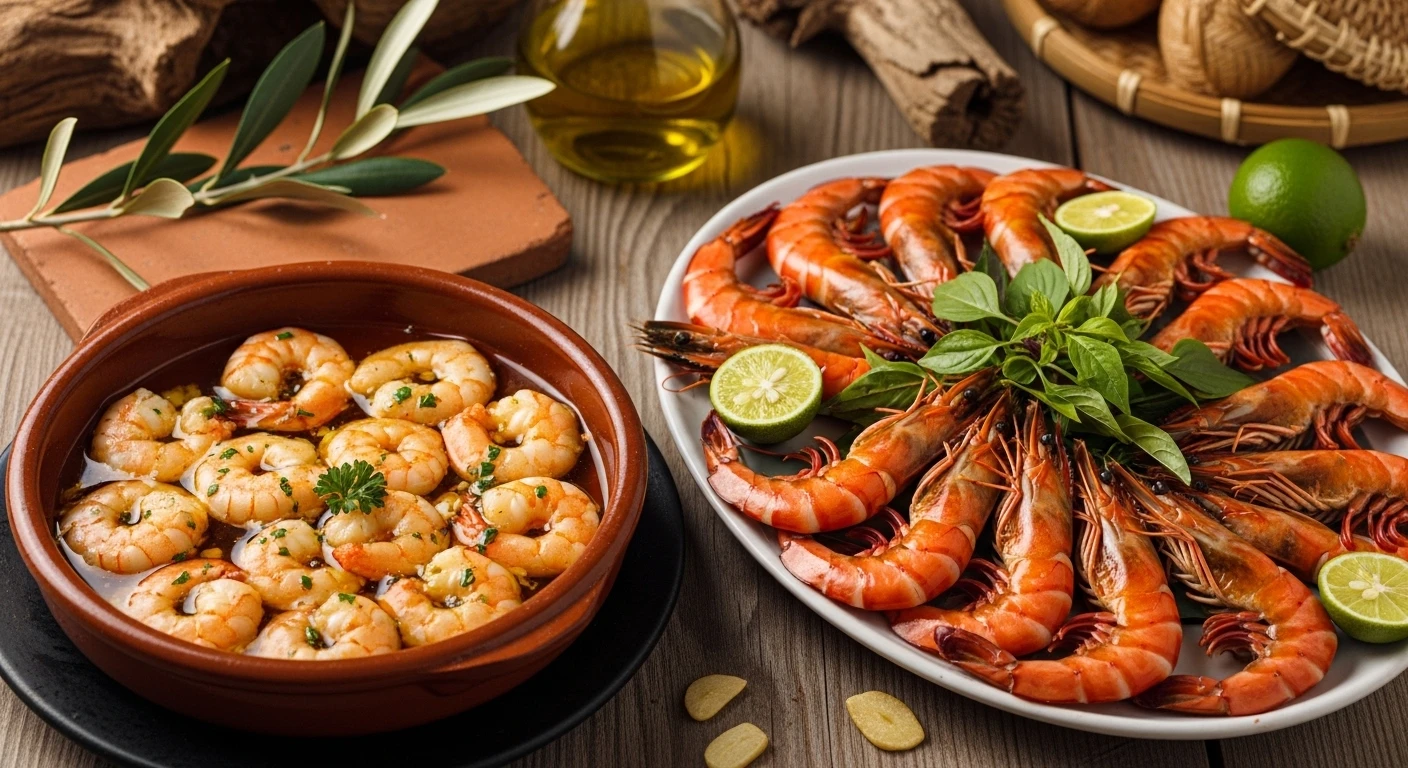
" In the vast, shimmering expanse where salt meets fresh water, shrimp and prawns reign supreme. Two worlds, two giants of the seas and rivers: the United States, with its robust Gulf Coast traditions, and Vietnam, a tapestry woven with the intricate culture of the Mekong Delta. "
1 The American Shrimp Story: Gulf Coast & Southern Comfort
For many Americans, "shrimp" conjures immediate images: the crisp, briny delight of a shrimp cocktail, the communal joy of a Lowcountry boil, or the subtle sweetness of shrimp gracing a plate of pasta. The bedrock of much of this expectation lies along the U.S. Gulf Coast – Louisiana, Mississippi, Alabama, Texas, and Florida – a region steeped in a rich seafood heritage.
Here, the Brown Shrimp and White Shrimp, harvested primarily from the Gulf of Mexico, are stars. These species, known for their firm texture and clean, distinct flavors, form the backbone of iconic dishes. Think of the Cajun and Creole influences: gumbo, étouffée, jambalaya – all elevated by plump, perfectly cooked shrimp.
The Southern shrimp boil is a cultural phenomenon. A communal affair, often held outdoors, where shrimp are steamed or boiled with corn, potatoes, sausage, and a heady blend of spices like Old Bay or Zatarain's. It’s about the experience as much as the food – the hands-on, messy, and utterly delicious way of sharing a meal with friends and family. The emphasis is on abundance, bold flavors, and a spirit of convivial gathering.
Beyond the Gulf, the South Atlantic states offer their own shrimp traditions. South Carolina's famous Lowcountry boil, for instance, often features the smaller, sweeter "shrimp," while dishes like shrimp and grits are a testament to the ingredient's versatility and comfort-food status. These traditions celebrate the natural sweetness and satisfying chew of American shrimp, often prepared in ways that highlight their inherent quality without overwhelming them.
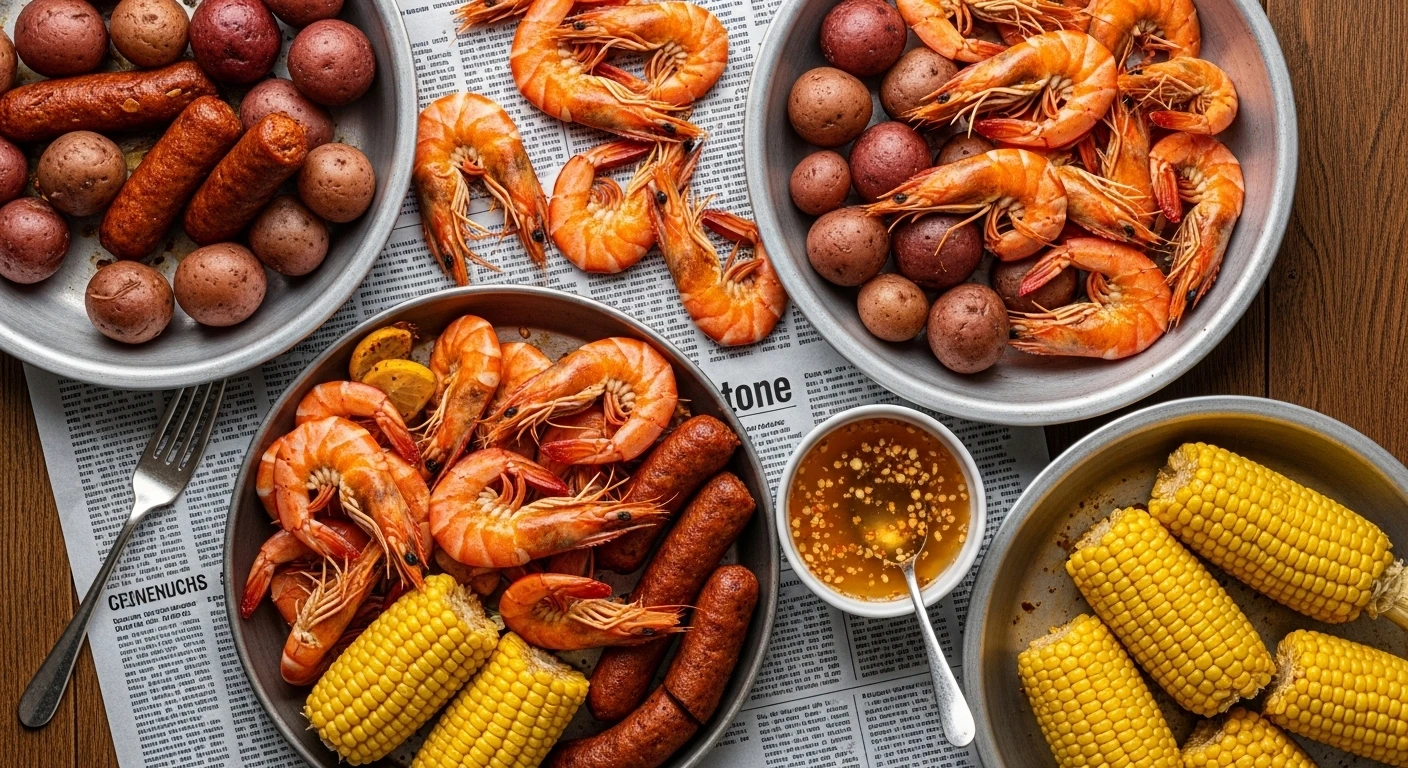
American shrimp farming, while present, is dwarfed by imports. The conversation in the U.S. often centers on wild-caught, domestic shrimp, with a growing appreciation for sustainability and traceability. When Americans think of "premium" shrimp, they might imagine larger, wild-caught varieties from the Gulf, prized for their quality and the romantic notion of being "off the boat."
2 The Mekong Delta's Shrimp Empire: Where River Meets Sea
Now, pivot to the other side of the globe, to the emerald heart of Vietnam: the Mekong Delta. This vast, intricate network of rivers, canals, and brackish waters is not merely a source of shrimp; it is a living ecosystem where human ingenuity and aquaculture have coexisted for generations. The Delta is Vietnam’s undeniable king of shrimp production, a vital engine for the national economy and a cornerstone of its culinary identity.
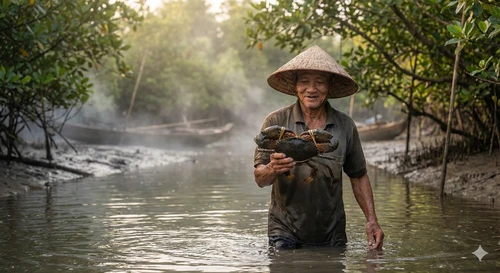
The aquaculture here is a study in diversity. While intensive farming exists, the truly unique stories often unfold in the mangrove forests and flooded rice fields. This is where traditions run deep, where shrimp are raised with an understanding of their natural habitat, lending them a distinct character.
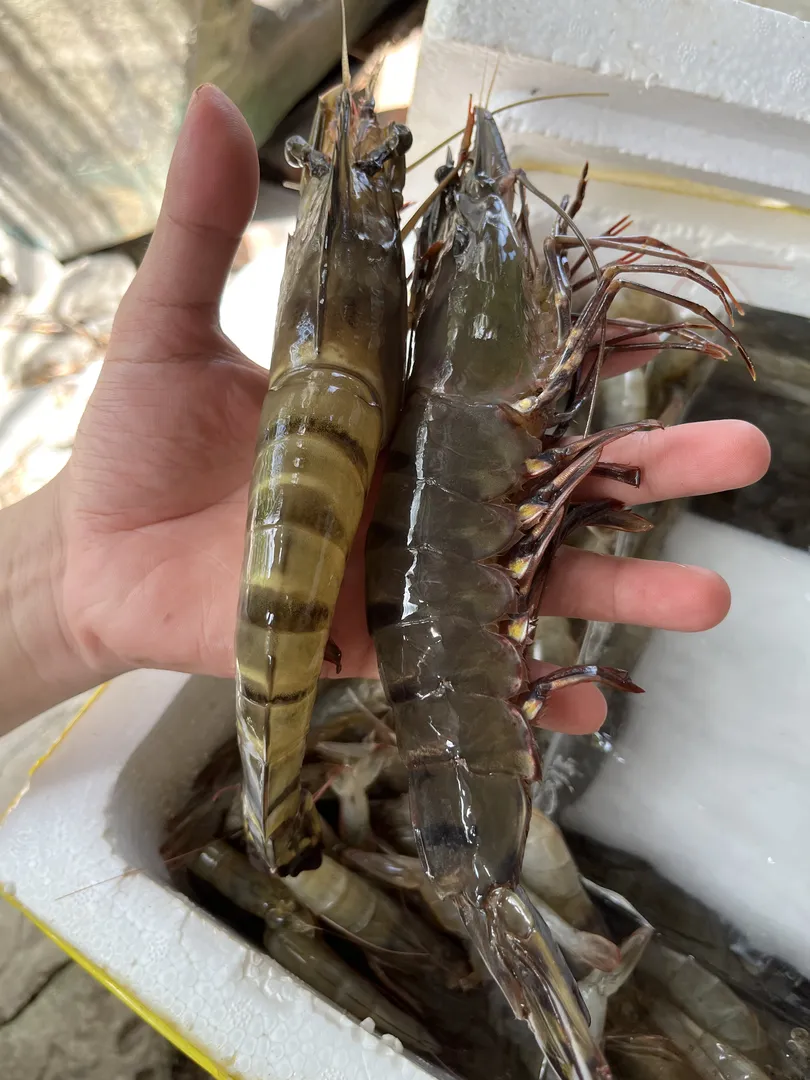
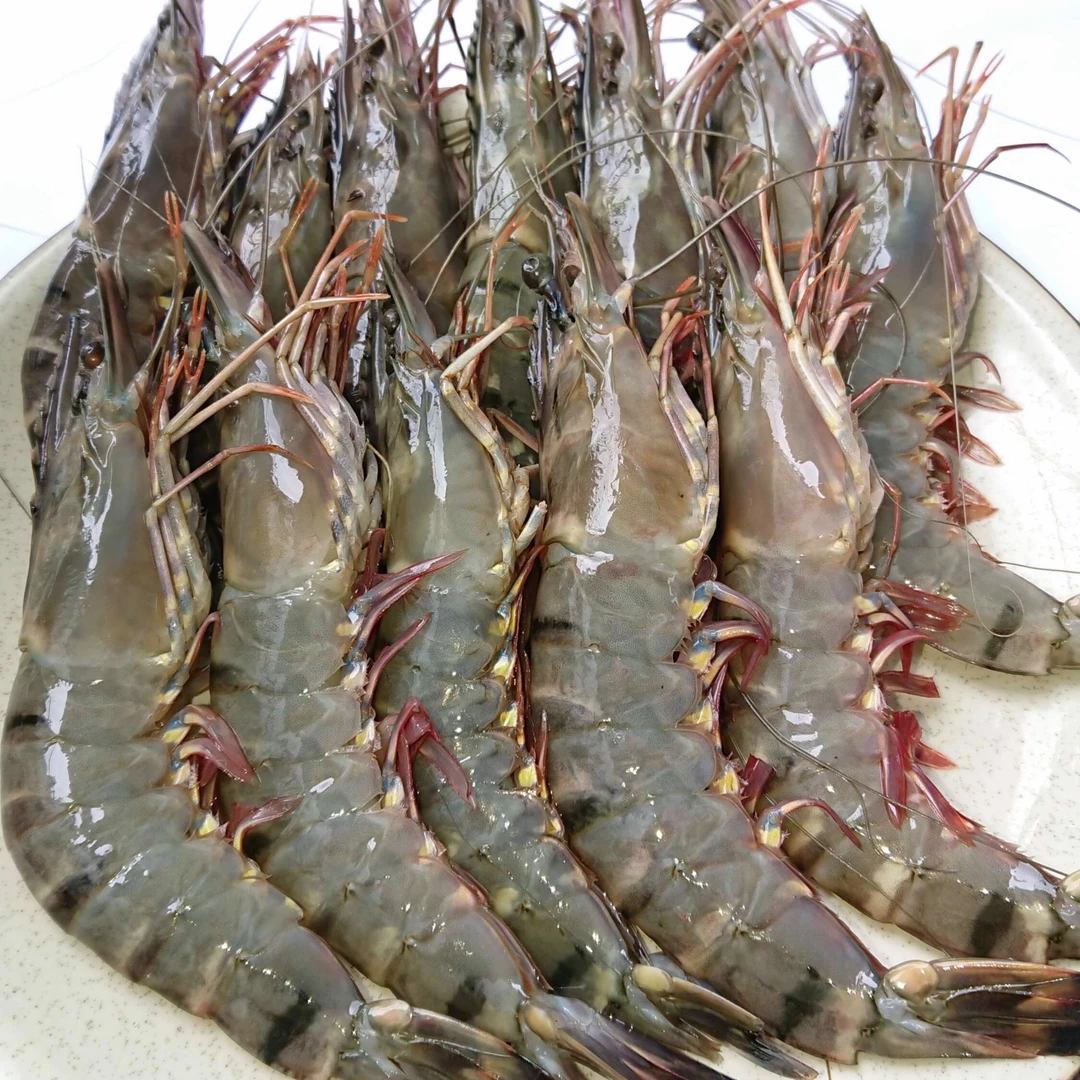
The undisputed royalty of Ca Mau, Vietnam's southernmost province, is the Black Tiger Shrimp. Imagine large, striking shrimp with distinct dark stripes, born from the nutrient-rich waters of mangrove-lined estuaries. These shrimp, cultivated in what is often referred to as "mangrove shrimp" systems, benefit from the natural filtration and biodiversity of the mangroves. This environment imparts a cleaner, sweeter flavor and a wonderfully firm, almost snappy texture that sets them apart from their intensively farmed counterparts. They are the benchmark for quality, a product of thoughtful aquaculture that respects the environment.
Heritage Ingredient
Ca Mau Black Tiger Shrimp
Ca Mau Black Tiger Shrimp
Large black tiger shrimp associated with mangrove aquaculture in Ca Mau, known for firm flesh and a cleaner, sweeter finish than intensively farmed shrimp.
Wild spirits of the mangroves, these black-banded gems deliver a firm, snappy texture and a sweetness that echoes the forest's vibrant life.
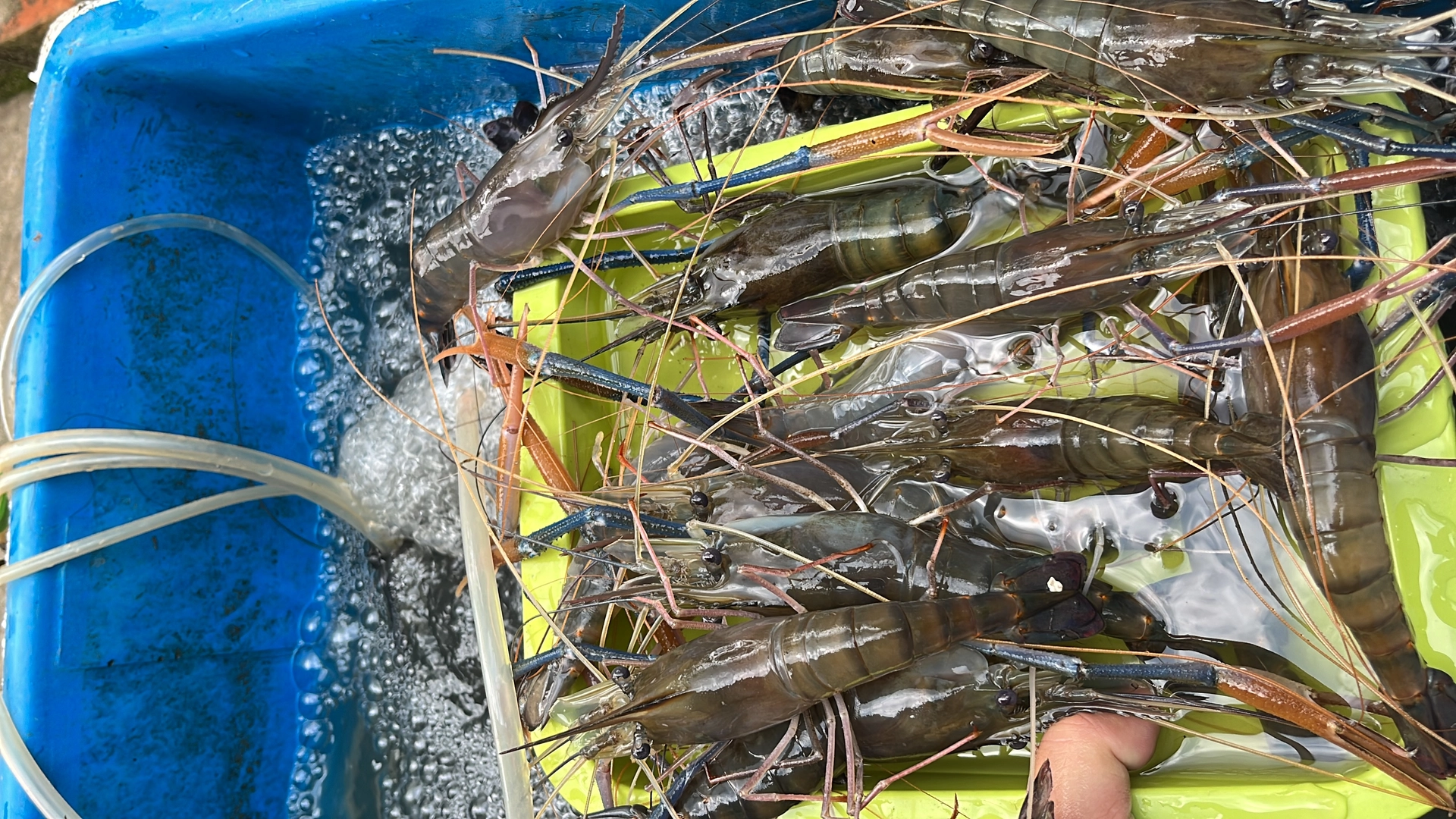
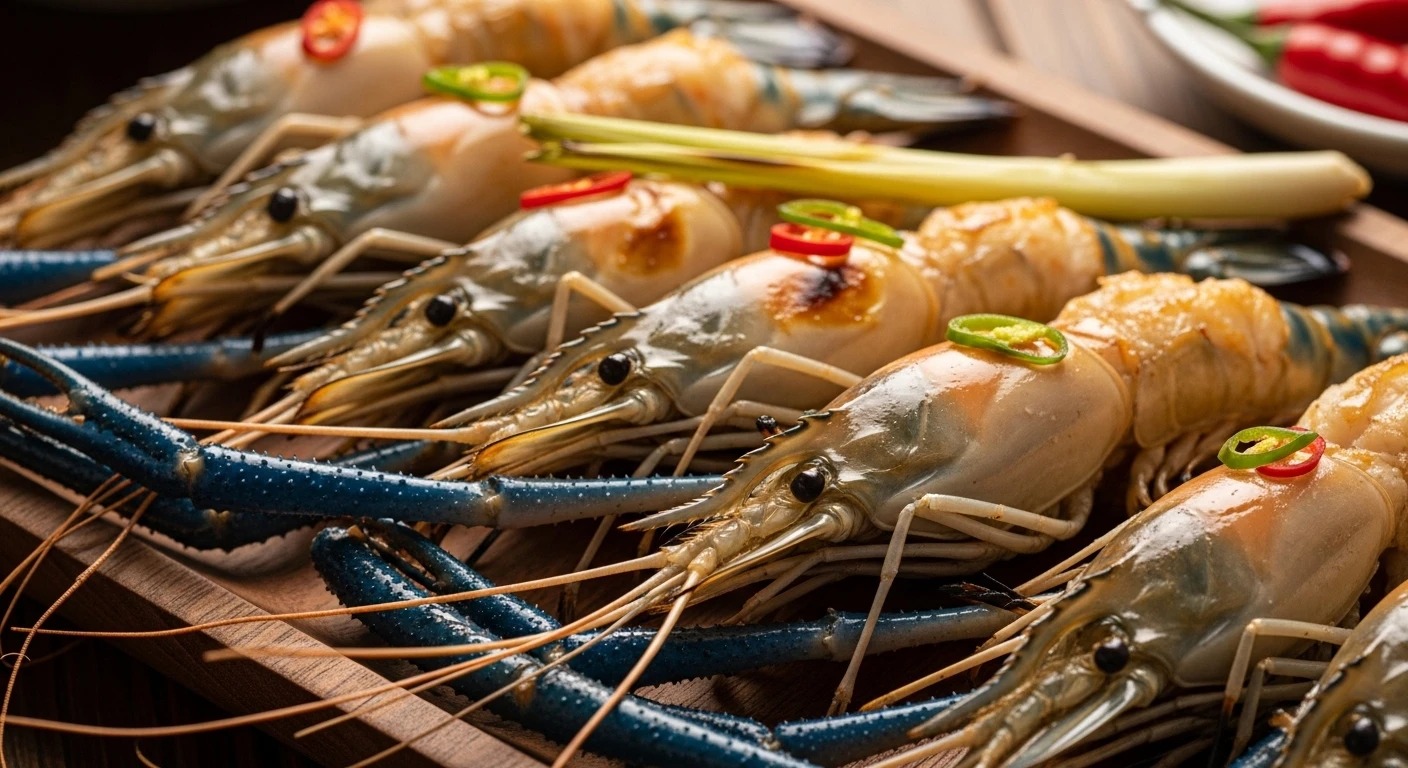
But the Delta isn't just about Black Tigers. The Giant Freshwater Prawn, with its impressive blue claws and rich, creamy head fat, is another icon. These magnificent crustaceans thrive in the freshwater tributaries and canals. Their meat is sweet and succulent, and the generous head fat is a delicacy, often savored by mixing it with rice or broth. They are typically prepared simply – grilled over charcoal to perfection, allowing their natural sweetness to shine, or used in rich, flavorful hot pots.
Heritage Ingredient
Mekong Giant Freshwater Prawn
Mekong Giant Freshwater Prawn
A river prawn with long blue claws and rich head fat, common in grilled prawn dishes and hotpot traditions across the Mekong basin.
Majestic blue-clawed warriors of the Mekong, famous for their rich, fatty heads and a savory depth that captures the essence of the delta's rivers.
Then there’s the ubiquitous Whiteleg Shrimp, known locally as "tôm thẻ." While perhaps less glamorous than its larger cousins, this shrimp is the workhorse of Vietnamese kitchens. It's incredibly versatile, appearing in everything from delicate steamed dishes and robust stir-fries to comforting noodle soups. Its mild flavor and tender texture make it a perfect canvas for the complex, nuanced flavors of Vietnamese cuisine.
Heritage Ingredient
Whiteleg Shrimp
Whiteleg Shrimp
A widely used shrimp in Vietnamese home kitchens, suitable for stir-fries, soups, steamed dishes, and practical cooking articles that need a familiar shrimp reference.
Translucent jewels of the coast, thin-shelled and remarkably sweet, making every simple home meal feel like a seaside celebration.
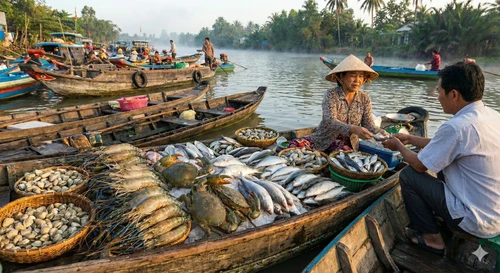
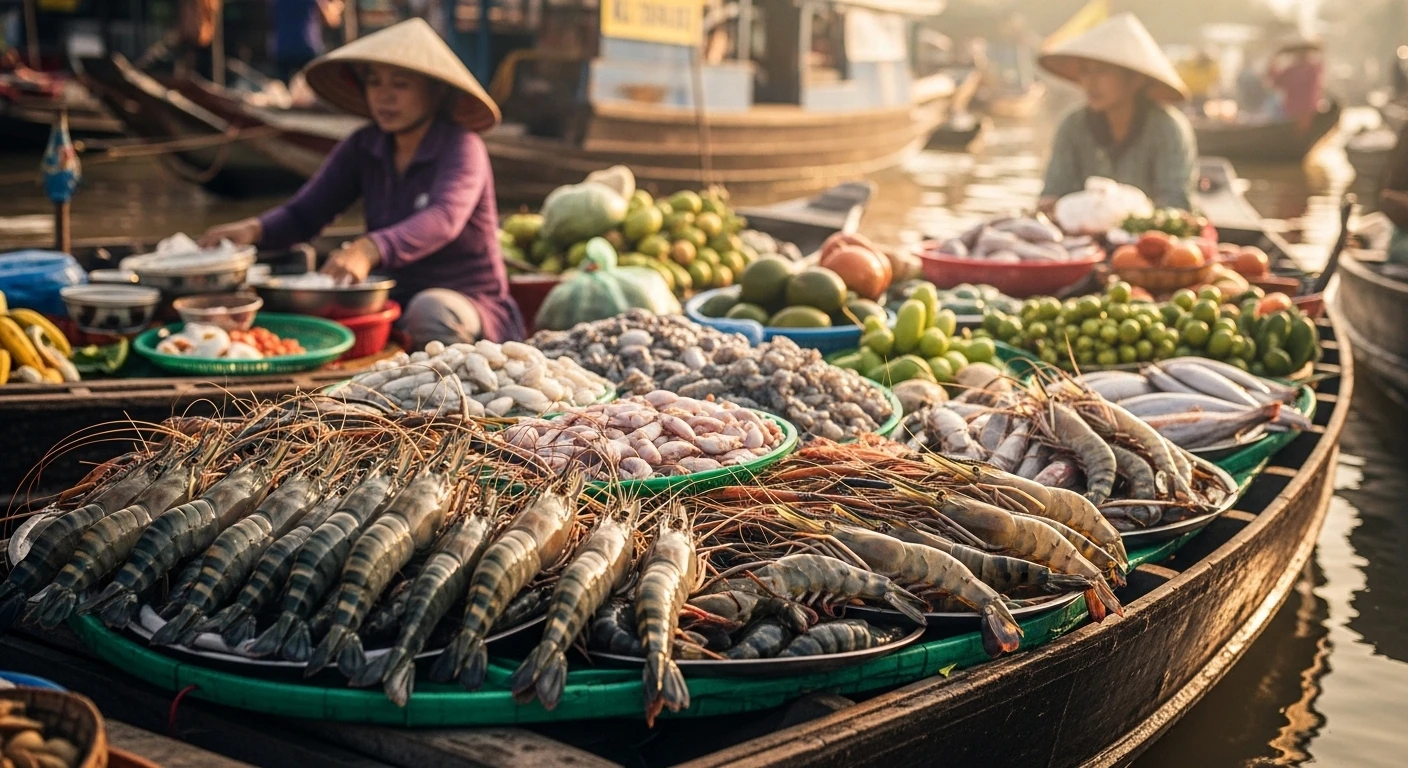
The Mekong Delta's approach to shrimp is deeply intertwined with its culture. Shrimp are not just food; they are a livelihood, a symbol of the region's bounty. They are found in bustling floating markets, humble family meals, and sophisticated urban restaurants. The emphasis is on freshness and flavor, often achieved through simple, elegant preparations that let the ingredient's terroir speak for itself.
3 The Taste Test: Flavor & Texture Decoded
So, how do these distinct culinary narratives translate to the palate? It's a tale of subtle differences and profound appreciation for what each region offers.
American Gulf Shrimp (Brown & White): These are generally characterized by a robust, clean, slightly sweet, and distinctly saline flavor. Their texture is firm and satisfying, with a pleasant chew. When cooked, they maintain their integrity well, making them ideal for dishes where the shrimp is a prominent component, like in boils or seafood pasta. The flavor is often described as "pure shrimp."
Ca Mau Black Tiger Shrimp: Here, you find a more pronounced sweetness, often with a subtle, earthy undertone derived from the mangrove environment. The texture is exceptionally firm and meaty, with a satisfying "snap" when bitten. This is shrimp that can stand up to bold cooking methods and sauces, yet its delicate sweetness is best appreciated when treated with respect.
Mekong Giant Freshwater Prawn: This is a different beast altogether. The meat is sweet and tender, but it's the rich, unctuous head fat that truly defines the experience. This fat is intensely flavorful, a concentrated essence of the prawn, perfect for enriching broths or being dipped into. The overall flavor is opulent and memorable.
Vietnamese Whiteleg Shrimp: These are milder, more tender, and highly adaptable. Their delicate sweetness is a perfect counterpoint to the vibrant, complex flavors of Vietnamese herbs and spices. They melt in your mouth, soaking up marinades and sauces beautifully.
The American shrimp experience often leans towards showcasing the shrimp’s inherent, clean flavor in its purest form, often through straightforward preparations like grilling, steaming, or as a star in a hearty stew. Vietnamese cuisine, by contrast, excels at integrating shrimp into a symphony of flavors, using its texture and sweetness to complement herbs, spices, and broths.
4 Cultivation & Culture: The Difference in Approach
The most striking divergence lies in the approach to cultivation and the resulting cultural integration. In the U.S. Gulf, the focus is often on wild-caught shrimp, managed under strict regulations to ensure sustainability. The culture surrounding shrimp is one of artisanal fishing, family legacies on the water, and community pride in local harvests. The idea of "freshly caught" holds immense value, and traceability is often linked to the fishing vessel and captain.
In the Mekong Delta, shrimp farming, particularly integrated systems like mangrove aquaculture or rice-shrimp rotation, is a way of life deeply woven into the agrarian landscape. It's about maximizing the use of natural resources, adapting to the ebb and flow of the tides, and leveraging the rich biodiversity of the region. The culture here is one of adaptation, resourcefulness, and a profound connection to the land and water. The journey from mangrove pond to plate is often shorter, with an emphasis on preserving the delicate flavors that have been nurtured by the unique Delta environment.
Vietnamese cuisine often treats shrimp not just as a main ingredient but as a vital element in a balanced meal. Think of the fresh spring rolls (gỏi cuốn) where translucent shrimp play a supporting role to rice noodles and herbs, or the ubiquitous noodle soups (phở, bún riêu) where they add sweetness and depth. This integration into everyday culinary practices highlights a different kind of cultural value compared to the more centerpiece role shrimp often plays in American dishes.
The perception of "premium" can also differ. While Americans might associate it with size and wild-caught status, in Vietnam, it’s often about the freshness, the specific terroir of Ca Mau, and the careful cultivation methods that enhance natural sweetness and texture.
5 The Social Dining Experience: Boils vs. Banh Xeo
Both cultures celebrate shrimp through communal dining, but the ritual and flavor profiles diverge significantly. The American shrimp boil is a vibrant, often boisterous, outdoor affair. It’s about gathering around a communal table laden with newspaper, cracking shells, and savoring the bold, spicy flavors together. The focus is on abundance and hearty satisfaction.
In Vietnam, the social enjoyment of shrimp might be seen in the ritual of wrapping. Consider Banh Xeo, the crispy savory crepe. Diners are presented with a platter of fresh greens, herbs, and the golden banh xeo. They tear off pieces, wrap them in lettuce and herbs, dip them in a flavorful nuoc cham (fish sauce-based dipping sauce), and then savor the complex interplay of textures and tastes – the crunch of the crepe, the chewiness of the shrimp, the crispness of the greens, the zing of the sauce. It's an interactive, delicate pleasure.
Another example is communal hot pots (lẩu), where fresh shrimp are added to bubbling broths alongside vegetables, noodles, and meats. It’s a more intimate, shared experience, focused on conversation and savoring each carefully prepared element. The shrimp, when added, are cooked quickly, preserving their tender sweetness.
While the American boil emphasizes the shrimp as the unifier of a hearty, spice-forward meal, Vietnamese traditions often use shrimp as a key component within a broader, more nuanced culinary mosaic, where fresh herbs, fermented sauces, and varied textures play equally vital roles.
6 Sustainability and the Future
Both the U.S. and Vietnam are grappling with the challenges of sustainable aquaculture and fishing. In the U.S., the emphasis is on managing wild stocks and ensuring responsible farming practices. Consumers are increasingly demanding transparency about where their shrimp comes from and how it was produced.
Vietnam, particularly the Mekong Delta, is at the forefront of developing more sustainable aquaculture models. Integrated mangrove farming is a prime example, where shrimp cultivation supports the health of vital mangrove ecosystems, which in turn protect coastlines and sequester carbon. Projects focusing on reducing chemical inputs and improving water quality are gaining traction. The Ca Mau Black Tiger Shrimp, often recognized for its association with these natural systems, represents a move towards a more environmentally conscious approach to shrimp production.
The future of shrimp on both continents will undoubtedly be shaped by a greater focus on provenance, environmental impact, and the continued pursuit of exceptional flavor. The lessons learned from the Mekong's ancient symbiotic relationships with its aquatic life offer valuable insights for global aquaculture.
7 Why Visit Vietnam for Shrimp?
If you’re a shrimp lover, the Mekong Delta is a pilgrimage. It’s a chance to taste shrimp in its purest, most diverse forms, grown in environments that are as rich in history as they are in flavor.
Imagine cruising through the emerald waterways, visiting shrimp farms nestled within mangrove forests, and sampling freshly grilled giant freshwater prawns straight from the source. Experience the vibrant chaos of a floating market, where plump Ca Mau Black Tiger Shrimp are sold directly from boats. Taste the subtle sweetness of whiteleg shrimp in an authentic bowl of Bún Tôm (shrimp noodle soup) prepared by locals.
Beyond the plate, it's about experiencing the culture that cradles this incredible ingredient. It's about understanding the daily lives of the farmers, the traditions passed down through generations, and the sheer joy that fresh, flavorful shrimp brings to the Vietnamese table. It’s an opportunity to connect with the origins of your food in a way that few other places can offer.
8 A Tale of Two Worlds, One Shared Passion
The shrimp traditions of the United States, particularly the Gulf Coast and Southern states, are deeply ingrained, celebrating bold flavors, communal gatherings, and the robust quality of wild-caught seafood. They are a testament to a rich culinary history and a deep respect for the ocean’s bounty.
Vietnam, with the Mekong Delta as its vibrant epicenter, offers a parallel yet distinct narrative. Here, shrimp cultivation is an art form, harmoniously integrated with nature, yielding varieties like the sublime Black Tiger Shrimp and the majestic Giant Freshwater Prawn. The cultural emphasis is on freshness, subtle sweetness, and the harmonious blend of ingredients, showcasing a profound connection to the riverine landscape.
Whether you’re savoring a spicy Southern shrimp boil or indulging in the delicate sweetness of Ca Mau Black Tiger Shrimp, you’re experiencing a chapter in a global story of human connection to the sea and rivers. Both worlds offer unparalleled delights, but for the intrepid traveler and the discerning palate seeking a deeper understanding of shrimp’s soul, the intricate waterways and vibrant flavors of the Mekong Delta await.