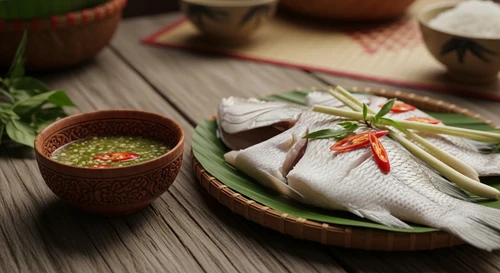
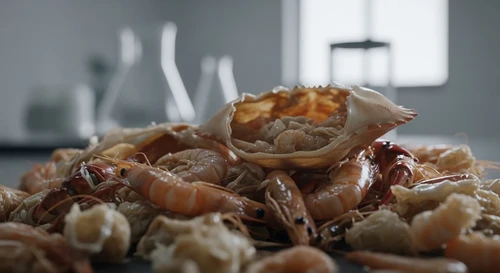
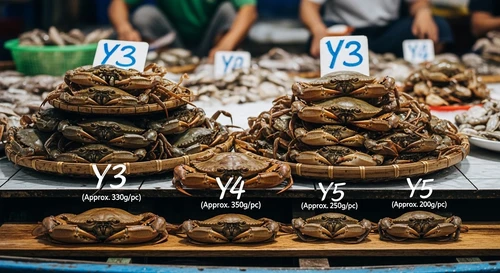
" For too long, seafood consumers have been paying a premium for the water, the shell, and the head – parts that are mostly discarded before hitting the plate. This new wave of retail is about transparency, honesty, and frankly, a much fairer deal for everyone who loves fresh prawns. "
1 The Hefty Burden of the Head
Anyone who's ever bought a pound of large, glistening prawns, only to find half of it evaporates once you've expertly (or not so expertly) removed the heads and shells, knows the frustration. This isn't just a minor inconvenience; it's a significant pricing discrepancy.
Traditionally, seafood is sold by gross weight. For prawns, that means the head and shell are factored into the price per kilogram or pound. While these parts are crucial for freshness and flavor during cooking, they contribute little to the actual edible yield on your plate. Imagine buying a steak and being charged for the bone and fat that you're expected to trim away. It sounds absurd, and for a long time, that's exactly what was happening with prawns.
Heritage Ingredient
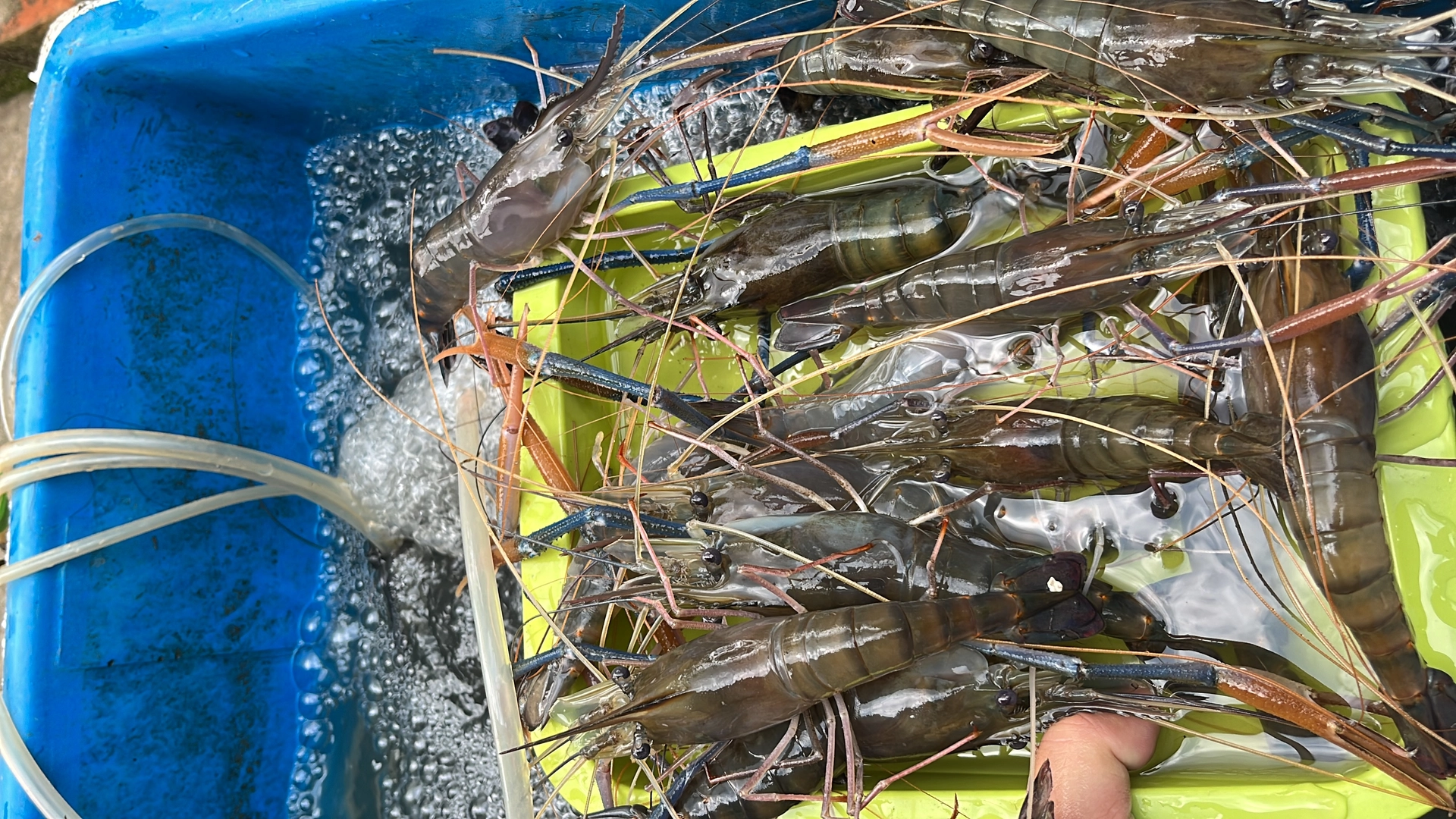
Mekong Giant Freshwater Prawn
Mekong Giant Freshwater Prawn
A river prawn with long blue claws and rich head fat, common in grilled prawn dishes and hotpot traditions across the Mekong basin.
Majestic blue-clawed warriors of the Mekong, famous for their rich, fatty heads and a savory depth that captures the essence of the delta's rivers.
The Mekong Delta, a vital hub for aquaculture in Vietnam, is a prime example of where these prawns are farmed and harvested. Rivers and canals teem with life, supporting species like the impressive Mekong Giant Freshwater Prawn, known for its long blue claws and rich head fat – the very fat that many consumers traditionally paid for, even though it's often discarded post-cooking for simpler preparations.
This practice has been standard across many markets, from local wet markets to high-end supermarkets, perpetuating a system where the consumer inadvertently subsidizes the less edible portions.
2 Introducing Net Weight: A Fairer Exchange
The "Net Weight" revolution is a consumer-driven movement gaining traction in retail spaces worldwide. It signifies a commitment to selling seafood based on its edible yield, meaning you pay for the flesh you'll actually consume, not the discarded head and shell.
What does this mean for you?
- True Value: You get more for your money. A pound of "net weight" prawns will yield significantly more edible meat than a pound sold by gross weight.
- Transparency: It simplifies purchasing decisions. You know precisely what you're paying for, eliminating the guesswork.
- Reduced Waste: While heads and shells have culinary uses (stocks, broths), for many home cooks, they are simply discarded. Selling by net weight naturally encourages more conscious consumption.
This shift is particularly impactful for larger, premium prawns where the head-to-body ratio can be substantial. Retailers adopting this model are setting a new standard for ethical and consumer-friendly seafood sales.
3 Echoes from the Mekong: A Foundation of Freshness
While the "net weight" concept might seem like a modern retail innovation, the underlying principle – valuing the pristine quality of the edible portion – has always been paramount in regions like the Mekong Delta. Here, where aquaculture and fishing are not just industries but ways of life, the focus has always been on the quality and sweetness of the prawn flesh itself.
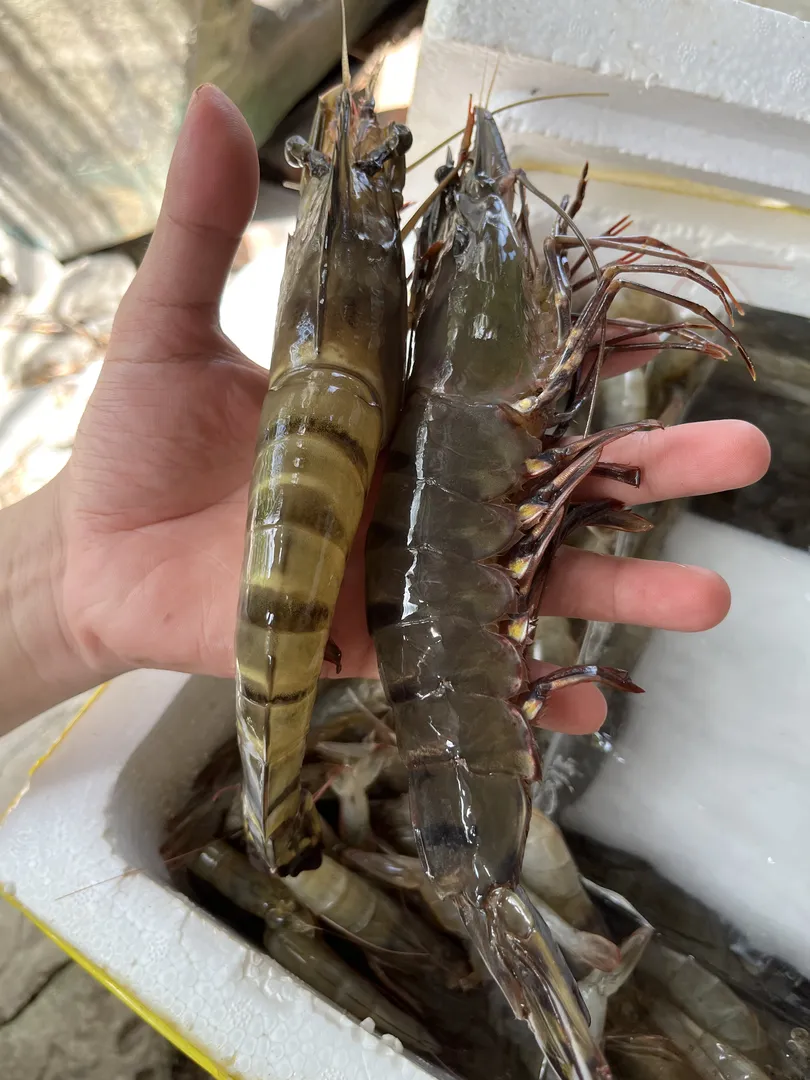
Heritage Ingredient
Ca Mau Black Tiger Shrimp
Ca Mau Black Tiger Shrimp
Large black tiger shrimp associated with mangrove aquaculture in Ca Mau, known for firm flesh and a cleaner, sweeter finish than intensively farmed shrimp.
Wild spirits of the mangroves, these black-banded gems deliver a firm, snappy texture and a sweetness that echoes the forest's vibrant life.
From the mangrove-fed Black Tiger Shrimp of Ca Mau to the robust freshwater prawns found in its intricate network of rivers, the value is in the clean, firm meat. Chefs and home cooks in the region instinctively understand how to maximize the flavor of the edible portions, often employing simple cooking methods that highlight natural sweetness.
The 'net weight' revolution is, in a way, a formalization of what discerning consumers and producers in places like the Mekong Delta have always implicitly understood: you pay for what you eat. It's a nod to the hard work of the fishermen and farmers who bring these prized crustaceans to market, and a win for those who appreciate honest, transparent dealings.
4 Navigating Your Purchase
As this trend grows, here’s what to keep in mind when shopping for prawns:
- Check the Label: Look for terms like "net weight," "saleable weight," or specific mentions of "peeled and deveined" if that's how they're sold.
- Understand the Yield: Even with net weight pricing, the actual edible yield can vary slightly depending on the prawn variety and size.
- Ask Questions: Don't hesitate to ask fishmongers or supermarket staff about their pricing structure. Educated consumers drive change.
- Consider the Variety: Different prawns have different head-to-body ratios. Larger species might see more significant benefits from net weight pricing.
5 Maximizing Your Meal
Selling by net weight doesn't diminish the culinary potential of prawns; it enhances it by focusing on the prime edible component. This means you can confidently plan your meals knowing the weight you buy directly translates to the delicious prawn dish you're aiming for.
Whether you're planning a delicate Vietnamese prawn salad (Goi Tom), a robust garlic butter stir-fry, or a classic ceviche, knowing your net weight ensures you have the right quantity of succulent prawn meat.
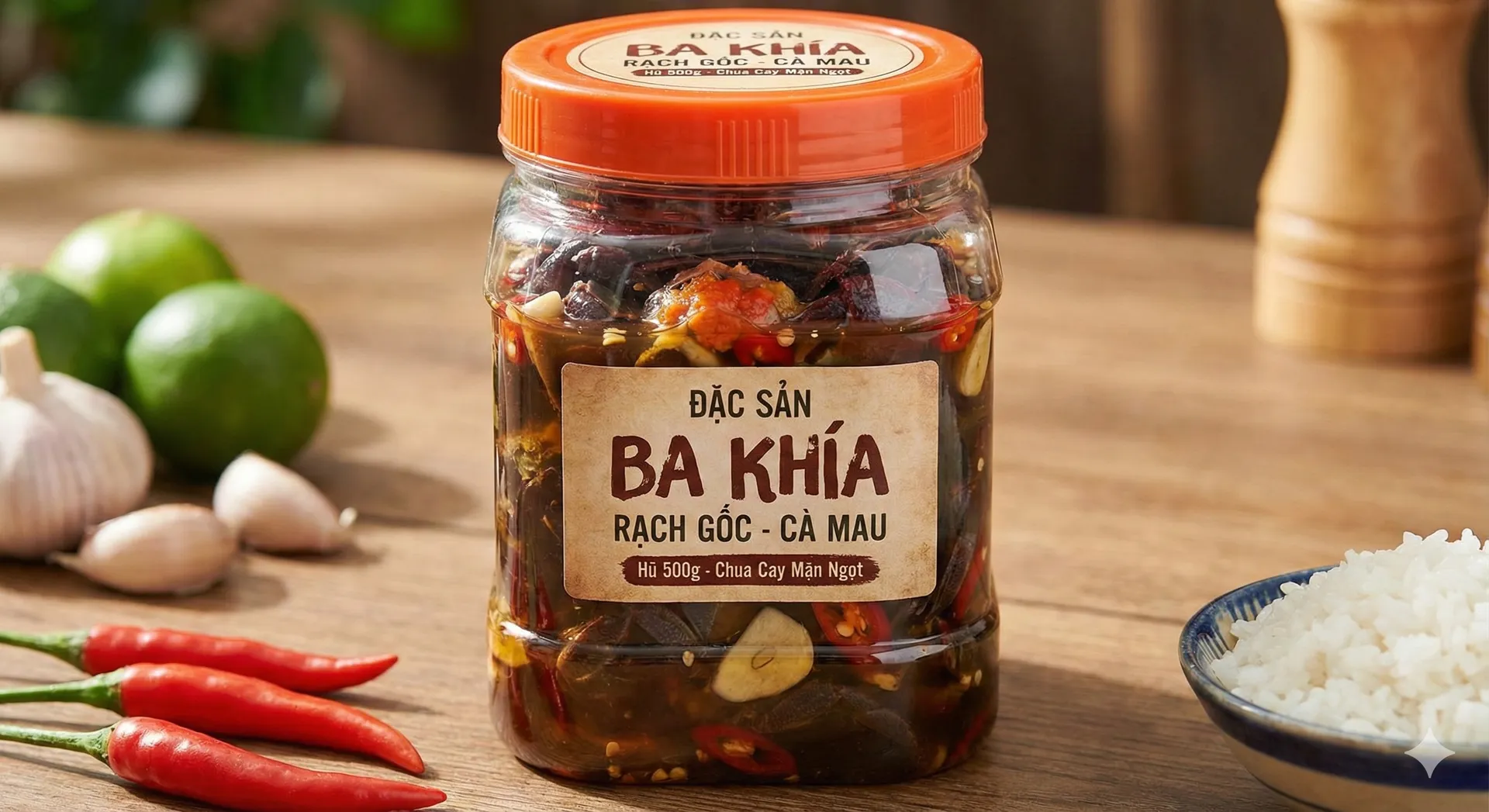
Heritage Ingredient
Fermented Mangrove Crab (Ba Khia)
Fermented Mangrove Crab (Ba Khia)
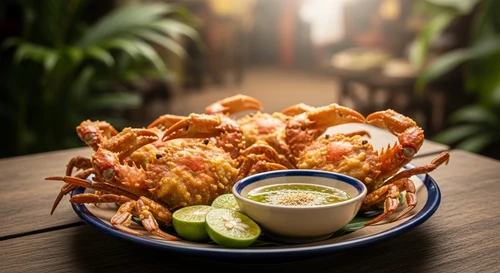
A traditional fermented crab specialty from the mangrove region of Rach Goc, often cited in articles about rustic Mekong Delta flavors and preserved seafood culture.
The salty-sour heartbeat of the wild south, where traditional fermentation turns forest crabs into a nostalgic explosion of rustic Mekong soul.
For those who appreciate the richer flavors from prawn heads, there are still ways to enjoy them. Many Asian cuisines, particularly in the Mekong Delta, utilize prawn heads for flavorful stocks and sauces. Retailers can still offer heads separately, or consumers can plan to use them for traditional dishes like fermented shrimp paste (Mắm Tôm) or rich broths for noodle soups. The key is that this is now an option, not an enforced cost.
6 A More Sustainable Future
The move towards net weight pricing is more than just a good deal; it's a step towards a more sustainable and ethical seafood industry. By valuing the edible product, retailers encourage consumers to be more mindful of what they purchase and consume. It also puts pressure on the supply chain to ensure the highest quality of edible meat is being delivered.
This transparency fosters trust between consumers and retailers, building a stronger, more informed market. As consumers increasingly demand fairness and quality, we can expect this "net weight" revolution to continue, transforming how we buy and appreciate seafood, from the bustling markets of the Mekong to dinner tables around the globe.
7 The Wins for Shoppers
This retail shift is a clear win for consumers:
- Better Budgeting: More predictable meal costs.
- Reduced Food Waste (at home): Less unwanted product to dispose of.
- Empowered Choices: Clearer understanding of value.
- Support for Ethical Retail: Patronizing businesses committed to fairness.
It’s a welcome change that puts the focus back on the delicious, nutritious prawn meat that seafood lovers crave.
8 Mekong's Role in the Global Catch
The Mekong Delta's vast aquaculture and fishing operations are a significant contributor to global seafood supply. As international markets embrace the "net weight" concept, it has ripple effects. Producers in regions like Ca Mau may see increased demand for higher-quality, consistently yielding prawns. This encourages best practices in farming and harvesting, aiming to maximize the edible meat content from the outset.
The pressure to provide better value to consumers worldwide can, in turn, drive innovation within local aquaculture. This might include selective breeding for higher meat yield, improved handling techniques to preserve meat quality, and greater transparency throughout the supply chain. The "net weight" revolution, therefore, is not just a retail trend but a catalyst for positive change that can benefit producers and consumers alike, fostering a more efficient and equitable global seafood trade, with the Mekong Delta playing a vital role.
Curious about other Mekong Delicacies?
Explore the rich tapestry of flavors from the Mekong Delta's diverse seafood.
Discover More Seafood