1 The Shifting Sands: Why Consumers Care More
For generations, the primary concerns for seafood consumers were taste, price, and availability. But the world is waking up. A seismic shift is underway, driven by a generation that has grown up with the tangible realities of climate change and environmental degradation. This isn't just a trend; it's a fundamental recalibration of values, and it's impacting every corner of the global marketplace, from a bustling New York fish market to the quiet waterways of the Mekong Delta.
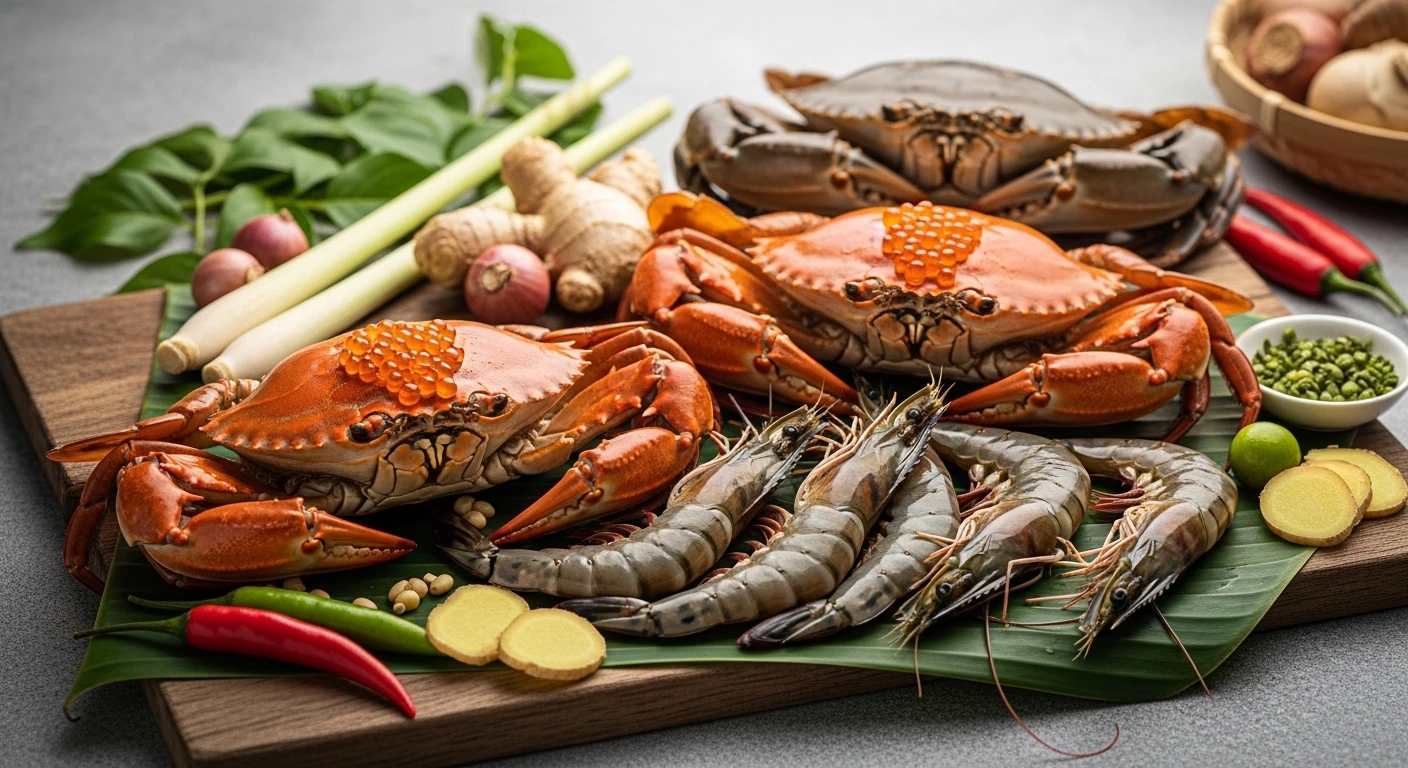
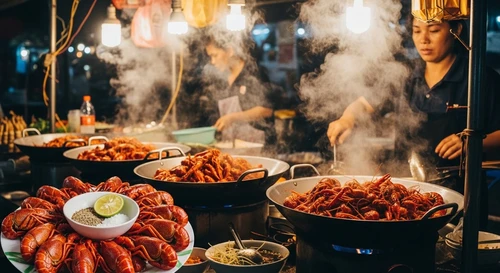
📸 The visual appeal of fresh, responsibly sourced seafood is a powerful draw.
Enter Gen Z and young Millennials. Armed with unprecedented access to information via social media and a deep-seated concern for the planet's future, these demographics are demanding more than just a meal. They seek a connection to their food, a guarantee that it was harvested ethically, sustainably, and with minimal impact on fragile ecosystems. This translates directly into a demand for transparency in the supply chain. Where did this fish come from? How was it caught? What are the ecological footprints of its journey? These are no longer niche questions but mainstream inquiries.
The seafood industry, often perceived as opaque and complex, is being challenged to adapt. Companies that can provide clear, verifiable information about their sourcing practices will not only gain trust but will increasingly capture market share. This means investing in traceability technologies, supporting sustainable aquaculture and fishing methods, and building narratives around the origins of their products that resonate with the values of the modern consumer.
2 The Mekong Delta: A Living Laboratory of Sustainable Seafood
Nowhere is this evolving relationship between consumer, producer, and planet more acutely felt than in regions like Vietnam's Mekong Delta. This sprawling network of rivers, canals, and mangrove forests is one of the world's most vital aquatic ecosystems and a critical source of seafood for both domestic consumption and global export. Here, traditional livelihoods are deeply intertwined with the health of the waterways.
Heritage Ingredient
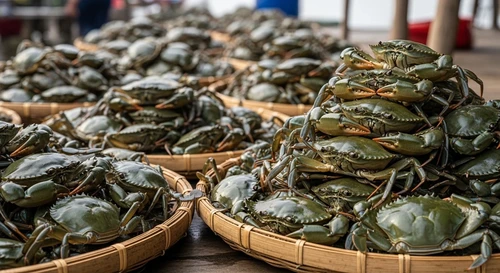
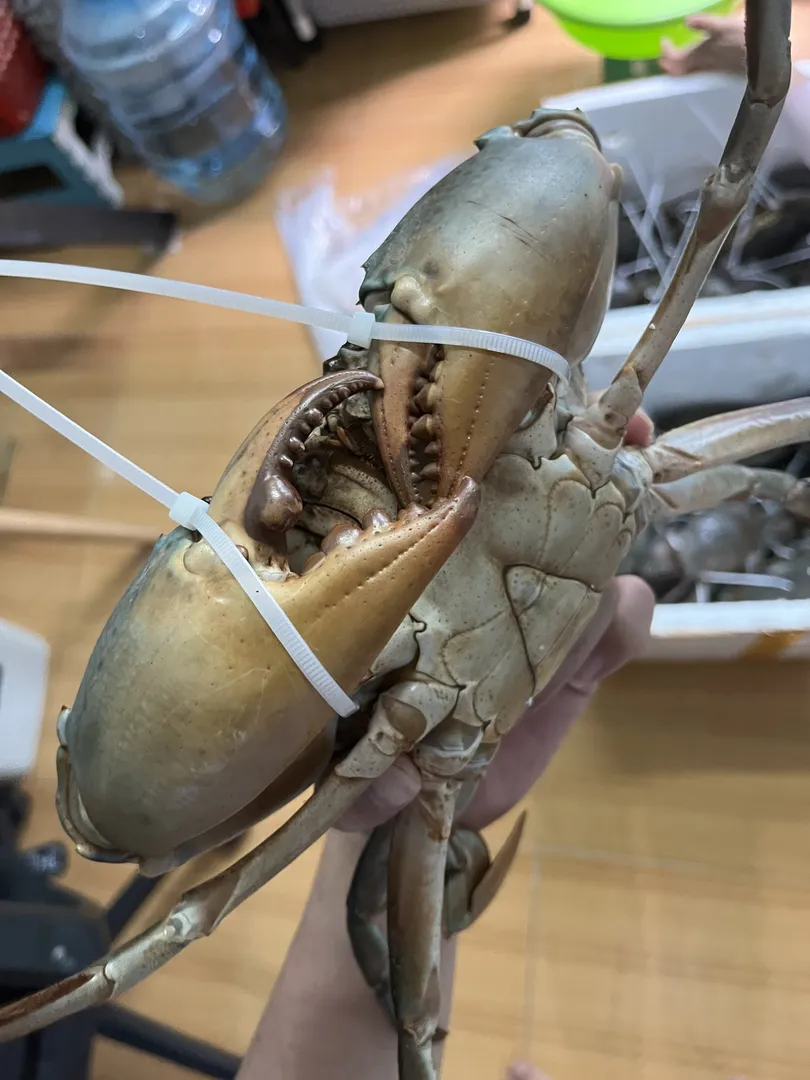
Ca Mau Jumbo Mud Crab
Ca Mau Jumbo Mud Crab
A large male mud crab prized for dense, sweet meat and thick claws, commonly used in steamed crab and grilled crab dishes across the Mekong Delta.
An icon of coastal culinary heritage, featuring firm, sweet meat that captures the raw power and freshness of Ca Mau's tides.
Heritage Ingredient
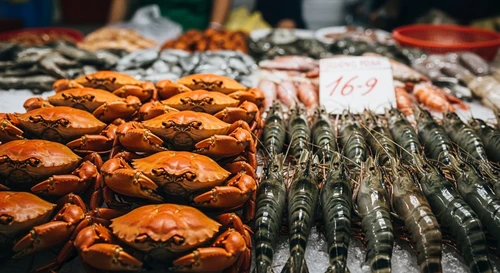
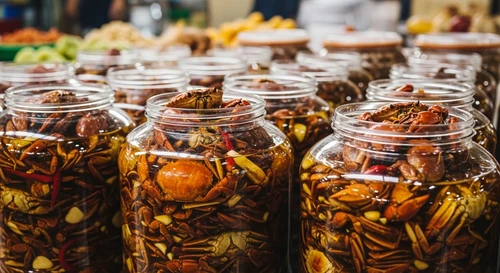
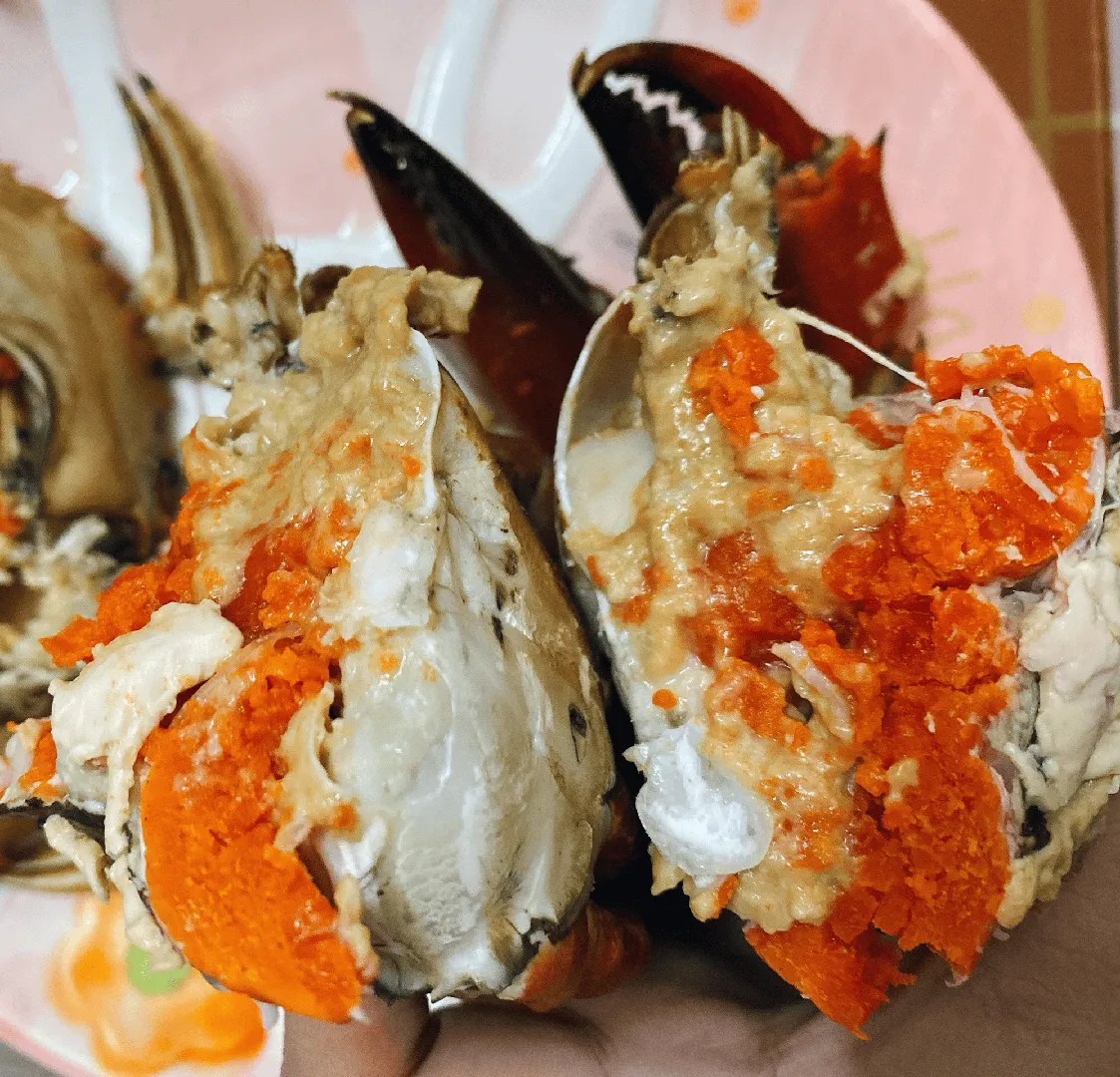
Ca Mau Roe Mud Crab
Ca Mau Roe Mud Crab
A female mud crab known for deep orange roe and a rich, creamy finish, often featured in celebratory Southern Vietnamese seafood meals.
A crimson treasure hidden within a shell, boasting rich, creamy roe that melts on your tongue like a golden sunset over the delta.
Heritage Ingredient
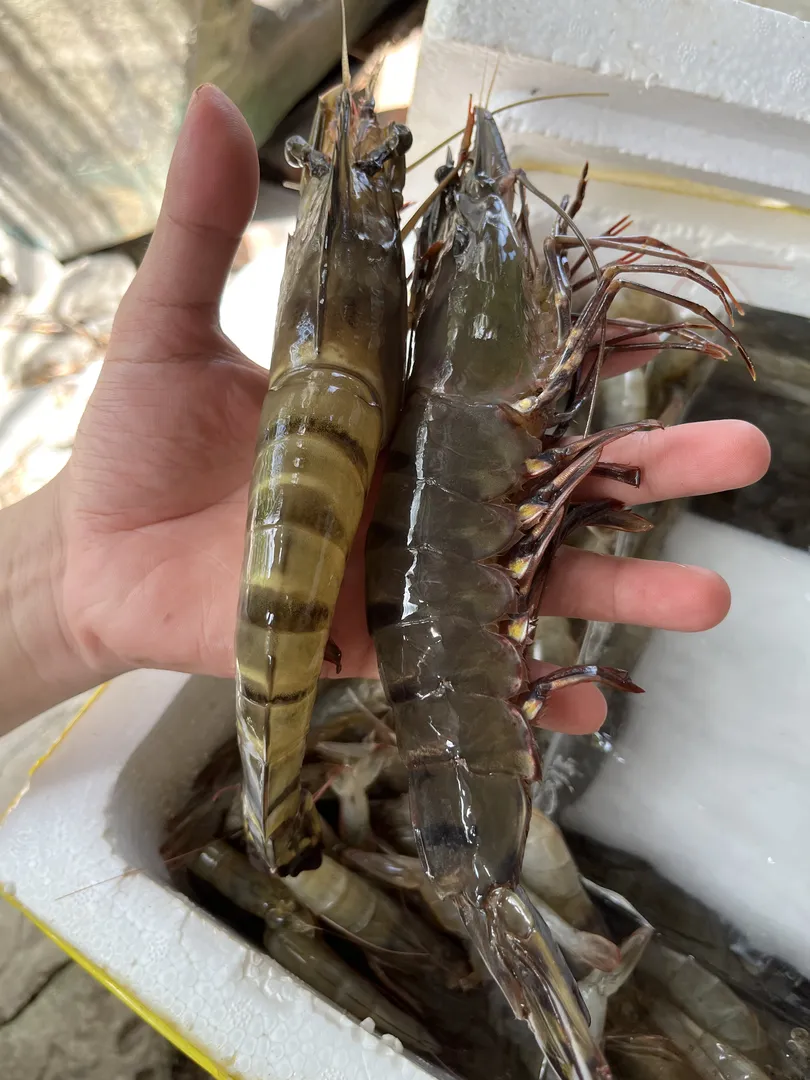
Ca Mau Black Tiger Shrimp
Ca Mau Black Tiger Shrimp
Large black tiger shrimp associated with mangrove aquaculture in Ca Mau, known for firm flesh and a cleaner, sweeter finish than intensively farmed shrimp.
Wild spirits of the mangroves, these black-banded gems deliver a firm, snappy texture and a sweetness that echoes the forest's vibrant life.
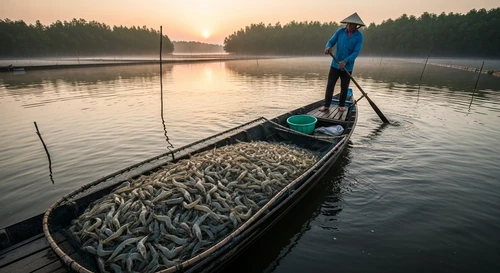
Communities here have long practiced a form of sustainable harvesting, born out of necessity and a profound respect for the environment that sustains them. The careful management of mangrove forests for shrimp and crab farming, the adherence to traditional fishing seasons, and the reliance on natural feeds all contribute to a resilient ecosystem. However, the pressures of global demand, climate change, and intensive farming practices are testing these traditional methods.
For consumers globally, understanding this context is crucial. When we talk about "traceable seafood," we are talking about ensuring that the practices in places like Ca Mau, known for its magnificent mud crabs, meet the highest standards. It's about supporting the local communities who are the frontline stewards of these precious aquatic resources. The transparency demanded by Gen Z is, in essence, a demand for justice and sustainability for these regions and their inhabitants.
3 The Ca Mau Crab: A Symbol of Transparent Sourcing
Consider the iconic mud crab from Ca Mau province. For decades, these robust crustaceans, prized for their dense, sweet meat and vibrant roe, have been a cornerstone of Vietnamese cuisine and a significant export. But simply stating "Ca Mau Crab" is no longer enough. The modern consumer wants to know more.
What does "transparent sourcing" for Ca Mau crab entail? It means understanding the entire journey:
- Mangrove Ecosystem Health: Are the mangrove forests, vital nurseries for juvenile crabs, being preserved or degraded?
- Farming Practices: If farmed, is it extensive (low density, natural feed) or intensive (high density, artificial feed)? Extensive farming, often integrated with shrimp ponds, is generally more sustainable.
- Harvesting Methods: Are crabs caught using methods that minimize bycatch and damage to the habitat?
- Processing and Logistics: How are the crabs handled from capture to market? Are they kept alive and healthy? Is refrigeration efficient and energy-conscious?
- Social Impact: Are the fishermen and farmers receiving fair prices and working in safe conditions?
Brands and suppliers who can provide answers to these questions, backed by certifications or robust traceability systems, are positioned to thrive. This requires a commitment to not just the quality of the product, but the integrity of its journey. The "Why" behind the crab becomes as important as the "What."
4 The Forces Shaping Sustainable Seafood
Gen Z & Millennial Ethics
As discussed, environmentalism and social justice are core tenets for these demographics. They wield their purchasing power to support brands aligned with their values.
Regulatory Pressure
Governments worldwide are implementing stricter regulations on fishing quotas, aquaculture standards, and traceability requirements to combat overfishing and illegal practices.
Technological Advancements
Blockchain, IoT sensors, and AI are enabling more sophisticated tracking of seafood from ocean to plate, enhancing transparency and verifying sustainability claims.
Scientific Data & Awareness
Increased scientific research highlighting the impact of overfishing, habitat destruction, and climate change is raising public awareness and driving demand for informed choices.
Defining Sustainability in Seafood
The term "sustainable seafood" can be a minefield. In essence, it refers to seafood that is caught or farmed in ways that:
Ecological Balance
Ensures that fish populations are maintained at healthy levels and that marine ecosystems are protected from significant damage.
Environmental Responsibility
Minimizes pollution, waste, and the use of harmful chemicals or energy-intensive practices.
Social Equity
Supports fair labor practices, community well-being, and responsible resource management for future generations.
6 Navigating the Future: What Businesses & Consumers Must Do
The demand for sustainable and transparently sourced seafood is not a passing fad. It's the new normal. For businesses, this means:
- Investing in Traceability: Implementing systems that can track seafood from its origin to the consumer's plate.
- Supporting Sustainable Practices: Partnering with fishermen and aquaculture operations that adhere to ecological and ethical standards.
- Educating Consumers: Clearly communicating sourcing information and the importance of sustainability through labeling, websites, and marketing.
- Innovation: Exploring new technologies and methods to improve sustainability and reduce environmental impact.
For consumers, the power lies in informed choices:
- Ask Questions: Don't hesitate to inquire about the origin and sourcing of your seafood.
- Look for Certifications: Support reputable certification programs (e.g., MSC, ASC) that verify sustainability claims.
- Choose Wisely: Opt for seafood species that are not overfished and are farmed or caught using responsible methods.
- Be Wary of Vague Claims: "Premium" or "Fresh" doesn't automatically mean sustainable. Seek specifics.
7 Your Plate, Your Impact
The global seafood market in 2026 will be shaped by conscious consumers who understand that their choices have far-reaching consequences. From the intricate mangrove ecosystems of the Mekong Delta to the vast open oceans, every decision to purchase sustainably sourced seafood is a vote for healthier oceans, more resilient coastal communities, and a more secure food future for all. The story behind your seafood matters, and it's a story worth telling and understanding.
8 The Horizon: Innovations Shaping Seafood's Future
Beyond the current trends, the future of seafood sourcing promises even greater innovation. We're seeing advancements in:
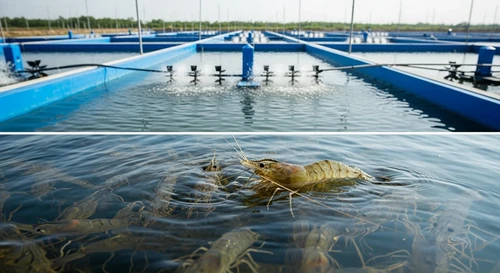
- Closed-Containment Aquaculture: Systems that control environmental factors and minimize escapees and disease transfer.
- Alternative Feeds: Research into insect-based or algae-based feeds to reduce reliance on wild-caught fishmeal.
- Precision Fishing: Technologies that allow for more targeted fishing, reducing bycatch and habitat disturbance.
- Data-Driven Management: Utilizing sophisticated data analytics to monitor fish stocks and ecosystem health in real-time.
These innovations, coupled with the growing consumer demand for transparency, will redefine what it means to source seafood responsibly, ensuring that the bounty of our oceans can be enjoyed for generations to come. The journey from the waters of the Mekong to the tables of the world is becoming a testament to conscious consumption.