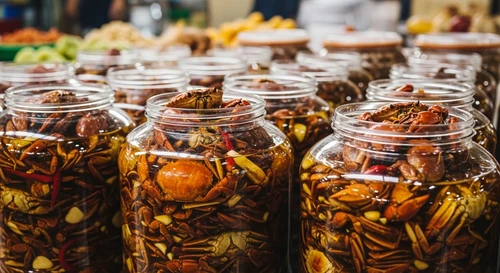
From the Delta's Embrace to Distant Tables
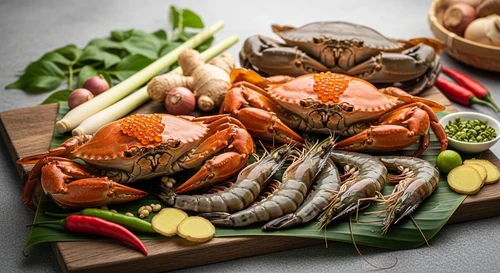
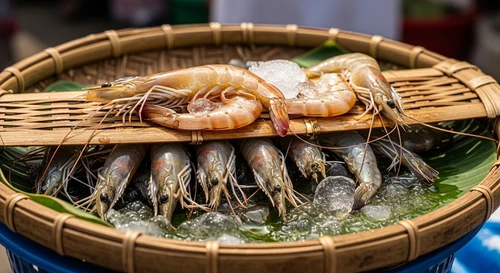
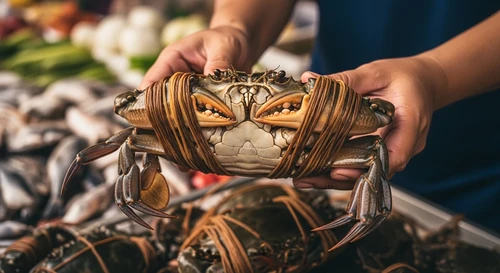
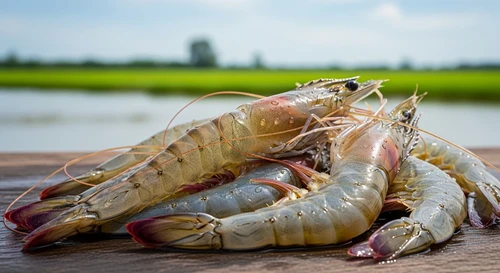
" The Mekong Delta, a sprawling network of rivers and rice paddies, is Vietnam's breadbasket and a vital source of the world's most prized seafood. Think plump Ca Mau mud crabs or succulent black tiger shrimp. Their journey is one of precision, requiring them to arrive alive and pristine. For decades, the ubiquitous polystyrene foam box has been the industry's go-to solution. It's cheap, lightweight, and offers decent insulation. But at what cost? "
🚫 The Styrofoam Shadow
Polystyrene, commonly known as Styrofoam, is an environmental pariah. Its production relies heavily on fossil fuels, and its lifespan in landfills is measured in centuries. Worse still, it breaks down into microplastics that contaminate our soil, waterways, and oceans, posing a significant threat to marine life and potentially human health. The seafood industry, inherently reliant on vast quantities of single-use packaging, faces a critical challenge in reducing its plastic footprint.
Imagine the sheer volume of these white boxes moving through the global supply chain daily. From the bustling ports of Ho Chi Minh City to the wholesale markets of North America, each one represents a piece of persistent waste. This is not just an abstract problem; it's a tangible burden on the ecosystems that provide us with these precious gifts from the sea.

📸 A stark reminder of the disposable culture.
💡 Rethinking the Vessel
The pressure is mounting for businesses to adopt more sustainable practices. For seafood exporters, this means finding viable alternatives that don't compromise the integrity of the product during transit. The ideal solution needs to be:
- Insulative: Maintain the required temperature for live or chilled seafood.
- Durable: Withstand the rigors of shipping, handling, and potential impacts.
- Lightweight: To minimize transport costs and carbon emissions.
- Biodegradable/Compostable: Break down naturally after use, reducing landfill waste.
- Cost-effective: A realistic economic proposition for widespread adoption.
- Food-safe: Made from materials that won't leach chemicals into the seafood.
This is where cutting-edge material science and environmental consciousness converge, driving a wave of innovation across the packaging industry.
🌱 The New Wave of Packaging
Several promising materials are stepping up to challenge polystyrene's reign. These alternatives, often derived from renewable resources, offer a compelling vision for the future of sustainable seafood logistics:

Mushroom-Based Packaging
Utilizing mycelium (the root structure of mushrooms) and agricultural waste, this material can be grown into custom shapes. It's fully compostable and offers excellent cushioning and insulation.

Sugarcane Bagasse
The fibrous residue left after sugarcane is crushed, bagasse is molded into sturdy containers. It's a byproduct of the sugar industry, making it a truly circular material. It's water-resistant and can be composted.

Molded Paper Pulp
Similar to egg cartons, this material uses recycled paper fibers pressed into shape. It's widely available, recyclable, and biodegradable. Advances are improving its insulation properties.
Other innovations include sea-based polymers and advanced bioplastics derived from corn starch or algae, each offering unique advantages.
🌊 Navigating the Delta's Waters
For regions like the Mekong Delta, where fishing and aquaculture are lifelines, transitioning to new packaging isn't just about adopting new materials; it's about adapting entire logistics chains. The infrastructure for collection and composting of these new biodegradable materials might not be readily available everywhere. Exporters must weigh the environmental benefits against the practicalities of implementation and cost.
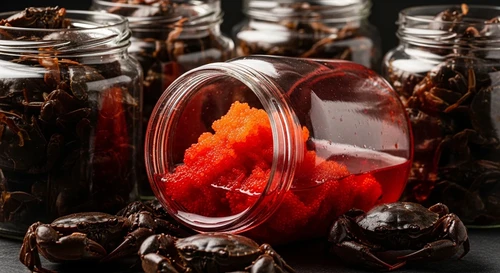
Consider the logistics of shipping live Ca Mau roe crabs. They require specific conditions to survive the journey. Newer packaging needs to prove it can maintain humidity and temperature just as effectively as Styrofoam. The initial investment in research, development, and potentially new machinery can be substantial for smaller fishing communities or cooperatives.

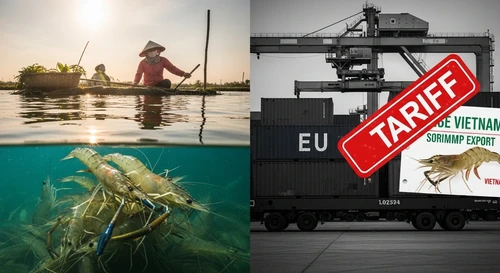
📸 The heart of Vietnam's seafood trade.
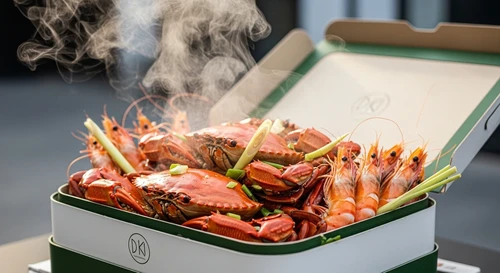
However, the long-term benefits – reduced environmental impact, enhanced brand reputation for sustainability, and potential cost savings in waste management – are significant motivators. Forward-thinking companies are already collaborating with packaging manufacturers to pilot these greener solutions. The aim is not just to replace Styrofoam but to redefine responsible seafood sourcing from end to end.
🚀 Beyond the Box: A Sustainable Future
The transition away from polystyrene is not an overnight switch. It requires a concerted effort from manufacturers, distributors, retailers, and consumers. Regulations are also playing a role, with many regions implementing bans or restrictions on single-use plastics, including Styrofoam.
For businesses in the Mekong Delta and beyond, embracing these innovations means staying competitive in a global market that increasingly values sustainability. It’s about investing in a future where the bounty of our oceans can be enjoyed without leaving a lasting scar on the planet. The journey of that Mekong giant freshwater prawn from river to plate can, and must, be made more eco-conscious.
As research continues and production scales up, these biodegradable alternatives are poised to become the new standard. The end of the ubiquitous white Styrofoam box might be closer than we think, signaling a more responsible era for how we transport the ocean's treasures.
Quick Recap: The Green Packaging Revolution
The Problem
Styrofoam's environmental persistence and pollution impact.
The Solution
Biodegradable alternatives like mycelium, bagasse, and paper pulp.
The Outlook
A necessary shift for sustainability, driven by innovation and regulation.