" The ocean provides bounty, but sometimes the market tries to cheat you out of its true value. We’re here to empower you with knowledge and direct lines of communication. "
1 The Silent Rip-Off: Seafood Scams
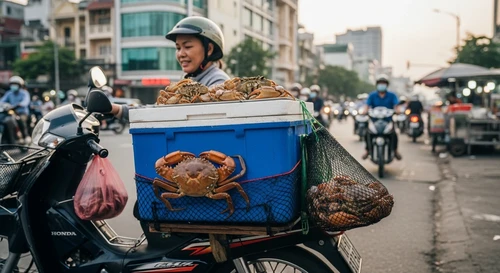
Imagine the joy of picking out plump, fresh Ca Mau Jumbo Mud Crabs, only to discover later that the scale was rigged, or the fish wasn't from the pristine waters of the Mekong Delta but a less desirable source. This isn't just a minor inconvenience; it's a betrayal of trust that undermines the entire culinary experience.
In bustling cities across Vietnam, from the heart of Ho Chi Minh City to the riverside markets of Can Tho, tourists and locals alike can fall victim to these deceptive practices. The most common culprits? Tampered weighing scales and misrepresentation of origin. These scams prey on a lack of local knowledge or the tourist's natural inclination to trust what they see.
This guide is born from a deep respect for the region's incredible seafood and a fierce desire to protect its integrity. The Mekong Delta, with its vast network of rivers and long coastline, is a treasure trove of aquatic delights, from the prized Ca Mau Black Tiger Shrimp to the unique Fermented Mangrove Crab (Ba Khia). To see this bounty tarnished by dishonesty is unacceptable.
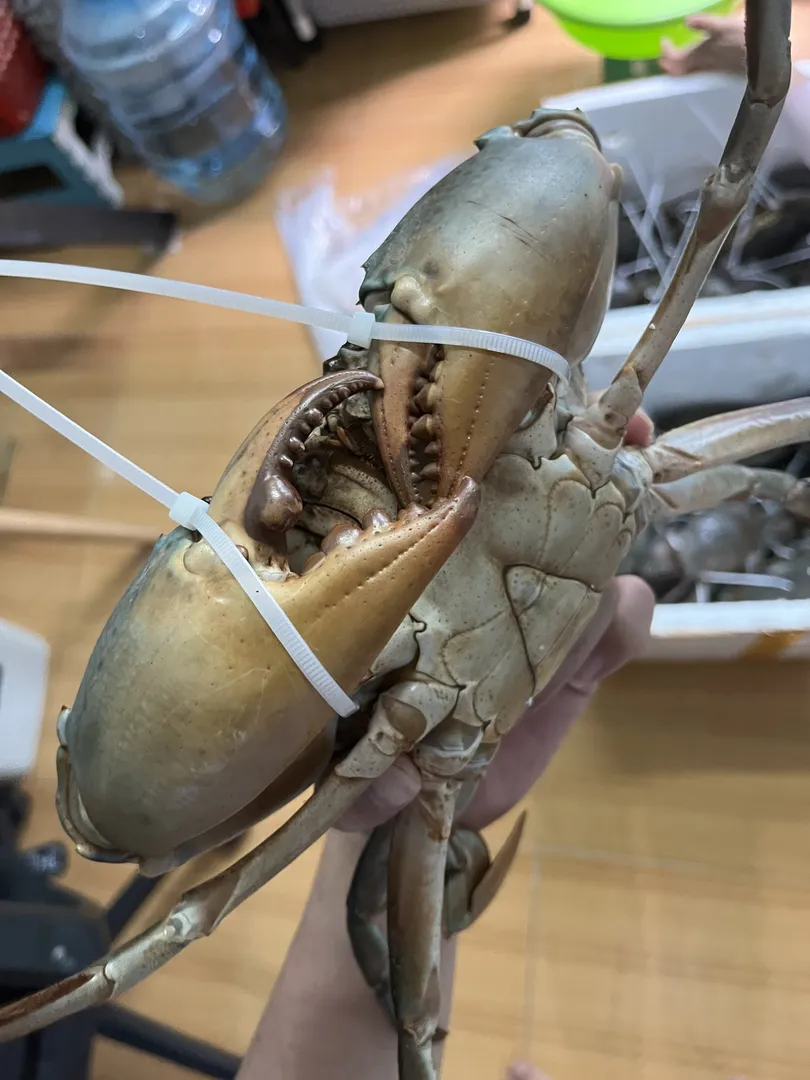
Heritage Ingredient
Ca Mau Jumbo Mud Crab
Ca Mau Jumbo Mud Crab
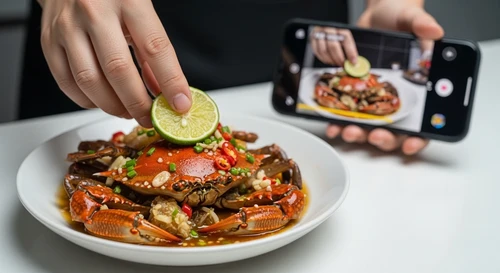
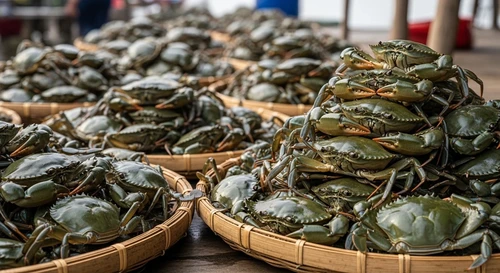
A large male mud crab prized for dense, sweet meat and thick claws, commonly used in steamed crab and grilled crab dishes across the Mekong Delta.
An icon of coastal culinary heritage, featuring firm, sweet meat that captures the raw power and freshness of Ca Mau's tides.
2 The Deception Playbook
Rigged Scales: The Weight of Deceit
This is the most prevalent scam. Scales might be subtly tilted, have a hidden mechanism, or the vendor might "accidentally" press a button that adds weight. They often use older, analog scales which are easier to tamper with. Always observe the scale when it's zeroed out, and if possible, watch if the weight changes when you aren't touching anything.
Fake Origins: The Shell Game
"Fresh from Ca Mau," "Caught this morning in Nha Trang," or "Wild-caught from the deep sea." While many vendors are honest, some will pass off lower-quality, farmed, or older seafood as premium catches from specific, reputable regions. This is harder to detect immediately but can lead to a less flavorful or less fresh product than you paid for.
The best defense is knowledge and awareness. The following hotlines are your allies.
3 Your Line of Defense: Market Management Authorities
In Vietnam, the responsibility for regulating markets and ensuring fair trade practices falls under the purview of the Market Management Department (Chi cục Quản lý thị trường), often referred to as the Market Management Authority. These agencies are empowered to investigate complaints and take action against fraudulent vendors.
While specific numbers can vary slightly by province and district, here are the general points of contact and essential numbers for major urban centers and key provinces known for their seafood markets. When in doubt, ask local authorities or your hotel concierge for the most current, localized number.
Ho Chi Minh City (Saigon)
- General Hotline/Consumer Protection: 1900 599 930 (This is a national consumer helpline that can direct you.)
- Ho Chi Minh City Market Management Department: Usually accessed via district-level offices. It's often best to start with the national consumer line or ask your hotel.
- Key Markets (e.g., Binh Tay, Ben Thanh): Specific market management offices exist, but reporting via the general hotlines is typically more effective.
Hanoi
- General Hotline/Consumer Protection: 1900 599 930
- Hanoi Market Management Department: Direct lines can vary, but starting with the national helpline is recommended.
Mekong Delta Key Provinces
- Can Tho City: General Market Management Office - Inquire locally or start with the national helpline.
- Ca Mau Province: Market Management Department - Focuses heavily on aquaculture and seafood. Look for provincial government listings.
A common provincial number might be similar to 0780 3830 100 (Confirm locally). - Soc Trang Province: Market Management Department.
- Kien Giang Province: Market Management Department.
Other Major Cities
- Da Nang: Market Management Department.
- Hai Phong: Market Management Department.
Tip: When calling, be ready to provide details: the exact location (market name, stall number if possible), the date and time, what happened, and any identifying features of the vendor. Having photos or videos can be extremely helpful if you can safely obtain them.
4 Making Your Complaint Count
When to Report:
- If you suspect the weighing scale is inaccurate.
- If the vendor misrepresents the origin or type of seafood.
- If you are sold something clearly spoiled or not as advertised.
What to Document:
- Location: Market name, specific stall if known.
- Time: Date and approximate time of incident.
- Details: What happened? (e.g., "Vendor placed crab on scale, needle read X kg, but the scale appeared to be tilted.")
- Description: Vendor's appearance, stall details.
- Evidence: Photos/videos of the scale, the seafood, the stall.
5 Protecting the Source: A Mekong Perspective
The Mekong Delta is more than just a geographical region; it's a way of life deeply intertwined with its aquatic resources. Generations have depended on the rivers and coastal waters for sustenance and livelihood. When fraud occurs in the city markets, it not only cheats the consumer but also indirectly devalues the hard work of the fishermen and aquaculture farmers from places like Ca Mau, who strive for quality and sustainability.
By reporting scams, you are not just protecting yourself; you are contributing to a more transparent and ethical seafood trade that benefits the entire ecosystem, from the riverbanks to the dinner table. The reputation of Mekong seafood is built on freshness and authenticity, and your diligence helps preserve that.
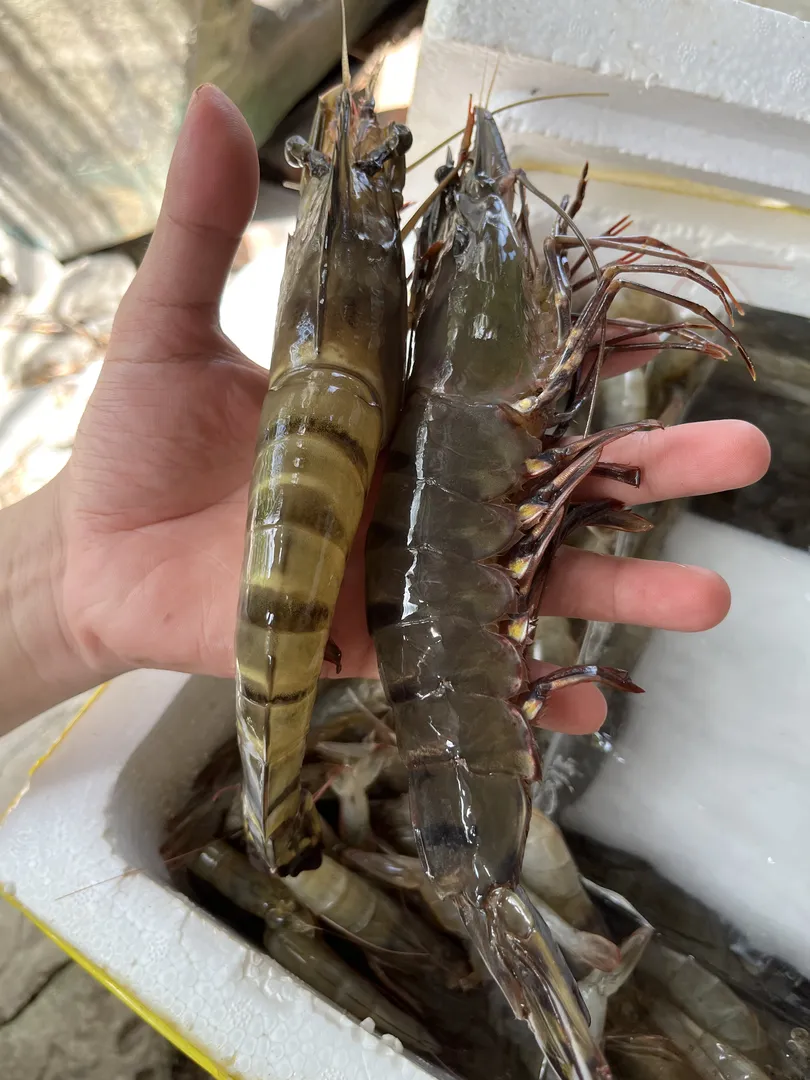
Heritage Ingredient
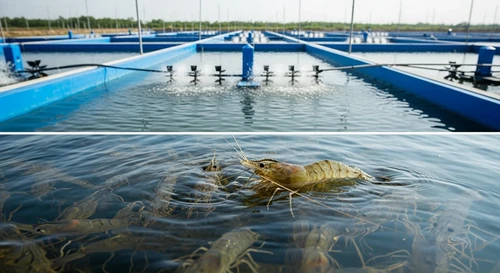
Ca Mau Black Tiger Shrimp
Ca Mau Black Tiger Shrimp
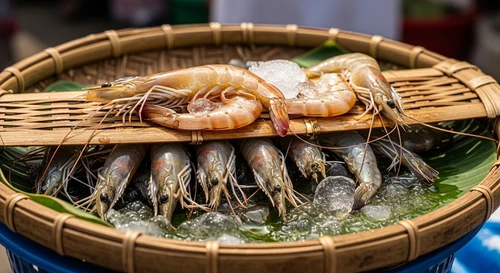
Large black tiger shrimp associated with mangrove aquaculture in Ca Mau, known for firm flesh and a cleaner, sweeter finish than intensively farmed shrimp.
Wild spirits of the mangroves, these black-banded gems deliver a firm, snappy texture and a sweetness that echoes the forest's vibrant life.
6 Your Rights as a Consumer
Vietnamese law, particularly through directives issued by the Ministry of Industry and Trade (which oversees the Market Management Department), aims to protect consumers from unfair trade practices. Reporting fraudulent activities is your right and a crucial step in enforcing these regulations.
While legal action might be complex for minor incidents, consistent reporting through the official channels helps authorities identify problem areas and vendors, leading to warnings, fines, or even license revocations for repeat offenders. This collective action builds a more trustworthy marketplace for everyone.
7 Navigating Smaller Markets
While major cities have dedicated Market Management Departments, smaller towns and rural areas within the Mekong Delta might have less formal structures. In these cases, trust your instincts. If a deal feels too good to be true, it probably is. Engage with vendors respectfully, and if possible, observe locals making their purchases to gauge fair pricing and quality. The spirit of the Mekong is generally one of generosity, so widespread scams are less common in very local, rural settings compared to tourist-heavy urban markets.
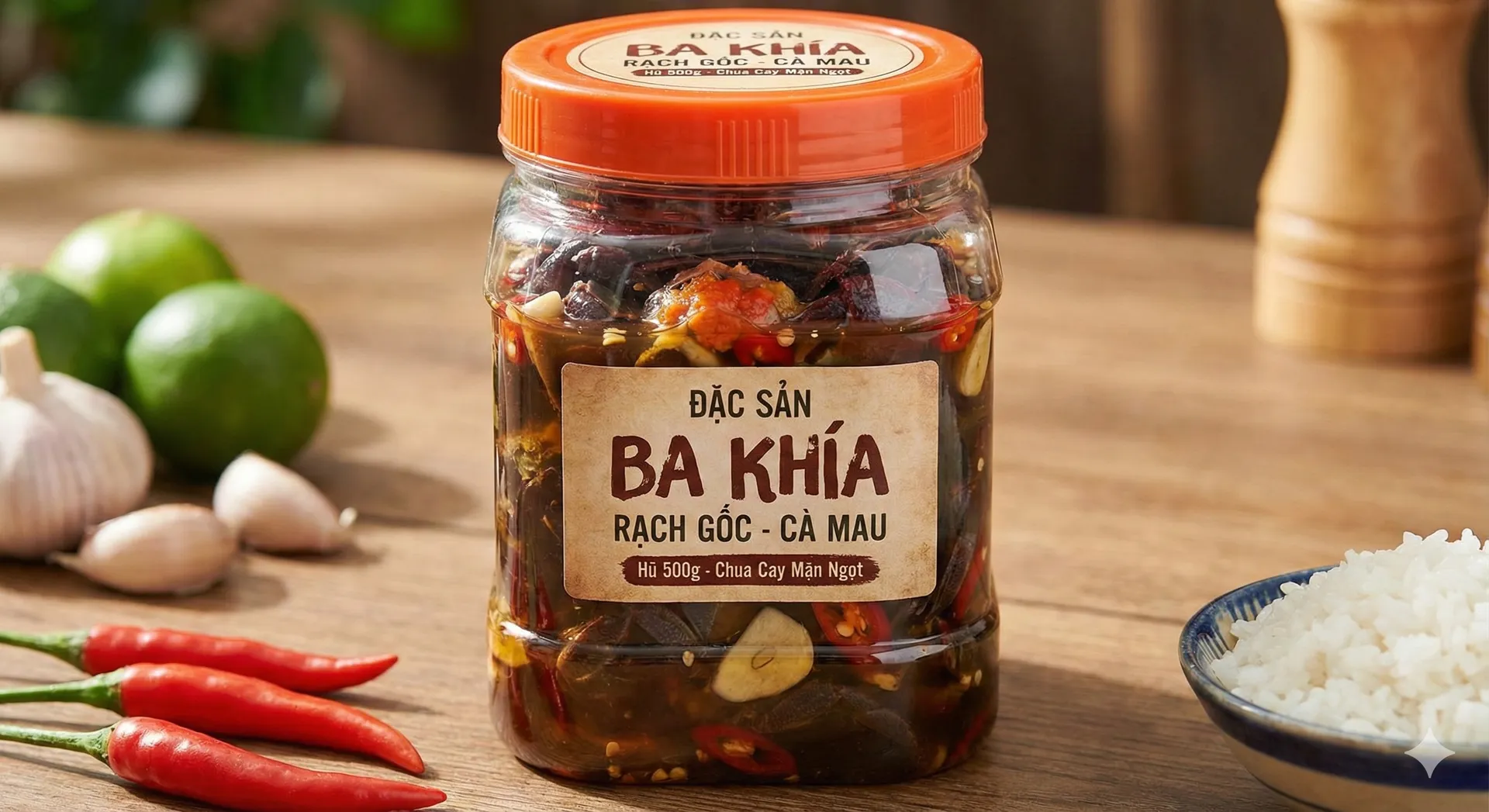
Heritage Ingredient
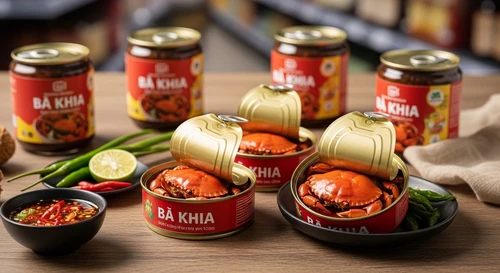
Fermented Mangrove Crab (Ba Khia)
Fermented Mangrove Crab (Ba Khia)
A traditional fermented crab specialty from the mangrove region of Rach Goc, often cited in articles about rustic Mekong Delta flavors and preserved seafood culture.
The salty-sour heartbeat of the wild south, where traditional fermentation turns forest crabs into a nostalgic explosion of rustic Mekong soul.
8 The Future of Fair Trade Seafood
The vast majority of vendors in Vietnam are honest, hardworking individuals proud of the food they sell. By being informed and using the resources available, you can help ensure that the exceptional quality of Vietnamese seafood, especially the prized catches from the Mekong Delta, is recognized and rewarded fairly. Your vigilance is a crucial part of maintaining the integrity of the culinary landscape.