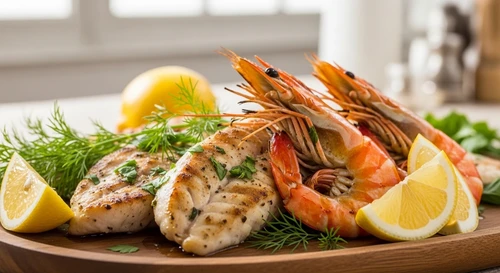
1 From the Mangroves: The Essence of Ba Khia
" Forget your fancy lobster thermidor. The real soul of Vietnamese coastal cuisine lies in the humble, briny depths of the mangrove crab – specifically, Ba Khia. This is not just seafood; it's a taste of the Mekong's lifeblood. "
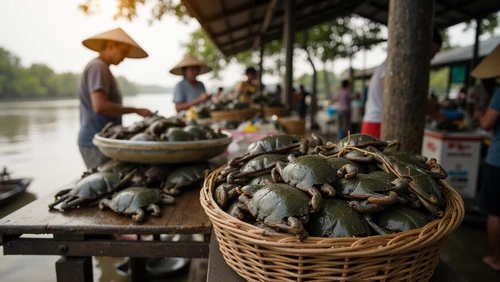
In the sprawling, water-laced tapestry of the Mekong Delta, where the rivers meet the sea, lies a treasure trove of unique ingredients. Among the most cherished is Ba Khia, a small, fierce mangrove crab that thrives in the brackish waters of coastal provinces like Ca Mau, Kien Giang, and Bac Lieu. Unlike the large mud crabs often seen in fine dining, Ba Khia are smaller, more numerous, and possess a distinct, intense flavor profile shaped by their environment – a potent blend of salinity, a hint of sweetness, and a subtle earthiness.
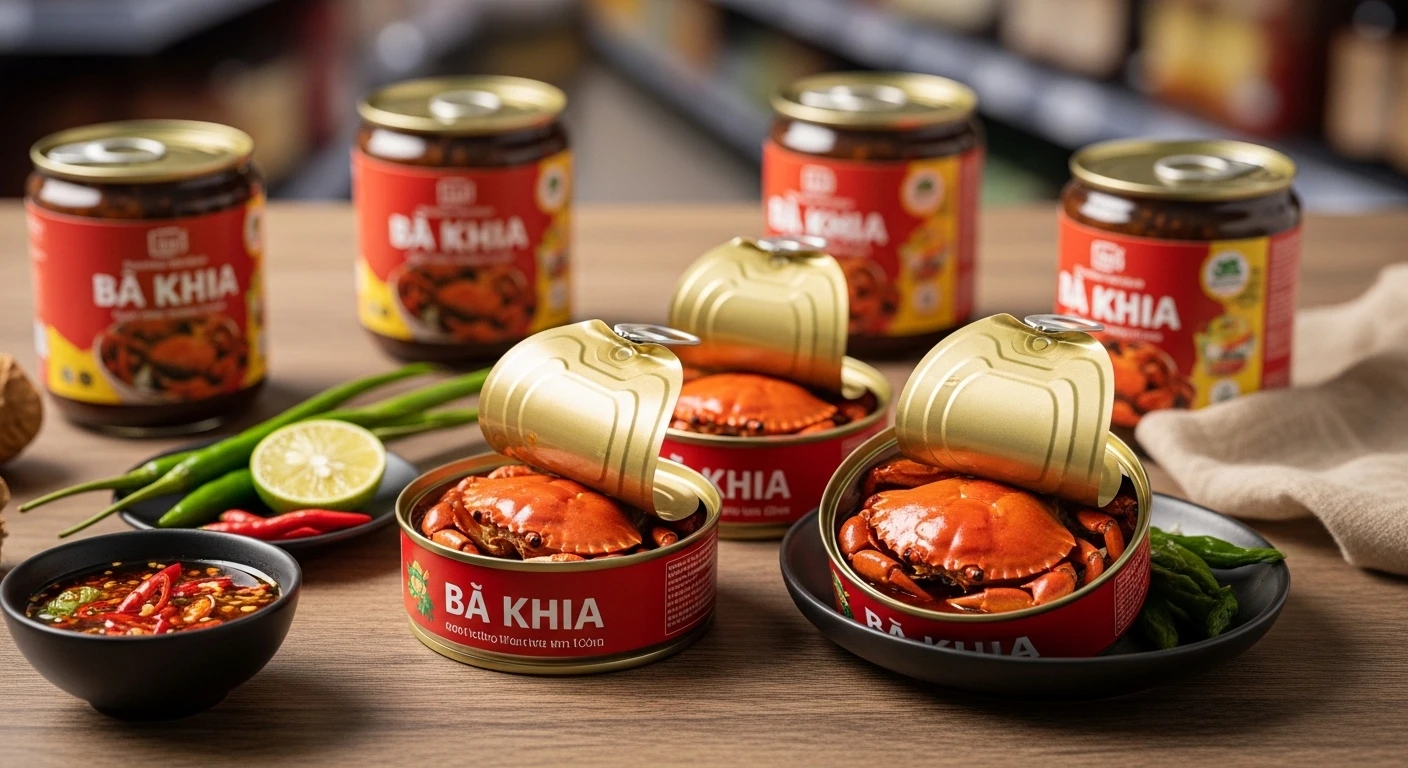
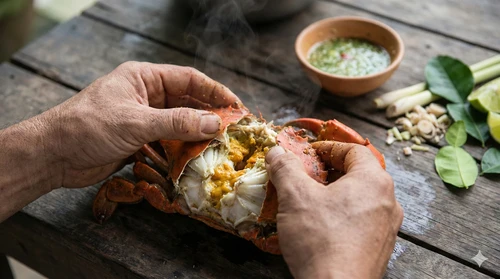
📸 The humble Ba Khia, a cornerstone of Mekong Delta flavor.
Traditionally, Ba Khia is prepared in a variety of ways, but its most iconic form is as a preserved delicacy. Fermented in brine with a potent mix of spices – often including garlic, chili, and sometimes a touch of sugar or fish sauce – Ba Khia transforms into a flavor bomb. The pasteurization process, which we'll delve into, captures this authentic, pungent essence.
For years, Ba Khia has been a beloved staple in Vietnamese households, a flavor synonymous with home, family gatherings, and the rustic charm of the South. But its journey was largely confined to local markets and diasporic communities seeking a taste of home. That's all changing.
2 From Mekong Mud to US Shelves: The Export Gauntlet
Exporting food products across international borders is a labyrinth of regulations, quality controls, and consumer safety standards. For a product as intensely flavored and traditionally processed as Ba Khia, this challenge is amplified. The primary hurdle? Ensuring that the product is safe, stable, and palatable for consumers in markets like the United States and Australia, which have some of the most stringent food import regulations in the world.
The FDA's Watchful Eye
The U.S. Food and Drug Administration (FDA) is notoriously strict. Any food product entering the U.S. must meet rigorous safety standards, covering everything from pathogen control to labeling accuracy. For canned goods, a key concern is ensuring the product is properly pasteurized to eliminate harmful bacteria like Clostridium botulinum, which causes botulism.
Australian Standards
Australia's food safety system, overseen by Food Standards Australia New Zealand (FSANZ), is equally demanding. Importers must demonstrate that their products comply with strict hygiene, traceability, and compositional requirements. This often involves extensive testing and certification.
Vietnamese producers have invested heavily in modernizing their processing techniques to meet these demands. The key innovation for Ba Khia has been the adoption of advanced pasteurization technologies. Unlike traditional, long fermentation which can be unpredictable, modern pasteurization ensures a consistent level of microbial inactivation while preserving the product's unique flavor and texture. This process effectively 'locks in' the salty, spicy, and umami notes that Vietnamese consumers crave, while rendering the product shelf-stable and safe for international markets.
3 The Alchemical Transformation: Mastering Pasteurization
Pasteurization, named after Louis Pasteur, is a process of heating food or beverage to a specific temperature for a set period to kill harmful microorganisms, inhibit enzymatic activity, and extend shelf life. For Ba Khia, this isn't just about safety; it's about preservation of heritage.
The traditional method of fermenting Ba Khia can take weeks, even months, allowing complex flavors to develop but also posing risks if not managed precisely. Modern processing facilities employ controlled heating methods, often using specialized equipment that can ensure uniform temperature distribution throughout the canned crab. This precise control is critical:
- Pathogen Elimination: Targeting bacteria like Salmonella, E. coli, and crucially, Clostridium botulinum.
- Enzyme Inactivation: Preventing spoilage and undesirable changes in texture and flavor.
- Shelf-Life Extension: Allowing the product to remain stable at ambient temperatures, ideal for supermarkets and pantries.
Crucially, successful pasteurization requires careful calibration. The temperature and duration must be sufficient to neutralize microbes without 'cooking' the crab to the point where its delicate texture and signature briny essence are compromised. It’s a delicate dance between science and tradition.
The Mechanics of Modern Processing
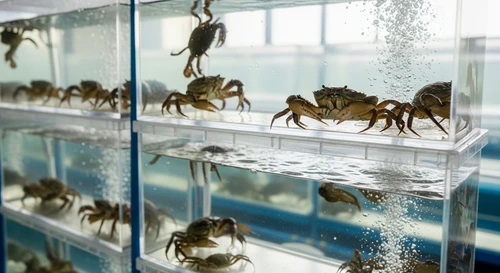
- Ingredient Sourcing: Fresh Ba Khia are harvested from controlled mangrove environments.
- Cleaning & Preparation: Crabs are thoroughly washed and sometimes pre-treated.
- Seasoning & Canning: Crabs are mixed with proprietary brine and spice blends, then carefully packed into food-grade cans.
- Sealing: Cans are hermetically sealed to prevent recontamination.
- Heat Treatment (Pasteurization): Cans are subjected to specific time-temperature cycles in retorts (industrial pressure cookers).
- Cooling & Quality Control: Cans are cooled, inspected for defects, and samples are tested for microbiological safety.
A World Acquiring a Taste for the Tangy
The success of these exports isn't just about meeting regulations; it's about winning over new palates. Asian supermarkets in the US, Canada, and Australia are seeing increased demand for authentic Vietnamese flavors.
1. The Vietnamese Diaspora
First to embrace the familiar taste, seeking a connection to home.
2. Adventurous Foodies
Western consumers, increasingly curious about global cuisines, are drawn to unique, bold flavors.
3. The Restaurant Trade
Vietnamese restaurants abroad are incorporating Ba Khia into their menus, introducing it to a wider audience.
While the pasteurized, canned version is optimized for export, it remarkably retains much of the original's complex, pungent, and utterly addictive flavor profile. It’s a testament to the enduring power of a well-preserved regional specialty.
Unlocking the Flavor: Serving Your Imported Ba Khia
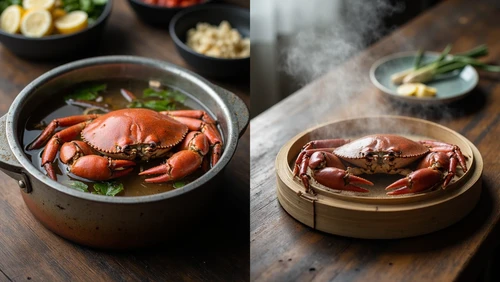
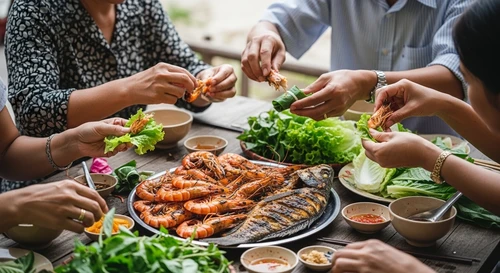
The beauty of Ba Khia, even in its canned form, is its versatility and intense flavor. It's rarely eaten on its own but serves as a powerful flavor enhancer or a key component in dishes.
🦀 Straight from the Can: The Purist's Approach
🥗 Ba Khia Salad (Gỏi Ba Khia)
🍚 Ba Khia Fried Rice (Cơm Chiên Ba Khia)
🍤 Complementing Other Seafood
6 Taste of Home, Delivered: The Mekong's Global Reach
The export of pasteurized Ba Khia is more than just a trade agreement; it's a cultural export. It allows Vietnamese expatriates to reconnect with authentic flavors and introduces a unique culinary heritage to a global audience. This success story highlights the resilience and adaptability of traditional food industries in the Mekong Delta.
Producers have embraced modern technology not as a replacement for tradition, but as a bridge to new markets. The investment in quality control and compliance demonstrates a commitment to offering the best of Vietnamese culinary heritage to the world. As Asian supermarkets increasingly cater to diverse palates, products like canned Ba Khia find their rightful place alongside other global delicacies.

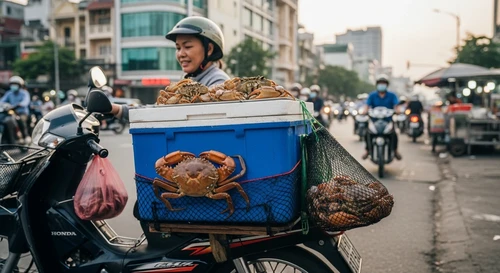
📸 Traditional preparation methods inform modern export products.
This trend is likely to continue, with more Vietnamese regional specialties making their way to international shelves. It's a win-win: consumers gain access to incredible, authentic flavors, and the producers in the Mekong Delta find new avenues for growth, preserving their culinary legacy for generations to come.
So, the next time you're browsing the aisles of your local Asian market, look for that distinctive can of Ba Khia. It’s more than just crab; it’s a direct taste of the Mekong, a testament to Vietnamese ingenuity, and a delicious adventure waiting to happen.
Authentic Flavors from the Mekong
Heritage Ingredient
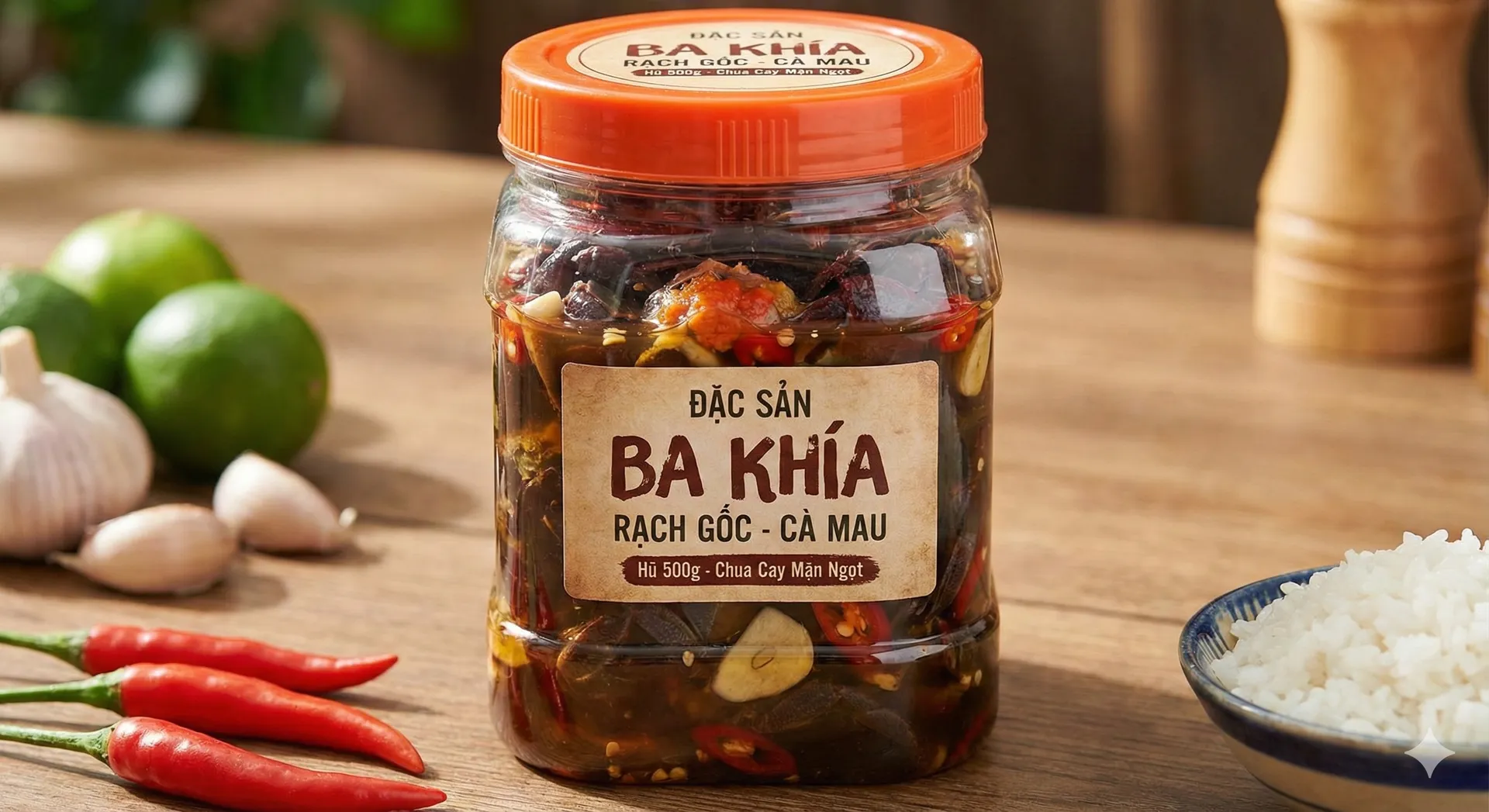
Fermented Mangrove Crab (Ba Khia)
Fermented Mangrove Crab (Ba Khia)
A traditional fermented crab specialty from the mangrove region of Rach Goc, often cited in articles about rustic Mekong Delta flavors and preserved seafood culture.
The salty-sour heartbeat of the wild south, where traditional fermentation turns forest crabs into a nostalgic explosion of rustic Mekong soul.
Heritage Ingredient
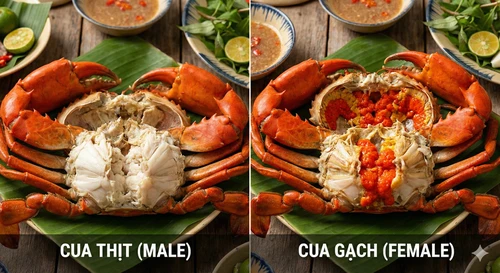
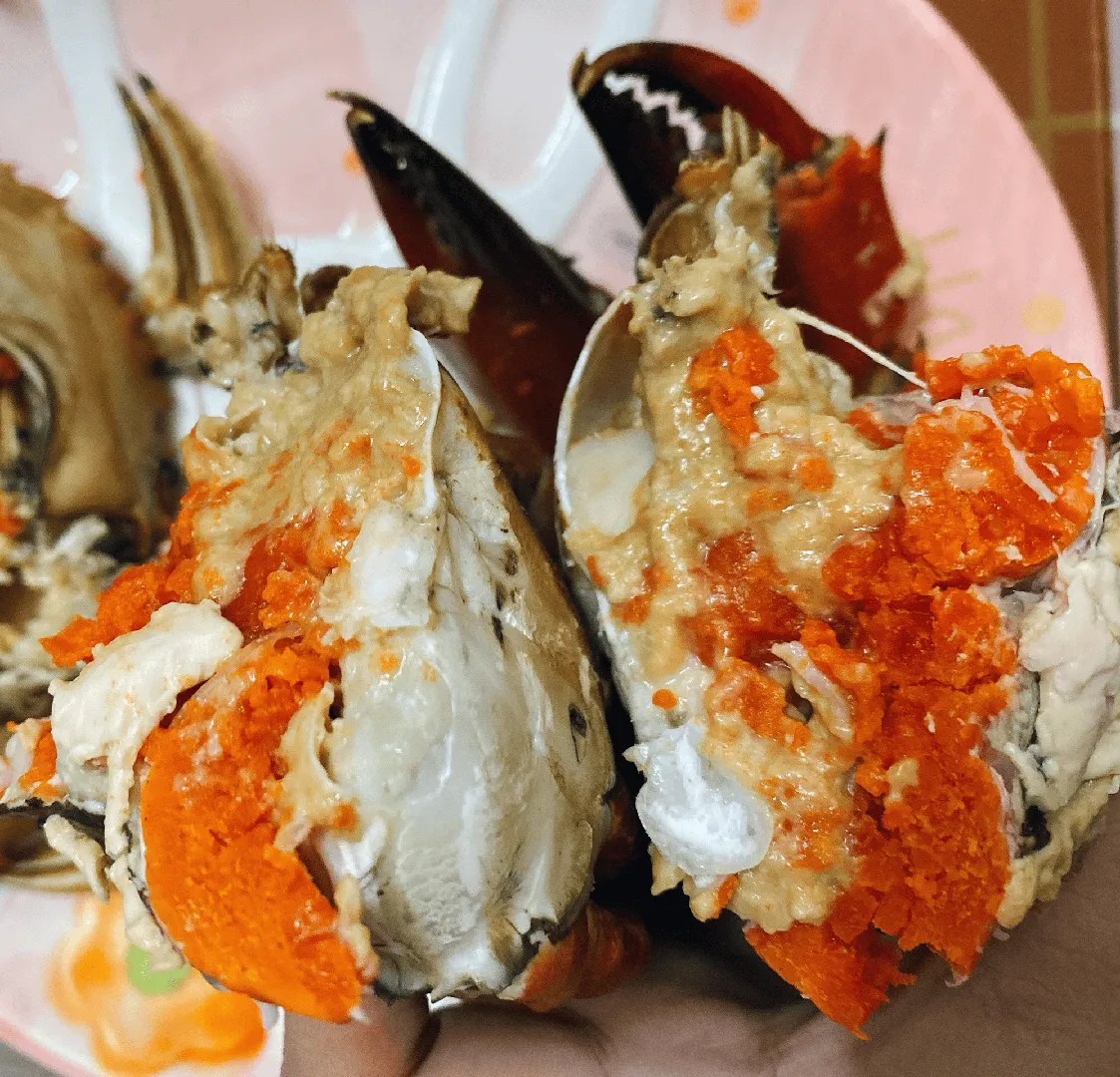
Ca Mau Roe Mud Crab
Ca Mau Roe Mud Crab
A female mud crab known for deep orange roe and a rich, creamy finish, often featured in celebratory Southern Vietnamese seafood meals.
A crimson treasure hidden within a shell, boasting rich, creamy roe that melts on your tongue like a golden sunset over the delta.
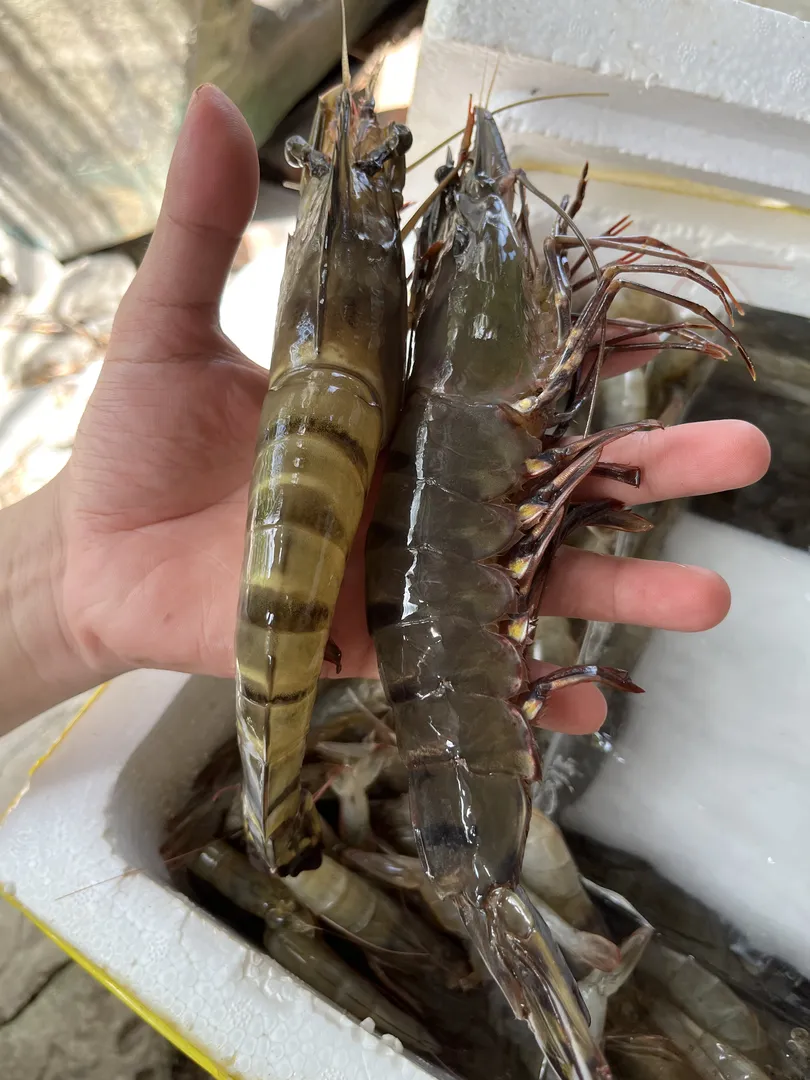
Heritage Ingredient
Ca Mau Black Tiger Shrimp
Ca Mau Black Tiger Shrimp
Large black tiger shrimp associated with mangrove aquaculture in Ca Mau, known for firm flesh and a cleaner, sweeter finish than intensively farmed shrimp.
Wild spirits of the mangroves, these black-banded gems deliver a firm, snappy texture and a sweetness that echoes the forest's vibrant life.
7 Beyond Ba Khia: A Glimpse into Preserved Delicacies
The success of exporting pasteurized Ba Khia opens doors for other traditionally preserved Vietnamese seafood items. Imagine potent fermented shrimp pastes (mắm tôm), sun-dried anchovies, or flavorful pickled fish making their way to global markets, meeting the same stringent safety standards. These items, deeply rooted in regional culinary traditions, offer a unique opportunity for Vietnamese food companies to showcase the breadth and depth of their food heritage. As technology and regulatory compliance advance, the "Mekong Delta pantry" is set to become a global phenomenon.
8 A Bridge Built on Brine and Regulation
The journey of Ba Khia from the muddy banks of the Mekong to supermarket shelves in New York or Sydney is a compelling narrative of culinary evolution. It's a story that intertwines the perseverance of local fishermen and food processors with the meticulous demands of international trade bodies. The fact that this intensely flavored, distinctly regional product can meet FDA and FSANZ standards is a triumph for Vietnamese food producers and a delight for consumers worldwide seeking authentic, bold tastes. This is not just about selling crab; it's about sharing a piece of Vietnam's soul, one delicious, pungent bite at a time.