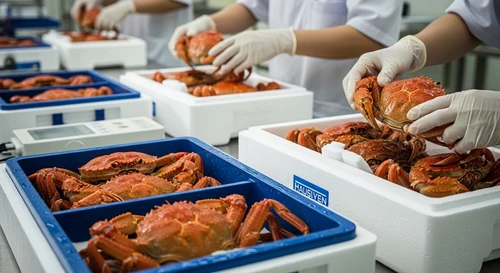
" There are crabs, and then there are Mekong Delta crabs. Fat, fierce, and tasting of the very earth and ocean that birthed them. But just like a perfect durian, timing is everything. "
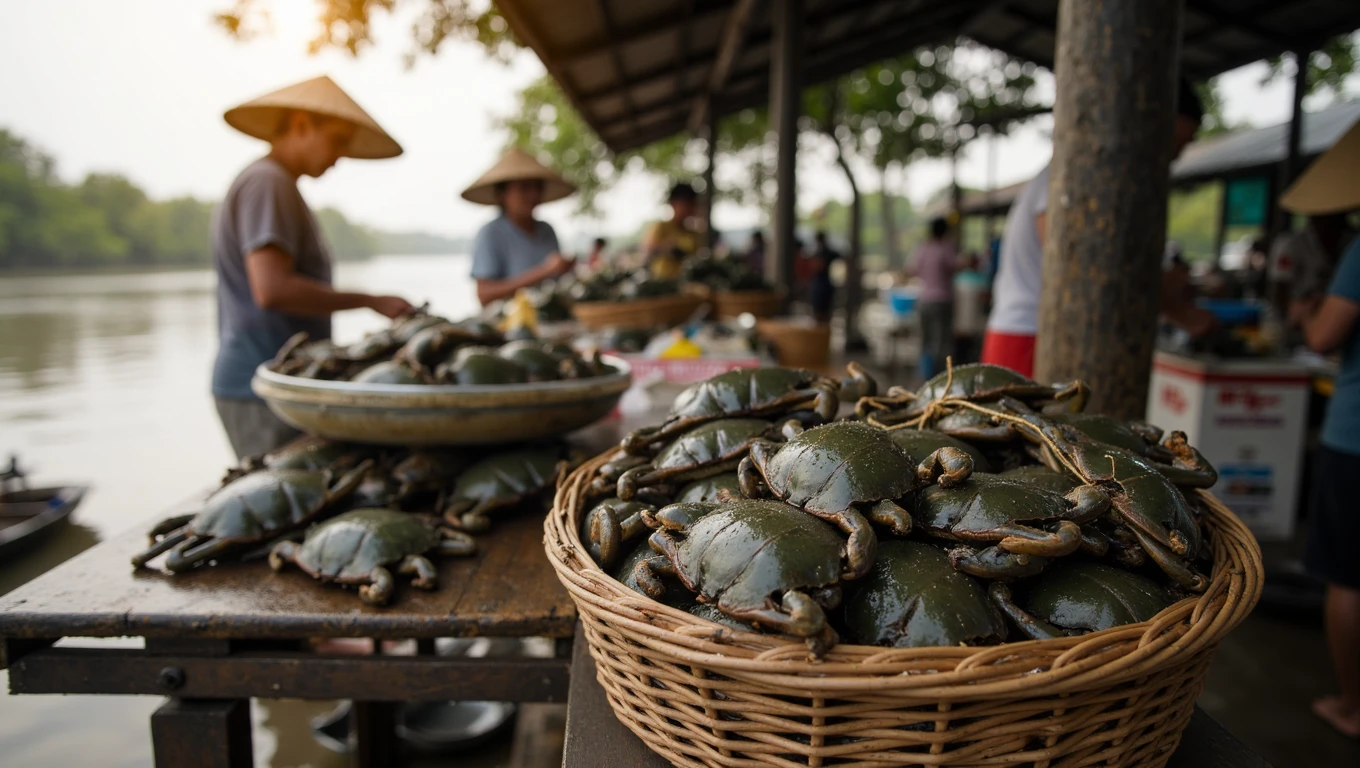
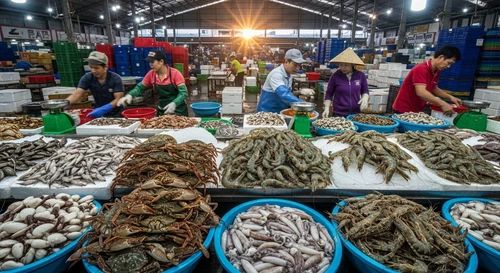
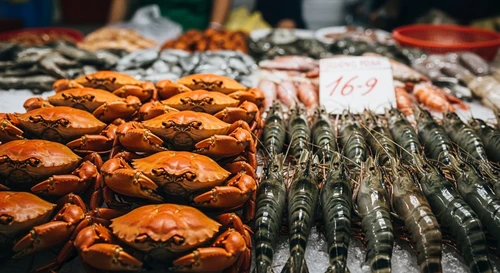
📸 The prize catch: Live mud crabs, glistening and ready for the pot.
1 The Rhythmic Pulse of the Delta: Why Season Matters
The Mekong Delta, a sprawling network of rivers, canals, and mangroves, is a land defined by water. Its rhythm dictates life, agriculture, and, crucially, its seafood. For visitors accustomed to year-round availability, understanding seasonality here is like unlocking a hidden layer of culinary magic. Nowhere is this more apparent than with the region's prized mud crabs.
These aren't your average supermarket crustaceans. The crabs of Ca Mau, in particular, are legendary for their robust flavor and generous meat-to-shell ratio. But their quality fluctuates, often dramatically, with the seasons. Ignore this wisdom, and you might find yourself with a hollow shell of disappointment. Embrace it, and prepare for a gastronomic revelation.
2 When the Rains Descend: The Golden Window for Crabs
Ask any seasoned local fisherman or a discerning chef in the Mekong Delta, and they'll tell you without hesitation: the rainy season is the undisputed prime time for crabs. This period typically runs from May to November, peaking around July to October. Why?
- Abundance of Food: The heavy rains bring with them a deluge of nutrients and freshwater, washing organic matter from the land into the rivers and estuaries. This creates a flourishing ecosystem, leading to an explosion of smaller aquatic life—the primary diet of mud crabs. With more food available, crabs grow fatter and healthier.
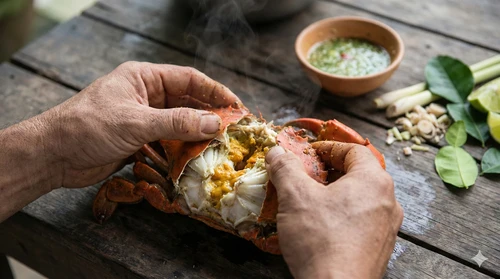
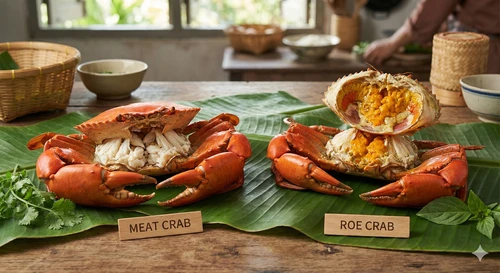
- Breeding Season: The rainy season often coincides with the crabs' breeding cycle. Female crabs, laden with rich, orange roe, become especially sought after. This roe, or "gạch cua," is a delicacy, offering an intensely creamy, savory burst of flavor.
- Lower Salinity: The increased freshwater flow dilutes the salinity in certain areas, which some believe contributes to a sweeter, more tender crab meat, as the crabs expend less energy regulating their internal salt balance.
During these months, crabs are not only more numerous but also significantly plumper, their shells packed tight with sweet, succulent meat and, if you're lucky, that glorious golden roe.
3 Beyond the Calendar: Tides, Moon, and Local Wisdom
While the rainy season is the overarching rule, true crab connoisseurs know that even within this window, there are finer distinctions. The Mekong Delta's tides, influenced by the moon, play a crucial role in crab activity and feeding patterns.
Local fishermen often say that crabs are best caught during the new moon and full moon phases. These periods bring higher tides, which are thought to stimulate crab movement and feeding, making them easier to trap and, some argue, plumper. Conversely, during low tides, crabs may burrow deeper into the mud, making them harder to find and potentially less active.
This intricate relationship between weather, celestial bodies, and marine life is a testament to the profound ecological wisdom passed down through generations in the Delta. It's a reminder that truly great food isn't just about ingredients, but about respecting the natural world.
4 From Mud to Market: A Day in Ca Mau's Crab Trade
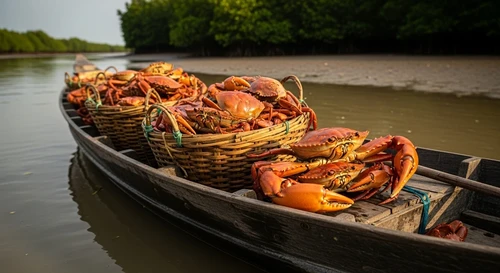
To truly appreciate a Mekong Delta crab, you need to understand its journey. Imagine the early morning mist hanging heavy over the mangrove forests of Ca Mau, Vietnam's southernmost province and the undisputed crab capital. Fishermen, navigating narrow waterways in their sampans, tend to their traps.

By mid-morning, their catches arrive at bustling local markets – the air thick with the smell of salt, mud, and fresh seafood. Here, crabs are meticulously sorted by size, weight, and sometimes, even gender. The trade is swift, negotiations are lively, and the emphasis is always on freshness. A live, active crab is a good crab.
Observing this process is an education in itself. You'll see vendors expertly tying the crabs (a necessary precaution!) and hear the characteristic clacking of shells. It’s a raw, authentic spectacle that connects you directly to the source of your meal.
Your Expert's Checklist: Picking the Perfect Crab 🦀
Don't just rely on the season. Arm yourself with these tips to ensure you're getting a top-tier crustacean.
- Weight & Firmness: Pick up the crab. It should feel surprisingly heavy for its size. Gently press on its belly (if you dare, mind the claws!). A good crab will have a hard, firm shell and feel dense, indicating it's full of meat. Avoid crabs that feel light or hollow, which might have recently molted.
- Activity Level: Look for crabs that are lively and energetic. They should be moving their legs and claws (even if tied). A sluggish crab is a sign of poor health or age.
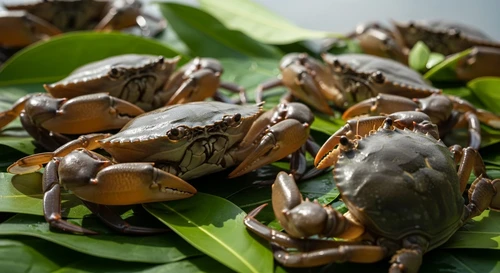
- Color: The shell should have a healthy, vibrant color—typically a dark green, brown, or grayish hue, consistent with a mud crab. Avoid any with discolored patches or unusual softness.
- Gender (for Roe Lovers): If you're after the prized roe, opt for female crabs. You can identify them by their broader, rounder apron (the flap on their underside) compared to the male's narrower, pointed apron.
- Source: Whenever possible, buy from reputable local vendors or direct from fishermen. Their knowledge is invaluable, and their crabs are often fresher.
5 The Feast Awaits: Iconic Mekong Delta Crab Dishes
Once you've secured your perfect rainy-season crab, the culinary possibilities are endless. The Mekong Delta has perfected the art of cooking these beauties, allowing their natural sweetness to shine.
- Cua Hấp Bia (Steamed Crab with Beer): Perhaps the purest expression. Crabs are steamed over beer and lemongrass, gently perfuming the meat without overpowering it. Served with a simple lime, salt, and chili dipping sauce.
- Cua Rang Me (Tamarind Crab): A wildly popular, finger-licking dish where crabs are wok-fried in a rich, tangy, and slightly sweet tamarind sauce with garlic and chili.
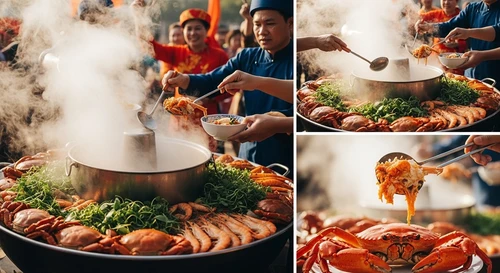
- Lẩu Cua Đồng (Field Crab Hotpot): While often made with smaller field crabs, a version with mud crabs offers a richer, more luxurious broth, packed with herbs and vegetables.
- Bánh Canh Cua (Crab Noodle Soup): A hearty, thick noodle soup featuring fresh crab meat, often with pork hock, and a savory, umami-rich broth.
Each dish offers a different facet of the crab's versatility, but all share a common thread: highlighting the unparalleled quality of the Delta's fresh catch.
6 Sustainable Seas: Protecting the Delta's Bounty
The Mekong Delta's unique blend of freshwater and saltwater makes it an ecological hotspot, but also vulnerable. As demand for its prized crabs grows, so does the importance of sustainable practices. Many local communities are adopting methods that ensure the long-term health of the crab populations and their mangrove habitats.
When you seek out these culinary treasures, consider buying from vendors who visibly adhere to responsible fishing practices. This often means buying crabs that are of legal size and not over-fished, helping to preserve this incredible resource for future generations of both crabs and crab-lovers.
7 Your Mekong Crab Adventure: Tips for the Western Explorer
For the intrepid foodie planning a trip to the Mekong Delta with crab on the mind, here are a few pointers:
- Plan Your Visit: Aim for the rainy season (May-November), especially July-October, for the best chance at premium crabs.
- Visit Local Markets: Don't be shy! Head to morning markets in towns like Ca Mau, My Tho, or Can Tho. The earlier you go, the fresher the selection.
- Learn Basic Phrases: Even a simple "Ngon quá!" (Delicious!) or "Cua bao nhiêu?" (How much for the crab?) can open doors and smiles.
- Embrace the Mess: Eating whole crab is a wonderfully tactile experience. Bibs and wet wipes are your friends.
- Ask for Recommendations: Local guesthouses or tour guides can steer you towards the best crab restaurants or street food stalls.
This isn't just a meal; it's an immersion into the very soul of the Mekong Delta.
8 The Unforgettable Taste of Timing
The quest for the perfect Mekong Delta crab is a journey into the heart of Vietnam's watery south, a lesson in seasonality, and a testament to the unparalleled bounty of nature. Time your visit right, and you won't just eat a meal; you'll experience a culinary moment that lingers long after the last morsel is savored. It’s the taste of the delta, raw and real.
Ready to Cook Your Catch?
Now that you know how to pick the best crabs, how about turning them into a feast?
🌶️ Try Our Tamarind Crab Recipe!