" There's a particular kind of seafood snobbery that exists in the Mekong Delta, and I wear it like a badge of honor. It's not about Michelin stars or white tablecloths; it's about the fierce, unyielding belief that a mud crab, to be truly glorious, must have been alive mere moments before it hits your plate. Everything else is just… a ghost of what could be. "
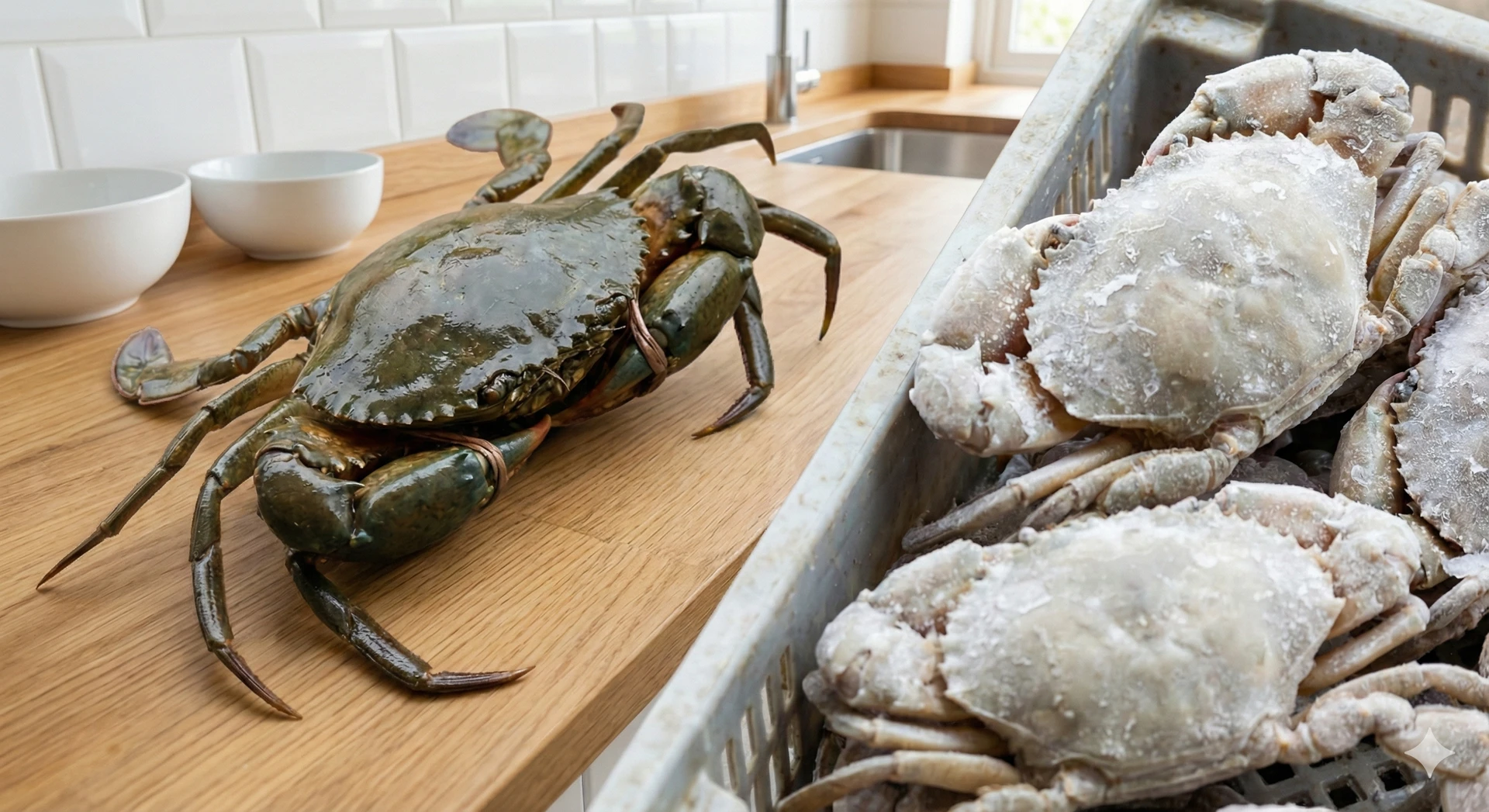
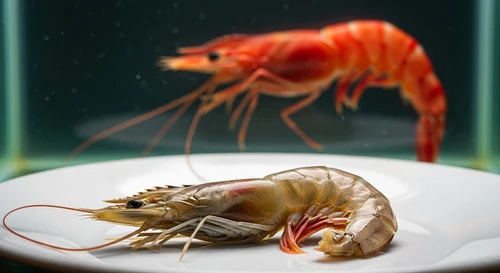
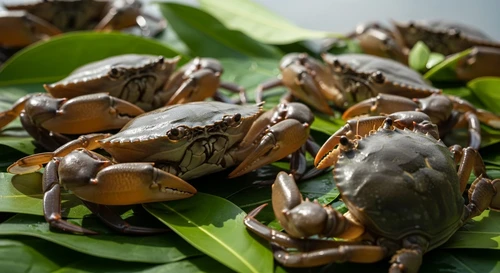
📸 The choice is clear: Live crabs pulsate with life, frozen ones merely exist.
1 The Mekong's Soul: Why the Mud Crab Reigns Supreme
The Mekong Delta, a labyrinth of rivers, canals, and fertile lands, is a culinary wonderland. And at its heart, burrowing deep in the muddy banks of its brackish waters, lives a creature revered above all others: the mud crab. These aren't your dainty blue crabs or colossal king crabs. Mekong mud crabs are robust, often substantial, and possess a sweetness and texture that speak volumes of their wild habitat.
For generations, the people of the Delta have understood that the quality of seafood is paramount. There’s no elaborate trickery, no heavy sauces to mask imperfections. The ingredient, in its purest form, is the star. And for a mud crab, "purest form" means one thing: *alive*.
It's not merely a matter of tradition; it's a profound understanding of flavor, texture, and the very essence of what makes food truly exceptional. Forget what you think you know about seafood; the Delta is here to school you in the fundamental truth: freshness isn't a luxury, it's a necessity.
2 The Great Divide: Live vs. Frozen—A Matter of Respect
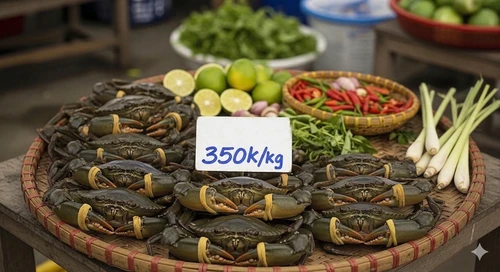
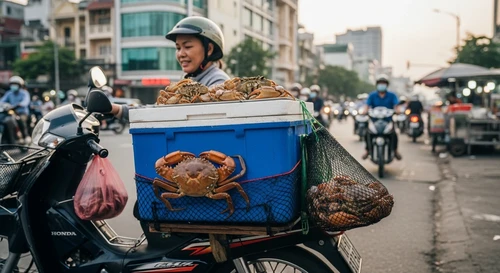
Walk into any seafood market in Ca Mau or Can Tho, and you'll see it: tanks teeming with feisty mud crabs, claws bound, eyes darting, muscles twitching. This is the standard. This is the expectation. You won't find bins of frozen crab in the local markets, certainly not for a dish where the crab itself is meant to shine. Why?
The difference between a live crab and a frozen one is akin to the difference between a perfectly ripe, locally grown tomato picked yesterday and a watery, flavorless imposter that traveled across continents and sat in a cold storage facility for weeks. Both are "tomatoes," but only one will sing on your palate.
Frozen crab, while convenient for some recipes where it's chopped up or mixed into heavy stews, simply cannot compare when the goal is to experience the delicate, sweet, and succulent meat of a mud crab. It loses its vitality, its texture, and most importantly, its soul.
3 From Mangrove Roots to Market Stalls: The Journey of a Delta Crab
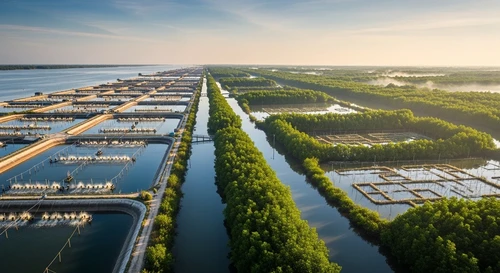
Imagine the scene: dawn breaks over the Nam Can mangroves. Fishermen, some using traditional traps, others tending to vast aquaculture ponds, collect their catch. These crabs, fat and feisty, are immediately bound to prevent them from fighting and losing their limbs—a sign of stress and poor quality. They are then transported, often by boat, to bustling local markets.
At the market, they are kept in cool, aerated tanks, their journey from the wild to your kitchen as short and stress-free as possible. This rapid transit minimizes the degradation of their flesh. The crabs are bought, often still wriggling, and taken home to be transformed into a culinary masterpiece. This is the "farm-to-table" ethos, Delta style, without the fancy branding, just pure, unadulterated freshness.
This dedication to maintaining the crab's vitality isn't just for show; it's a critical step in preserving the very chemical compounds that define its superior taste.
4 The Science of Sweetness: What Happens When a Crab Dies?
It’s not just perception. There’s a biological reason why live crabs taste infinitely better.
Glycogen to Glucose
Live crabs store glycogen, a complex carbohydrate. When cooked alive, this glycogen rapidly converts into glucose, resulting in a distinct, natural sweetness in the meat. Once a crab dies, this conversion process is inhibited or altered, and much of that potential sweetness is lost.
Enzymatic Degradation & Ammonia
Upon death, enzymes within the crab's body begin to break down the flesh. This can lead to a mushier texture and the release of ammonia, contributing to that unpleasant "fishy" smell and taste often associated with stale seafood. Freezing can halt some of this, but it doesn't reverse the initial degradation, nor does it allow for the optimal glycogen conversion. The result? A duller flavor profile and less desirable texture.
Simply put, a frozen crab is a crab that has already begun its journey of decomposition, even if microscopically. A live crab offers a clean slate, a canvas for pure flavor.
5 The Art of Selection: Handpicking Your Living Treasure
So, you're convinced. You want a live mud crab. How do you pick the best one? It's not just about finding one that's alive; it's about finding one that's *energetic* and *healthy*.
- Vigor is Key: A good mud crab will be lively. If it's lethargic or sluggish, it might be sick or stressed. Look for active movement.
- Heavy for its Size: Gently lift the crab. It should feel surprisingly heavy for its size. This indicates a crab full of meat and, if female, plenty of delicious roe (gạch cua). A light crab often means it's recently molted and the shell is filling out, leading to less meat.
- Hard Shell: The shell should be firm and hard. A soft shell is another indicator of a recent molt.
- Intact Claws: While bound for safety, check that the main claws (pincers) are present and appear healthy. Dropped claws can be a sign of extreme stress.
- Clean Appearance: A healthy crab will generally look clean, without excessive grime or discoloration that doesn't belong to its natural habitat.
Don't be afraid to engage with the vendor. They are experts and often happy to show you the best catches of the day. This interaction is part of the charm and the guarantee of quality in the Delta.
6 A Humane Goodbye: Preparing Your Crab for Culinary Bliss
The concept of cooking a creature alive can be unsettling, and for good reason. No one wants to inflict unnecessary suffering. In Vietnamese culinary practice, the goal is always a swift, humane process that ensures the best quality meat while minimizing distress.
The most common method, and one I advocate, is to "put the crab to sleep" before cooking. This can be achieved by placing the live, bound crab in an ice bath or the freezer for 15-20 minutes. The cold rapidly slows its metabolism, rendering it unconscious and preventing the stress response that can lead to dropped claws or tough meat.
Another traditional, albeit more direct, method involves quickly piercing the crab's brain (often located near the mouth) with a chopstick or sharp skewer. This method, when executed correctly, is instantaneous. Whichever method you choose, the aim is always to transition the crab from alive to cooked as ethically and efficiently as possible, respecting the life it gave for your meal.
7 The Purest Pleasure: Steamed Crab with Lemongrass and Beer (Cua Hấp Bia)
With a live crab, the simplest preparation is often the best. This method allows the crab's natural sweetness to shine, enhanced by subtle aromatics.
Ingredients:
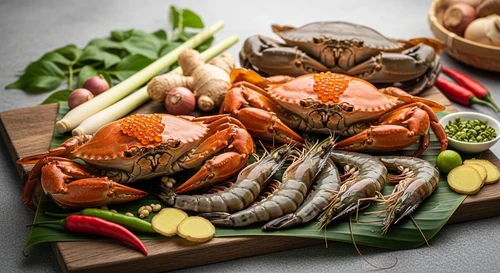
- 2-3 live mud crabs (medium to large size)
- 1-2 cans of light lager beer (e.g., Tiger, 333, Saigon Beer)
- 4-5 stalks of lemongrass, heavily smashed
- 1 large piece of ginger, sliced thickly
- Optional: a few kaffir lime leaves for extra fragrance
Method:
- Prepare the Crab: Following the "humane goodbye" steps above, render the crabs unconscious. Rinse them under cold water to remove any mud. Keep their bindings on.
- Set Up Steamer: Pour the beer into the bottom of a large pot. Place a steamer rack or trivet inside, ensuring it sits above the beer.
- Aromatic Bed: Lay the smashed lemongrass, ginger slices, and kaffir lime leaves (if using) evenly over the steamer rack.
- Steam: Place the crabs on top of the aromatics. Cover the pot tightly with a lid. Bring the beer to a rolling boil over high heat, then reduce to medium-high.
- Cook Time: Steam for 15-20 minutes for medium crabs (around 1-1.5 lbs each). Larger crabs may need a few extra minutes. The shells will turn a vibrant orange-red when fully cooked.
- Serve Immediately: Turn off the heat as soon as they are done. Serve the hot, fragrant crabs with a simple dipping sauce.
This is where the magic happens. The malty steam from the beer, infused with lemongrass and ginger, gently cooks the crab, enhancing its inherent sweetness without overpowering it.
8 The Delta Way: Savoring Every Sweet Morsel
Eating steamed mud crab in the Delta is a communal affair. Piles of vibrant red crabs are presented, often with bowls of that essential dipping sauce: a mix of salt, pepper, and fresh lime juice (muối tiêu chanh). Sometimes, a fiery green chili sauce (muối ớt xanh) adds a powerful kick.
There's no polite way to eat it. You crack shells, pull apart legs, and dig into the sweet, pearlescent meat with your bare hands. The silence at the table, broken only by the occasional crack of a claw or a satisfied sigh, speaks volumes. You taste the sea, the rich mud, the subtle perfume of lemongrass, and the undeniable sweetness that only a truly fresh crab can offer.
The roe, if you're lucky enough to find a female crab full of it, is a golden, rich delicacy—creamy and intense, a perfect counterpoint to the delicate flesh. This is pure, unadulterated pleasure, a primal connection to the bounty of the Mekong, and a testament to the power of simply respecting your ingredients.
9 Beyond the Plate: A Philosophy of Flavor and Life
In a world obsessed with convenience and speed, the Mekong Delta offers a gentle, muddy reminder: the best things often require a little more effort, a little more patience, and a lot more respect. Choosing a live mud crab isn't just about a culinary preference; it's about embracing a philosophy of food that values freshness, quality, and the direct connection to the source.
It's a lesson in appreciating the living, breathing ingredients that sustain us, and understanding that when it comes to flavor, "alive" will always beat "frozen" hands down. So, the next time you find yourself with the choice, remember the Delta's wisdom: for unparalleled quality, for true sweetness, and for a meal that sings, always choose the crab that's still kicking.
It truly does matter. And once you've tasted the difference, you'll understand why.