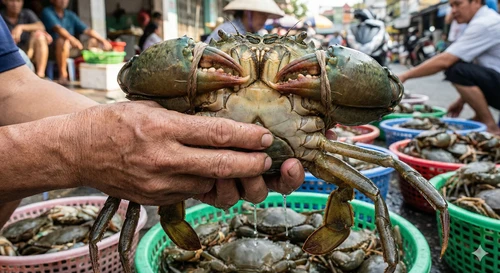
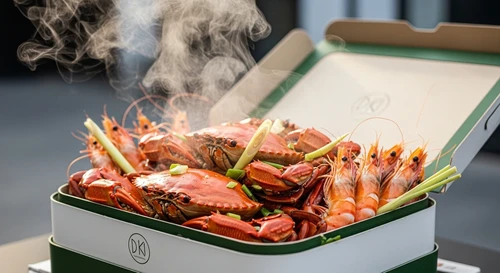
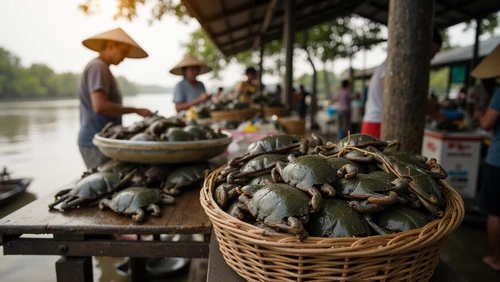
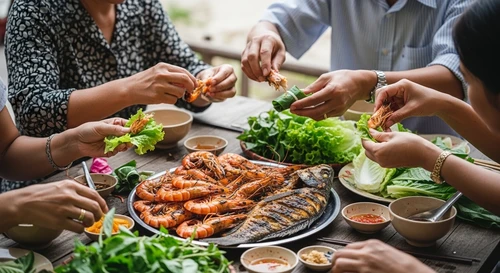
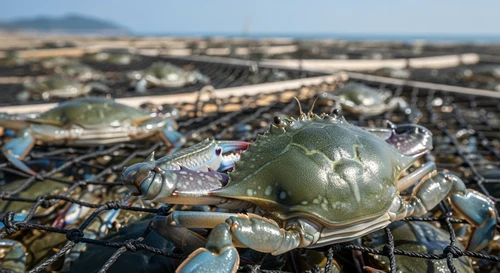
" There's a primal satisfaction in wrestling a fresh crab, in the tactile journey of tearing apart its shell and extracting the sweet, briny treasures within. In the Mekong Delta, this isn't just a meal; it's a ritual, a way of life, a communion with the rich, muddy waters that cradle this incredibly fertile, life-giving land. The air here often carries the scent of damp earth, salt, and the faint, sweet perfume of the region's bounty, a perfect prelude to the gastronomic adventure awaiting. "
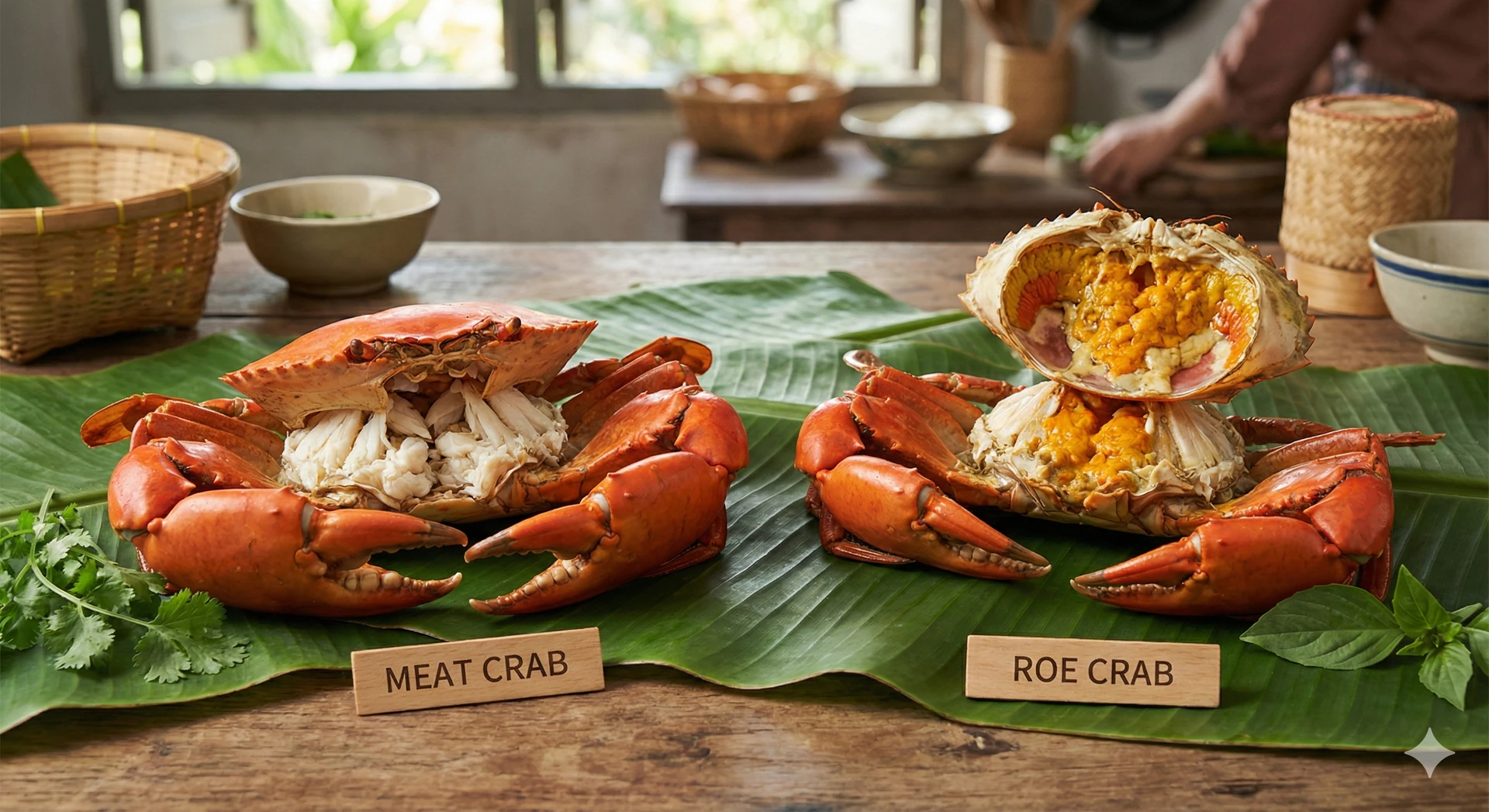
📸 A tale of two crabs: Robust meat or golden roe? Choose your fighter.
1 The Delta's Crown Jewels: Unpacking the Mighty Mud Crab
For anyone who’s spent time navigating the serpentine waterways of the Mekong Delta, one truth becomes undeniable: this place is a liquid larder. Amidst the emerald rice paddies and the dense thickets of nipa palms, a creature of immense culinary significance thrives—the mud crab. Known for its robust flavor and impressive size, it’s a staple, a delicacy, and a source of fierce local pride. But not all mud crabs are created equal. Depending on the season, the gender, and even the lunar cycle, you might find yourself contemplating a choice that defines your entire dining experience: meat crab or roe crab?
This isn't just a casual preference; it's a philosophical divide for some Delta connoisseurs. Are you seeking the powerful, fibrous punch of pure protein, or the unctuous, buttery decadence of golden roe? Join me on a deep dive into the muddy depths to unravel the mysteries of these two magnificent specimens, comparing their distinct tastes, textures, and the best ways to enjoy them.
2 From Mud to Market: A Day in the Life of a Mekong Crab
To truly appreciate these creatures, you must understand their home. The Mekong Delta, particularly provinces like Ca Mau, is a sprawling, vital tapestry of brackish water, rich mud, and dense mangrove forests. This unique, nurturing ecosystem is where the mud crabs (scientific name: Scylla serrata) thrive, spending their lives burrowing in the silty banks, foraging amidst the roots, and growing to impressive sizes, some specimens easily tipping the scales at over a kilogram. They are the silent, armored guardians of the Delta’s bounty.
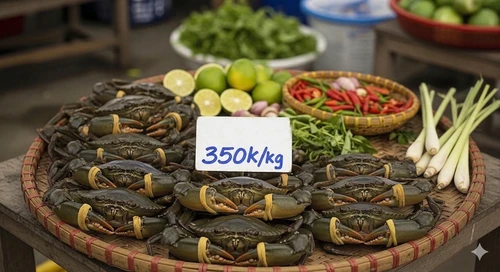
Early mornings in the Delta's bustling markets, like the vibrant heart of Nam Can, are a sensory spectacle. The mist still clinging to the water's surface, fishermen arrive in their shallow-draft sampans, each boat a floating treasure chest laden with crabs still feisty and snapping, their legs bound with coir rope. The humid air buzzes with the rhythmic clatter of scales, the convivial haggling of vendors calling out prices, and the low thrum of distant boat engines. Amidst this symphony of commerce, live crabs are meticulously sorted by size, weight, and, most crucially, by their contents. An experienced eye, honed by generations of knowledge, can tell almost instantly—with a glance at the belly flap or a subtle squeeze—whether a crab is bursting with sweet, pure meat or pregnant with luscious, golden roe. This meticulous, almost intuitive selection process is the very first, critical step in the journey from the delta's embrace to your plate, setting the stage for the culinary choice ahead.
3 The Contenders: Meet Your Mud Crabs
Before we pit them against each other, let’s get to know our champions. Both types are derived from the same species of mud crab, but their internal composition changes based on their gender and life stage. Understanding these nuances is key to appreciating their distinct culinary roles.
Meat Crab
These are typically the males, characterized by their bulk, strong claws, and a hard, compact belly flap. Their primary allure is the sheer volume and quality of their flesh.
When to find: Generally available year-round, but peaks after molting when they've replenished their muscle mass.
Roe Crab
These are the females, identifiable by their wider, rounded belly flap. Their treasure lies not in muscle, but in the rich, orange-golden roe (eggs) that develops within their carapace, especially during breeding seasons.
When to find: More seasonal, typically best found during specific spawning periods, making them sometimes rarer and pricier.
The Powerhouse Meat Crab: The Brawn, The Brine, The Bite
If you appreciate a robust, substantial seafood experience, the meat crab is your champion. It’s all about the flesh—pure, unadulterated crab meat.
Taste Profile:
The meat of a Mekong Delta mud crab is remarkably sweet, with a distinct salinity that speaks of its estuarine habitat. It's cleaner, brighter, and less "fishy" than many other crab varieties. You get an earthy undertone, almost mineral-like, which is perfectly balanced by its inherent sweetness.
Texture Profile:
- Claw Meat: Firm, flaky, and fibrous. It pulls apart in satisfying strands, offering a satisfying chew. This is where the crab's strength lies, both literally and gastronomically.
- Body Meat: Softer, more delicate, and often sweeter. It comes off in smaller flakes and is best scooped out with a spoon or your finger.
- Overall: Leaner and less fatty than roe crab. It’s a pure protein hit, making it feel lighter and more refreshing.
Culinary Application:
Meat crabs are incredibly versatile. Their firm flesh stands up well to various cooking methods and sauces.
- Steaming: The purest method. Highlights the natural sweetness. Often steamed with beer and lemongrass or coconut water.
- Stir-frying: Excellent in rich, flavorful sauces like tamarind sauce, black pepper sauce, or chili crab. The meat absorbs the flavors beautifully without getting lost.
- Noodle Soups: Flaked meat is a fantastic addition to rich, savory noodle soups like Banh Canh Cua (crab tapioca noodle soup), adding depth and texture.
The Connoisseur's Delight Roe Crab: A Golden, Buttery Indulgence
For those who seek richness, intensity, and a truly decadent experience, the roe crab is a revelation. It’s a more visceral, almost luxurious encounter.
Taste Profile:
The star here is the roe—a vibrant orange-golden substance that is intensely savory, slightly bitter, and profoundly buttery. It coats the palate with a rich, almost liver-like umami, often described as a "sea butter." The accompanying meat, while present, takes a backseat, offering a milder, sweeter counterpoint to the roe's intensity.
Texture Profile:
- Roe: Creamy, unctuous, and slightly granular, almost like a firm custard. It melts in your mouth, leaving a lingering, profound flavor.
- Meat: Tend to be softer and less abundant than in male crabs, as the female's energy goes into developing the roe. Still sweet, but yields more easily.
- Overall: A heavier, richer mouthfeel due to the fat content in the roe. It’s an indulgence, not a light snack.
Culinary Application:
Roe crabs are often treated with more deference to preserve the delicate roe.
- Steaming: Again, often the preferred method. Steaming gently cooks the roe to a perfect, firm consistency without allowing it to dry out or spill. Serve simply with a pungent dipping sauce.
- Grilling/Roasting: Some chefs will grill or roast roe crabs, sometimes stuffing the carapace with a mixture of roe, garlic, and glass noodles, allowing the roe to crisp slightly at the edges.
- Roe dishes: The roe itself can be carefully extracted and used to enrich other dishes, like fried rice or as a topping for fresh noodles, but this is less common for whole crabs.
6 The Ultimate Showdown: Taste, Texture & Culinary Application
So, which one wins? The truth is, there's no single victor. It's a matter of preference and what you're craving. Here's a quick comparison:
| Feature | Meat Crab | Roe Crab |
|---|---|---|
| Primary Appeal | Quantity and quality of sweet, firm flesh. | Rich, creamy, umami-laden roe. |
| Taste | Sweet, clean, briny, slightly earthy. | Intensely savory, buttery, slightly bitter, profound umami. |
| Texture | Firm, fibrous, flaky, lean. | Creamy, granular, unctuous (roe); softer (meat). |
| Best For | Steaming, stir-frying with heavy sauces, noodle soups. | Pure steaming, grilling, dishes where the roe can shine. |
| Overall Experience | Satisfying, refreshing, a primal seafood feast. | Decadent, luxurious, intense, for the adventurous palate. |
My personal take? If I’m making a robust tamarind crab or a fiery chili crab, I'll lean towards the meat crab for its ability to hold up to the sauces. But for a simple steamed crab, where the essence of the sea is paramount, a well-chosen roe crab offers an unparalleled depth of flavor. Why not try both?
The Delta Deal Navigating the Markets: Selecting Your Perfect Crab & Price
The hunt for the perfect crab is part of the adventure. Here’s what you need to know before you buy.
How to Spot a Winner:
- Liveliness is Key: A good crab is a feisty crab. It should be active, trying to pinch, and responsive. Avoid sluggish crabs.
- Weight & Density: Pick up the crab. It should feel heavy for its size. This indicates a full crab, not one that’s recently molted or is hollow.
- Shell Condition: Look for a hard, clean shell. A soft shell means it has recently molted and the meat will be watery and sparse.
- Belly Flap:
- Meat Crab (Male): The belly flap is narrow and triangular.
- Roe Crab (Female): The belly flap is wide and rounded, almost dome-shaped. This is where the roe is protected.
- The "Fullness" Test (for Roe Crab): Experienced vendors might gently press on the crab's underside (near the wide flap) to feel for firmness, indicating a good amount of roe. Don’t be afraid to ask for this!
Price Considerations:
Generally, roe crabs are pricier than meat crabs. This is due to several factors:
- Seasonality: Roe crabs are more seasonal, particularly during breeding cycles, making them scarcer.
- Demand: Many locals and tourists consider roe a delicacy, driving up demand.
- Yield: While highly prized, the actual edible mass (meat + roe) might be less than a large, meaty male crab.
Prices vary wildly by season, market, and even time of day, but expect to pay a premium for a truly prime roe crab, especially during peak season in a reputable market like Ca Mau.
8 The Mekong's Secret: How to Savor Them Best
Whether you choose meat or roe, the Mekong Delta tradition leans towards simplicity. The goal is to highlight the crab’s natural flavor, not mask it.
- Steamed to Perfection: As discussed in the template (for beer-steamed crab), steaming is king. With just a hint of lemongrass and ginger, or perhaps a splash of local beer, the crab is cooked gently until its shell blazes a vibrant orange-red. This retains moisture and concentrates flavor.
- The Essential Dipping Sauce: A local meal is incomplete without a dipping sauce. For crab, it's almost always a simple yet potent mix: fresh lime juice, salt, and white pepper. Sometimes, a few slivers of bird's eye chili are added for a kick. This bright, acidic, and salty concoction cuts through the richness and amplifies the crab's sweetness.
- Hands-On Experience: Forget your fancy utensils. Eating crab in the Delta is a messy, joyful affair. Roll up your sleeves, use your hands, and crack those shells. Don't be shy about sucking the sweet juices from every nook and cranny.
- Pair with Simplicity: Fresh rice vermicelli, steamed rice, or even just a simple side of blanched greens are the perfect accompaniments. Let the crab be the star.
9 Beyond the Shell: A Final Word from the Delta
The choice between meat crab and roe crab is ultimately a deeply personal one, a reflection of what you seek in your culinary journey. Both offer a unique window into the soul of the Mekong Delta, a region where the land and sea conspire to create some of the world's most incredible seafood.
So, next time you find yourself at a bustling market stall in Ca Mau or a humble eatery along a Delta canal, take a moment to consider your preference. Will it be the powerful, lean strength of the meat crab, or the luxurious, golden embrace of the roe crab? Whichever you choose, you're not just eating a meal; you're experiencing a culture, a tradition, and a flavor that has been perfected over generations. And that, my friends, is a journey worth taking.
Hungry for More Crab?
Now that you know your crabs, why not dive into a classic Mekong Delta recipe?
🌶️ Try Vietnamese Tamarind Crab