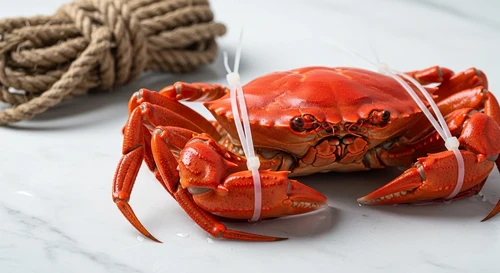
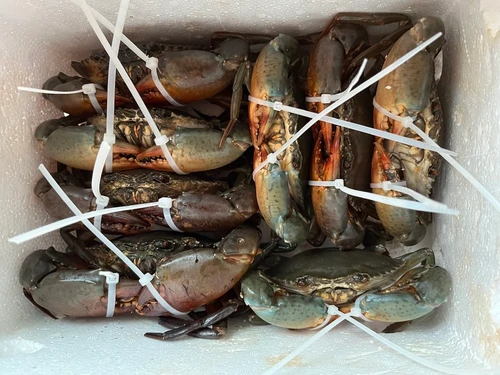
" The Mekong Delta is a liquid landscape, teeming with life, flavor, and stories. Its crabs, fat and sweet, are a culinary crown jewel. But as with any treasure hunt, you need a map—especially when navigating the murky waters of food myths and real safety concerns. Let's dig in, safely. "
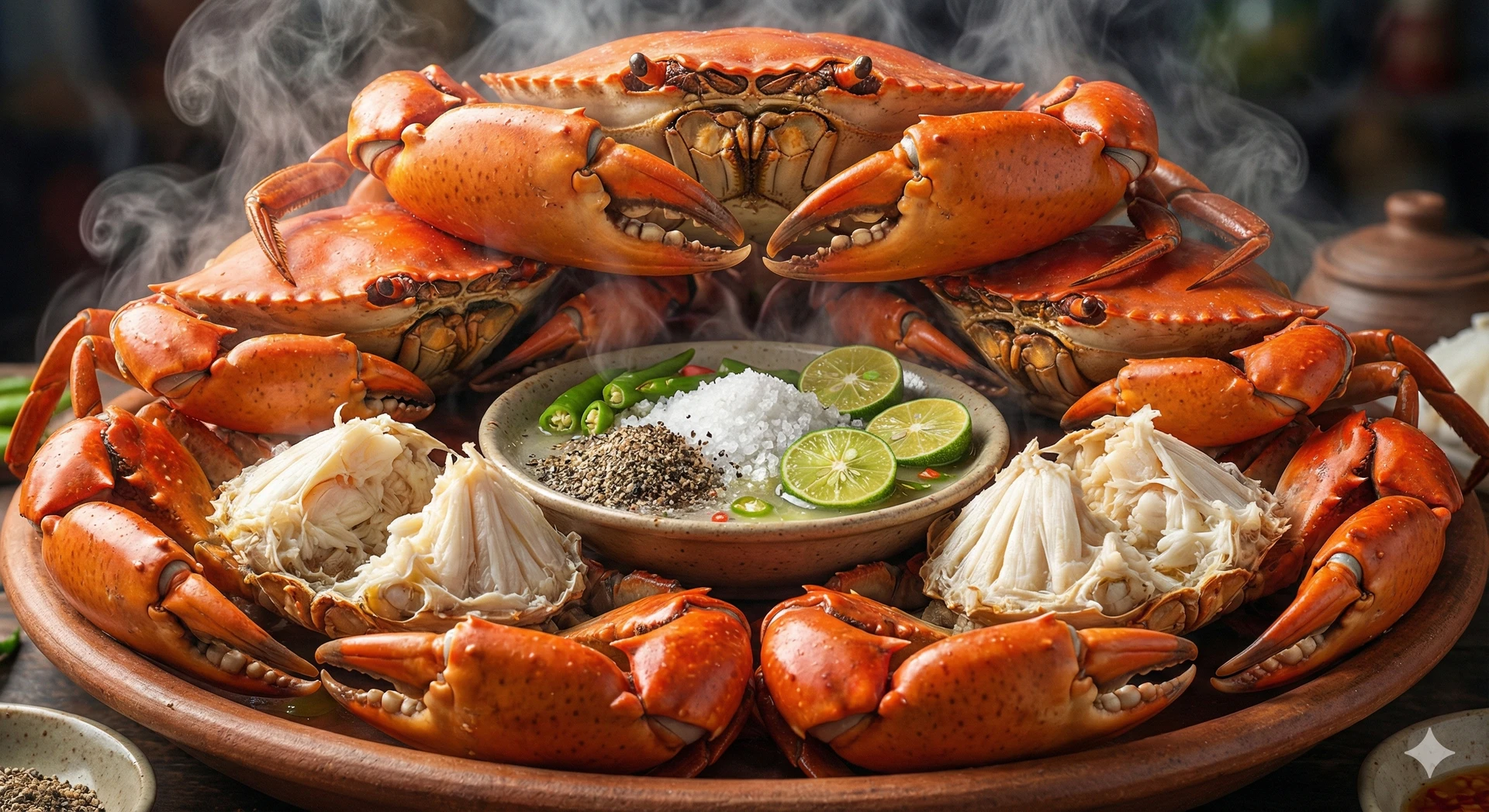
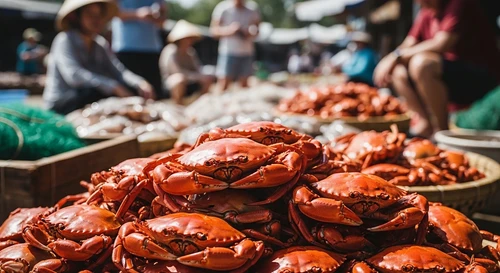
📸 The promise of a perfect meal: Fresh, vibrant crab from the Delta's bounty.
Ah, the Mekong Delta. A sprawling, verdant labyrinth of rivers and canals, where life unfolds on the water and the land gives generously. For a food lover, it's paradise – a raw, unfettered larder of exotic fruits, freshwater fish, and, most gloriously, crab. From the plump mud crabs of Cà Mau to the delicate flower crabs caught offshore, these crustaceans are a staple, a celebration, and an obsession. But lurking in the shadows of this gastronomic delight are often whispers of caution, old wives' tales, and genuine concerns about food safety. Fear not, intrepid eater. This guide is your compass, your map, and your trusted companion in navigating the delicious, complex world of Mekong Delta crab, ensuring every bite is pure joy, not pure panic.
1 A Delta Feast: The Allure of Crab and the Whisper of Caution
The Mekong Delta isn't just a place; it's a sensory overload. The humid air, thick with the scent of tropical flora and drying fish, the rhythmic slap of water against a wooden sampan, the vibrant chaos of a floating market – it all converges into an unforgettable experience. And at the heart of much of its cuisine lies the humble, yet magnificent, crab. Whether simmered in a rich tamarind sauce, steamed simply with beer and lemongrass, or folded into savory spring rolls, crab here is a way of life.
Western travelers, however, often approach such culinary adventures with a healthy dose of apprehension. Tales of "Delhi Belly" or "Pharaoh's Revenge" are common, and the thought of food poisoning can quickly sour the excitement. When it comes to something as potentially finicky as seafood, especially shellfish, the concerns are amplified. This is where local wisdom, combined with a dash of modern science, becomes your best friend. Understanding what to eat, how to choose it, and what to avoid is paramount to unlocking the Delta's full gastronomic potential without any unwanted detours to the nearest clinic.
2 Unraveling the Legends: Persimmons, Tea, and the Crab Conspiracy
Let's address the elephant in the room – or rather, the persimmon in the bowl and the tea in the cup. "What not to eat with crab (Persimmons, Tea?)" was a core part of our brief, and it highlights a fascinating aspect of traditional beliefs. In many Asian cultures, including Vietnam, specific food combinations are believed to be "incompatible" or even dangerous, often rooted in traditional medicine principles of "hot" and "cold" foods, or humoral theories.
The notion that eating persimmons with crab can cause food poisoning or even death is a prevalent myth in some regions. The scientific explanation often points to the high tannin content in persimmons. Tannins, when combined with protein, can theoretically form insoluble complexes that are harder to digest, leading to indigestion, constipation, or stomach upset. However, for a healthy individual, this is highly unlikely to lead to severe food poisoning. The main culprit for discomfort would be overeating either component, or more likely, consuming crab that was already spoiled.
Similarly, the idea of avoiding tea with crab stems from similar traditional beliefs, sometimes attributing it to the tannins in tea binding with crab protein or iron, hindering digestion or nutrient absorption. While black tea does contain tannins, again, for a healthy digestive system, this combination is not inherently dangerous. Mild digestive upset might occur if you have a sensitive stomach, but widespread food poisoning? Highly improbable. The truth is, many delicious dishes around the world combine seafood with acidic or tannic elements.
The Verdict: While these traditional beliefs are culturally significant and reflect centuries of observed interactions, modern science largely debunks the severe risks associated with these specific pairings. The real danger isn't the persimmon or the tea; it's the quality of the crab itself.
3 The Real Enemy: What Truly Threatens Your Mekong Crab Experience
Forget the persimmons. The real adversaries to a joyful crab feast are far more insidious and less folkloric. These are the mundane yet critical factors that lead to actual foodborne illness, anywhere in the world, and especially in humid, tropical climates where bacteria thrive:
- Spoilage: This is the big one. Crab is highly perishable. If it's not kept alive until cooking, or properly refrigerated immediately after death, bacteria multiply rapidly. Toxins can build up that even cooking won't destroy.
- Improper Cooking: Undercooked crab can harbor harmful bacteria and parasites. While overcooking leads to tough, tasteless meat, it's far safer than leaving it raw or partially cooked.
- Cross-Contamination: Using the same cutting board or utensils for raw crab and other ready-to-eat foods without proper washing can spread bacteria.
- Contaminated Water: If crabs are caught from polluted waters, they can accumulate heavy metals or other environmental toxins, though this is less common with farmed crabs from regulated sources.
- Allergies: While not food poisoning, shellfish allergies are severe and common. Always be aware of your own allergies and communicate them clearly.
Your focus should always be on freshness, proper handling, and thorough cooking. These are the true guardians of your gastronomic well-being.
4 From River to Plate: Mastering the Art of Selecting Live Crab
The cornerstone of any safe and delicious crab dish in the Mekong Delta is the selection of the crab itself. Unlike in many Western supermarkets where seafood is often pre-packaged and frozen, here, you'll find your dinner kicking and snapping in buckets of water. This is a good thing – it's your first line of defense against spoilage.
Here’s how to pick the best of the bunch, whether you're at a local market or a bustling seafood restaurant:
- Movement is Key: A healthy crab is an active crab. It should be moving its legs, trying to escape, and generally showing signs of vitality. If it's sluggish, unresponsive, or worse, completely still, walk away.
- Weight Matters: Pick up a crab and feel its weight. A heavy crab indicates it's full of meat and roe. A light crab suggests it's recently molted or unhealthy, and you'll get more shell than substance.
- Hard Shell: The shell should be hard and firm, not soft or pliable. This also indicates a crab that hasn't recently molted and will have more meat.
- No Odor (Yet!): Before cooking, a live crab should smell subtly of the ocean, not overtly fishy or ammoniated. Any strong, unpleasant smell is a huge red flag.
- Local Knowledge: When dining out, observe where the locals eat. They know the establishments with the freshest catch and highest standards. Ask for recommendations.
Remember, when in the Delta, you're looking for the freshest possible ingredient. Don't compromise on this step. A fresh, lively crab is almost a guarantee of a delicious and safe meal.
5 The Kitchen Crucible: Proper Preparation for Culinary Peace of Mind
Once you've secured your magnificent, feisty crab, the journey to a safe meal continues in the kitchen. Whether you're cooking it yourself or observing a vendor, these are the critical steps for ensuring safety:
- Humane Dispatch (if cooking yourself): To prevent crabs from dropping their claws and to make cleaning easier, it's humane and practical to dispatch them quickly. A common method is to place them in an ice bath or freezer for 15-20 minutes to put them into a dormant state, or, for the brave, pierce the central nervous system with a sharp chopstick or knife.
- Thorough Cleaning: Rinse the crab under cold running water. Use a brush to scrub any mud or debris from the shell and legs. You'll typically remove the gills (feathery bits under the top shell, often called "dead man's fingers" as they filter impurities), the mouthparts, and the intestinal tract before cooking, especially for larger crabs or if you're dissecting them for a dish.
- Cook It Through: Crab meat must be cooked to an internal temperature of 145°F (63°C). Visually, this means the shell turns a vibrant orange-red, and the meat inside becomes opaque. The cooking time will vary based on the size of the crab and the cooking method (steaming, boiling, stir-frying), but typically 15-20 minutes for a medium-sized whole crab is sufficient. Never eat undercooked crab.
- Avoid Cross-Contamination: Always use separate cutting boards and utensils for raw crab and cooked foods. Wash your hands thoroughly with soap and water after handling raw crab.
- Prompt Consumption & Storage: Cooked crab should be eaten immediately. If you have leftovers, refrigerate them within 2 hours of cooking and consume within 1-2 days. Reheat thoroughly.
These seemingly simple steps are the bedrock of food safety. Neglect them at your peril, and you risk a truly unforgettable experience, for all the wrong reasons.
6 Perfect Partners: The Harmony of Flavors (and Safe Digestion)
While we've debunked the myths, it's worth noting that certain traditional Vietnamese accompaniments for crab aren't just delicious; they often have practical benefits for digestion and balancing flavors. These aren't magic antidotes to spoiled food, but rather thoughtful culinary choices that enhance the experience and can aid in overall well-being.
Common pairings in the Delta include:
- Lime, Salt, and Chili Dipping Sauce (Muối Ớt Chanh): This is the undisputed champion. The acidity of lime brightens the crab's sweetness, and the salt enhances its natural flavor. Chili adds a kick. This isn't just about taste; lime juice can also stimulate digestive enzymes.
- Ginger: Often steamed with crab or served as a dipping sauce component. Ginger is a renowned digestive aid, known to calm stomachs and reduce nausea.
- Lemongrass: Like ginger, lemongrass is a popular aromatic for steaming crab. It adds a fresh, citrusy note and is also traditionally used to aid digestion.
- Herbs & Vegetables: Fresh herbs like cilantro, basil, and mint, along with crisp green vegetables, are often served alongside crab. They provide a refreshing contrast, fiber, and micronutrients that contribute to a balanced meal.
These pairings aren't just about avoiding "bad" combinations; they're about creating "good" ones. They enhance the experience, aid digestion, and are far more effective in ensuring your comfort than any superstitious avoidance of persimmons.
7 Beyond the Shell: Holistic Food Safety for Your Delta Adventure
While crab is a focal point, a comprehensive approach to food safety will serve you well throughout your Mekong Delta journey. Here are broader tips for any culinary exploration in the region:
- Eat Where It's Busy: High turnover means fresh ingredients. If a street stall or restaurant is packed with locals, it's usually a good sign.
- Cooked is King: Opt for freshly cooked dishes that are served hot. Avoid lukewarm food that has been sitting out for a while.
- Peel It, Boil It, Cook It, or Forget It: A classic travel mantra. Be cautious with raw salads (unless you know the water source is purified), unpeeled fruits, and unpasteurized dairy.
- Bottled Water Only: Never drink tap water. Use bottled water for drinking, brushing teeth, and even rinsing your mouth if you're particularly sensitive.
- Ice, Ice Baby... Carefully: Ice made from purified water is generally safe in established restaurants. If in doubt at smaller stalls, skip the ice.
- Hand Hygiene: Wash your hands frequently with soap and water, or use an alcohol-based hand sanitizer, especially before eating.
- Listen to Your Body: If something looks, smells, or tastes off, don't risk it. It's better to be safe than sorry.
The Delta is a place of incredible flavors, and with a few sensible precautions, you can enjoy them all without worry. Be adventurous, but also be smart.
8 Embrace the Journey, Savor the Flavors: A Concluding Note
The Mekong Delta, with its shimmering waterways and bountiful harvests, offers a culinary journey unlike any other. The succulent crab, in all its glorious preparations, is a highlight not to be missed. By understanding the true science behind food safety, debunking outdated myths, and employing practical vigilance, you empower yourself to dive headfirst into this vibrant food scene.
So, go ahead. Choose that lively crab, watch it steamed with fragrant lemongrass, crack open its vibrant red shell, and dip that sweet, flaky meat into a zingy lime-chili-salt concoction. Don't let unfounded fears hold you back from one of Southeast Asia's most authentic and delicious experiences. Armed with knowledge, your only concern will be which part of the crab to tackle first. Enjoy, safely and deliciously!