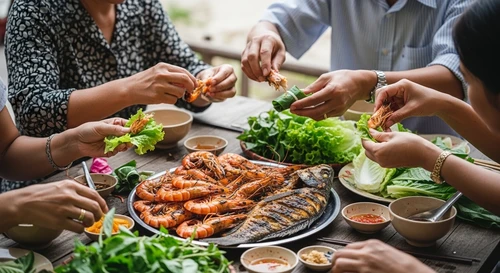
" There are crabs, and then there are Ca Mau crabs. It’s like comparing a convenience store coffee to a single-origin pour-over. One sustains; the other elevates. But how do you navigate the vibrant chaos of the Mekong Delta to find the real deal without getting soaked? "
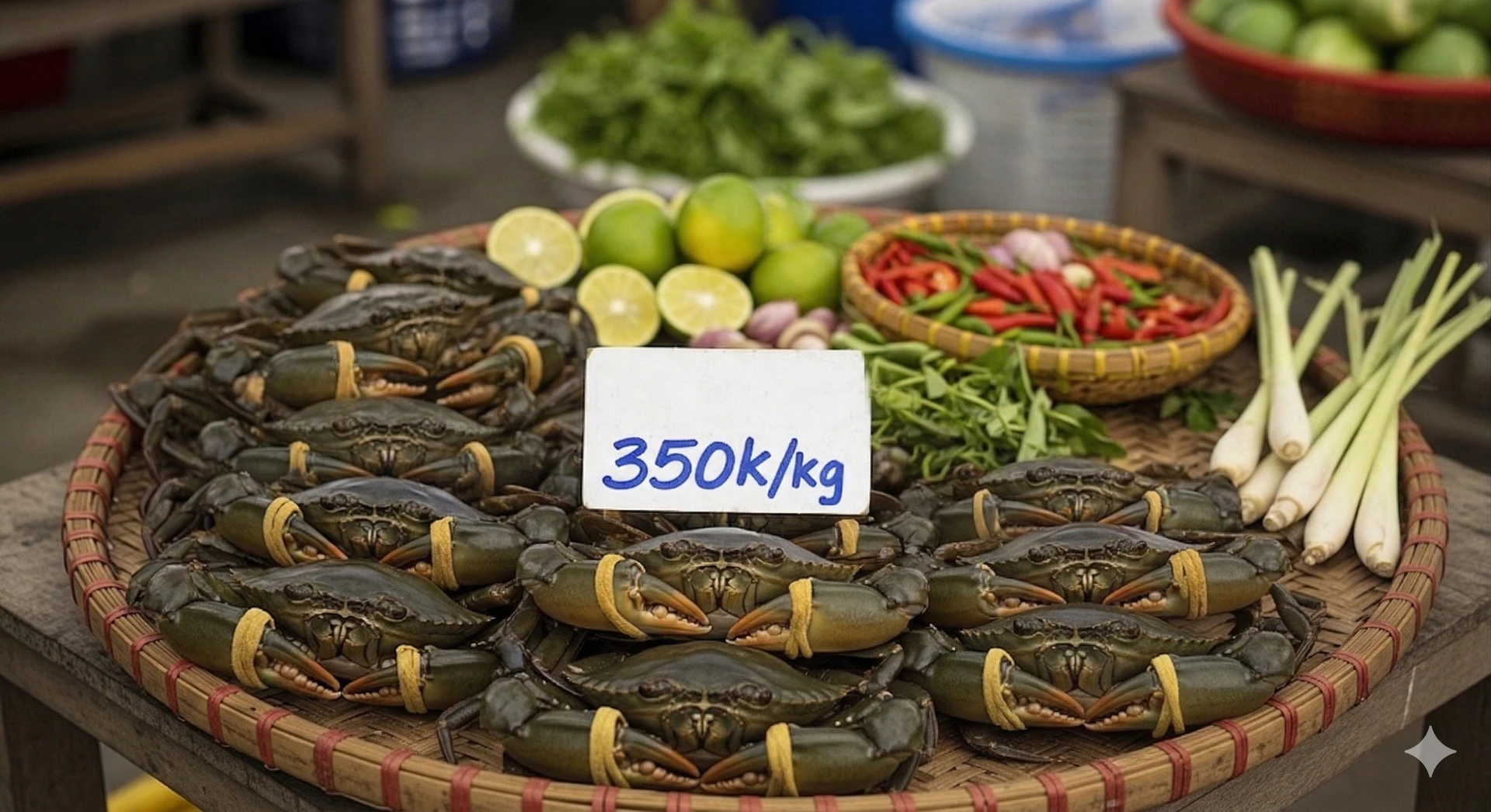
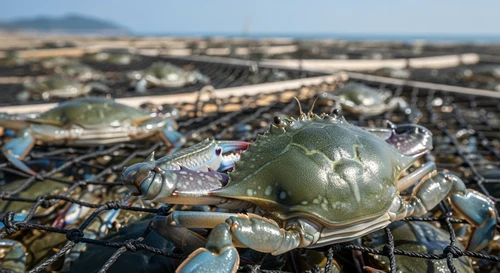
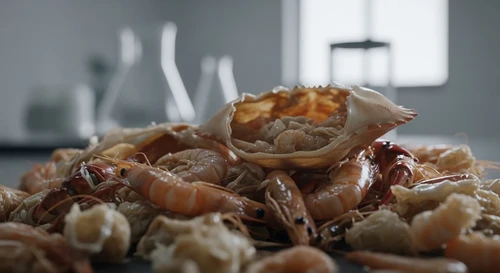
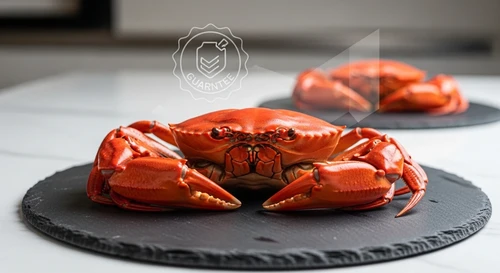
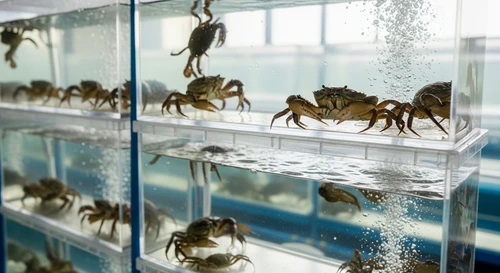
📸 The bounty of the Delta: Fresh Ca Mau crabs await their destiny.
1 The Crown Jewel of the Delta: Ca Mau Crab Explained
The Mekong Delta, a labyrinth of waterways, rice paddies, and mangrove forests, is a culinary paradise. And at its southernmost tip lies Ca Mau, a land synonymous with one of Vietnam’s most prized delicacies: its mud crab. These aren't just any crabs; they are the undisputed kings of the Vietnamese crustacean world, celebrated for their unparalleled sweetness, firm texture, and, in the case of the females, their rich, creamy roe.
What makes Ca Mau crabs so special? It's all about their pristine habitat. The intricate network of brackish water canals and abundant mudflats, fed by both freshwater rivers and the South China Sea, provides an ideal environment. The crabs here thrive on a diet rich in organic matter, small fish, and shellfish, directly contributing to their superior flavor profile.
For centuries, the local communities have perfected the art of sustainable crab farming and catching, turning the region's natural bounty into a culinary legend that draws food lovers from across the globe. You'll find these glorious creatures everywhere, from rustic riverside eateries to high-end Saigon restaurants, but nothing beats tasting them right at the source.
2 From Mangrove to Market: Understanding the Journey
Imagine waking before dawn, the air thick with humidity and the distant hum of a boat engine. That's the rhythm of Ca Mau. Local fishermen, often working in tandem with crab farmers, set out into the mangroves to collect their treasures. Crabs are typically caught using traditional traps or nets, ensuring minimal disturbance to their habitat.
Once caught, the live crabs are meticulously sorted and tied with string (often a thick, colorful rope, which can deceptively add to the weight – a common trick to watch out for!). They are then transported, usually by boat, to local markets or directly to seafood processing facilities and restaurants. This journey, from the muddy banks to the bustling market stall, is quick, emphasizing freshness as the ultimate priority.
The speed and care in this process directly influence the crab's quality and, by extension, its price. A crab that has been well-handled and swiftly brought to market will fetch a higher price because its vitality and freshness are guaranteed. A long, stressful journey, or improper handling, can lead to weaker, less desirable crabs, impacting both taste and cost.
3 The Ca Mau Crab Hierarchy: Types and Grades
Not all Ca Mau crabs are created equal, and understanding their classifications is key to making an informed purchase. The price you pay will largely depend on the type, size, and gender of the crab.
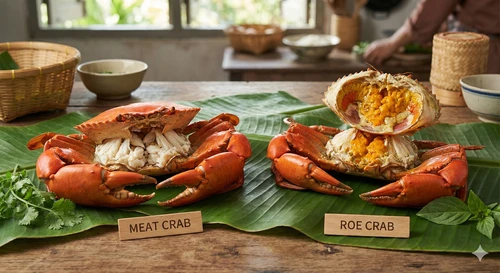
Meat Crab (Cua Thịt)
These are typically male crabs, celebrated for their abundance of sweet, firm, white meat. They are a staple for any dish where the pure flavor of crab meat is desired, whether steamed, grilled, or stir-fried with tamarind sauce. The larger the meat crab, generally the more prized it is, due to the higher meat-to-shell ratio.
Roe Crab (Cua Gạch)
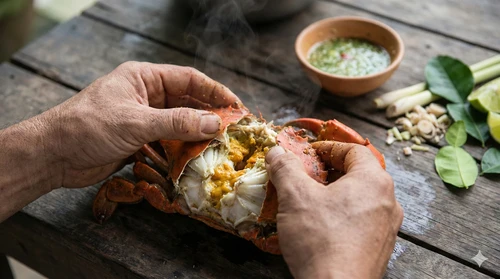
Ah, the "liquid gold" of the delta! Roe crabs are female crabs, specifically chosen when they are full of a rich, orange-red roe (gạch). This roe is incredibly flavorful, buttery, and often considered the pinnacle of crab eating by connoisseurs. Roe crabs usually command a higher price than meat crabs of similar size due to the demand for this exquisite delicacy.
The Size Grades: Y5, Y4, and Beyond
Locals also classify crabs by size and quality, often using terms like "Y5" or "Y4." These refer to the number of crabs required to make up one kilogram. For instance, "Y5" might mean five crabs per kilogram (smaller), while "Y3" or "Y2" would indicate much larger, more premium crabs (two or three per kilogram). The larger the individual crab, the higher its price per kilogram. "Y5" are often the most affordable, while "Y1" (one crab per kg) or even "Y0" (crabs over 1kg each) are rare and extremely expensive.
Always inspect the crab's firmness and activity. A lively crab with a hard shell (especially around the belly for females) is a good indicator of quality and freshness, regardless of its size grade.
4 Navigating the Scales: Price Factors & Fluctuations
The price of Ca Mau crab isn't static; it's a dynamic beast influenced by several factors. Understanding these can help you anticipate cost and avoid overpaying.
- Seasonality: While Ca Mau crabs are available year-round, there are peak seasons (often coinciding with cooler, drier months) when supply is abundant and quality is at its best. During lean months or breeding seasons, prices can naturally climb.
- Supply and Demand: Simple economics. If a typhoon impacts fishing, or if a major festival boosts demand (like Tết), prices will surge. Conversely, a bumper harvest can lead to more competitive pricing.
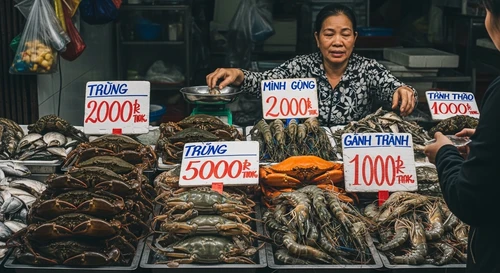
- Location of Purchase: Buying directly from a local fisherman or a wet market in Ca Mau will almost always be cheaper than buying from a seafood restaurant in Ho Chi Minh City or Hanoi. The further you are from the source, the higher the logistical costs and markups.
- Time of Day: At local markets, you might find slightly better deals early in the morning when the fresh catch arrives, or late in the day when vendors are keen to clear their stock.
- Haggling (in markets): In traditional Vietnamese markets, bargaining is expected, especially for larger purchases. A polite smile and a few simple Vietnamese phrases can go a long way. However, don't expect to haggle at established restaurants.
Always consider these variables when budgeting for your crab feast. A little research into local conditions can save you a significant amount.
5 The Ca Mau Crab Price Guide: What to Expect (Per Kilogram)
Alright, let's talk numbers. These are general price ranges (in Vietnamese Dong - VND, with rough USD equivalents) based on typical market conditions in Ca Mau and other Mekong Delta provinces. Prices can fluctuate, so treat this as a solid benchmark for your trip.
| Crab Type/Size | Local Wet Market (VND/kg) | Restaurant/City Market (VND/kg) | Approx. USD/kg |
|---|---|---|---|
| Small Meat Crab (< 300g each) | 250,000 - 350,000 | 300,000 - 450,000 | ~$10 - $18 |
| Medium Meat Crab (300-500g each) | 350,000 - 500,000 | 450,000 - 650,000 | ~$15 - $28 |
| Large Meat Crab (500g-1kg+ each) | 500,000 - 800,000+ | 650,000 - 1,200,000+ | ~$20 - $50+ |
| Roe Crab (Cua Gạch) (any size, full roe) | 400,000 - 900,000+ | 550,000 - 1,500,000+ | ~$16 - $60+ |
Note: 1 USD is approximately 24,000 - 25,000 VND (as of early 2024). Prices are per kilogram. Always confirm the weight before purchase, especially for live crabs.
Cooked Crab Dishes in Restaurants
When ordering a cooked crab dish at a restaurant, expect the price to be higher, as it includes the cost of ingredients, preparation, and service. Many restaurants will price crabs by weight, sometimes with a per-100g rate. A single large crab (e.g., 500g) prepared in a popular style like tamarind crab or beer-steamed crab could range from 300,000 VND to 700,000 VND (roughly $12-$28 USD) depending on the restaurant's prestige and location.
Don't be afraid to ask for the price per 100g or per crab before ordering, especially in tourist-heavy areas. Transparency is key.
6 Insider Tips: Getting the Best Bang for Your Buck
- Go Local: Your best bet for fair prices and freshest crabs is a bustling local wet market in Ca Mau province itself, or even in nearby towns like Can Tho or Rach Gia. Avoid tourist traps.
- Inspect Vigor: A good crab is a lively crab. It should be feisty, its claws active. Avoid sluggish ones or those missing limbs. Tap the shell; it should feel solid, not hollow.
- Check the "Rope Weight": As mentioned, vendors sometimes use thick, wet rope to tie crabs, adding significant weight. Politely ask them to weigh the crab first, then untie some of the excessive rope if present, and re-weigh. Some vendors will already have crabs tied with minimal string for honest pricing.
- Bargain Respectfully: If at a market, try to get 10-20% off the initial quoted price, especially if buying multiple crabs. Always do it with a smile.
- Ask for "Cua Y": If you’re serious about size, ask for "Cua Y", referring to the large, premium grades.
- Mind the Gender: Decide if you prefer meat or roe. If you want roe, specify "Cua Gạch" (female crab with roe). If you want just meat, "Cua Thịt" (meat crab) is usually male.
- Confirm Cooking Price: If you buy live crabs at a market and ask a nearby stall or restaurant to cook them for you, confirm the cooking fee beforehand. It’s usually a small charge per dish or per kilogram.
Beyond the Scale: Must-Try Ca Mau Crab Dishes 🦀
Once you've secured your prize, how should you enjoy it? Here are a few iconic preparations that let Ca Mau crab shine.
Steamed with Beer & Lemongrass
Pure and unadulterated. The beer subtly tenderizes and adds aroma, while lemongrass infuses an earthy, citrusy note. Served with a simple lime-salt-pepper dip.
Stir-fried with Tamarind (Cua Rang Me)
A flavor explosion! Crabs tossed in a sticky, sweet, sour, and spicy tamarind sauce. Finger-licking good and wildly popular.
Crab Noodle Soup (Bánh Canh Cua)
Thick tapioca noodles in a rich, flavorful crab broth, often topped with generous chunks of crab meat and sometimes even a whole small crab.
8 Beyond the Price Tag: The True Value of a Ca Mau Crab
While this guide meticulously breaks down the financial aspects, the true value of a Ca Mau crab goes far beyond its monetary cost. It’s an experience.
It's the vibrant colors of the market, the friendly banter with vendors, the challenge of cracking open a tough shell to reveal pristine, sweet meat. It’s the shared joy of a communal meal, dipping succulent chunks into a zingy lime-salt-and-pepper dip, surrounded by the sights and sounds of the delta.
Paying a fair price for a Ca Mau crab isn't just about getting a good deal; it's about respecting the hard work of the local communities, appreciating their unique environment, and savoring a culinary tradition that has been perfected over generations. So, armed with this guide, go forth, explore, and indulge in the golden bounty of Ca Mau. It’s worth every penny.