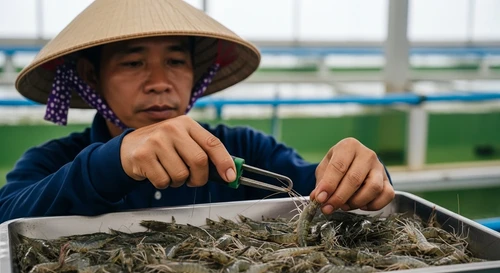
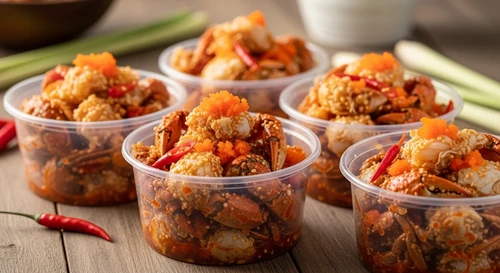
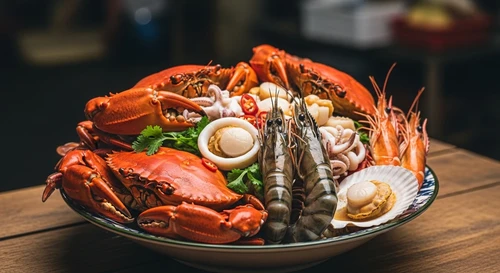
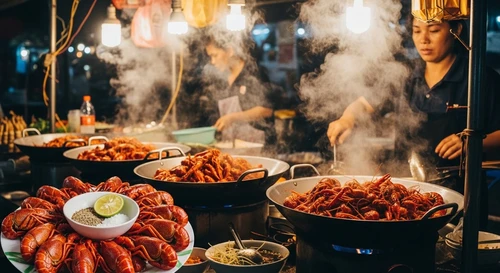
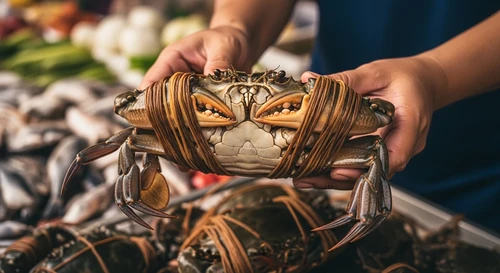
" Forget everything you learned about polite table manners. In the Mekong Delta, your hands are your best utensils, especially when that glorious, muddy-sweet river prawn stares back at you. "
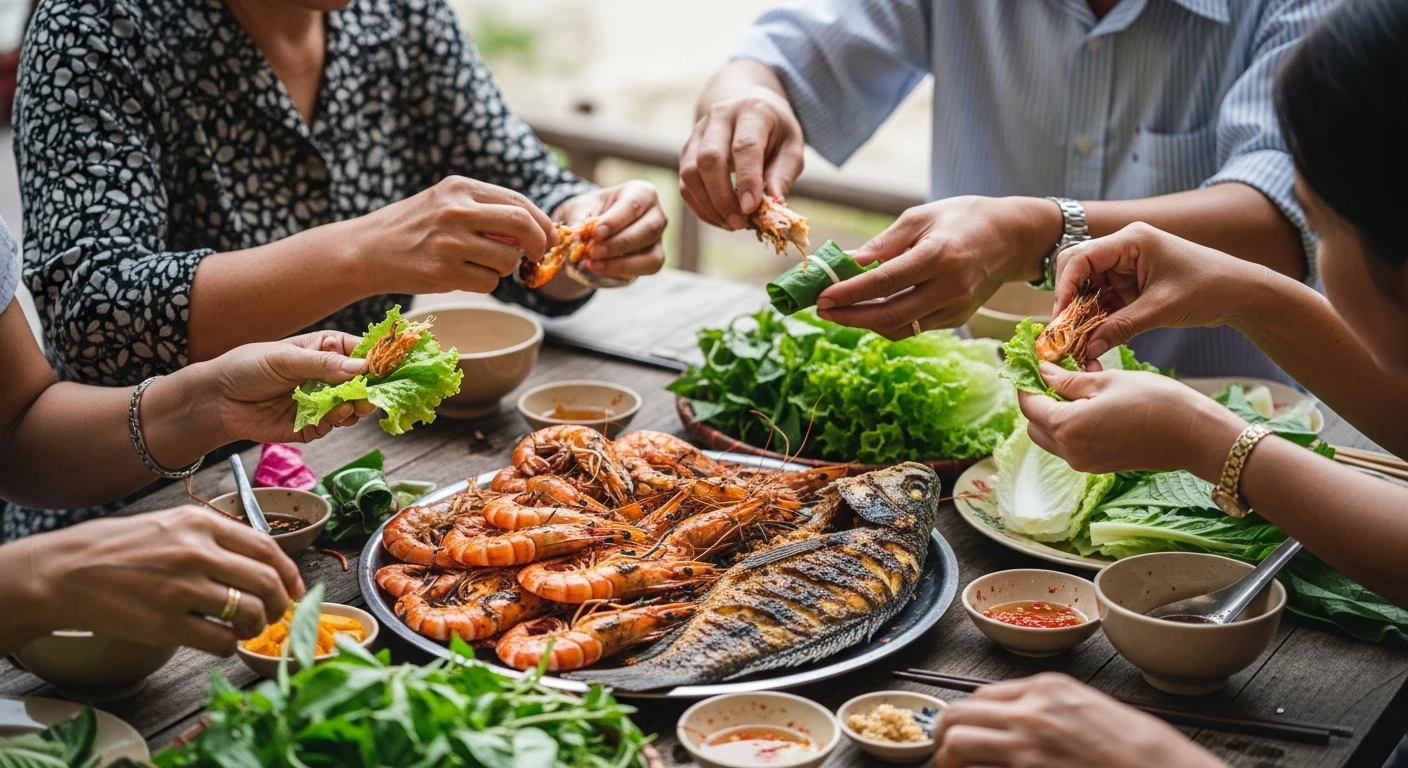
📸 Embracing the communal feast: The joy of shared food, hands-on.
1 The First Reach: A Delicate Dance of Deliciousness
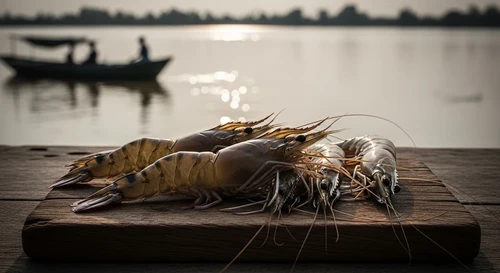
Imagine this: You’re deep in the heart of Vietnam’s Mekong Delta, the air thick with humidity and the scent of grilled fish. A platter of fresh river prawns, glistening with chili and garlic, arrives at your rustic wooden table. Your chopsticks feel… inadequate. You glance around, a flicker of uncertainty in your eyes. Is it okay? Is it polite? Should you dive in, fingers first, like the locals seem to be doing with such unbridled joy?
The answer, dear traveler, is a resounding yes. In many culinary contexts across Vietnam, particularly when feasting on the bountiful seafood of the Delta, using your hands isn't just acceptable; it’s often the most authentic, respectful, and frankly, the most efficient way to truly savor the experience. It's an unspoken invitation to connect, to get messy, and to become part of the vibrant tapestry of Vietnamese dining culture.
2 Beyond the Fork: A Brief History of Hand-to-Mouth Delights
Before forks made their grand entrance into Western dining, hands were the original utensils. In many cultures worldwide, this tradition persists, rooted in practicality, communal spirit, and a direct connection to the food. Vietnam is no exception. While chopsticks are the default for noodle soups and many stir-fries, certain dishes practically beg for a more tactile approach.
For centuries, the people of the Delta have fished, farmed, and cooked with an intimate understanding of their ingredients. Eating with hands for dishes like grilled fish, fresh spring rolls (gỏi cuốn), or even tearing off pieces of crispy pancake (bánh xèo) isn't just about utility; it’s a cultural cornerstone. It fosters a sense of togetherness, a relaxed atmosphere where the focus is less on rigid formalities and more on the shared pleasure of a good meal. It’s an ancient practice that echoes the simple, honest traditions of riverside life.
3 The Delta's Bounty: Where Seafood Reigns Supreme
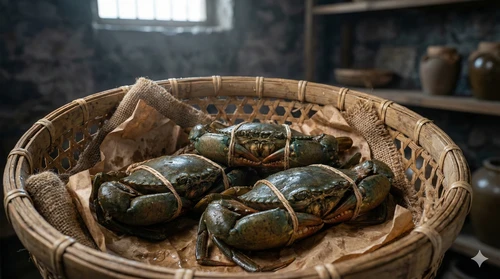
The Mekong Delta, a labyrinth of rivers, canals, and fertile land, is Vietnam’s rice bowl and, arguably, its seafood pantry. From the muddy depths come freshwater prawns, crabs, various river fish, and snails. These creatures, often grilled simply over charcoal, steamed with aromatics, or fried until crispy, are best enjoyed when you can truly get into them.
Consider the mighty grilled river prawn (tôm nướng). Its shell, imbued with the smoky char of the grill, is tough. Trying to meticulously peel it with chopsticks is a fool’s errand and strips away half the fun. The same goes for succulent mud crabs or the delicate flesh of a grilled snakehead fish (cá lóc nướng trui). These are dishes designed for you to roll up your sleeves, quite literally, and engage. The textures, the subtle char, the sweet meat, the rich roe – they all demand direct interaction.
4 Decoding the Table: When Hands Are Welcome (and Expected)
While using your hands is generally fine for seafood, it's not a blanket rule for all Vietnamese dishes. Here’s a quick guide to common scenarios where hands are your best bet:
- Grilled Seafood: Any whole fish, prawns, squid, or crabs that come straight off the grill. The shells and bones are part of the challenge and the pleasure.
- Spring Rolls & Summer Rolls: Both fried spring rolls (nem rán or chả giò) and fresh summer rolls (gỏi cuốn) are designed to be picked up and dipped.
- Savory Pancakes: Dishes like the crispy Vietnamese pancake (bánh xèo) or steamed rice rolls (bánh ướt) are typically torn into pieces and wrapped in lettuce with herbs.
- DIY Rolls: Many dishes involve a platter of ingredients – grilled pork, various herbs, rice paper – that you assemble yourself into fresh rolls.
- Snacks & Street Food: Many street food items, from skewers to sticky rice cakes, are perfectly suited for hand-held enjoyment.
If you see small plates of fresh herbs, lettuce, rice paper, and a dipping sauce accompanying your main dish, it's a strong indicator that hand-wrapping and eating is the way to go.
5 The Art of the Bare Hand: A Step-by-Step Guide to Delta Dining
So, you’ve decided to go all in. Here’s how to navigate the hand-eating experience like a seasoned traveler, without looking like a barbarian:
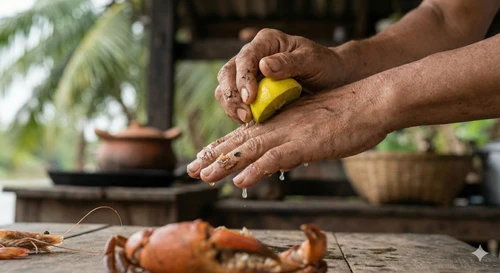
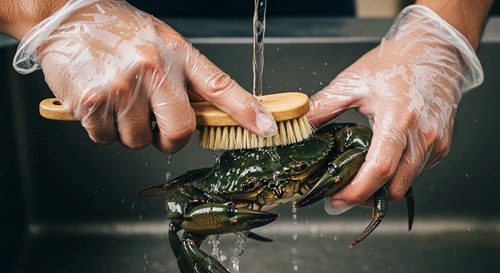
- Wash Your Hands: Always, always start with clean hands. Most reputable establishments will provide a basin or wet wipes.
- Observe and Learn: Watch how the locals tackle their food. Mimic their technique. If they’re peeling a prawn with their thumb and forefinger, do the same.
- Use Your Dominant Hand: Traditionally, the right hand is used for eating, and the left for less "clean" tasks. While less strictly observed by younger generations or in modern settings, it’s a good habit to maintain.
- Tear and Wrap: For dishes like bánh xèo or grilled fish, tear a piece of the main ingredient, add some fresh herbs (basil, mint, cilantro), maybe some rice noodles, wrap it all in a piece of lettuce or rice paper, and then dip.
- Get Messy (Gracefully): Seafood, especially crab, can be a glorious mess. Don't be afraid to extract every morsel. Napkins will be your friend.
- Dip, Don't Drown: Dip your hand-assembled bite into the communal or individual dipping sauce, but don’t let it drip everywhere.
The goal isn't perfection, but participation. Your effort to engage with their culinary customs will be appreciated.
6 Sauces, Wraps, and Revelry: The Companions to Hand-Eaters
Eating with your hands in Vietnam isn't a solitary act; it's part of a symphony of flavors and textures. The magic often lies in the accompaniments:
- Dipping Sauces (nước chấm): These are critical. From the ubiquitous fish sauce concoction (nước mắm chấm) to spicy chili-lime salt (muối ớt xanh) or rich peanut sauces, they provide the necessary zing, salt, and spice that elevate every bite.
- Fresh Herbs (rau thơm): A generous platter of fresh herbs like mint, basil, cilantro, and various leafy greens is a staple. They add freshness, aroma, and cut through the richness of the main dish.
- Rice Paper (bánh tráng): Thin, translucent rice paper sheets are often provided for wrapping. Dip them quickly in water to soften before filling.
- Lettuce & Other Greens: Large lettuce leaves or mustard greens serve as natural wrappers for heavier or greasier items, adding a refreshing crunch.
The combination of these elements, assembled with your own hands, creates a personalized culinary experience that can't be replicated with a fork and knife. It's truly a feast for the senses.
7 More Than Just Food: The Social Fabric of Shared Meals
In Vietnam, food is love, community, and connection. Dining is rarely a solitary event; it’s a communal ritual where dishes are shared from a central table, fostering lively conversation and bonding. Eating with hands enhances this communal spirit. There’s something inherently intimate and egalitarian about everyone getting their fingers dirty together.
When you embrace hand-eating, you signal respect for the local traditions and an openness to experience their culture fully. It breaks down barriers, invites smiles, and often leads to delightful interactions with your fellow diners, who might offer a tip on how to peel a prawn or suggest the perfect herb combination for your next bite. It’s a powerful gesture that transforms a simple meal into a memorable cultural exchange.
Mind Your Manners: Subtle Nuances and Common Pitfalls
While flexibility is key, a few general rules of thumb will help you navigate the Delta dining scene with grace.
What NOT to Do:
- Don’t double-dip: Unless it’s your personal bowl of sauce, avoid dipping a half-eaten piece of food back into the communal sauce.
- Don’t use your left hand: For passing food or eating. It's generally considered unclean.
- Don’t make too much noise: While slurping noodles is fine, avoid excessive chewing or smacking sounds.
- Don’t be overly wasteful: Take what you can eat, and try to finish your plate.
Best Practices:
- Wash hands before & after: Essential for hygiene.
- Use wet wipes: Always handy for quick clean-ups mid-meal.
- Offer food to elders first: A sign of respect.
- Chew with your mouth closed: Universal table manner.
- Leave bones/shells neatly: Place them on a designated discard plate or a corner of your main plate.
9 Embrace the Experience: Your Delta Culinary Journey Awaits
The Mekong Delta is a place where life unfolds organically, close to nature, and culinary traditions reflect this unpretentious spirit. To truly experience its soul, you must shed some of your Western inhibitions and embrace the local way of eating.
When you sit down at a humble eatery overlooking a winding river, and a platter of impossibly fresh seafood is placed before you, don’t hesitate. Take a deep breath, perhaps a shot of rượu đế (local rice wine) if offered, and let your hands guide you. It’s more than just a meal; it’s an initiation, a sensory explosion, and a beautiful connection to the heart of Vietnam. Go on, get your hands dirty. You won't regret it.
Hungry for More Cultural Insights?
The Mekong Delta is a treasure trove of traditions. Dive deeper into its unique charm.
🗺️ Explore our Delta Travel Guide