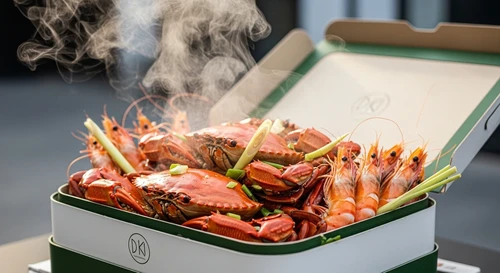
" There's a particular magic to the Mekong Delta. It's not just the labyrinthine waterways or the intoxicating aromas of street food. It's the profound respect for cycles, for making the most of what nature provides. Even after the sweetest crab meat has been savored, the story isn't over. The shells, often discarded, hold a second, equally vital life. "
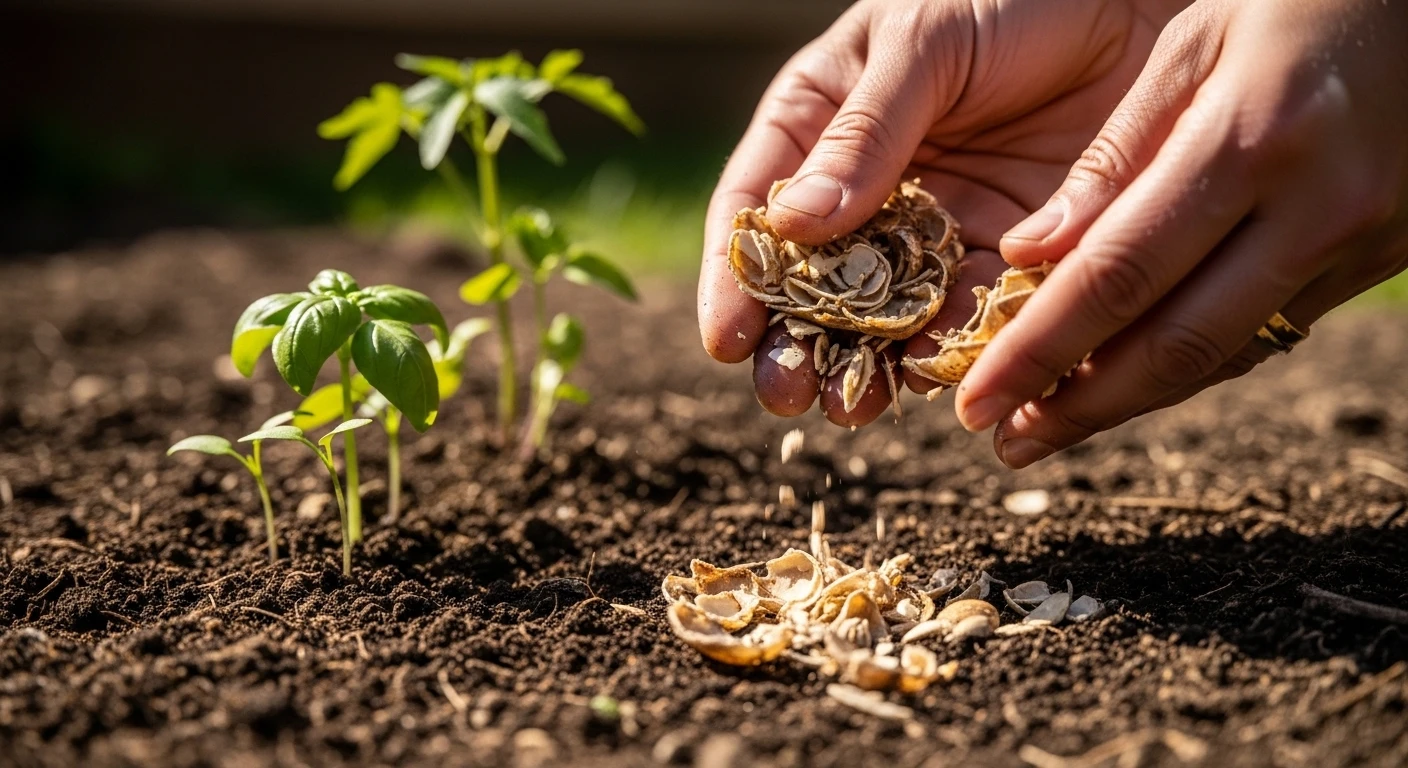
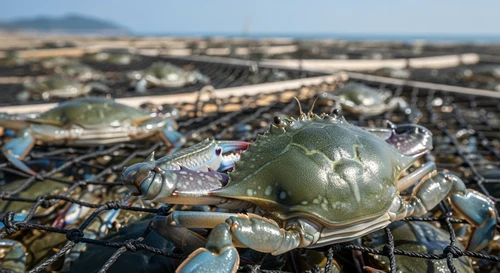
📸 From river to garden: Crab shells, once a culinary delight, now enrich the earth.
1 The Delta's Unseen Cycle: From River Plate to Garden Bed
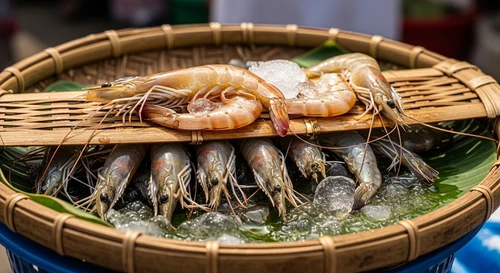
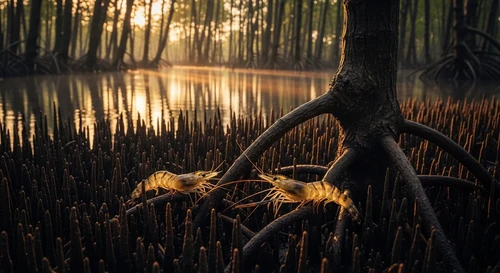
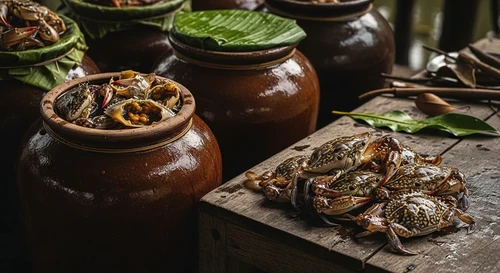
Think of the Mekong Delta. What comes to mind? Bustling floating markets, verdant rice paddies, the rich, muddy currents, and, inevitably, seafood. Loads of it. From succulent prawns to the magnificent mud crabs that are a culinary cornerstone, the delta's bounty is endless. But for generations, its people have understood a fundamental truth: nothing truly goes to waste. This isn't just about thrift; it's about an innate connection to the land and its resources.
While we might typically discard the remnants of a glorious crab feast, the shells hold an incredible secret, a second act that echoes the delta's own cycle of life and renewal. They are a powerhouse of nutrients, ready to be returned to the very earth that sustained the crab in the first place. This isn't just gardening; it's participating in an ancient, sustainable dance.
2 Why Bother? The Unsung Hero of Your Soil
So, what makes a humble crab shell such a miraculous addition to your garden? It's all about chemistry and the intricate web of nature. Crab shells are primarily composed of two crucial elements: calcium carbonate and chitin. These aren't just fancy scientific terms; they're the building blocks for healthier, more resilient plants and a thriving soil ecosystem.
Calcium Powerhouse
Just like humans, plants need calcium for strong cell walls, vigorous root growth, and overall structural integrity. A calcium deficiency can lead to common issues like blossom end rot in tomatoes and peppers, or stunted growth. Crab shells provide a slow-release, natural source of this essential macro-nutrient, far superior to synthetic alternatives.
Chitin: Nature's Defense Mechanism
This is where it gets truly fascinating. Chitin is a complex carbohydrate, also found in insect exoskeletons and mushroom cell walls. When chitin is introduced to soil, it stimulates the growth of chitin-eating bacteria and fungi. These microbes, in turn, become a natural defense mechanism for your plants, deterring pests like nematodes, root maggots, and fungal diseases by literally consuming their chitin-based bodies or protective layers. It's like giving your plants a tiny, biological army.
Beyond calcium and chitin, crab shells also contain trace amounts of nitrogen, phosphorus, and other minerals, contributing to a holistic nutrient profile that enriches your soil over time.
3 The Catch of the Day: Sourcing Your Shells
The beauty of this sustainable practice lies in its accessibility. If you're a seafood lover, especially of crab, you're already halfway there.
- Home Kitchens: The most obvious source! After a delicious crab feast, collect those shells. Rinse them clean, and you're good to go. This transforms what was once kitchen waste into a valuable resource.
- Local Seafood Markets: Many markets, especially in coastal areas or those with a strong Asian community, sell fresh crab. Ask the vendors if they have discarded shells. Often, they're happy to give them away or sell them for a very small fee. Just ensure they're from fresh, not pre-cooked, crabs if possible, to avoid excessive salt.
- Restaurants: Seafood restaurants, particularly those specializing in crab dishes, generate a significant amount of shell waste. A friendly chat with the manager might secure you a steady supply. Again, check for cleanliness and any added sauces/seasonings.
A Delta Tip: In the Mekong, locals often gather shells from communal feasts or directly from the fishermen who process their catch. The fresher and cleaner the shell, the better for your garden. Avoid shells that have been sitting out for too long or are heavily seasoned.
4 The Alchemist's Workshop: Preparing Your Crab Shells for Transformation
Turning a crab shell into garden gold isn't rocket science, but a little preparation goes a long way. The goal is to clean, dry, and reduce the shells to a manageable size, making their nutrients readily available to your soil.
Rinse and Purge
Immediately after eating (or acquiring) the shells, give them a thorough rinse under cold running water. Remove any lingering meat, viscera, or strong seasonings. This prevents odors and attracts fewer unwanted critters during the drying process. A stiff brush can help.
The Sun's Embrace (Drying)
Drying is crucial to prevent mold and make crushing easier. Spread the cleaned shells in a single layer on a baking sheet, old screen, or even directly on a clean concrete surface in direct sunlight. Let them dry for several days, or until they are completely brittle. In humid climates like the Delta, you might need to bring them indoors at night or use a very low oven setting (around 200°F / 95°C) for a few hours.
Crush and Conquer
Once dry, the shells will be brittle. For larger quantities, a food processor is your best friend — aim for a coarse, gritty powder, similar to sand or fine gravel. For smaller batches, place shells in a sturdy bag (like a canvas produce bag) and smash them with a hammer or a heavy stone. The finer the particles, the quicker the nutrients will be released into the soil.
Application Alchemy: How to Integrate Crab Shells into Your Garden
Now that you have your pulverized crab shells, it's time to put them to work. Here's how to unleash their full potential in your garden.
Soil Amendment: A Slow Release Feast
Mix 1-2 cups of crushed crab shells per 10 square feet of garden bed. Incorporate them into the top 4-6 inches of soil during spring planting or fall bed preparation. The nutrients will slowly leach into the soil, providing long-term benefits.
Pest Deterrent: The Chitin Shield
Sprinkle a fine layer of crushed shells around the base of plants susceptible to slugs, snails, or nematodes. The sharp edges act as a physical barrier, while the chitin encourages beneficial microbes that fight off root-attacking pests.
Compost Booster: Accelerating Decomposition
Add a handful of crushed shells to your compost pile every few layers. They introduce beneficial microorganisms and add valuable calcium, helping to create a richer, more balanced finished compost.
6 Beyond the Shell: A Delta Ethos of Resourcefulness
The practice of recycling crab shells is more than just a gardening hack; it’s a reflection of a broader philosophy prevalent in the Mekong Delta. Here, sustainability isn't a buzzword; it's a way of life born out of necessity and a deep understanding of natural cycles. Every part of the coconut tree finds a purpose, discarded fish heads become rich stock, and even leftover rice is transformed into fermented delicacies.
This resourcefulness is deeply ingrained, a testament to generations living in harmony with a powerful, yet giving, river. When you sprinkle those crushed shells into your garden, you're not just fertilizing; you're participating in a legacy of conscious consumption and ecological balance that the people of the Mekong have perfected over centuries. It's about closing the loop, honoring the source, and ensuring the bounty continues for future harvests.
7 Expert Tips from the Riverbank
- Don't Overdo It: While beneficial, don't use excessive amounts. A balanced approach is key. Too much chitin can sometimes bind up other nutrients if used in extremely high concentrations without proper microbial activity.
- Finer is Better: The finer the grind, the faster the decomposition and nutrient release. A coarse grind will work, but it will take longer to break down.
- Salt Content: If you're sourcing shells from heavily salted dishes, a quick boil or extra rinse might be beneficial, especially for container plants sensitive to salinity. For most garden beds, the small amount of residual salt will dissipate quickly.
- Storage: Store dried, crushed shells in an airtight container in a cool, dry place. This prevents moisture absorption and maintains their efficacy.
- Patience is a Virtue: Crab shells are a slow-release amendment. Don't expect immediate results like with synthetic fertilizers. Their benefits accrue over weeks and months, building healthier soil structure and plant immunity over time.
8 The Full Circle: A Toast to Sustainable Living
The journey of a crab shell, from the vibrant waters of the Mekong, through a delicious meal, and finally, into the nurturing embrace of your garden, is a testament to the power of thoughtful resource management. It's a small act with significant ecological impact, a nod to the ancient wisdom that recognizes waste not as an end, but as a new beginning.
So next time you crack open a crab, don't just enjoy the sweet meat. Think about the hidden potential in its shell. Think about the delta, where life flows in a continuous, generous loop. And then, turn that waste into wonder, enriching your patch of earth with a little piece of Mekong magic. Your garden, and the planet, will thank you.
Craving More Delta Secrets?
From the resourceful culinary traditions to the vibrant ecosystems, the Mekong Delta always has more to reveal.
🌊 Explore Sustainable Mekong Life