" In the sun-drenched, water-laced labyrinth of the Mekong Delta, a culinary truth echoes through the stilt houses and bustling markets: the soul of a perfect crab dish lies not just in the cooking, but in the meticulous purification that precedes it. "
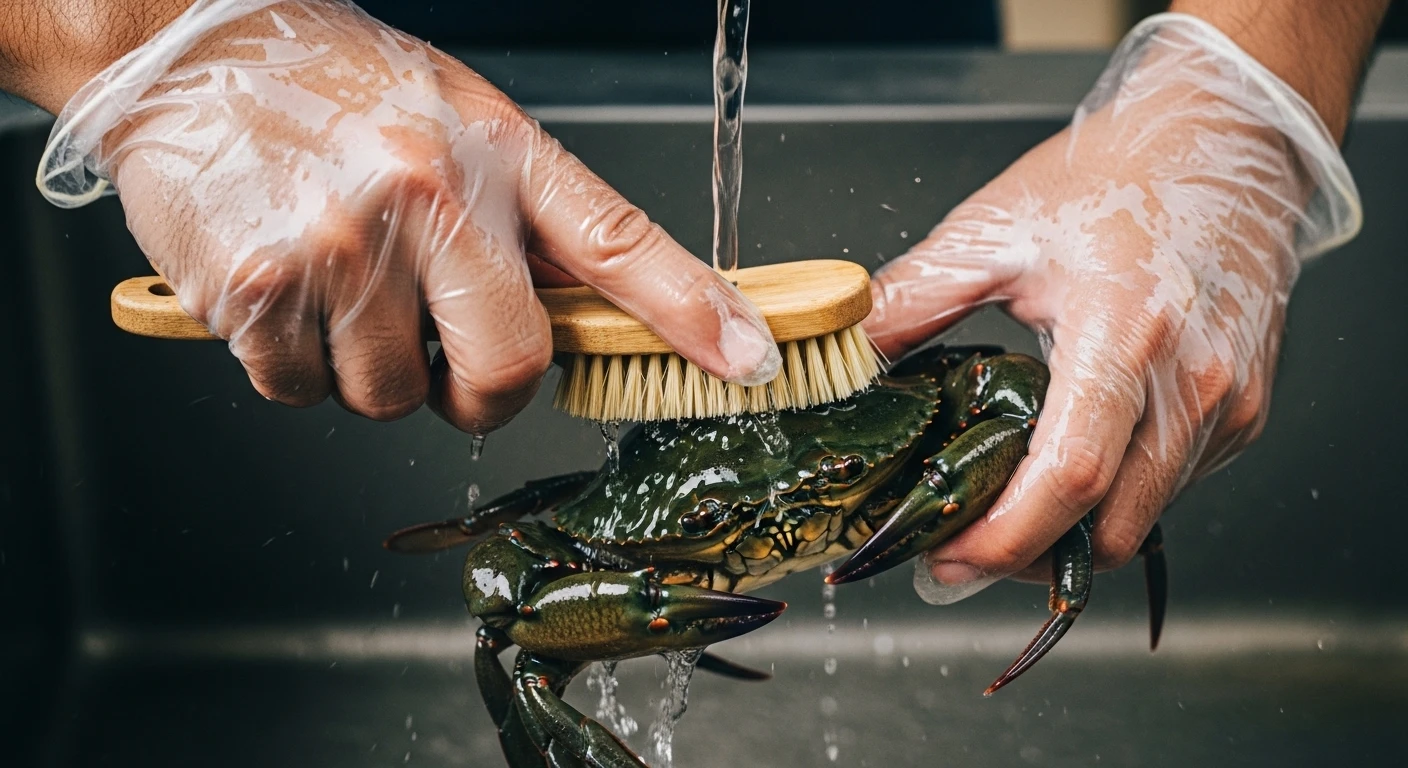
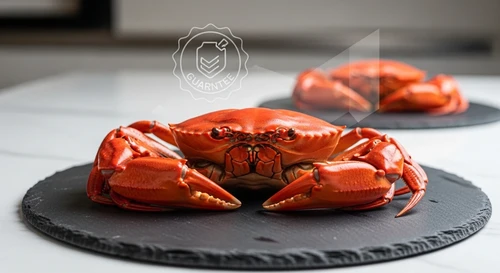
📸 The reward for your efforts: A pristine mud crab, ready to become a masterpiece.
1 A Mekong Ritual: Why Mastering the Clean Crab Matters
Imagine the Mekong Delta at dawn. The air is thick with humidity, the scent of fertile earth, and the distant hum of a sampan slicing through murky waters. Here, amongst the dense mangroves and intricate waterways, thrives a creature of unparalleled culinary esteem: the mud crab. Its meat is sweet, firm, and undeniably fresh – a true taste of the delta's bounty.
But here’s the unvarnished truth: to truly unlock this delicate flavor, to savor its pristine essence without a hint of its muddy origins, demands a ritual. Not just any cleaning, but a meticulous, respectful purification. This isn't merely about hygiene; it's about elevating the ingredient, honoring its journey from the wild depths to your plate. Forget intricate sauces for a moment; the real magic begins with a perfectly cleaned crab.
2 From the Mangroves to Your Plate: The Mighty Mud Crab
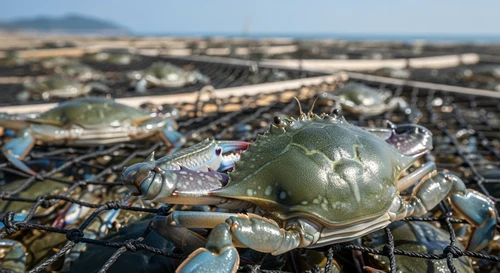
Mud crabs, often known by their scientific name Scylla serrata, are king in the estuarine regions of Southeast Asia, particularly thriving in the nutrient-rich, brackish waters of Vietnam's Mekong Delta. They are robust, powerful creatures, perfectly adapted to burrowing deep into the silty riverbanks and mangrove swamps. This environment, while essential for their growth and distinctive flavor, also explains their common moniker: mud crab.
The locals of provinces like Ca Mau, renowned for having some of the finest mud crabs in Vietnam, understand their worth. A good mud crab means firm, succulent white meat, often with a rich, creamy roe (gạch cua) that is highly prized. Whether steamed, stir-fried with tamarind, or tossed in a fiery chili sauce, the mud crab is a celebration of the delta's abundant seafood. But before it can become a star, it must be wrestled from its natural habitat – both literally and figuratively – into a state of culinary readiness.
3 The Dirt on Mud Crabs: Understanding the "Whys" of Cleaning
So, what exactly are we cleaning off these magnificent crustaceans? It's more than just the obvious mud clinging to their shells. Mud crabs spend their lives foraging in the sediment, which means fine sand, silt, and various detritus can lodge within their crevices, especially around the leg joints and under the carapace (top shell).
More crucially, the internal organs – particularly the gills (often referred to as 'dead man's fingers'), the digestive tract, and the stomach sac – can harbor unpleasant tastes and unwanted bacteria. Failing to remove these will impart a bitter, murky, or simply unappetizing flavor to your prized crab meat. It's a fundamental step that separates an amateur cook from a seasoned Mekong culinary enthusiast. Proper cleaning ensures not only food safety but, more importantly, a clean, sweet taste that allows the crab's natural flavors to shine through.
4 Arming Your Arsenal: Essential Tools for the Task
Don't be intimidated; you don't need specialized equipment for this. The best tools are often the simplest, readily available in any kitchen:
- A Stiff-Bristled Brush: An old toothbrush works wonders, or a dedicated scrubbing brush. This is your primary weapon against stubborn mud.
- A Large Basin or Deep Sink: For soaking and rinsing, ideally under a strong stream of running water.
- A Sharp Knife or Strong Kitchen Shears: Essential for separating the carapace and removing internal organs.
- Heavy-Duty Kitchen Gloves (Optional but Recommended): Mud crab claws are powerful, even when subdued. These offer protection.
- A Bucket of Ice Water: For humanely subduing the crab before cleaning (more on this next).
Preparation is key. Have everything laid out before you begin. Once the crab is ready, the cleaning process needs to be swift and efficient.
5 The Humane Approach: Quieting the Claws
Before you embark on the cleaning process, it's crucial to subdue the live crab. Not only is this more humane, but it also makes the task significantly safer and easier for you. A live, thrashing crab is a formidable opponent, capable of inflicting painful nips with its powerful claws. There are two primary methods:
- The Ice Bath Slumber: Place the live crabs into a bucket filled with ice and a little water. Cover and leave them for 15-30 minutes. The cold gradually puts them into a state of torpor, making them immobile and insensible. This is generally considered the gentlest method.
- The Quick Pierce: For those accustomed to handling seafood, a swift and precise method involves turning the crab onto its back and using a sharp chopstick or pointed knife to pierce the central nerve cluster located just behind the mouthparts (the triangular 'apron' area). This kills the crab instantly. While less common for home cooks, it's a method often employed by seasoned vendors and chefs for its quickness and effectiveness.
Whichever method you choose, always handle the crab with care and respect. Once subdued, you can proceed to the purification ritual with confidence.
6 The Grand Purification: A Step-by-Step Guide to Impeccable Crabs
- 1
The Initial Scrub: External Cleansing
Under strong running water, use your stiff brush to vigorously scrub every inch of the crab's shell. Pay particular attention to the underside, the joints of the legs, and the edges of the carapace. Remove all visible mud, sand, and any foreign debris. This might take a few minutes per crab, but it's crucial for a clean final product.
- 2
Removing the Apron: The Belly Flap
Turn the crab onto its back. You'll see a triangular or T-shaped flap (the apron) tucked underneath its belly. For females, it's wider and more rounded; for males, it's narrower. Carefully pry this flap open with your fingers or the tip of your knife. Once open, pull it firmly to detach it from the body. This often contains some digestive matter, so discarding it is essential.
- 3
Cracking the Carapace: Exposing the Interior
With the crab still on its back, place your thumbs where the top shell (carapace) meets the body near the eyes. Push firmly, prying the carapace away from the body. It should snap off with a bit of force. Be careful not to spill any delicious crab roe (if present), which usually adheres to the top shell. Set the carapace aside if you plan to use it for presentation or for its roe.
- 4
Gills and Guts: The Unwanted Bits
Now you're at the heart of the matter. On both sides of the crab's body, you'll see grey, feathery structures – these are the gills. They are bitter and indigestible. Pinch them off and discard them. Also, locate the stomach sac (a small, triangular bag near the mouth) and the attached digestive tract running down the center; remove and discard these entirely. If there's any yellowish-green digestive material (tomalley) that you don't wish to consume, scrape it away.
- 5
Final Rinses: Sparkling Clean
Once all the unwanted bits are removed, give the crab body a thorough final rinse under cold running water. Ensure no loose bits of gill or digestive material remain. You should be left with a gleaming, clean crab body, ready for whatever culinary adventure awaits. Repeat this process for all your crabs.
Secrets from the Delta: Expert Tips for a Pristine Prep 🦀
The seasoned cooks of the Mekong Delta have a few extra tricks up their sleeve to ensure every mud crab is perfection.
1. Saltwater Soak
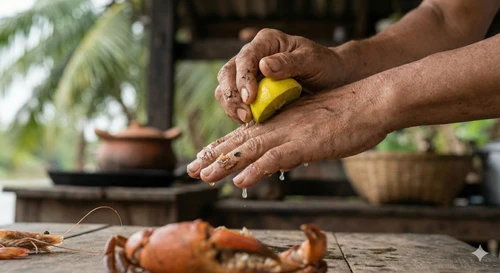
If possible, a short 15-minute soak in clean saltwater (or lightly salted water) before scrubbing can help the crabs naturally purge some impurities. Don't overdo it, or you might dilute their natural brininess.
2. Inspect Thoroughly
After cleaning, give a final, careful inspection. Look into every nook and cranny. A missed piece of gill can spoil the entire dish.
3. Separate & Store
If you're not cooking immediately, store the cleaned crab body and carapace separately in airtight containers in the refrigerator. Use within 24 hours for optimal freshness.
4. Timing is Everything
Always clean crabs as close to cooking time as possible. The fresher they are when cleaned, the better the final taste and texture will be.
8 Beyond Clean: The Promise of Pure Flavor
This meticulous cleaning process, while perhaps seeming laborious, is more than just a chore; it's an investment. An investment in flavor, in hygiene, and in respect for the incredible ingredient you are about to transform. When you bite into a properly cleaned and cooked Mekong Delta mud crab, you'll understand. The meat will be sweet, oceanic, and firm, without any hint of bitterness or muddiness.
It's a testament to the idea that sometimes, the simplest dishes are the most profound, provided the foundational work is done with care and precision. So, next time you encounter these magnificent crustaceans, remember this guide. Embrace the ritual, and you'll be rewarded with a taste of the Mekong Delta as pure and unforgettable as the delta itself.
Ready to Cook?
Now that your crabs are pristine, how about transforming them into a legendary Vietnamese dish?
🔥 Master Tamarind Crab