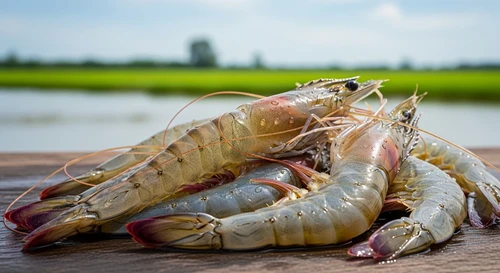
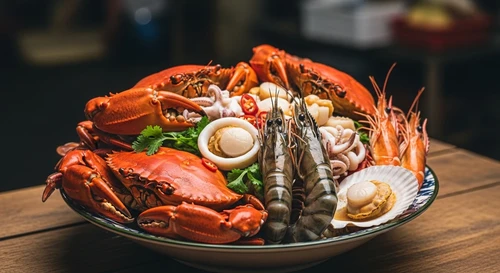
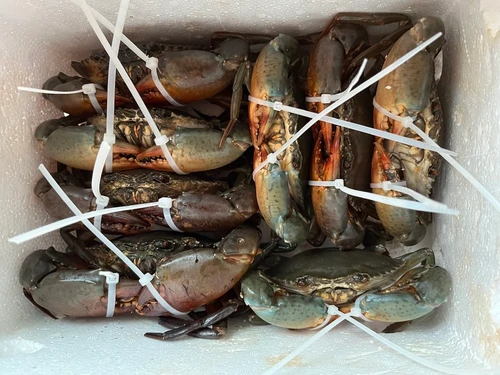
" There are a million ways to mess up a crab. But there are only two paths to perfection: a swift, flavorful boil or a gentle, aromatic steam. The choice, my friends, is everything. "
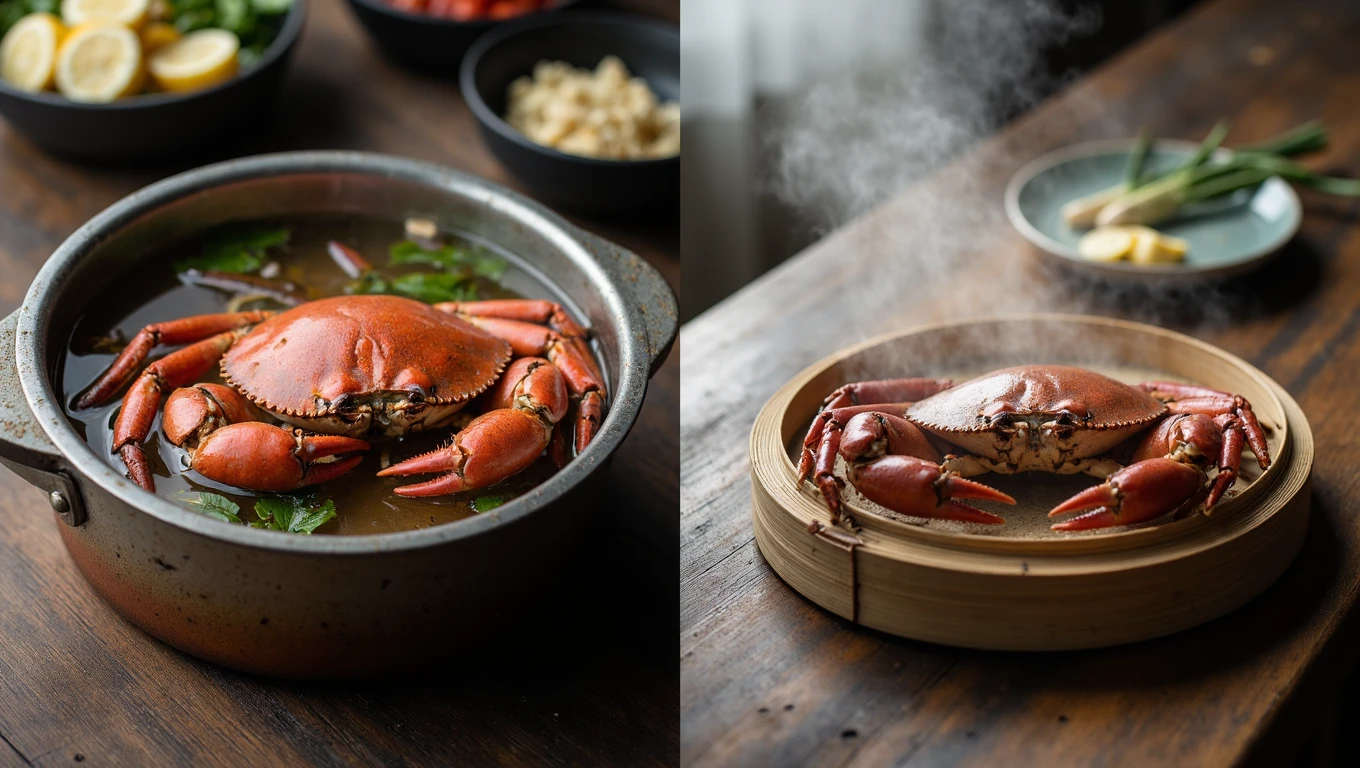
📸 The moment of truth: Two paths, one delicious destination.
1 The Mekong's Crimson Jewels: A Crustacean Overture
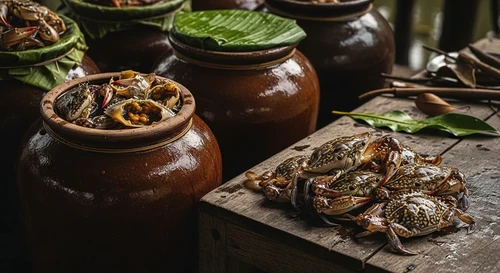
Picture this: The sun-drenched, muddy banks of the Mekong Delta, where freshwater and saltwater dance in a never-ending embrace. This labyrinthine landscape, a lifeline for millions, is also a paradise for some of the world's most coveted crustaceans. From the robust mud crabs of Ca Mau to the swift blue crabs caught off the coast, crab isn't just food here; it's a way of life, a centerpiece of every celebration, and the star of countless humble family meals. The question isn't if you'll eat crab in the Delta, but how. And that, my friends, is where the great culinary debate begins: boiling versus steaming.
For a Western palate, accustomed to crab boils laden with Old Bay or steamed Alaskan King Crab legs with drawn butter, the nuances of Vietnamese crab preparation might seem subtle. But in the Mekong, these aren't just cooking methods; they're philosophies. Each approach extracts something unique from the crab, presenting a different facet of its inherent deliciousness. Let's peel back the shell and dive into this ancient, delicious debate.
2 The Great Crab Conundrum: Speed vs. Soul
At its core, the choice between boiling and steaming crab boils down to two key factors: flavor retention and cooking speed. But it’s more complex than a simple trade-off. It’s about understanding the nature of the beast, the quality of your ingredients, and the desired outcome for your dining experience. Do you want a robust, infused flavor, or the purest, unadulterated taste of the ocean? Do you want it fast and furious, or slow and deliberate?
The Mekong Delta, with its abundant, pristine seafood, offers the perfect laboratory for this gastronomic experiment. Here, crabs are often so fresh they were scuttling hours before landing on your plate. This inherent quality dictates much of the cooking philosophy. When an ingredient is this good, the aim is often to enhance, not mask, its natural brilliance.
3 Method 1: The Brute Force Ballet of the Boil
Boiling crab is the rock concert of cooking methods. It’s loud, it’s fast, and it can be incredibly impactful. When you plunge a crab into a rolling pot of seasoned liquid, you’re not just cooking it; you’re inviting it to participate in a flavorful submersion. The crab meat absorbs some of the liquid, while some of its own precious juices leach into the broth.
The Pros of Boiling Crab:
- Speed: Boiling is generally quicker, especially for larger batches. The intense heat penetrates quickly.
- Flavor Infusion: This is boiling’s superpower. If you’re boiling crab for a hotpot (like Lẩu Cua) or a heavily seasoned Cajun boil, the liquid becomes an integral part of the dish. Ingredients like lemongrass, chili, ginger, and even beer or coconut water can infuse the meat.
- Even Cooking: Full submersion ensures the crab cooks evenly from all sides.
- Sauce Bonus: The cooking liquid itself becomes a delicious broth, rich with crab essence, perfect for sipping or as a base for other dishes.
The Cons of Boiling Crab:
- Flavor Dilution: The biggest drawback. Some of the crab’s natural sweetness and briny flavor inevitably escapes into the boiling water, potentially watering down the pure crab taste.
- Texture: Over-boiled crab can become watery and stringy. The meat might not be as firm or succulent.
- Less Control: It’s harder to stop the cooking process precisely, risking overcooking if not timed perfectly.
When to Boil: Choose boiling when you have a specific broth in mind (e.g., a seafood hotpot), or when cooking a large quantity where speed is paramount. It’s also excellent for crabs that might be slightly less fresh, as the seasoned broth can elevate the overall experience.
4 Method 2: The Gentle Art of the Steam Sauna
Steaming crab is the acoustic session: unplugged, raw, and honest. It’s a delicate dance where hot vapor surrounds the crab, cooking it gently from the outside in. No direct contact with water means minimal loss of flavor, allowing the crab's inherent sweetness to truly shine. This method is a testament to the ingredient itself.
The Pros of Steaming Crab:
- Pure Flavor: This is the ultimate method for showcasing the crab's natural taste. The meat remains moist, sweet, and intensely flavorful, largely retaining its oceanic essence.
- Superior Texture: Steamed crab tends to have a firmer, more succulent texture. It’s less likely to become waterlogged or tough.
- Nutrient Retention: Less nutrient loss compared to boiling, where some vitamins and minerals can leach into the water.
- Aromatic Infusion: While the crab isn't submerged, you can infuse the steam with aromatics like lemongrass, ginger, beer, or coconut water. The subtle fragrance permeates the crab without diluting its flavor. This is a common practice in the Mekong Delta, creating dishes like "Steamed Crab with Beer and Lemongrass" or "Steamed Crab with Coconut Water".
The Cons of Steaming Crab:
- Slightly Slower: Steaming generally takes a little longer than boiling to reach the desired internal temperature, especially for very large crabs.
- Equipment: Requires a steamer basket or a setup that keeps the crab above the liquid.
- Reliance on Quality: This method unforgivingly highlights the quality of your crab. If it’s not fresh, there’s no broth to hide behind.
When to Steam: Always choose steaming for the freshest, highest-quality crabs. This method respects the ingredient and allows its natural glory to be the star. It's the preferred method in the Mekong Delta when the crab itself is the main event.
5 A Tale of Two Textures, A Symphony of Scents
Beyond flavor and speed, the choice between boiling and steaming significantly impacts the sensory experience. Think about the texture first: a properly steamed crab will yield firm, plump, and subtly sweet meat that pulls cleanly from the shell. The internal juices are retained, making each bite burst with oceanic goodness. It's a delicate, almost silky mouthfeel.
Conversely, a boiled crab, especially one cooked in a flavorful broth, might have meat that's slightly less taut, often carrying the spicy, savory, or herbal notes of its cooking liquid. The texture can lean towards softer, perhaps even a touch stringier if overcooked, but the overall impression is one of deeply infused flavor rather than pristine purity.
Then there's the aroma. Steamed crab offers a clean, sweet, and subtly aromatic scent, especially if cooked with lemongrass or ginger. It's an invitation to appreciate the crab itself. Boiled crab, particularly in a rich stock, fills the air with a more complex bouquet—the spices, the herbs, the umami of the broth mingling with the crab's own fragrance. One is a solo performance, the other a full orchestra.
6 The Mekong Maestro's Verdict: When to Boil, When to Steam
In the Mekong Delta, the decision isn't about one method being inherently "better" but about appropriateness. It’s about matching the method to the occasion, the ingredient, and the desired culinary journey. Here's how the locals often decide:
Choose Steaming When:
- The Crab is King: You have exceptionally fresh, lively crabs, and you want their natural sweetness and delicate texture to be the absolute star.
- Purity is Paramount: You're aiming for a clean, unadulterated flavor profile, perhaps served with a simple lime-salt-pepper dipping sauce.
- Aromatic Subtlety: You want to infuse gentle aromas like lemongrass, ginger, or beer/coconut water without overwhelming the crab.
- Healthy Eating: Steaming requires no added fats and locks in nutrients.
Choose Boiling When:
- Flavor Bomb Desired: You're craving a rich, deeply flavored experience, perhaps a crab hotpot or a spicy, aromatic broth-cooked crab.
- Large Gatherings: Boiling can be more efficient for cooking many crabs at once, especially for a communal feast.
- Infusion is the Goal: You want the crab meat to absorb the flavors of a spiced liquid, creating a complex taste profile from within.
- Less Pristine Crabs: If your crabs aren't market-fresh, a robust boiling liquid can help mask any slight imperfections and elevate the overall taste.
The Mekong culinary tradition often leans towards steaming for its ability to honor the freshness of the catch, but the bustling markets and family kitchens will attest to the enduring popularity of a good, savory crab boil for communal dining.
7 Beyond the Pot: Essential Crab Commandments
Regardless of whether you choose to boil or steam, a few universal truths apply to cooking crab perfectly:
- Freshness is Non-Negotiable: Always, always start with live crab. A dead crab spoils quickly, and no amount of boiling or steaming will make it good. In the Mekong, you'll see vendors selling crabs still tied and scuttling – that's the standard.
- The Humane Approach: For the sake of flavor and ethics, humanely dispatch your crab before cooking. Freezing them for 15-20 minutes to put them to sleep, or quickly piercing their brain (just behind the eyes) are common methods to prevent them from dropping their claws due to stress.
- Cleanliness is Key: Give your live crabs a good scrub under cold running water to remove any mud or debris from their shells.
- Don't Overcook: This is the cardinal sin. Crab meat cooks quickly. Overcooked crab is tough, dry, and loses its delicate flavor. Generally, 15-20 minutes for a medium-sized crab (around 1-1.5 kg) is sufficient, whether boiling or steaming. The shell should turn a vibrant orange-red.
- Serve Immediately: Crab is best enjoyed hot, right off the stove. The flavors and textures are at their peak.
The Dip of Destiny: Crafting the Perfect Accompaniment 🍋
A great crab deserves a great sauce. In the Mekong, simplicity reigns supreme, allowing the crab to truly shine. Forget heavy, creamy sauces. Embrace the vibrant, acidic punch.
The Classic: Lime, Salt & Pepper
This is the undisputed champion for steamed crab. It’s elegant, balances the sweetness, and provides a tantalizing zing. Mix the following:
- Fine Sea Salt: About 1 tablespoon.
- White Pepper: 1/2 teaspoon (or freshly ground black pepper).
- Fresh Lime Juice: 2-3 tablespoons, squeezed fresh from local limes.
- Optional Chili: Thinly sliced bird's eye chilies for a fiery kick.
Combine until it forms a slightly greyish, granular paste. Dip and savor.
The Modern Twist: Green Chili Condensed Milk Sauce (Muối Ớt Xanh)
For those who like a little more adventure, this vibrant green sauce offers a creamy, spicy, and slightly sweet counterpoint.
- Green Chilies: Fresh, bright green chilies (Thai bird's eye or serrano), deseeded if you prefer less heat.
- Condensed Milk: A small amount for sweetness and body.
- Lime Juice: For acidity.
- Salt: To taste.
Blend until smooth. This sauce is a revelation and pairs beautifully with both boiled and steamed crab.
9 The Final Claw: A Personal Preference, A Delta Legacy
So, which is better: boiling or steaming? The definitive answer, like many things in the culinary world, is: it depends. If I have a truly magnificent mud crab, caught just hours before, gleaming with vitality, I'll lean towards steaming. The delicate kiss of steam, perhaps infused with a whisper of ginger and lemongrass, allows that incredible sweetness to sing its purest song. It’s a moment of quiet reverence for the ingredient.
But if I'm gathering with friends on a cool evening in Nam Can, the air thick with laughter and the promise of a shared meal, a robust crab hotpot, where the crabs are boiled quickly in a fragrant, bubbling broth, becomes an irresistible invitation. Here, the communal joy of dipping noodles and vegetables into a crab-rich soup eclipses the individual pursuit of pure crab flavor.
Both methods are champions in their own right, each offering a unique pathway to crustacean bliss. The real beauty lies not in declaring a single victor, but in understanding their strengths and celebrating the rich culinary traditions that embrace them both. Next time you encounter these crimson jewels, whether from the bountiful Mekong or your local seafood market, take a moment to consider the journey you want to embark on. Will it be the pure, unadulterated symphony of steam, or the bold, immersive dance of the boil? Either way, you're in for a treat.
Craving More Crab?
Explored the purest forms, now want a flavor-packed adventure? Dive into a classic Mekong Delta indulgence!
🔥 Discover Tamarind Crab