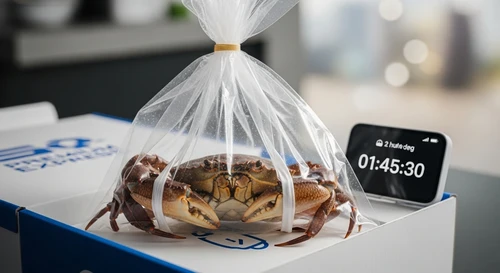
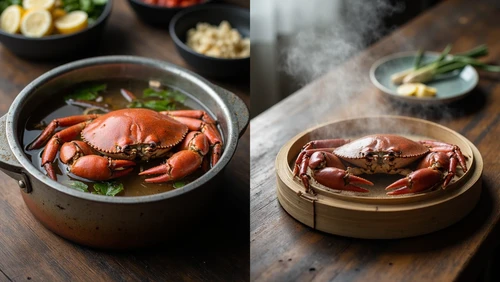
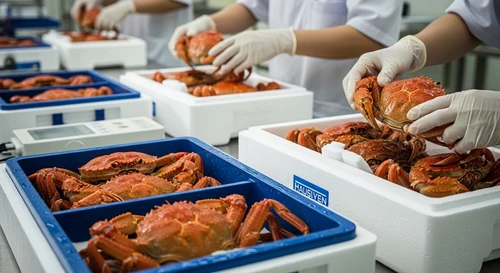
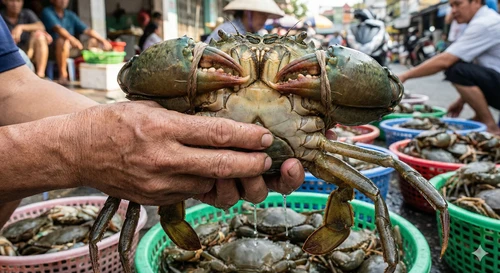
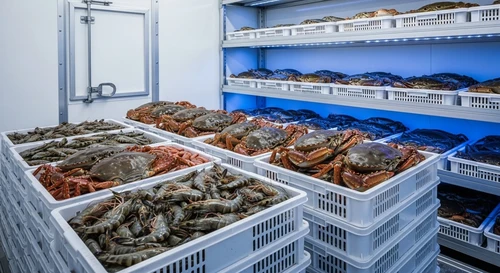
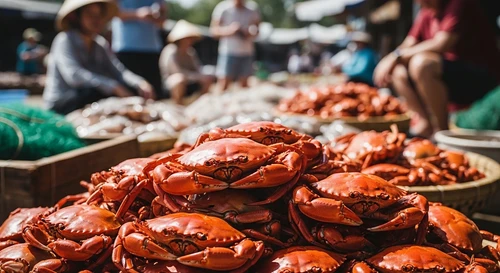
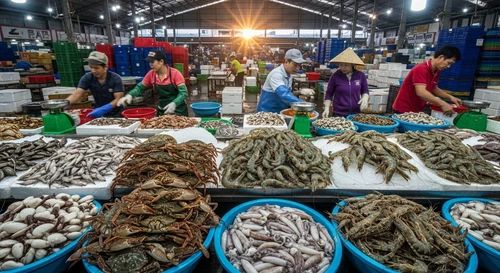
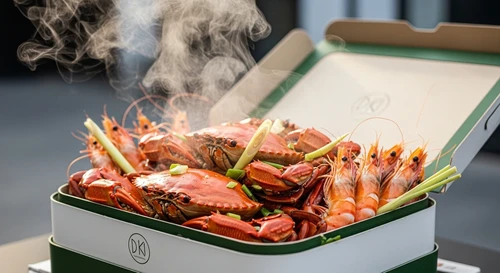
" The chaos of a Mekong Delta wet market is a symphony of sights, sounds, and smells. Amidst the vibrant clamor, the seafood stalls are a universe unto themselves. But before you point and gesture, there's a language you need to understand: the cryptic sizing codes. "
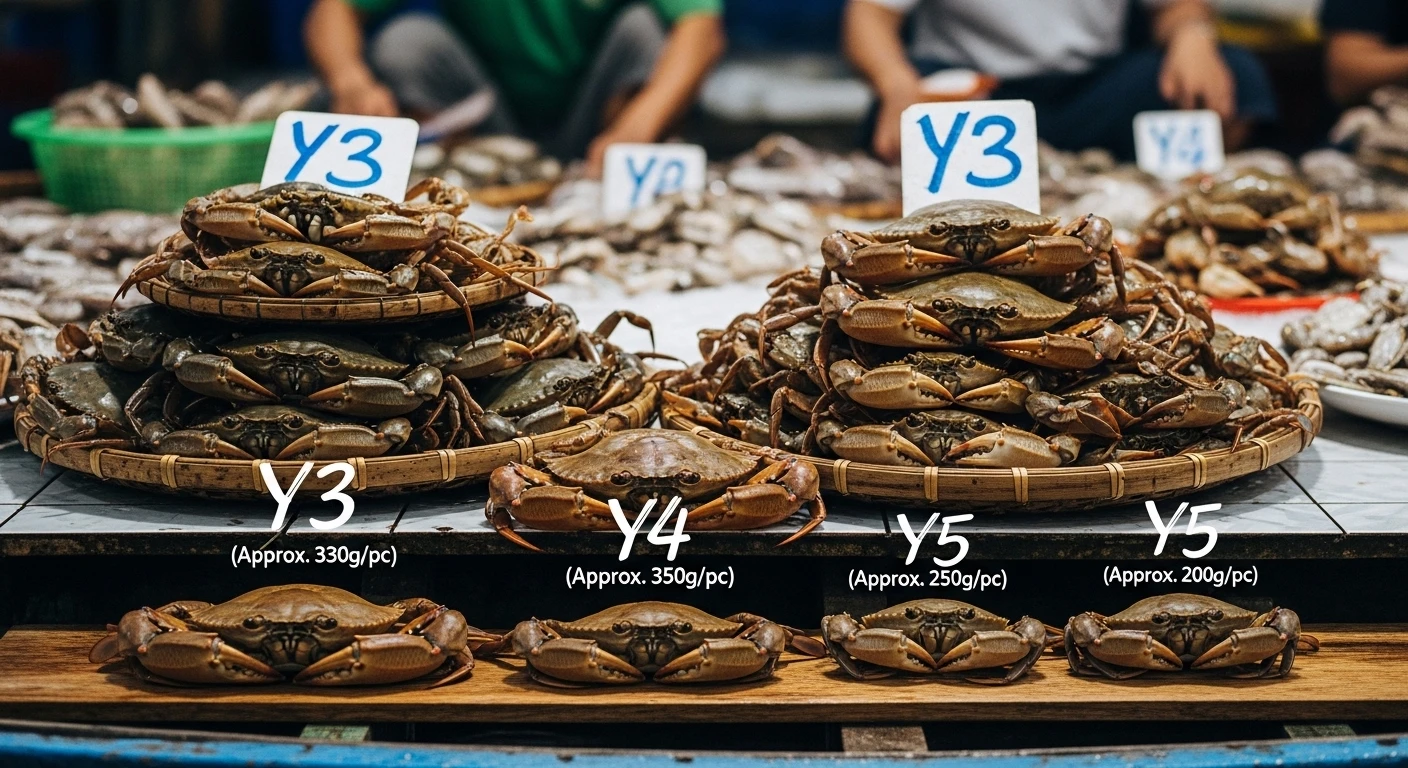
📸 Decoding the day's catch: A glimpse into the heart of the market.
1 The Symphony of the Mekong
To truly appreciate Vietnamese seafood, you have to understand its origin. The Mekong Delta, a labyrinth of rivers, canals, and fertile plains, is the lifeblood of Vietnam's culinary identity. Here, life moves to the rhythm of the tides, and the daily catch dictates dinner. From the brackish waters of Ca Mau to the bustling floating markets of Can Tho, the abundance of fresh seafood is staggering.
This region is renowned for its premium mud crabs (cua bùn) and a variety of shellfish. However, navigating the local markets can be daunting for the uninitiated. The vendors, often descendants of generations of fishermen and traders, speak a language of size, quality, and price that can seem impenetrable. But with a little knowledge, you can unlock the secrets and secure the best catch of the day.
The Mud Crab Capital
Provinces like Ca Mau are famous for their prolific mud crab farms and wild catches. The quality here is legendary, setting the standard for the rest of the country.
Beyond the Crab
While crab reigns supreme, the Delta also yields plump tiger prawns, giant freshwater prawns, various fish, and the unique fermented crabs (ba khia), each with its own grading system.
2 Cracking the Code: The 'Y' Factor
In Vietnamese markets, particularly for mud crabs, you'll often hear terms like "Y3", "Y4", or "Y5". This isn't some arbitrary whimsy; it's a standardized sizing system, primarily based on weight per kilogram (or sometimes per dozen, though less common for prime crabs). Think of it as the crab's passport number, indicating its lineage and value.
The 'Y' Meaning
- Y3: Typically means 3 crabs per kilogram (approx. 333g each).
- Y4: Typically means 4 crabs per kilogram (approx. 250g each).
- Y5: Typically means 5 crabs per kilogram (approx. 200g each).
The Implication
Generally, the *lower* the number after 'Y', the larger and heavier the crab. Larger crabs are usually considered premium, fetching higher prices due to their substantial meat content and impressive claws.
Of course, this is a guideline. Factors like the crab's health, sex (male 'thịt' crabs are prized for meat, female 'gạch' crabs for roe), and even the season can influence quality and price. A Y4 crab might be considered exceptional if it's particularly plump and full of energy, while a Y3 that's lean might be less desirable.
3 Beyond the Numbers: Grades of Excellence
While the 'Y' number gives you a size indicator, the true quality is often communicated through descriptive terms and visual cues. Here’s a look at some of the top-tier crabs you might encounter, particularly from the Ca Mau region:
Heritage Ingredient
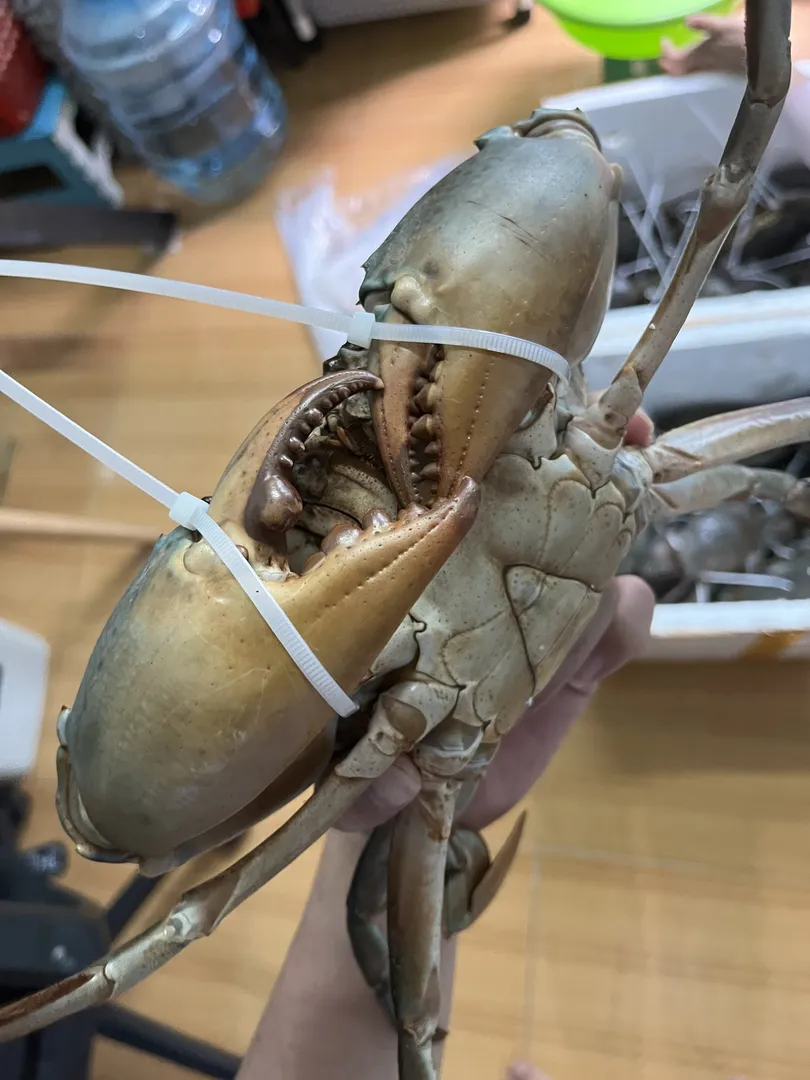
Ca Mau Jumbo Mud Crab
Ca Mau Jumbo Mud Crab
A large male mud crab prized for dense, sweet meat and thick claws, commonly used in steamed crab and grilled crab dishes across the Mekong Delta.
An icon of coastal culinary heritage, featuring firm, sweet meat that captures the raw power and freshness of Ca Mau's tides.
Heritage Ingredient
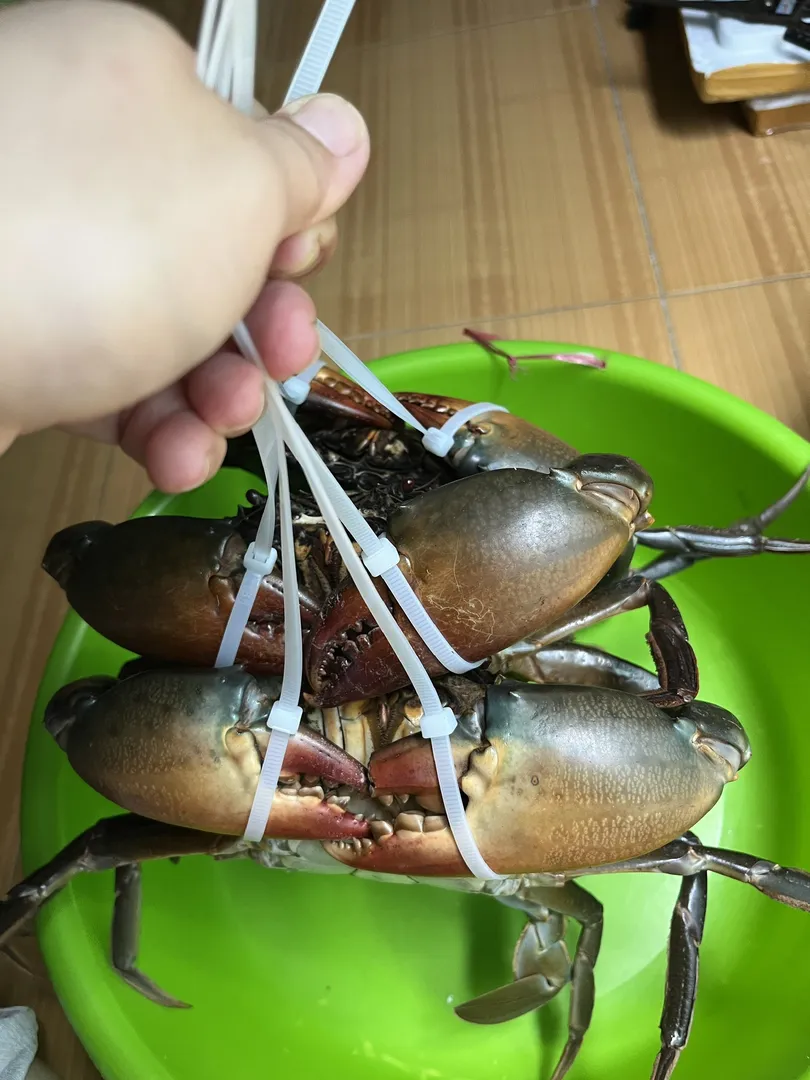
Giant Ca Mau Mud Crab
Giant Ca Mau Mud Crab
A larger export-grade mud crab with dramatic claws and thick meat, often used to illustrate oversized crab categories in Vietnamese seafood markets.
A titan of the ocean, offering colossal claws filled with muscular, succulent meat that elevates every feast into a royal experience.
Heritage Ingredient
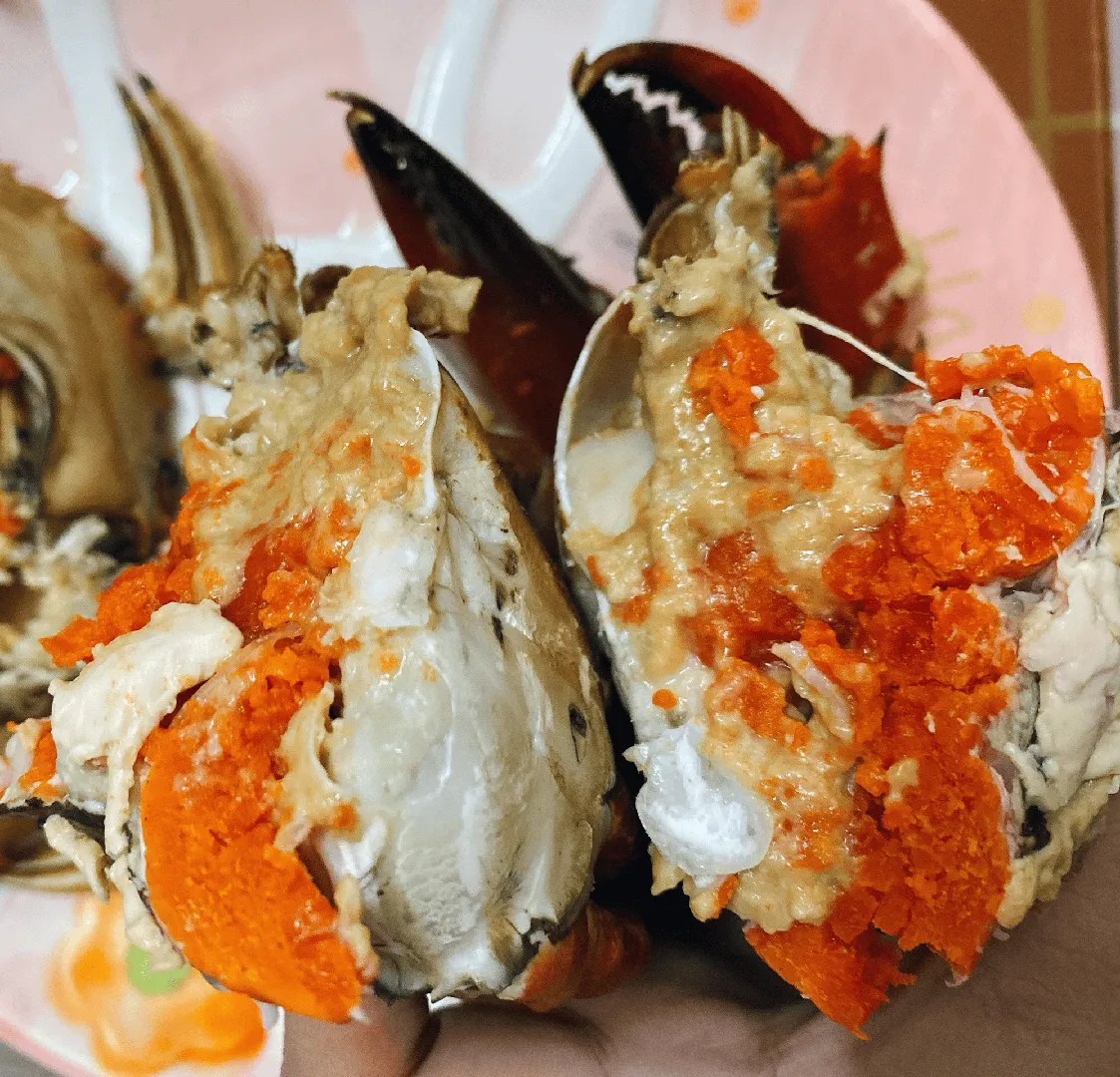
Ca Mau Roe Mud Crab
Ca Mau Roe Mud Crab
A female mud crab known for deep orange roe and a rich, creamy finish, often featured in celebratory Southern Vietnamese seafood meals.
A crimson treasure hidden within a shell, boasting rich, creamy roe that melts on your tongue like a golden sunset over the delta.
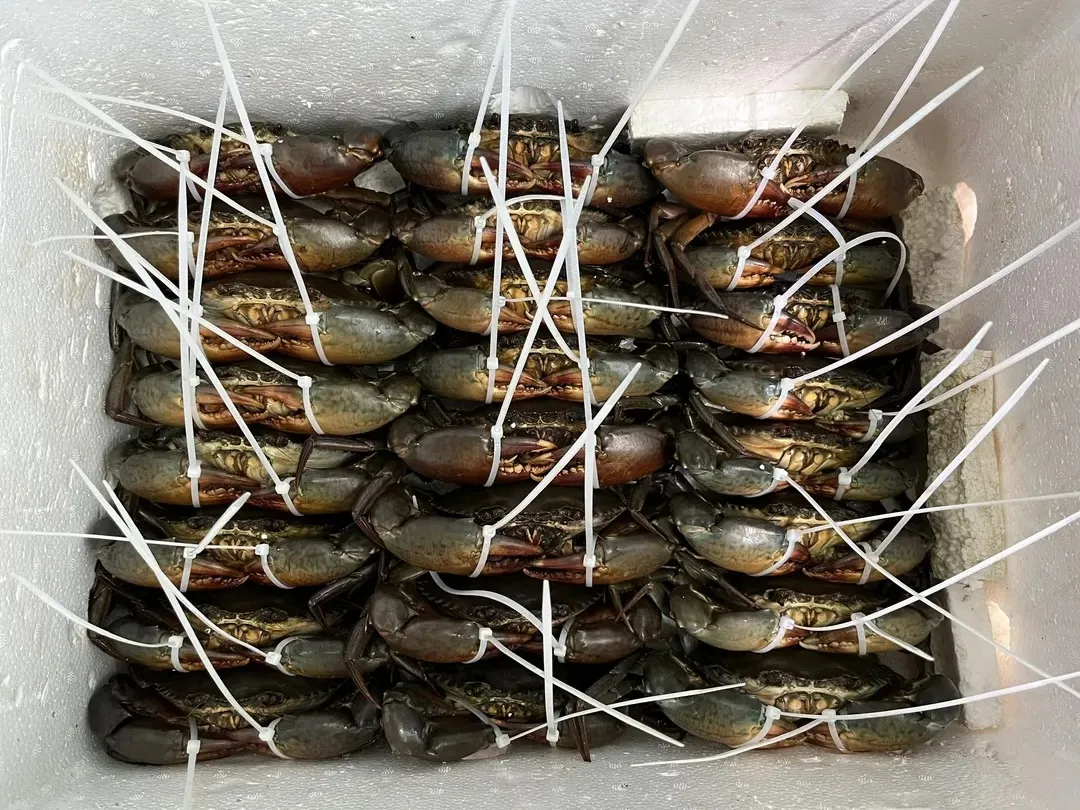
Heritage Ingredient
Export-Grade Ca Mau Roe Crab
Export-Grade Ca Mau Roe Crab
A carefully sorted roe crab selected for size, shell quality, and roe consistency, suitable for explaining premium grading in Vietnamese crab culture.
The pinnacle of perfection—pristine shells and bursting roe, meticulously selected to conquer the hearts of global gourmets.
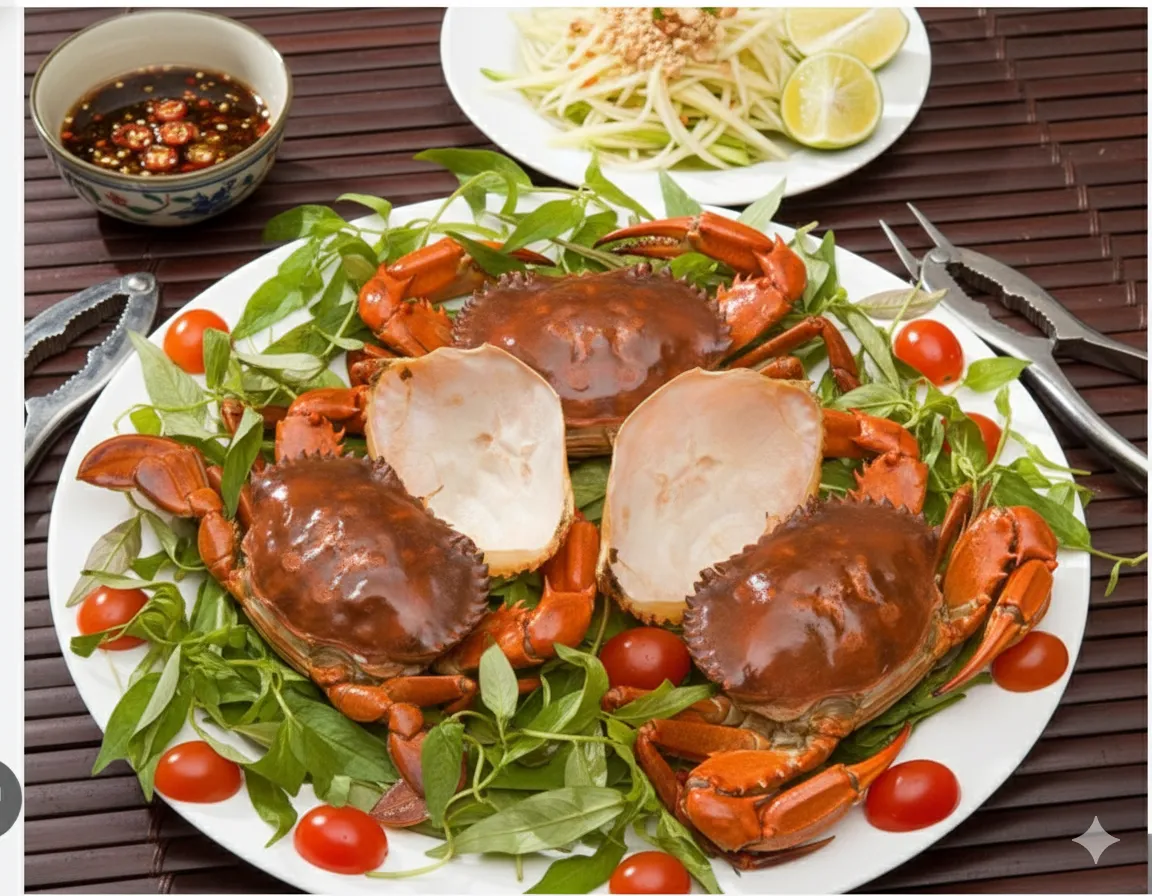
Heritage Ingredient
Soft-Shell Butter Crab (Molting Crab)
Soft-Shell Butter Crab (Molting Crab)
A rare molting mud crab from Ca Mau, valued for its edible soft inner shell and exceptionally creamy roe, making it the closest local equivalent to soft-shell crab concepts familiar abroad.
Nature's rare masterpiece—a delicate transition where a soft inner layer protects golden, custard-like roe in a fleeting moment of flavor.
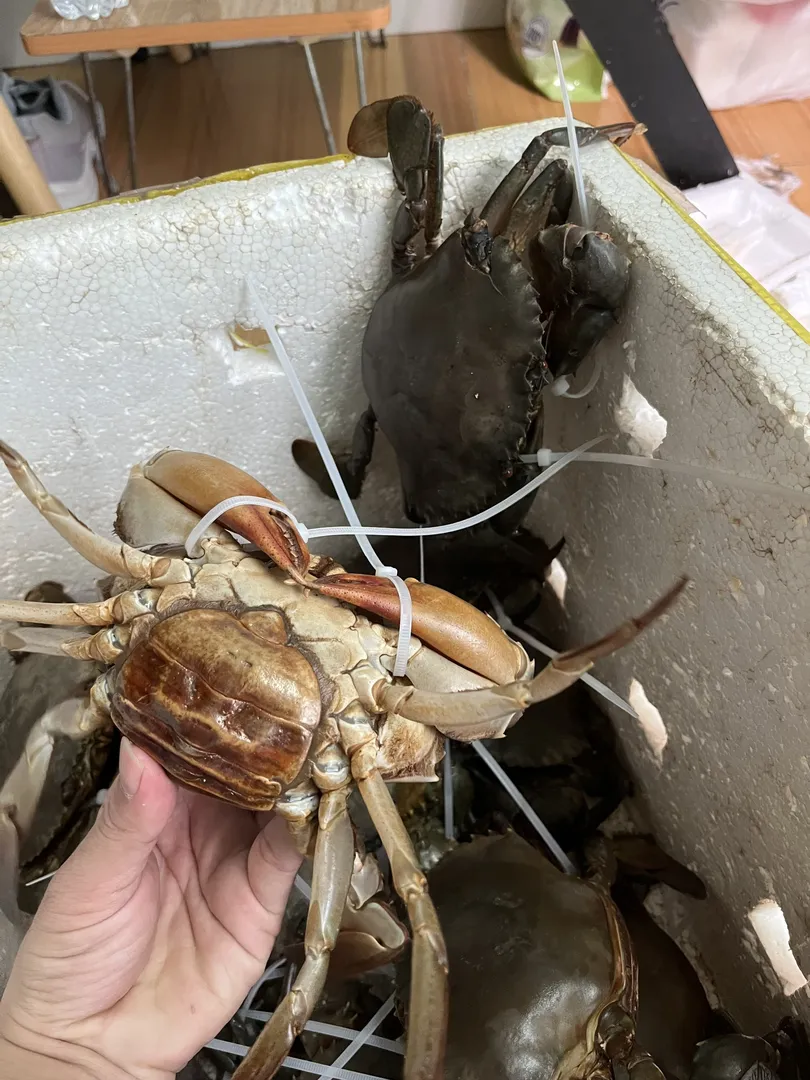
Heritage Ingredient
Young Roe Mud Crab (Virgin Crab)
Young Roe Mud Crab (Virgin Crab)
A young female mud crab identified before full spawning, offering a balance of sweet meat and light roe that sits between meat crab and roe crab styles.
A graceful balance of sweetness and creaminess, where tender meat meets a hint of light, buttery roe for a truly refined palate.
Each of these crabs represents the pinnacle of what the Mekong Delta has to offer. Whether you're seeking the dense, sweet meat of a male mud crab or the rich, creamy roe of a female, understanding these categories helps you choose the perfect specimen. The "Two-Skin Butter Crab" (cua com) is particularly legendary, a rare delicacy caught during its molting phase, offering both tender meat and edible inner shell.
4 The Apron Tells All
One of the most reliable indicators of a crab's sex and potential, especially for roe-lovers, is its apron. This is the triangular or rectangular flap on the underside of the crab.
The Male Crab ('Cua Thịt')
The Female Crab ('Cua Gạch' / 'Cua Yếm Vuông')
Female crabs that are "in-roe" (cua gạch) are highly sought after for their rich, creamy roe, often described as tasting like salted egg yolk custard. A "Virgin Crab" (cua yếm vuông), as seen in the product data, is a female that hasn't spawned yet, offering a delightful balance of sweet meat and a light, golden roe.
5 Beyond the Mud Crab
While mud crab is king, the Mekong Delta's waters teem with other treasures, each with its own quality markers:
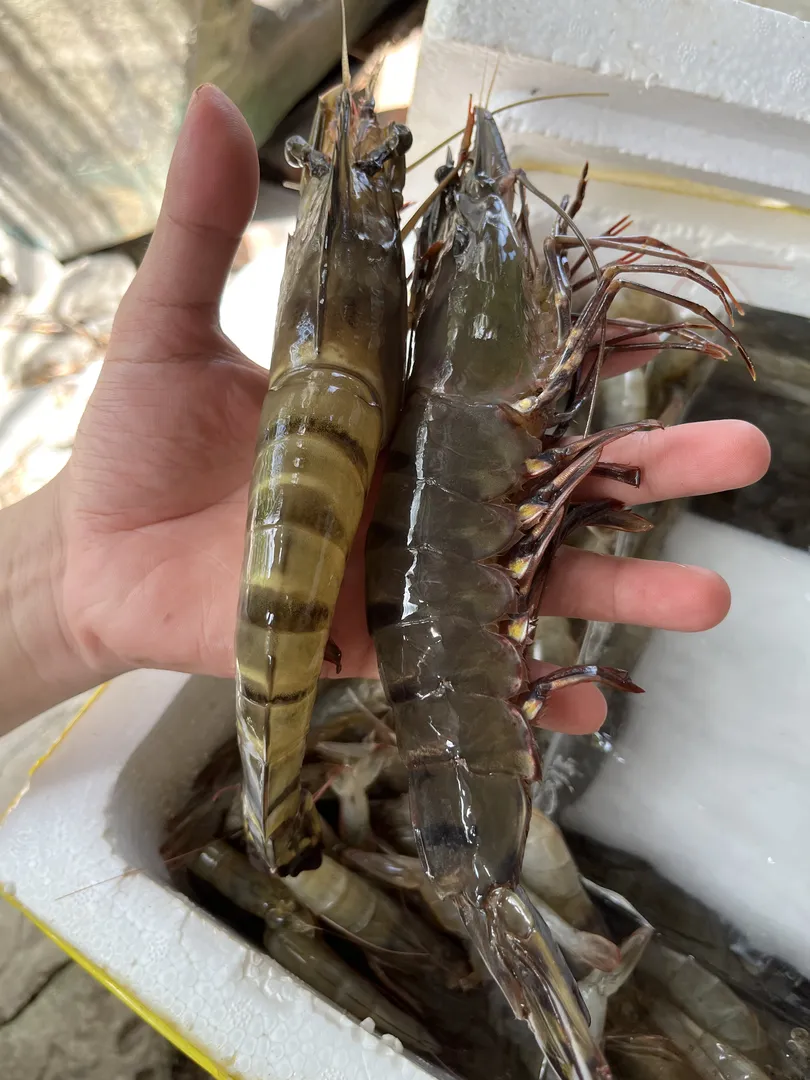
Heritage Ingredient
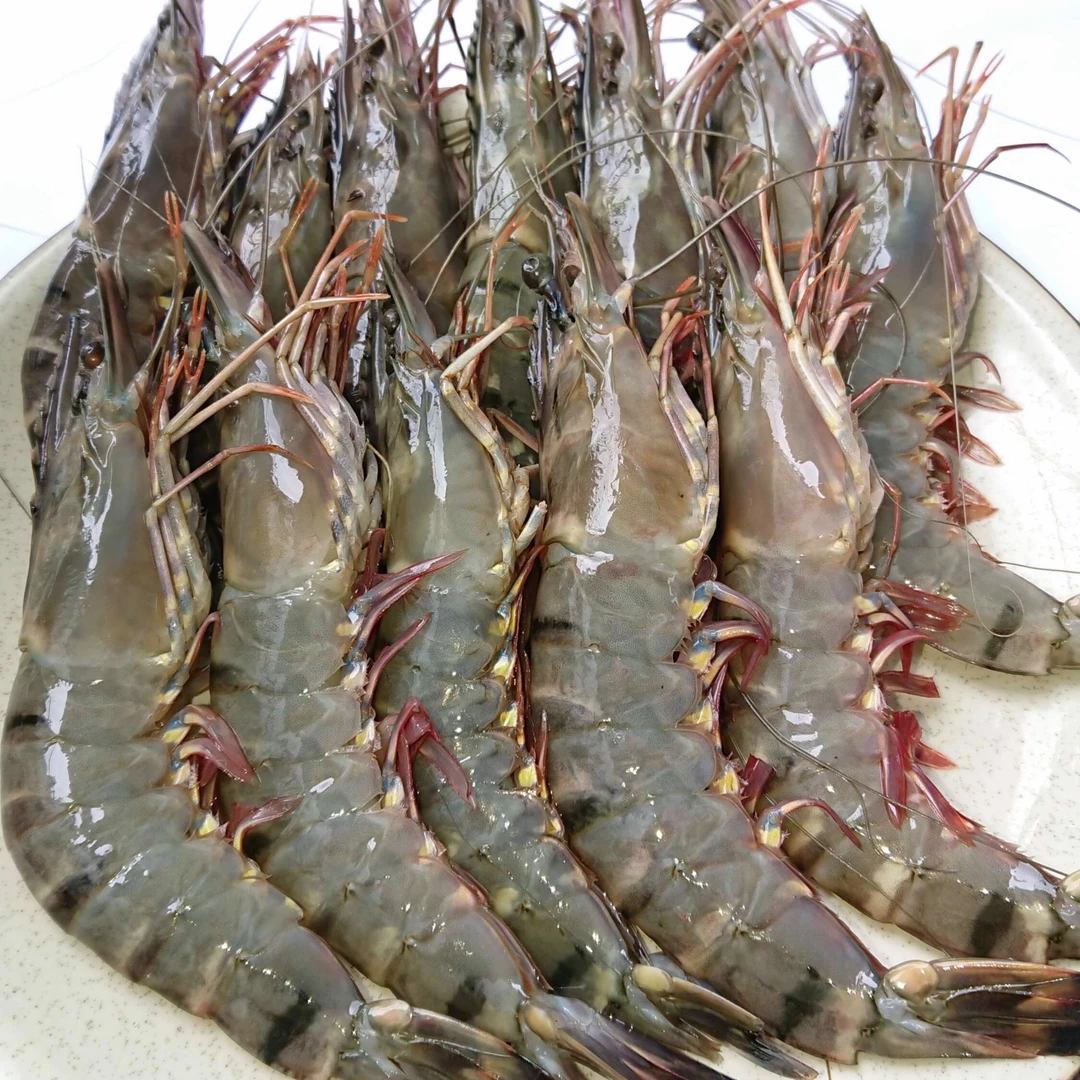
Ca Mau Black Tiger Shrimp
Ca Mau Black Tiger Shrimp
Large black tiger shrimp associated with mangrove aquaculture in Ca Mau, known for firm flesh and a cleaner, sweeter finish than intensively farmed shrimp.
Wild spirits of the mangroves, these black-banded gems deliver a firm, snappy texture and a sweetness that echoes the forest's vibrant life.
Heritage Ingredient
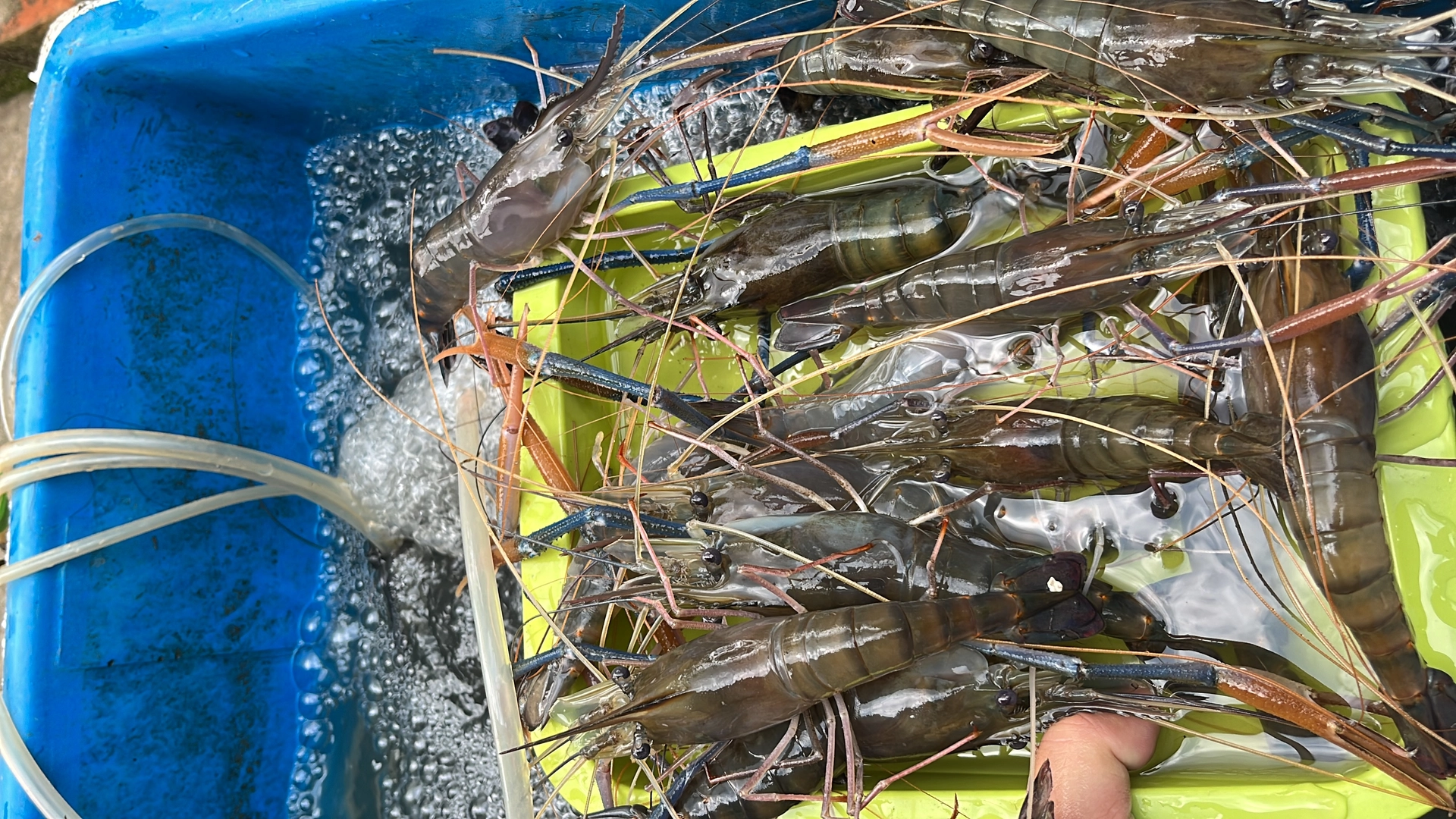
Mekong Giant Freshwater Prawn
Mekong Giant Freshwater Prawn
A river prawn with long blue claws and rich head fat, common in grilled prawn dishes and hotpot traditions across the Mekong basin.
Majestic blue-clawed warriors of the Mekong, famous for their rich, fatty heads and a savory depth that captures the essence of the delta's rivers.
Heritage Ingredient
Whiteleg Shrimp
Whiteleg Shrimp
A widely used shrimp in Vietnamese home kitchens, suitable for stir-fries, soups, steamed dishes, and practical cooking articles that need a familiar shrimp reference.
Translucent jewels of the coast, thin-shelled and remarkably sweet, making every simple home meal feel like a seaside celebration.
Heritage Ingredient
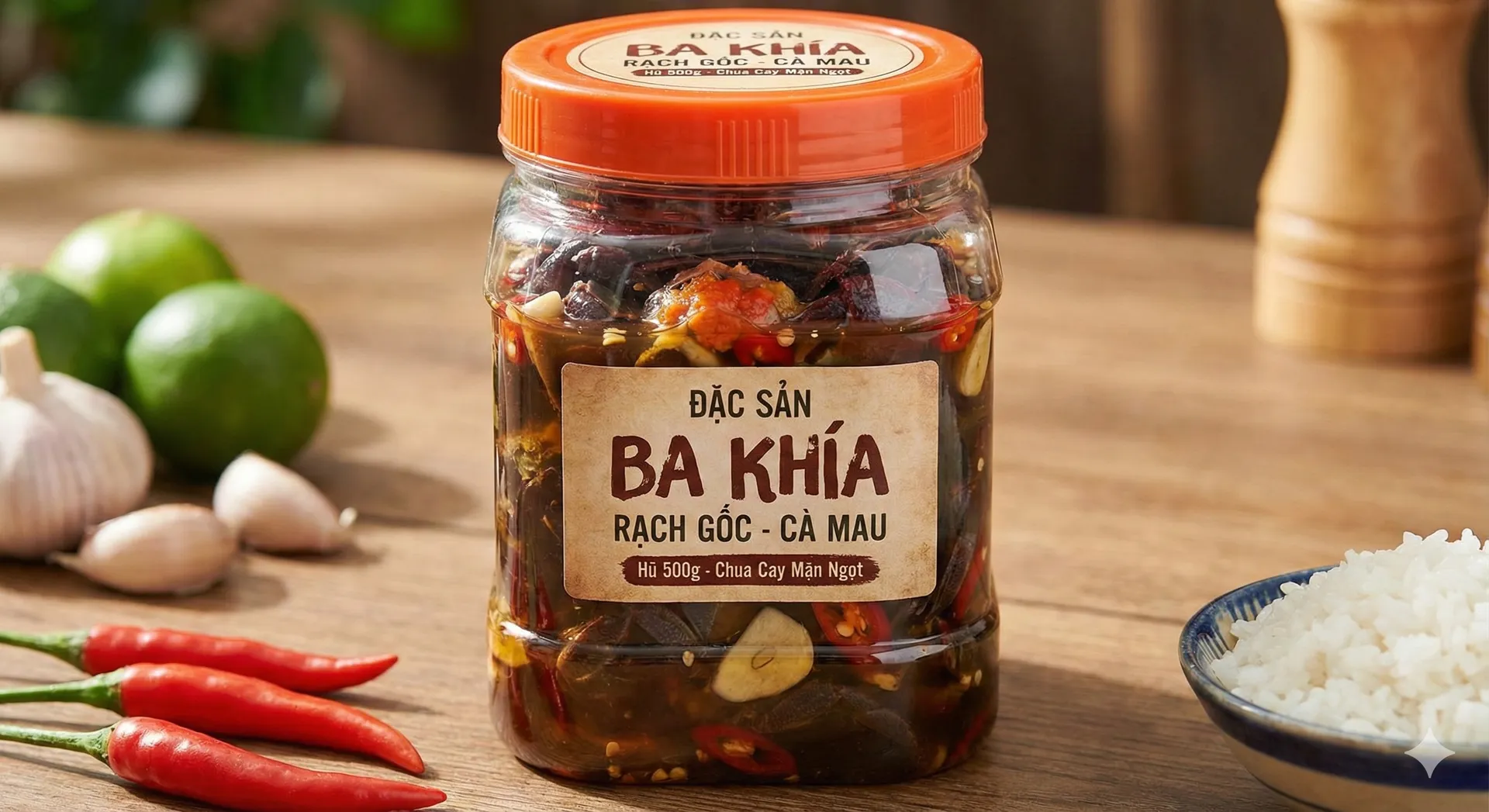
Fermented Mangrove Crab (Ba Khia)
Fermented Mangrove Crab (Ba Khia)
A traditional fermented crab specialty from the mangrove region of Rach Goc, often cited in articles about rustic Mekong Delta flavors and preserved seafood culture.
The salty-sour heartbeat of the wild south, where traditional fermentation turns forest crabs into a nostalgic explosion of rustic Mekong soul.
For shrimp, size is often the primary indicator: "large," "VIP size," or by count per kilogram. Giant freshwater prawns are also graded by weight and size, with their prominent claws being a sign of quality. And for the adventurous palate, ba khia (fermented crab) are usually sold in jars, their quality determined by the freshness of the original crab and the skillful brine.
6 The Art of the Deal
Beyond the numbers and names, engaging with the market vendors is an experience in itself. Don't be afraid to:
- Observe: Look at the crabs – are they lively? Do they have intact legs and claws? Is the shell clean? For roe crabs, check the apron carefully.
- Ask: Use simple phrases or gestures. Point to the crab and ask for the 'Y' number (e.g., "Y ba?" for Y3). Ask about 'gạch' (roe) if you're after female crabs.
- Compare: If you have time, walk around and compare prices and quality from different vendors.
- Negotiate (Politely): Bargaining is common, but do it with a smile. Start slightly lower than the asking price, and be prepared to meet somewhere in the middle. Vendors appreciate respect.
- Trust Your Senses: The best indicator is freshness. If it looks, smells, and feels right, it probably is.
Mastering these nuances allows you to not just buy seafood, but to connect with the vibrant culture of the Mekong Delta, bringing home not just dinner, but a story.
7 The "Billionaire's Crab" & Other Legends
The Mekong Delta is a place of culinary legends. One such myth is the Two-Skin Butter Crab (Cua Com), often called the "Billionaire's Crab." Caught during its molting phase, its inner shell is soft and edible, and its roe is exceptionally creamy. It's a rare treat, prized by gourmands.
Then there are the famed Ba Khia, small, intensely flavorful fermented crabs from the mangrove swamps, usually enjoyed with rice and a dash of chili. They’re a taste of raw, untamed Vietnam. Understanding these unique offerings, beyond the standard sizing, adds another layer to your Mekong culinary journey.
Heritage Ingredient
Fermented Mangrove Crab (Ba Khia)
Fermented Mangrove Crab (Ba Khia)
A traditional fermented crab specialty from the mangrove region of Rach Goc, often cited in articles about rustic Mekong Delta flavors and preserved seafood culture.
The salty-sour heartbeat of the wild south, where traditional fermentation turns forest crabs into a nostalgic explosion of rustic Mekong soul.
8 The Reward: A Taste of Authenticity
Whether you're a seasoned traveler or planning your first trip to Vietnam, understanding these grading systems is your key to unlocking some of the world's freshest and most delicious seafood. The next time you find yourself at a Mekong Delta market, armed with the knowledge of 'Y' numbers, apron shapes, and regional specialties, you won't just be a tourist – you'll be a connoisseur.
So go forth, explore the vibrant markets, engage with the friendly vendors, and savor the fruits of the river. The true taste of Vietnam is waiting, perfectly sized and impeccably fresh.