" The aroma of the sea, the sweet promise of a culinary prize – crab is king in Phu Quoc. But what happens when demand far outstrips the tide's bounty? "
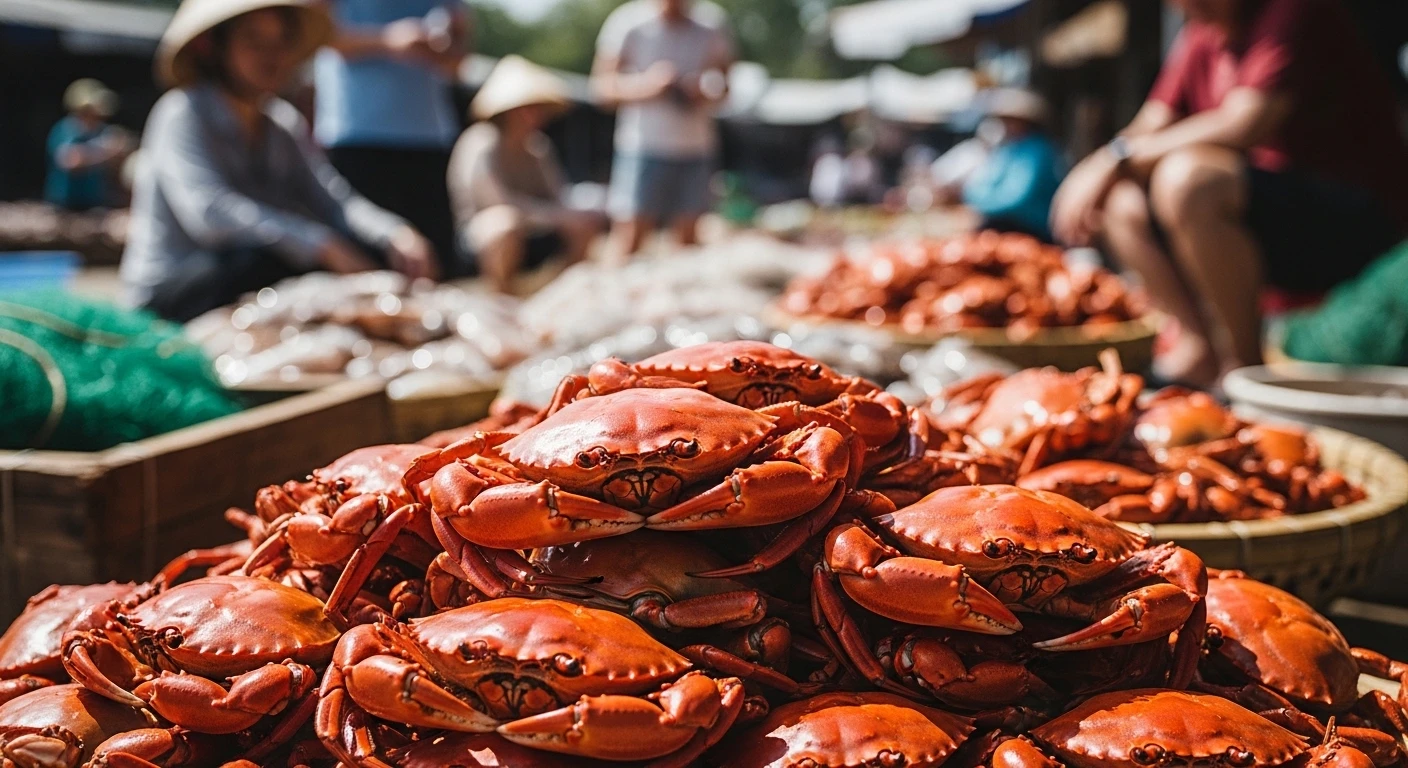
📸 The haul: Freshly caught crabs, destined for hungry holidaymakers.
1 Phu Quoc's Crown Jewel: The Ham Ninh Crab
Phu Quoc, an island paradise off the southern coast of Vietnam, is synonymous with pristine beaches, crystal-clear waters, and, of course, exceptional seafood. Among its many aquatic offerings, the crab, particularly from the Ham Ninh fishing village, holds a special place in the hearts (and stomachs) of locals and tourists alike. These crabs are renowned for their firm, sweet flesh, a testament to the rich marine ecosystem surrounding the island.
Ham Ninh, nestled on the eastern coast, is more than just a picturesque village; it's a living, breathing hub of traditional fishing. Generations of families have relied on the rhythm of the tides, casting nets and traps to bring in the day's catch. The crabs here are often smaller, more delicate than their mainland counterparts, but it's this specific character that makes them so sought after – a pure, unadulterated taste of the sea.
A Taste of Place
The distinct flavor profile of Ham Ninh crabs is often attributed to the unique blend of fresh and brackish water in their habitat, coupled with their diet of local marine life. This results in a sweetness that is both pronounced and refined.
The Livelihood
For the community of Ham Ninh, crab fishing is not just an industry; it's a way of life. The delicate balance of this ecosystem and the sustainability of the catch are paramount to their heritage and future.
2 When Tourists Descend: The April 30th Effect
Vietnam's Reunification Day (April 30th) and International Workers' Day (May 1st) often form a significant public holiday period, a cherished time for families to gather and travel. For popular destinations like Phu Quoc, this translates into a massive influx of domestic and international tourists eager to soak in the island's natural beauty and culinary delights. And at the top of that culinary list, invariably, sits the Ham Ninh crab.
This surge in demand, while beneficial for the island's economy in the short term, places immense pressure on its most prized resources. The daily catch, which is typically carefully managed by the Ham Ninh fishermen to ensure sustainability, suddenly faces an insatiable appetite. The local restaurants, seafood vendors, and markets are suddenly selling out of their limited supply faster than ever before.
Demand Overload
Holiday periods see visitor numbers skyrocket, creating a concentration of demand for specific, iconic local products.
Depleted Catch
The natural daily yield of crabs from Ham Ninh's waters simply cannot keep pace with the sudden, concentrated demand.
Market Dynamics
Basic economics take hold: when demand dwarfs supply, prices are invariably driven upwards.
3 Skyrocketing Prices: A Case of Holiday Inflation
The most immediate and noticeable impact of this supply-demand imbalance is, of course, the price. During the peak of the April 30th holidays, reports from Phu Quoc indicate that prices for Ham Ninh crabs can more than double, sometimes even triple, their usual cost. What was once an accessible local delicacy can quickly become a luxury item, even for those accustomed to paying a premium for quality seafood.
This phenomenon isn't just about scarcity; it's a strategic pricing maneuver by vendors. Knowing that tourists are often willing to pay more for a taste of authentic, locally famous produce during their limited holiday window, sellers adjust their prices accordingly. For the average Vietnamese traveler, this can mean making tough choices at the seafood counter, weighing the desire for a signature island dish against their budget.
The Usual Suspects
Even outside of holidays, Phu Quoc crabs command a good price due to their reputation. However, this is the base price.
Holiday Premium
During peak seasons, expect prices to surge dramatically, making it a significant expense for a single meal.
This price surge highlights a critical challenge for popular tourist destinations: balancing economic opportunity with the preservation of local resources and affordability for a wider range of visitors. It's a delicate dance between capitalizing on demand and ensuring that the very essence of the local charm isn't priced out of reach.
4 The Delta's Bounty: A Wider Lens
While Ham Ninh's crabs are a particular delicacy, the broader Mekong Delta region is a powerhouse of seafood production. Provinces like Ca Mau, known as Vietnam's southernmost frontier, are famed for their robust aquaculture, particularly for mud crabs and shrimp. The aquaculture practices in these mangrove-rich areas are integral to the regional economy and culinary identity.
The crabs from Ca Mau, often larger mud crabs, are prized for their dense, meaty claws and rich, sometimes roe-filled bodies. These are the titans you might find gracing celebratory Southern Vietnamese meals. The sustainability and quality of these crabs are closely tied to the health of the delta's complex network of rivers, canals, and coastal mangroves. Festivals and local holidays across the delta also drive local demand, though perhaps not with the same tourist-driven intensity as Phu Quoc during its peak season.
Ca Mau's Contribution
Famous for its Jumbo Mud Crabs, prized for their substantial meat, and its Roe Crabs, celebrated for their rich, creamy roe, especially during festive occasions.
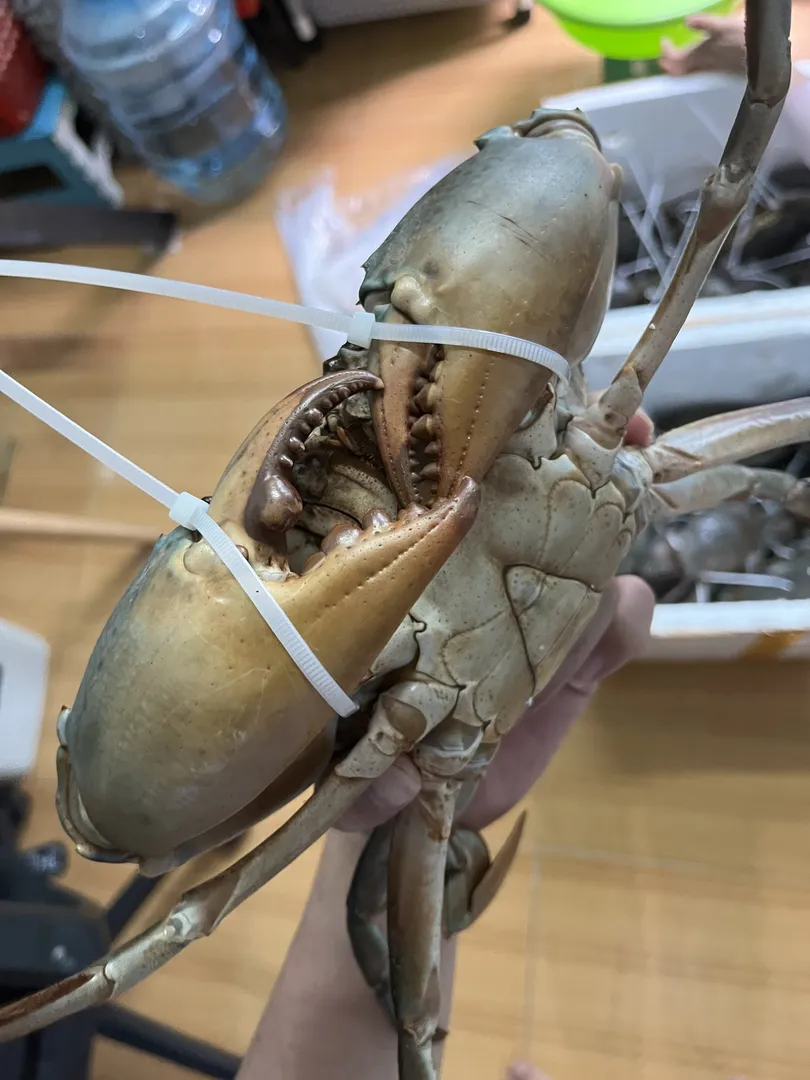
Heritage Ingredient
Ca Mau Jumbo Mud Crab
Ca Mau Jumbo Mud Crab
A large male mud crab prized for dense, sweet meat and thick claws, commonly used in steamed crab and grilled crab dishes across the Mekong Delta.
An icon of coastal culinary heritage, featuring firm, sweet meat that captures the raw power and freshness of Ca Mau's tides.
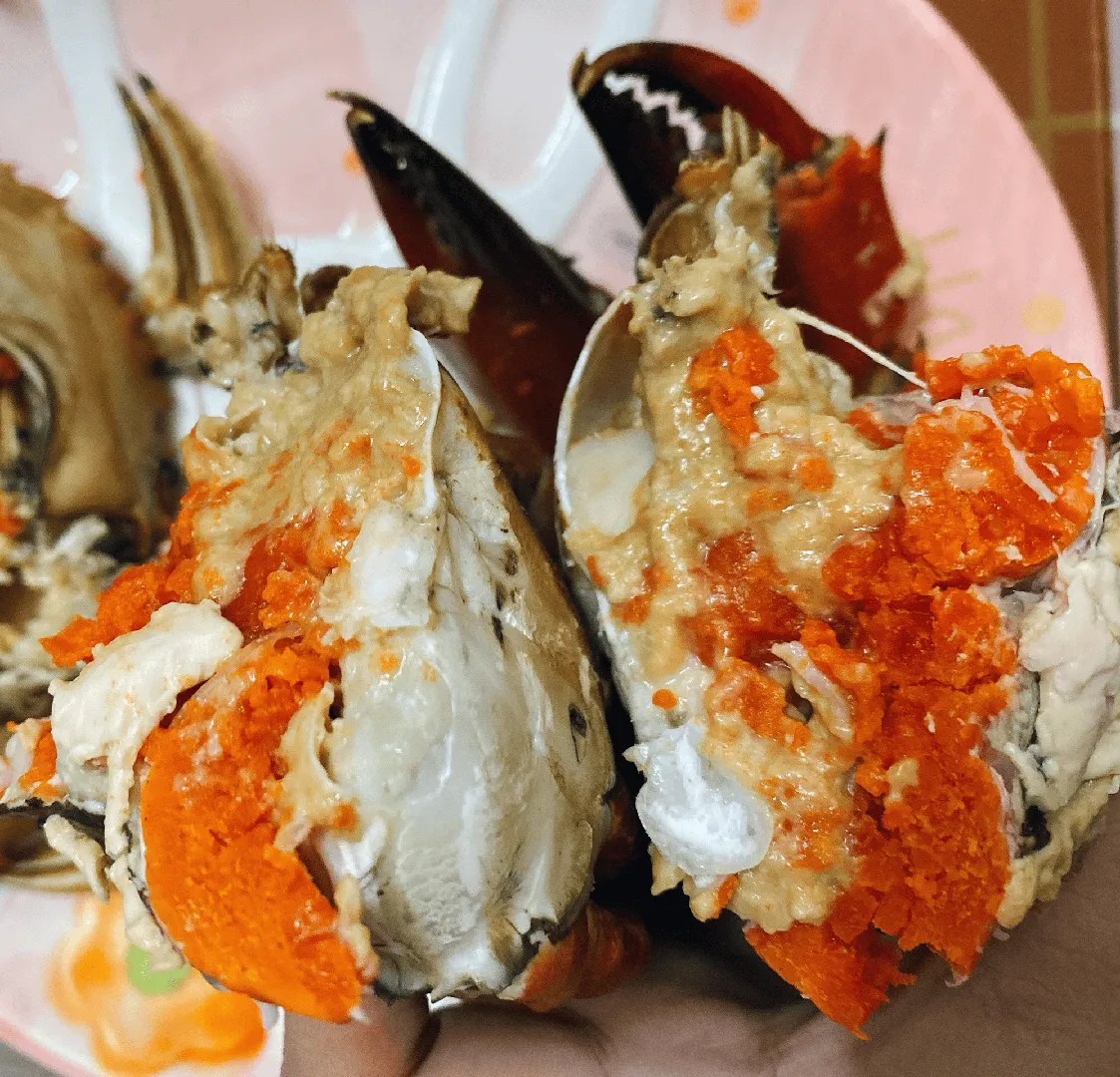
Heritage Ingredient
Ca Mau Roe Mud Crab
Ca Mau Roe Mud Crab
A female mud crab known for deep orange roe and a rich, creamy finish, often featured in celebratory Southern Vietnamese seafood meals.
A crimson treasure hidden within a shell, boasting rich, creamy roe that melts on your tongue like a golden sunset over the delta.
Mangrove Ecosystems
The health of the Mekong's mangroves is directly linked to the quality and quantity of its seafood. Sustainable farming and fishing practices are vital.
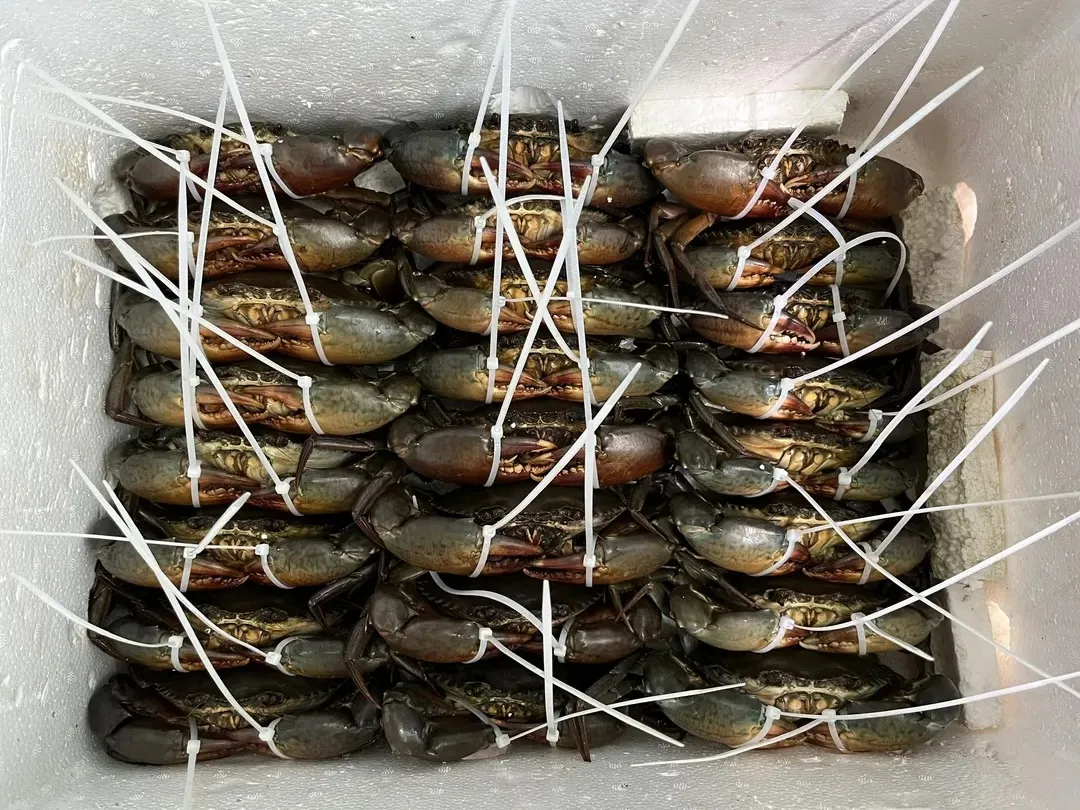
Heritage Ingredient
Export-Grade Ca Mau Roe Crab
Export-Grade Ca Mau Roe Crab
A carefully sorted roe crab selected for size, shell quality, and roe consistency, suitable for explaining premium grading in Vietnamese crab culture.
The pinnacle of perfection—pristine shells and bursting roe, meticulously selected to conquer the hearts of global gourmets.
The success of Phu Quoc's crab fisheries, and indeed those across the Mekong Delta, hinges on responsible stewardship of these unique aquatic environments.
5 The Visitor's Impact: Beyond Just Prices
The holiday price surge for Ham Ninh crabs is a clear symptom of tourism's complex relationship with local resources. While visitor spending is crucial for economic growth, it can also strain infrastructure, deplete natural stocks, and alter the cost of living for residents. The increased demand means more boats going out, potentially more pressure on crab populations if not managed properly. Furthermore, the higher prices might exclude some local consumers who previously enjoyed these crabs as an everyday luxury.
This situation isn't unique to Phu Quoc. It's a common challenge faced by many popular tourist destinations worldwide. The key lies in sustainable tourism practices, which aim to minimize negative environmental and social impacts while maximizing economic benefits. For Phu Quoc, this could involve:
- Promoting off-peak season travel to distribute demand more evenly.
- Encouraging responsible fishing quotas and practices in Ham Ninh.
- Educating tourists about the importance of sustainability and respecting local limits.
- Diversifying the island's culinary offerings so that not all pressure falls on one iconic product.
6 Tips for Travelers: Navigating the Crab Scene
For visitors to Phu Quoc, understanding these market dynamics can help manage expectations and make informed choices. Here are a few tips:
Timing is Everything
If possible, visit Phu Quoc outside of major public holidays. You'll likely find better prices and a more relaxed atmosphere.
Check Prices Early
Before committing to a meal, inquire about the current crab prices, especially if you're dining during a holiday period.
Explore Beyond Ham Ninh
While Ham Ninh is famous, other seafood restaurants on the island may offer competitive pricing or different, equally delicious catches.
Consider Alternatives
Phu Quoc offers a wealth of other seafood. Perhaps explore grilled sea urchin, fresh squid, or various fish preparations if crab prices are prohibitive.
7 A Taste Worth Traveling For
Despite the holiday price hikes, the allure of a perfectly cooked Ham Ninh crab remains strong. The experience of savoring this fresh, sweet delicacy, often simply steamed or grilled, with the sound of the waves nearby, is a core part of the Phu Quoc travel experience. It’s a reminder of the island's abundant natural gifts and the vibrant culture that has grown around them.
The soaring prices during peak holidays serve as a potent symbol of the island's popularity and the intense desire to partake in its signature flavors. It’s a lesson in the economics of paradise, where the most sought-after treasures often come with a premium, especially when the entire nation decides it's time for a holiday.
8 Future Tides: Balancing Demand and Preservation
The challenge for Phu Quoc and its valuable crab fisheries is to find a sustainable balance. This means empowering local fishermen with fair pricing and sustainable practices, educating visitors about responsible consumption, and perhaps implementing smarter tourism strategies that mitigate the impact of holiday surges. The goal is to ensure that the sweet taste of Ham Ninh crab remains a cherished part of Phu Quoc's identity for generations to come, accessible not just to holidaymakers willing to pay a premium, but also to the community that harvests it.
As tourism continues to grow, the story of the Ham Ninh crab's holiday price surge is a microcosm of the broader conversation surrounding economic development, resource management, and the true cost of paradise. It’s a tale that plays out on dinner plates across the island, a delicious reminder of the delicate interplay between nature, culture, and commerce.
Trending Topics:
More on Island Life & Cuisine
View More Buyer's Guide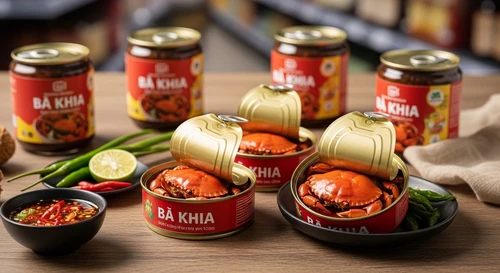
Vietnamese Salted Crab Goes Global: Exports to the US and Australia
How pasteurized, canned Ba Khia is passing strict FDA regulations to reach Asian supermarkets overseas.
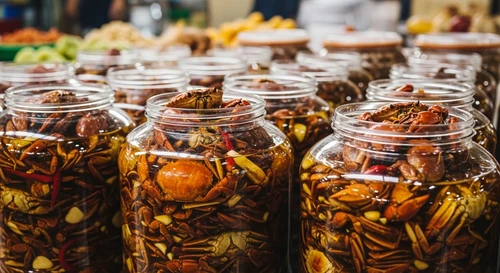
Current Wholesale Prices of Fermented Ba Khia in Western Markets
A pricing guide for tourists and bulk buyers looking to purchase authentic jars of salted crab directly from the source.
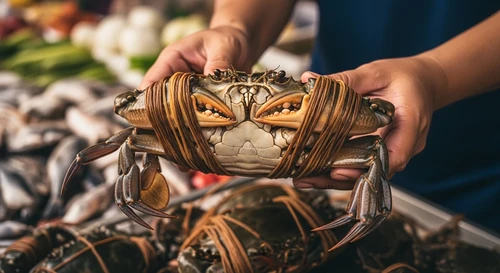
The Rubber Band Scam: Buying 1kg of Crab and Getting 400g of Meat
Vendors in tourist spots are using massive, thick rubber bands to weigh down small crabs. How to spot and avoid this blatant rip-off.
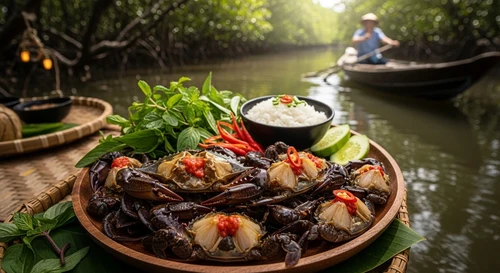
Eco-Tourism: Sustainable Harvesting of Ba Khia in Ca Mau
How local communities are balancing the booming demand for salted crab with the preservation of mangrove ecosystems.
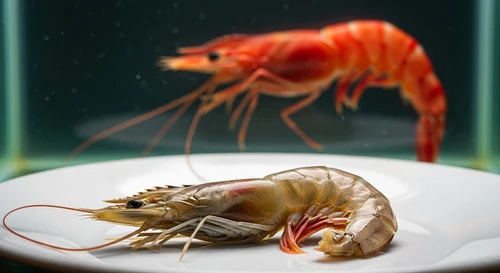
Restaurant Scam: Swapping Live Prawns for Dead Ones in the Kitchen
A persistent issue in coastal tourist towns. You pick a swimming prawn, but the kitchen serves you a mushy, pre-dead one.
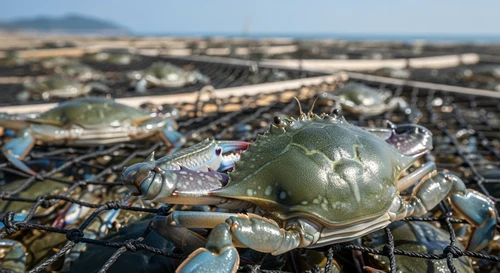
Black Spot Disease Devastates Blue Crab Farms in South Central Vietnam
A bacterial outbreak causing shell lesions and mass mortality in open-ocean crab cages is threatening local livelihoods.
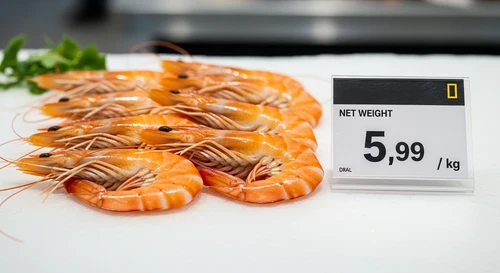
The 'Net Weight' Revolution: Supermarkets Selling Headless Prawns
Consumers rejoice as retailers stop charging premium prices for the heavy, inedible heads and shells of giant prawns.
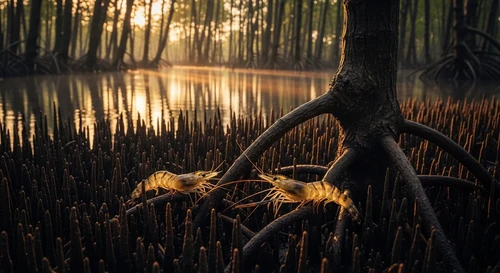
Ca Mau Mangrove Ecological Tiger Prawns Sell Out After Earning International Certification
Without industrial feed, prawns forage naturally under the mangroves, creating a firm, flavorful meat highly sought after by the ultra-rich.
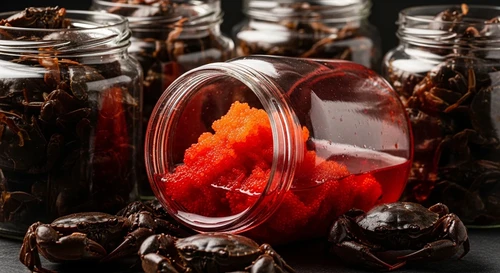
Scam Alert: Salted Crabs Dyed with Industrial Red Food Coloring
Authorities warn against unbranded jars of Mam Ba Khia dyed with toxic chemicals to fake the appearance of crab roe.