1 The Mangrove's Gift: A Ca Mau Story
Forget the pristine beaches and manicured rice paddies for a moment. To truly taste the soul of the Mekong Delta, you must journey to its wild, salty edges, to the vast, emerald expanse of Ca Mau province. Here, where the Mekong's many arms meet the sea, life is dictated by the tides, the rain, and the intricate, life-giving web of mangrove forests. And within this unique ecosystem thrives a creature that embodies the delta's spirit: the humble, pungent, utterly delicious ba khia.
For generations, the communities clinging to these coastlines have lived in harmony with the mangroves. These dense, salt-tolerant trees aren't just scenery; they are nurseries, natural fortresses against erosion, and the very foundation of a unique aquaculture. And it's in the mud and brackish waters beneath their tangled roots that the ba khia – a type of small, dark-shelled crab, often translated as “fermented mangrove crab” or simply “mud crab” – makes its home.

📸 A taste of Ca Mau's wild coast.
The demand for ba khia, particularly the intensely flavored salted or fermented varieties, has surged. This isn't just a local delicacy anymore; it's a sought-after ingredient, a symbol of authentic Vietnamese coastal cuisine. But this booming popularity poses a critical question: how can these communities capitalize on this demand without destroying the very mangroves that sustain them?
2 The 'Ba Khia' Species: More Than Just Crab
When we talk about ba khia, we're often referring to a group of small crab species that thrive in the intertidal zones of mangrove forests. Unlike their larger, more commercially farmed cousins, these crabs are wild-caught or semi-cultivated. They possess a distinct, intensely savory flavor profile, a result of their diet and their environment.
They are typically smaller, with darker shells, and their meat, while delicate, is packed with a briny punch. This makes them ideal for preparations that rely on preserving and amplifying their natural flavor, most notably salting or fermenting. The process itself is an art, transforming the raw ingredient into something utterly unique.
The traditional method involves a careful brine, often with salt, garlic, and chili, allowing the crabs to cure for days or weeks. This creates that signature salty-sour, slightly funky aroma and taste that connoisseurs crave. It’s a flavor that evokes the very essence of the coast – the salt spray, the rich mud, and the resilience of life.
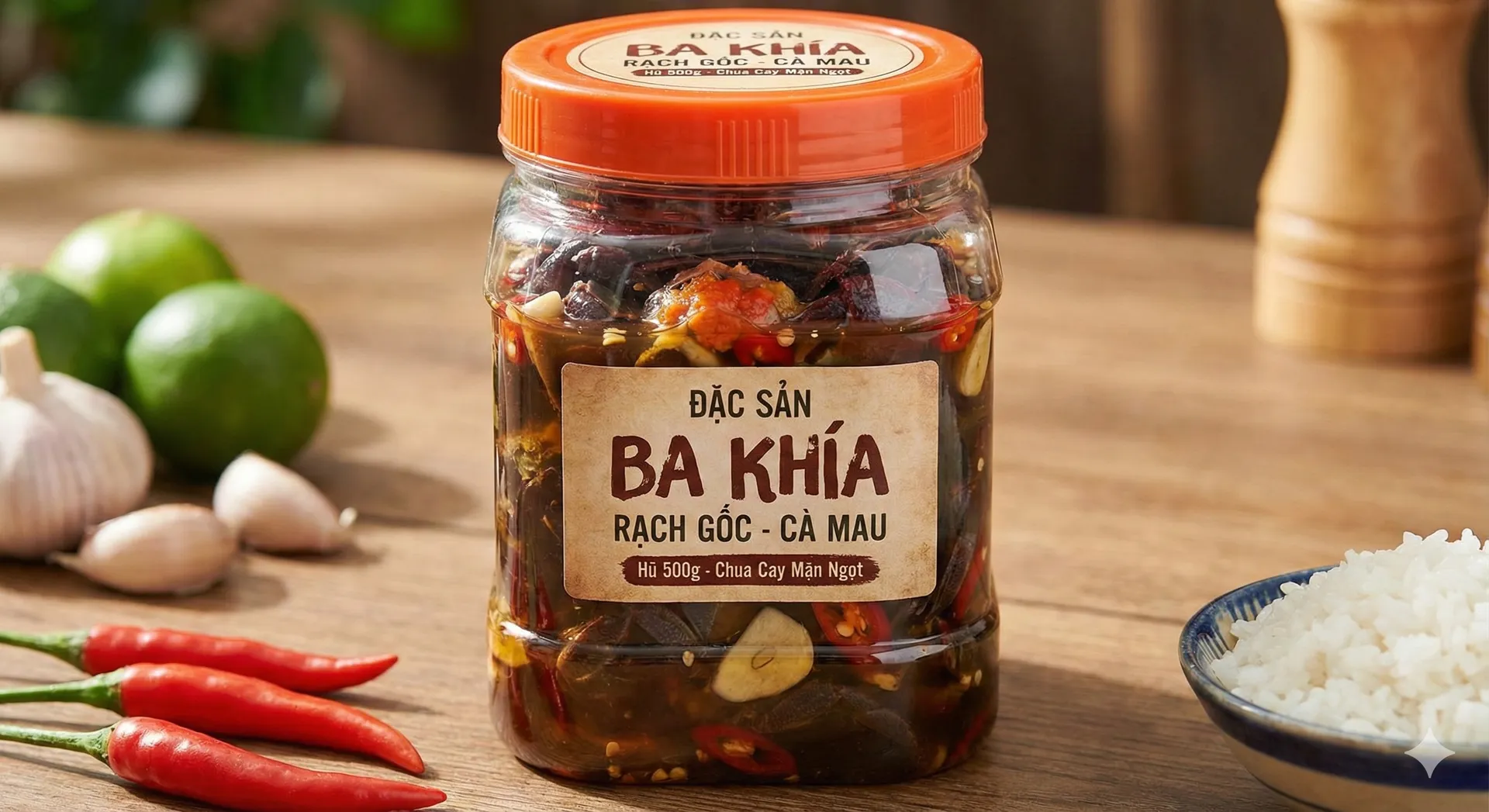
Heritage Ingredient
Fermented Mangrove Crab (Ba Khia)
Fermented Mangrove Crab (Ba Khia)
A traditional fermented crab specialty from the mangrove region of Rach Goc, often cited in articles about rustic Mekong Delta flavors and preserved seafood culture.
The salty-sour heartbeat of the wild south, where traditional fermentation turns forest crabs into a nostalgic explosion of rustic Mekong soul.

Heritage Ingredient
Ca Mau Mudskipper
Ca Mau Mudskipper
A mangrove mudskipper from Ca Mau, often grilled with chili salt and featured in articles about unusual delta seafood and mudflat ecosystems.
The acrobatic spirit of the mudflats, delivering a fragrant, smoky flesh that embodies the untamed beauty of Ca Mau's mangrove world.
While ba khia is distinct, the broader ecosystem supports a variety of fascinating creatures. Mudskippers, for instance, are another icon of these mangrove flats, fish that spend more time on land than in water, navigating the mud with their pectoral fins. Their presence is another indicator of a healthy mangrove environment.
3 Sustainable Harvesting: The Community Approach
The real story here isn't just about a tasty crab; it's about an evolving model of eco-tourism and sustainable livelihood. In areas like Rach Goc and Ngoc Hien in Ca Mau, local communities are at the forefront of balancing economic opportunity with ecological responsibility.
Traditional methods of harvesting ba khia are inherently low-impact. Fishermen use simple traps or nets designed to catch crabs without disturbing the seabed or the mangrove roots. There's no large-scale dredging or destructive fishing gear. The challenge arises when demand outstrips supply, and the temptation to over-harvest or expand into sensitive areas increases.
This is where community-driven initiatives shine. Many villages have established cooperative farming or managed harvesting programs. These programs often involve:
- Strict Quotas: Setting limits on the number of crabs that can be harvested daily or seasonally to allow populations to replenish.
- Habitat Protection Zones: Designating certain areas of the mangrove forest as off-limits to fishing to serve as breeding grounds and safe havens.
- Selective Harvesting: Educating fishermen on how to identify and release juvenile crabs or females carrying eggs, ensuring future generations.
- Integrated Mangrove Aquaculture: Some communities are exploring ways to integrate crab farming with shrimp or fish culture within the mangrove environment, creating a more diversified and resilient income stream that doesn't rely solely on wild catches.
These aren't abstract policies; they are practical, grassroots efforts born from a deep understanding of their environment and a desire to pass on these resources to their children.
4 The Role of Eco-Tourism: Sharing the Delta's Soul
Eco-tourism is emerging as a powerful tool in Ca Mau's conservation efforts. By inviting visitors to witness these sustainable practices firsthand, communities create an additional incentive for preservation. Tourists seeking authentic experiences are drawn to the unique mangrove landscapes and the chance to engage with local life.
Imagine a day spent with a local fisherman, learning to set traps in the mangrove channels, understanding the life cycle of the ba khia, and then joining the family for a simple, yet profoundly flavorful meal of freshly prepared salted crabs. These are not just vacations; they are immersive cultural exchanges.
This direct connection between visitor and producer can foster a greater appreciation for the value of the ecosystem. When tourists pay for experiences that directly support conservation – like guided mangrove walks, homestays, or participation in a sustainable harvest – the economic benefits of a healthy mangrove become undeniable. It shifts the narrative from "extracting resources" to "preserving a living heritage."

📸 Navigating Ca Mau's vital mangrove arteries.
The success of these eco-tourism initiatives is vital. They demonstrate that responsible stewardship of the environment can be economically rewarding, creating a virtuous cycle where conservation fuels livelihoods, and livelihoods protect conservation.
The Flavor Profile: A Salty, Pungent Marriage
The magic of ba khia, especially when prepared traditionally, lies in its potent, complex flavor. It's not for the faint of palate, but for those who appreciate the deep umami and briny character of the sea.
1. Salinity
The curing process imbues the crab with a deep, satisfying saltiness.
2. Pungency
A subtle, fermented funkiness that adds layers of complexity.
3. Sweetness
Beneath the salt and funk, the inherent sweetness of crab meat shines through.
Typically served with steamed rice, fresh herbs like mint and basil, and a side of pickled papaya or cucumber to cut through the richness. Dipping into a more diluted brine or a chili-lime sauce is common.
6 Challenges and the Road Ahead
Despite these positive developments, challenges remain. Climate change, with its rising sea levels and increasing storm intensity, poses a constant threat to the delicate mangrove ecosystems. Illegal fishing practices, though curbed in many areas, can still occur if enforcement falters.
Furthermore, ensuring fair prices for the fishermen and producers is crucial. As demand grows, there's a risk that intermediaries might capture most of the profits, leaving the harvesters with little incentive to maintain sustainable practices. Transparency in the supply chain and direct buyer relationships are key to overcoming this.
The future of ba khia in Ca Mau hinges on continued collaboration. Government support for mangrove restoration, investment in eco-tourism infrastructure, and consumer awareness are all vital. By choosing sustainably harvested ba khia, and by supporting communities that prioritize the health of their environment, we can help ensure that this salty treasure continues to enrich both the plates and the lives of the Mekong Delta for generations to come.

📸 Lifeblood of the coast: A Ca Mau fishing community.
7 How to Source Responsibly (When You Can)
For those outside Vietnam, sourcing authentic, sustainably harvested ba khia can be challenging. When you find it, however, look for indicators of responsible practices.
- Origin: Ideally, products will specify Ca Mau or a similar mangrove-rich coastal province.
- Processing: Look for traditional salting or fermentation methods, rather than industrial marinades.
- Eco-Certifications: While rare for this specific product, any mention of community-based farming or sustainable aquaculture is a good sign.
- Direct Sourcing: If you have access to specialty Vietnamese or Asian markets, inquire about their suppliers. Building relationships with reputable vendors is key.
Even if you can't find true ba khia, understanding the principles of sustainable harvesting and community-based eco-tourism in the Mekong Delta can inform your choices when selecting other seafood products. Supporting brands and initiatives that prioritize environmental health and local livelihoods is always a win.
8 The Taste of Preservation
Eating ba khia harvested through sustainable means isn't just a culinary experience; it's a statement. It's a way of saying that you value the delicate balance of ecosystems and the well-being of the communities that depend on them. It's a taste of the Mekong Delta's wild heart, preserved for the future.
As the world grapples with the impact of climate change and overconsumption, the story of ba khia in Ca Mau offers a glimmer of hope. It shows that with careful management, community involvement, and a deep respect for nature, it is possible to enjoy the bounty of the earth without depleting it. This pungent little crab, born of the mangroves, is a testament to the enduring power of sustainable living.
More Mekong Delta Stories
View More Buyer's Guide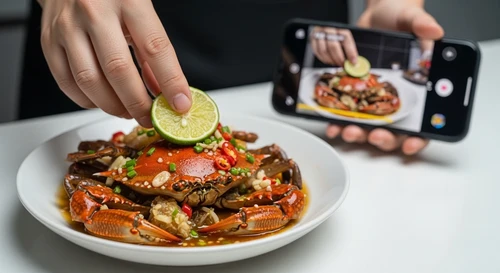
Why 'Ba Khia Tron' is Trending on Vietnamese Social Media
Analyzing the sudden Gen Z obsession with this pungent traditional dish and its explosion on TikTok Mukbangs.
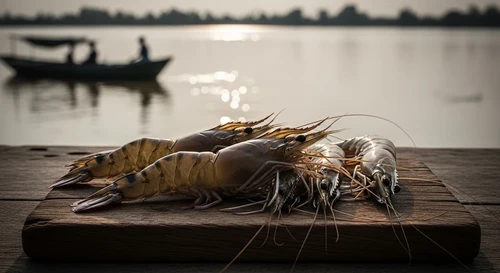
Freshwater Prawn Prices Skyrocket Due to Salinity Intrusion in Ben Tre
Severe droughts and saltwater pushing into the Mekong Delta rivers have decimated freshwater prawn yields, driving retail prices to a record high.
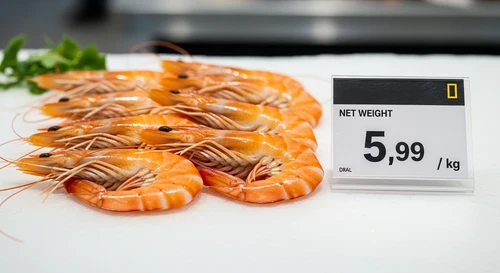
The 'Net Weight' Revolution: Supermarkets Selling Headless Prawns
Consumers rejoice as retailers stop charging premium prices for the heavy, inedible heads and shells of giant prawns.
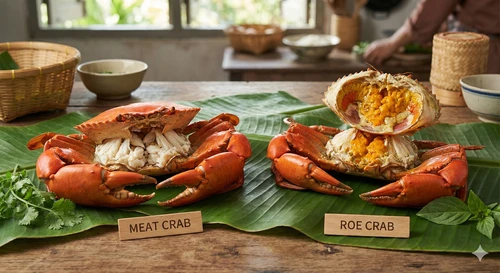
Meat Crab vs. Roe Crab: What's the Difference?
Comparing taste, texture, and price.
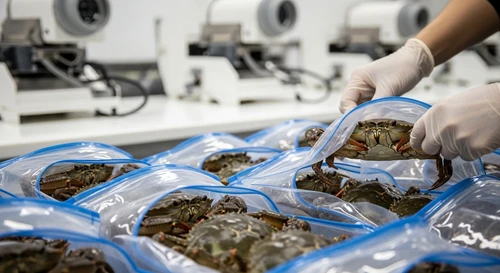
Exploring the Packaging Line for Live Crabs Injected with Ozone Directly for Overseas Shipment
Packaging technology using medical oxygen and ozone sterilization helps live crab shipments survive 100% during a 24-hour long flight.
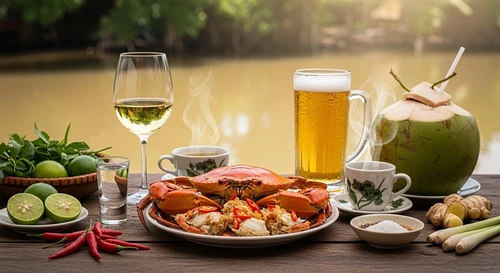
Pairing Drinks with Crab
White wine, beer, or tea? What works best?
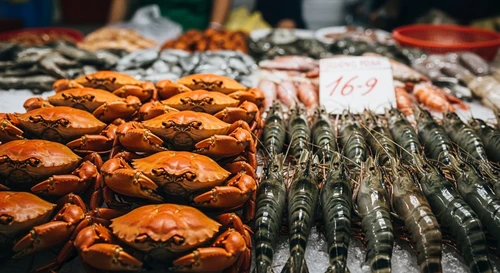
Lunar New Year (Tet) Price Forecast for Premium Seafood
Traders predict a 30% spike in roe crab and tiger shrimp prices as corporate gifting shifts from wine to high-end seafood.
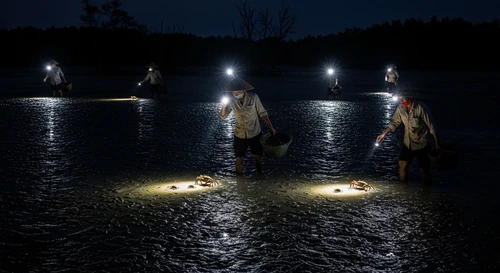
The Ba Khia Harvesting Season: A Midnight Mangrove Tour
Every October, locals head into the mud flats with flashlights to catch swarms of these crabs. A cultural phenomenon.
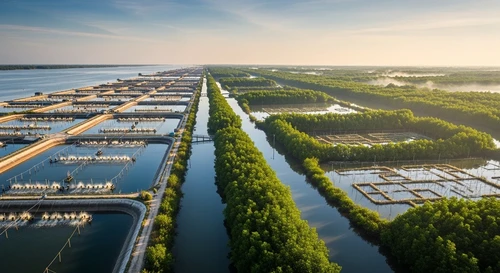
The Shift from Intensive to Extensive Shrimp Farming
Why some Mekong Delta farmers are abandoning high-density ponds in favor of traditional, low-risk ecological farming.