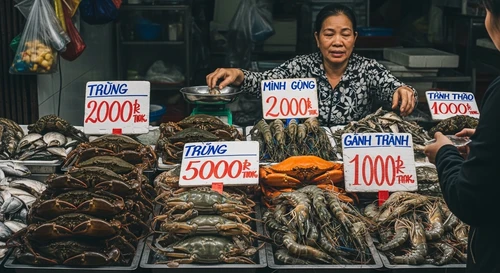
" The air in the Mekong Delta hums with a familiar, frenetic energy. For decades, it's been the engine room of Vietnam's seafood export. But look closer, beyond the frantic pace, and you'll see a different current taking hold—one that whispers of balance, sustainability, and a deep respect for the delta's ancient waterways. "

📸 A landscape in flux: The Mekong Delta's evolving approach to shrimp cultivation.
1 The Era of High-Density Dreams
For years, the mantra was simple: more ponds, more shrimp, more profit. The Mekong Delta, a labyrinth of rivers and canals, became a powerhouse of aquaculture. Intensive farming, characterized by high stocking densities and a heavy reliance on chemical inputs like antibiotics and artificial feed, fueled a global demand for shrimp. The economic returns were undeniable, lifting many communities out of poverty and cementing Vietnam's status as a major seafood exporter.
These farms were typically small, concrete-lined ponds, often clustered together, with aeration systems working overtime to keep the oxygen levels up for the stressed aquatic population. The goal was to maximize yield per square meter, pushing the natural limits of the ecosystem for short-term gains.
2 Cracks in the Facade: The Hidden Costs
But this high-stakes game came with significant risks. The intense concentration of shrimp made them susceptible to diseases. When outbreaks occurred, farmers often resorted to increased chemical treatments, creating a vicious cycle that contaminated the water, the soil, and ultimately, the final product.
Environmental degradation was another major concern. Mangrove forests, the natural nurseries of the delta and a crucial buffer against coastal erosion and storm surges, were cleared to make way for more ponds. The water quality in the canals deteriorated, impacting traditional rice paddies and other forms of aquaculture that had coexisted for centuries.
Furthermore, the market began to demand more assurances. Consumers and international buyers grew increasingly wary of shrimp raised with heavy chemical use, leading to market rejections and price volatility. The reliance on imported feed also made farmers vulnerable to global commodity price fluctuations.
3 A Return to Roots: Ecological Farming
This is where the "shift" becomes truly compelling. Across the coastal provinces of the Mekong Delta, particularly in regions like Ca Mau, Bac Lieu, and Soc Trang, farmers are consciously moving away from the intensive, high-risk model. They are embracing a more traditional, extensive, and ecological approach that works *with* nature, not against it.
This often means integrating shrimp farming into the natural mangrove ecosystem. Instead of concrete ponds, farmers utilize large, open-water areas, often connected directly to the sea or tidal rivers. This allows for natural water exchange, reducing the need for artificial aeration and chemical treatments. The mangroves themselves become an integral part of the farm, providing natural shelter, food sources (like small crustaceans and plankton), and a habitat for beneficial organisms.
4 Nature's Blueprint: The Elements of Extensive Farming
Lower Stocking Density
Significantly fewer shrimp per cubic meter, reducing stress, disease, and reliance on antibiotics.
Natural Feed & Water
Shrimp feed on natural plankton and small organisms found in the ecosystem. Water quality is maintained by tidal flows, not chemicals.
Mangrove Integration
Farms are often designed to coexist with, or even support, mangrove growth, contributing to coastal resilience.
Reduced Environmental Footprint
Less pollution, less habitat destruction, and a more sustainable use of natural resources.
5 Yields of a Different Kind
The transition isn't without its trade-offs. Yields per pond are generally lower than in intensive systems. This means farmers might need larger areas or accept a different profit margin. However, the risks are also dramatically reduced. Disease outbreaks are far less common, and the cost of inputs—feed, electricity, chemicals—plummets.
The resulting shrimp often command a premium in the market. They are perceived as cleaner, healthier, and more flavorful, with a firmer texture. Brands focusing on sustainable, naturally-raised shrimp are gaining traction with conscious consumers. This isn't just about farming shrimp; it's about farming in harmony with a delicate and vital ecosystem.
6 Faces of the New Tide
Spend time along the coastal regions, and you'll meet farmers like Mr. Tran Van Hung from Ca Mau. For years, he battled disease in his high-density ponds. "Every year was a gamble," he recalls, wiping sweat from his brow. "We used so many medicines. The water became dark, it smelled bad. My children asked why the river was sick."
Now, Hung manages a shrimp farm that integrates with the local mangrove forest. The ponds are vast, open to the sky and the sea breeze. He rarely needs to feed the shrimp supplementary food, and antibiotics are a distant memory. "The shrimp are stronger," he says, a genuine smile on his face. "And so is the land. The trees are growing back, and the fish are returning to the waterways. This is the way it should be."
This sentiment is echoed by many. It's a realization that true prosperity in the Mekong Delta isn't just about the quantity of shrimp harvested, but about the health of the entire ecosystem—the water, the soil, the mangroves, and the communities that depend on them for generations to come.
7 A Model for the World
The shift from intensive to extensive shrimp farming in the Mekong Delta is more than just a local trend; it's a vital case study for global aquaculture. As demand for seafood continues to rise, so does the pressure on marine and freshwater ecosystems. This deltaic revolution offers a blueprint for sustainable practices:
- Resilience: Ecological farms are better equipped to withstand disease outbreaks and climate change impacts like salinity shifts.
- Biodiversity: By preserving mangroves and improving water quality, these farms support a richer array of marine life, benefiting the entire coastal ecosystem.
- Market Value: The growing consumer demand for traceable, sustainably sourced seafood provides a clear economic incentive for this transition.
- Community Health: Reducing chemical use directly benefits the health of farmers, their families, and the surrounding communities.
8 Taste the Difference
So, what does this mean for us, the consumers?
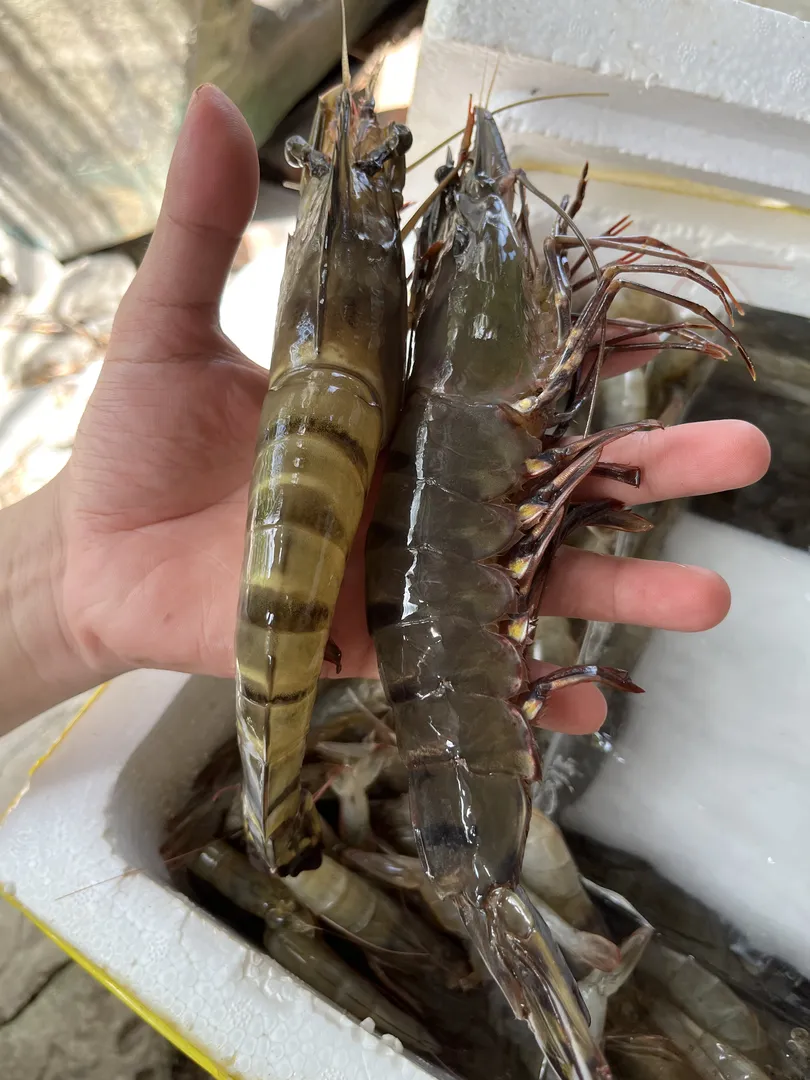
It means that when you choose shrimp labeled "sustainably farmed," "organic," or sourced from the Mekong Delta with ecological practices in mind, you're not just getting a delicious meal. You're supporting a more responsible and resilient food system. These naturally raised shrimp, like the Ca Mau Black Tiger Shrimp, are often characterized by a cleaner, sweeter flavor and a firmer texture, a testament to their healthy upbringing in pristine waters.
Heritage Ingredient
Ca Mau Black Tiger Shrimp
Ca Mau Black Tiger Shrimp
Large black tiger shrimp associated with mangrove aquaculture in Ca Mau, known for firm flesh and a cleaner, sweeter finish than intensively farmed shrimp.
Where every ingredient captures the essence of the wind and tides, weaving a vibrant culinary tapestry of the Mekong region.
It signifies a future where the bounty of the Mekong Delta can be enjoyed for generations, a future built on a foundation of balance, ecological wisdom, and a profound appreciation for the gifts of the river and the sea.
9 The Long Game: Challenges and Opportunities
The transition to extensive farming is not without its challenges. It requires a shift in mindset, often a greater initial investment in land, and robust support from government policies and international markets. Education and training for farmers are crucial to ensure they have the knowledge and resources to succeed in these new, more natural systems.
However, the long-term benefits are clear. By embracing ecological farming, the Mekong Delta is not only securing its position as a leading seafood producer but is also safeguarding its unique environment and cultural heritage for future generations. It's a quiet revolution, unfolding on the water, a testament to the enduring power of working in harmony with nature.