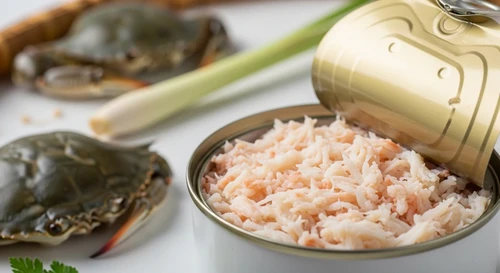
" Here in the Mekong Delta, where the rhythm of life pulses with the ebb and flow of the mighty river, eating is a full-contact sport. When it comes to seafood – fresh, vibrant, straight from the net – cutlery is often just a suggestion. We dive in, hands first, into platters of grilled prawns, tamarind-soaked crab, and succulent fish, savoring every last morsel with our bare hands. It's glorious, messy, unforgettable. And then... the aroma lingers. "

📸 The aftermath of a glorious seafood feast – and the secret to making your hands fresh again.
1 The Lingering Perfume of the Deep (And Why It Sticks)
After a phenomenal meal of freshly grilled prawns or a rich tamarind crab, you might notice that while your palate is satisfied, your hands are broadcasting a certain... oceanic frequency. This isn't just common kitchen grime; it's a testament to the freshness of your meal, but also a persistent problem.
The culprit? Organic compounds called amines. These are naturally present in fish and seafood. When exposed to air and bacteria, they break down into volatile compounds that give seafood its distinctive (and sometimes pungent) odor. They bond stubbornly to the proteins and oils on your skin, resisting a simple soap and water wash. Here in the Mekong, where seafood is often handled raw and cooked with minimal barriers, knowing how to tackle this is a survival skill.
2 Your Mekong Secret Weapon: Immediate Action
Before you even reach for the fancy solutions, there's a crucial first step that can save you a lot of grief. Think of it as the pre-emptive strike in the battle against stubborn smells.
- Cold Water Rinse: Immediately after eating or handling seafood, rinse your hands thoroughly with cold water. Why cold? Hot water can actually open up your pores and allow the odor compounds to seep deeper into your skin. Cold water helps keep them on the surface.
- No Soap Yet: Resist the urge to lather up with soap right away. A preliminary cold water rinse helps remove larger particles and some surface oils without "setting" the smell.
This simple step is often overlooked, but it significantly impacts the effectiveness of subsequent treatments. It's the equivalent of cleaning the mud off your boots before polishing them – essential prep work.
3 The Zest of Life: Lemon & Lime
This is perhaps the most famous and universally available remedy. And for good reason! The Mekong Delta is awash with limes, a staple in nearly every dish and drink. Their acidic power is not just for balancing flavors; it's a formidable foe against fishy odors.
- The Science: Citrus fruits, especially lemons and limes, contain citric acid. This acid reacts with the alkaline amines (the compounds causing the fishy smell) and neutralizes them. It essentially breaks down the odor-causing molecules, allowing them to be washed away. Plus, the fresh, bright scent of citrus naturally masks any residual odors.
- How to Use:
- Cut a lemon or lime in half or quarters.
- Rub the cut side vigorously all over your hands, paying special attention to fingertips, under nails, and between fingers.
- Let the juice sit on your hands for 30-60 seconds.
- Rinse with cold water and then wash with soap as usual.
Insider Tip: For extra scrubbing power, sprinkle a little salt on the lemon/lime before rubbing. The salt acts as a gentle abrasive.
4 A Cuppa Cleanliness: The Magic of Tea Leaves
In Vietnam, tea is more than just a beverage; it's a way of life, from morning rituals to welcoming guests. And those humble tea leaves hold a secret power against stubborn odors.
- The Science: Tea leaves, especially green tea, are rich in tannins. Tannins are polyphenols known for their astringent properties, which help to bind to and neutralize odor-causing compounds. They also have a natural, subtle scent that can replace the unwelcome fishy aroma.
- How to Use:
- Grab a handful of wet, used tea leaves (from your morning brew) or a couple of fresh, slightly damp tea bags.
- Rub the leaves vigorously between your hands, ensuring they cover all affected areas.
- Continue for about a minute.
- Rinse with cold water and follow with a regular soap wash.
This method is wonderfully sustainable, giving new life to something you might otherwise discard. Plus, the slight exfoliation from the leaves can leave your hands feeling soft and refreshed.
5 Beyond the Expected: Toothpaste & More
Sometimes the best solutions are found in the most unlikely places. Your bathroom cabinet holds a surprising ally against fishy hands.
- Toothpaste: The Mighty Mint Cleanser
- The Science: Toothpaste contains abrasives (like baking soda or silica) that help scrub away odor-causing particles, and powerful deodorizing agents (like mint or eucalyptus oil) that neutralize and mask strong smells.
- How to Use: Squeeze a small amount of toothpaste (any minty variety works best) onto your palms. Rub your hands together vigorously for about a minute, as if washing with soap. Rinse thoroughly with cold water.
- Vanilla Extract: A Sweet Solution
- The Science: The strong, pleasant aroma of vanilla extract can effectively mask and absorb other odors. It’s a less common but surprisingly effective trick.
- How to Use: Pour a teaspoon of vanilla extract onto your hands and rub them together until the extract evaporates. The vanilla scent will linger, replacing the fishy smell.
6 Kitchen Alchemy: Salt, Vinegar & Coffee Grounds
Your pantry isn't just for cooking; it's a secret arsenal for cleanliness. These everyday items are surprisingly potent odor neutralizers.
- Salt: The Gentle Scrubber
- The Science: Salt acts as a mild abrasive, physically scrubbing away odor molecules and surface oils. It also draws out moisture, which can carry away some of the amines.
- How to Use: Wet your hands slightly, then sprinkle a tablespoon of fine salt onto them. Rub vigorously for 30 seconds. Rinse and wash.
- White Vinegar: The Acidic Powerhouse
- The Science: Like citrus, vinegar is acidic (acetic acid) and neutralizes alkaline amines. It's incredibly effective, though its own strong smell might require a follow-up wash.
- How to Use: Pour a small amount of white vinegar onto your hands, rub them together for 30 seconds, then rinse thoroughly.
- Coffee Grounds: Aromatic Absorbent
- The Science: Coffee grounds are highly porous, allowing them to absorb odors. Their strong, distinctive aroma also acts as a potent mask.
- How to Use: Rub a spoonful of damp, used coffee grounds (fresh ones are fine too, but less sustainable) over your hands for about a minute. Rinse and wash.
7 The Unsung Hero: Stainless Steel
This one might sound like an old wives' tale, but it's remarkably effective and often has people scratching their heads in disbelief.
- The Science (Theory): The exact mechanism isn't fully understood, but the prevailing theory is that the sulfur compounds in the fishy smell bond to the metal molecules in stainless steel. When you rub your hands on stainless steel under running water, the water acts as a catalyst, and the metal ions attract and neutralize the sulfurous odor molecules.
- How to Use:
- Hold a stainless steel object (a spoon, a knife blade, or even a dedicated stainless steel "soap" bar) under cold running water.
- Rub your hands all over the stainless steel for 30-60 seconds, as if you're washing them with it.
- You should notice the smell diminishing significantly. Follow with a normal hand wash.
Where to find it: Many kitchen stores sell dedicated stainless steel "soap" bars specifically for this purpose, but any stainless steel utensil will do!
8 A Proactive Approach: Prevention Tips
While knowing how to clean your hands after a seafood feast is essential, a few simple steps can help reduce the intensity of the smell from the get-go.
- Prepare with Gloves: If you're handling raw seafood, especially pungent varieties, consider wearing thin kitchen gloves. This is a practical compromise, though it takes away from the sensory experience of traditional Mekong cooking.
- Clean as You Go: Wipe down surfaces and wash utensils promptly after they come into contact with seafood. This prevents the odor from transferring to other items or lingering in the air.
- Ventilation is Key: Ensure good ventilation in your kitchen while cooking seafood. An open window or a good exhaust fan can make a big difference in preventing odors from clinging to surfaces – and your hands.
- Hand Sanitizer (Temporary Fix): While not an odor eliminator, an alcohol-based hand sanitizer can provide a temporary mask and remove some surface oils if you're on the go and can't perform a proper wash.
Embrace the Journey, Conquer the Aftermath
The Mekong Delta is a symphony of flavors, a culinary adventure best experienced with all your senses, including the tactile joy of eating with your hands. Don't let the minor inconvenience of a lingering scent hold you back from diving deep into its edible treasures.
Armed with these simple, effective tricks, you can enjoy every succulent bite of crab, every juicy prawn, and every perfectly grilled fish, knowing you have the power to make that fishy farewell a quick and clean one. So go ahead, get messy, and savor the true taste of the Mekong!
🍜 Discover More Mekong Delights