" There are some truths in the kitchen we'd rather not face. The life cycle of our food, from earth or ocean to plate, is one of them. But in the Mekong Delta, where sustenance is drawn directly from the muddy embrace of the river, understanding this cycle isn't just a choice—it's a profound respect. "

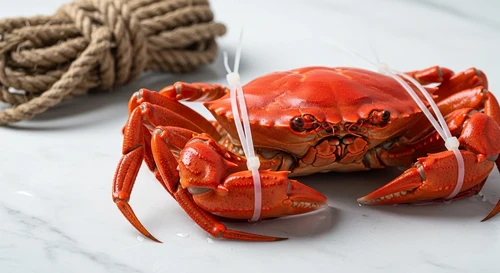
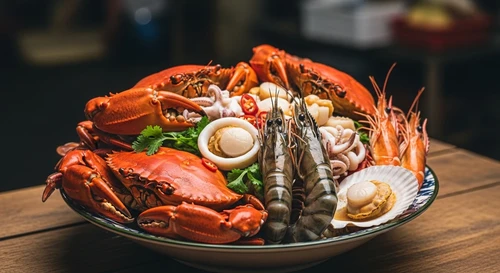
📸 A fresh mud crab, a staple of the Mekong Delta, awaiting preparation.
1 The Uncomfortable Truth: Why This Guide Matters
Let's be blunt: if you're eating fresh crab, it was alive moments before it hit your steamer basket. The romantic notion of a chef conjuring exquisite dishes from thin air often glosses over the fundamental reality of preparing living creatures. But ignoring this reality comes at a cost, both ethical and culinary.
A crab that struggles violently during the cooking process doesn't just suffer needlessly; it also releases stress hormones that can negatively impact the flavor and texture of its meat. Claws can drop off, guts can get agitated, leading to a less pristine final product. In the Mekong Delta, where every ingredient is revered for its purity and freshness, minimizing distress isn't just about kindness—it's about honoring the ingredient and ensuring the best possible meal.
This isn't a gory exposé; it's an essential guide for anyone who respects their food enough to understand its journey. We’re aiming for a swift, calm, and respectful transition from vibrant life to delectable sustenance.
2 From Muddy Banks to Kitchen Counter: Understanding the Delta's Delicacy
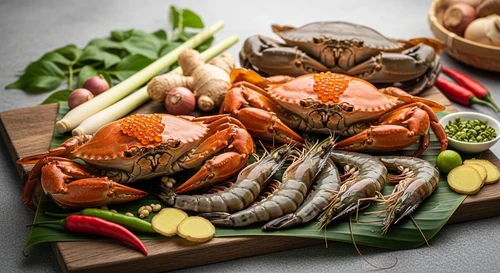
The Mekong Delta is a labyrinth of waterways, a place where life thrives in the nutrient-rich mud and mangrove forests. Here, the mud crab (often simply called "crab" in English, but known locally as cua biển or cua gạch for the females with rich roe) is a culinary king. These aren't your dainty blue crabs; these are robust, powerful creatures, often weighing over a pound, with thick shells and formidable claws.
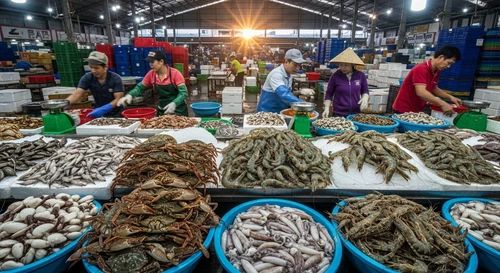
They are caught daily by local fishermen, brought to bustling morning markets, and sold still very much alive—often tied with thick string to prevent their powerful pincers from inflicting damage. This extreme freshness is what makes Mekong Delta crab so prized. The meat is sweet, firm, and boasts a distinct oceanic brininess. To preserve this pristine quality, every step, including the one we're about to discuss, must be handled with care and purpose.
Imagine the fisherman rising before dawn, navigating the misty canals, knowing that the quality of his catch relies on swift, respectful handling. We, as cooks, carry that same responsibility.
3 The Philosophical Approach: Respecting Life in the Kitchen
Anthony Bourdain often spoke about the moral contract between eater and eaten. It’s easy to distance ourselves when food comes pre-packaged, but when it’s alive and kicking, that contract becomes tangible. In many traditional cultures, including those of Southeast Asia, a deep respect for the animal is woven into the fabric of daily life and culinary practice. This respect isn't just for philosophical reasons; it directly impacts the end result.
Consider the concept of "qi" or life force. While not scientifically quantifiable in a crab, the principle holds: a creature that experiences immense stress or pain before death can have its flesh tainted, not just by chemicals but by a perceived lack of integrity in the preparation. This guide, then, is about achieving a quick, clean, and therefore more humane death, ensuring the crab's inherent sweetness and delicate texture are preserved for the diner. It's about taking responsibility for the food we consume, from its origin to our plate.
4 Method 1: The Chill-Out (The Gentle Sleep)
This method is often preferred for those less comfortable with direct intervention. It relies on inducing a state of dormancy, effectively putting the crab to sleep before processing.
What You'll Need:
- A freezer (preferably a fast-freezing one)
- Alternatively, a large bucket or cooler with plenty of ice and water
Step-by-Step Freezer Method:
- Initial Calm: Ensure the crab is tied or contained to prevent escape. A gentle rinse under cool water can sometimes help calm it.
- The Big Chill: Place the live crab directly into the coldest part of your freezer.
- Dormancy Time: Leave it in for 15-20 minutes. For very large crabs (over 1 kg / 2 lbs), extend to 30-40 minutes. The goal is complete inactivity—the crab should appear utterly still, as if deeply asleep.
- Confirm Dormancy: Carefully remove the crab. It should not react or move its legs/claws. If there's any movement, return it to the freezer for longer.
- Proceed with Preparation: Once completely dormant, you can proceed with cleaning and cooking. The crab will not revive in this state.
Ice Bath Alternative:
- Fill a large bucket or cooler with a mixture of ice and water (mostly ice).
- Submerge the tied crab fully in the ice bath for 30-60 minutes, depending on size. The extremely cold water will slowly sedate it.
- Confirm complete dormancy before proceeding.
Pros: Less confrontational, minimal struggling, generally considered humane by Western standards.
Cons: Takes longer, larger crabs require more time, and some argue it's not as instantaneous as spiking.
5 Method 2: The Quick Farewell (Spiking – The Delta Way)
This is often the preferred method in Vietnamese kitchens for its speed and decisiveness. It's not for the faint of heart, but when done correctly, it's arguably the most immediate and therefore humane way to dispatch a crab, minimizing any prolonged distress.
What You'll Need:
- A sturdy, sharp, pointed object: a metal skewer, a robust chopstick, a thin, sharp knife, or even a screwdriver.
- A firm cutting board or surface.
- Thick gloves (optional, but highly recommended for safety from pincers).
Step-by-Step Spiking Method:
- Secure the Crab: Place the crab on its back (belly up) on your cutting board. This exposes the underside where the vital organs are located. Hold it firmly, preferably by the rear legs or body, avoiding the claws. If it's still tied, this is easier.
- Identify the Target: Look at the underside of the crab. You'll see a small, triangular flap (the abdominal flap) tucked between its legs. Just above where this flap meets the main body, there are usually two small indentations or dimples. These are your target points. The crab's nerve centers are located here.
- The First Strike (Brain): Take your pointed tool. Aim for the indentation closest to the crab's mouthparts, just behind the eyes. With one swift, firm, and decisive thrust, pierce directly downwards into this spot. This destroys the primary nerve ganglion (often referred to as the "brain"). The crab's legs may twitch reflexively, but the crab itself should be immediately incapacitated.
- The Second Strike (Heart/Secondary Ganglion): Immediately after the first strike, move your tool to the second indentation, further down towards the tail, near the base of the abdominal flap. Pierce downwards again with another swift, firm thrust. This ensures total destruction of the remaining nerve centers, including the heart.
- Confirm Death: The crab should be completely unresponsive after these two strikes. Its legs may continue to twitch for a minute or two due to residual nerve activity, but the crab is no longer conscious.
Pros: Instantaneous, minimal suffering if done correctly, ensures no dropping of claws during cooking.
Cons: Can be intimidating, requires precision and resolve, not suitable for very small crabs.
6 The Aftermath: Cleaning and Preparing for the Pot
Once the crab has been humanely dispatched by either method, the hard part is over. Now, it's time for the final cleaning before it heads to your chosen cooking method.
Steps for Cleaning:
- Remove Restraints: Untie any strings from the crab.
- Scrub the Shell: Under cold running water, use a stiff brush to scrub the entire shell, paying close attention to the crevices. You want to remove any mud, sand, or barnacles.
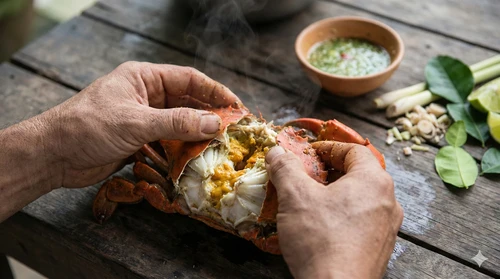
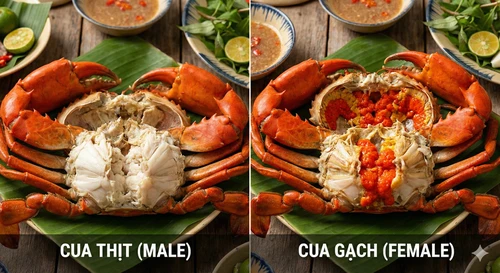
- Open the Abdominal Flap: Pry open the triangular abdominal flap on the crab's underside. For female crabs (identified by a broader, more rounded flap), this is where the roe might be. For males (narrower, pointed flap), this will contain mostly intestinal matter.
- Remove Gills and Intestines: Carefully remove the gills (feathery, greyish structures) located on either side of the body under the top shell. These are inedible and can impart a bitter taste. Scoop out any internal organs or intestinal matter from the central cavity. The yellow-orange roe in female crabs is prized and should be left in.
- Rinse Thoroughly: Give the entire crab a final, thorough rinse inside and out with cold water.
- Optional: Sectioning: Depending on your recipe, you might want to section the crab. Use a heavy knife to cut the crab in half or into quarters. Crack the claws gently with a mallet or back of a knife to allow flavors to penetrate during cooking.
Your crab is now perfectly clean and ready for steaming, stir-frying, grilling, or whatever delicious fate awaits it in the Mekong kitchen.
7 Expert Tips from the Delta's Heart: Safeguarding Flavor and Ethics
- Freshness is Non-Negotiable: This guide assumes you are working with a very fresh, live crab. The techniques described are for ensuring optimal taste and ethical treatment of a healthy animal. Do not attempt to "humanely kill" a crab that is already sickly or near death; it's best to discard it.
- Safety First: Crab claws are powerful. Always exercise extreme caution. If in doubt, use thick gloves and consider having an extra set of hands to help secure the crab.
- Speed and Decisiveness: Regardless of the method, speed is key. Hesitation can prolong distress. Aim for quick, confident actions.
- Mindset: Approach this task with respect and purpose. It's a fundamental part of cooking with live seafood, not a brutal chore.
- Equipment Matters: For spiking, ensure your tool is sharp and strong enough to penetrate the shell cleanly without bending or breaking.
- Environmental Disposal: Dispose of crab waste responsibly. Gills and intestines should be double-bagged and put in the trash, not down the drain, to prevent odors and plumbing issues.
These tips aren't just about technique; they're about embodying the spirit of responsible cooking that defines the best of the Mekong Delta's culinary traditions.
8 Beyond the Kill: A World of Mekong Delta Crab Delights Awaits
With your crab humanely prepared and spotlessly clean, you've unlocked a culinary gateway to the authentic flavors of the Mekong Delta. This foundational step is the bedrock upon which countless delicious dishes are built. From here, the possibilities are vast and vibrant:
- Steamed Crab with Beer & Lemongrass: A classic, minimalist approach where the crab's natural sweetness shines through, enhanced by aromatic steam.
- Tamarind Crab (Cua Rang Me): A tangy, savory, and slightly sweet stir-fry that coats the crab in an irresistible sauce, perfect for getting messy.
- Grilled Crab with Salt and Chili (Cua Nướng Muối Ớt): A smoky, spicy treat, often found at roadside stalls, showcasing the crab's meat against a fiery backdrop.
- Crab Noodle Soup (Bánh Canh Cua): A hearty, comforting soup with thick tapioca noodles and rich crab broth.
By taking the time to understand and execute this vital step, you're not just cooking; you're participating in a rich culinary tradition, one that values freshness, flavor, and a deep respect for the bounty of nature. So, put on your apron, perhaps grab a cold Vietnamese beer, and prepare to embark on a truly unforgettable gastronomic adventure.
Ready to Cook?
Now that your crab is prepped, let's turn it into a Mekong Delta masterpiece!
➡️ Cook Steamed Crab with Beer