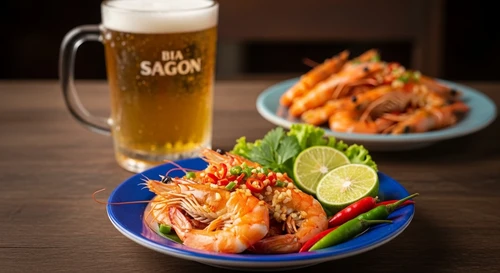
" You point at a lively specimen, its antennae twitching, eyes keen. You imagine its sweet, firm flesh. Then, your plate arrives. The shrimp is limp, grey, a ghost of its former self. The deal is broken. "
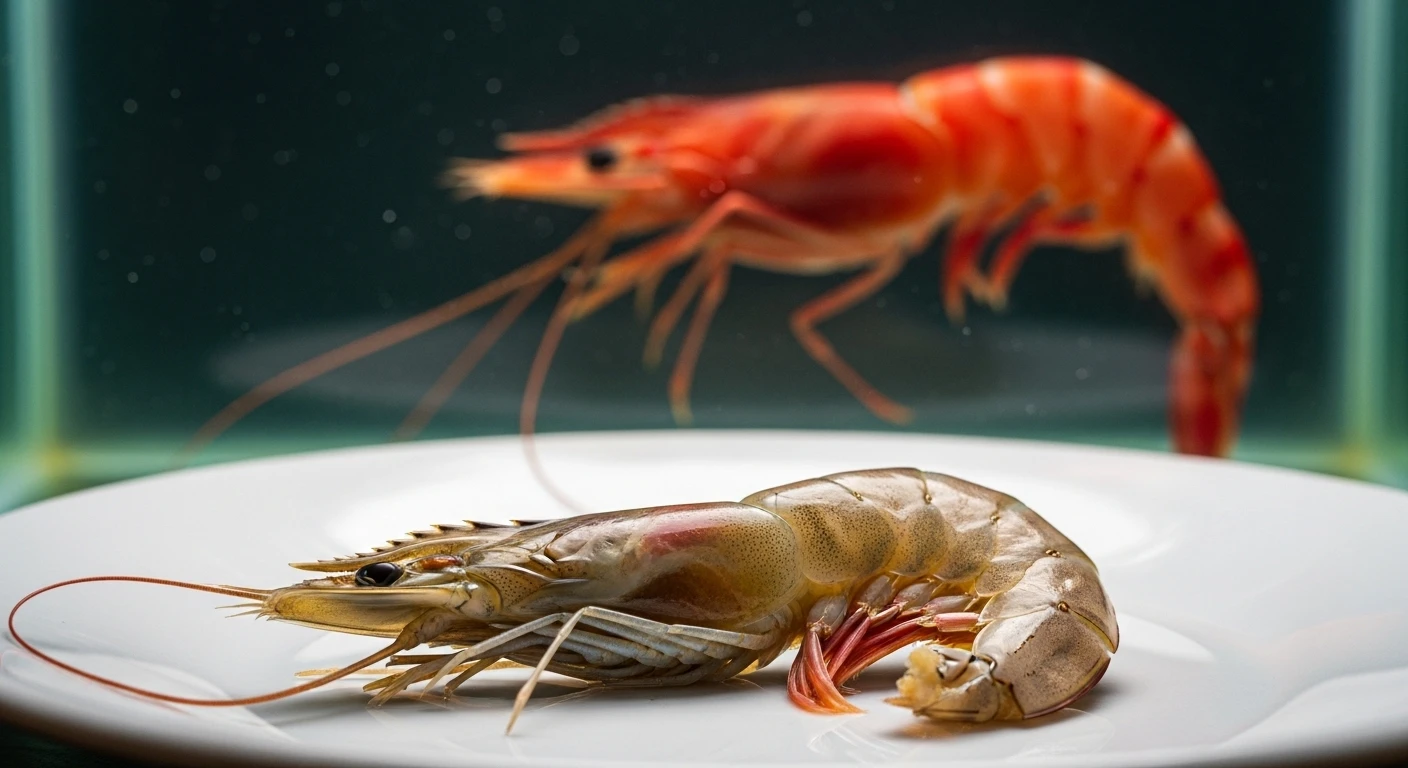
📸 The visual disconnect: A prime example of the bait-and-switch.
1 The Allure of the Live Tank: Why It Matters
In bustling coastal towns of the Mekong Delta, from the seafood markets of Ca Mau to the beachfront eateries in Phu Quoc, the promise is simple: pick your catch, and they cook it fresh. The live seafood tank is more than just a display; it's a symbol of quality, freshness, and honesty. It represents the pinnacle of what seafood can be.
Imagine the vibrant Mekong Giant Freshwater Prawns, their iconic blue claws raised in defiance, or the plump, dark tiger prawns, fresh from the mangrove farms of the south. When you select one of these, you are choosing a specific experience – the firm texture, the burst of sweetness, the rich head fat. You are choosing life, and the promise of its perfect culinary end.
The scam happens when that promise is broken, not by accident, but by deliberate deception. You point to a swimmer; a dead one appears on your plate.
Heritage Ingredient
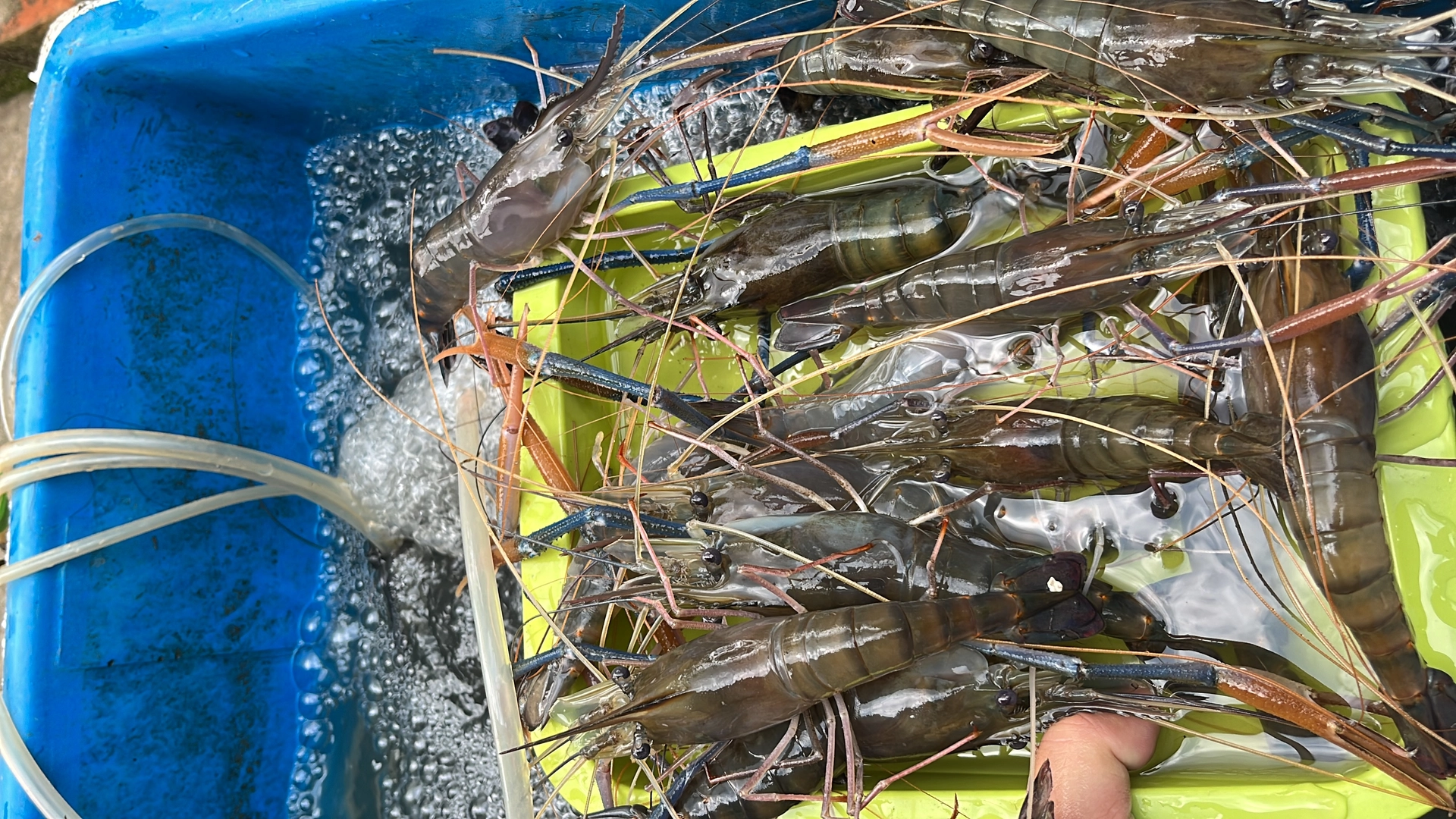
Mekong Giant Freshwater Prawn
Mekong Giant Freshwater Prawn
A river prawn with long blue claws and rich head fat, common in grilled prawn dishes and hotpot traditions across the Mekong basin.
Majestic blue-clawed warriors of the Mekong, famous for their rich, fatty heads and a savory depth that captures the essence of the delta's rivers.
Heritage Ingredient
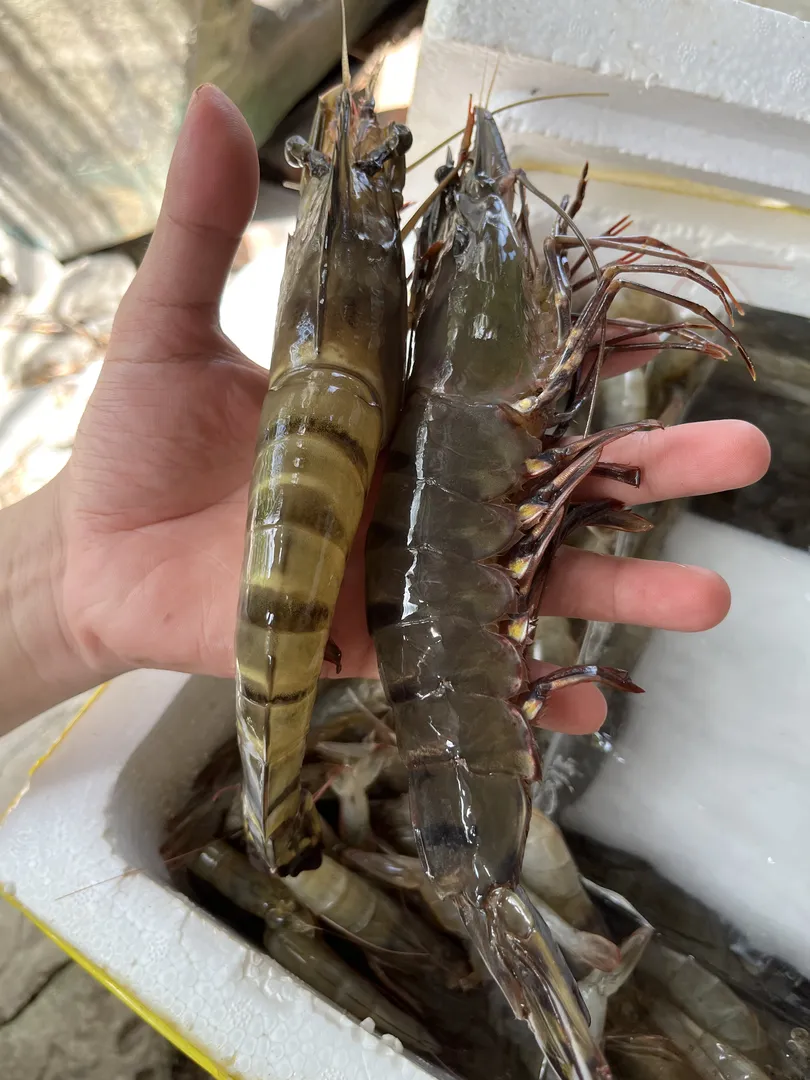
Ca Mau Black Tiger Shrimp
Ca Mau Black Tiger Shrimp
Large black tiger shrimp associated with mangrove aquaculture in Ca Mau, known for firm flesh and a cleaner, sweeter finish than intensively farmed shrimp.
Wild spirits of the mangroves, these black-banded gems deliver a firm, snappy texture and a sweetness that echoes the forest's vibrant life.
2 The Bait-and-Switch: How the Scam Works
This is a classic bait-and-switch. The restaurant shows off their best, liveliest specimens to entice you. They might even put them in a special, well-lit tank to emphasize their vitality. You choose your prize. The waiter nods, perhaps even writes it down. Then, it disappears into the kitchen's labyrinth.
The crucial moment is when the dish reappears. The shrimp that once fought for air is now listless, its shell perhaps slightly duller, its texture unquestionably soft and mushy. The flavor? Watery, lacking the vibrant sweetness you were promised. The kitchen, to cut costs or to offload older stock, has replaced your chosen, living creature with one that died hours, or even days, ago.
This is particularly common with prawns and shrimp, where visual distinction between very fresh and slightly less fresh can be subtle to the untrained eye, but glaringly obvious to a discerning palate. A true Mekong Giant Freshwater Prawn, when fresh, has a distinct resilience and a rich head that can be palpably different when it's been languishing.
3 Why It's Rampant in Tourist Areas
Coastal tourist towns are often transient environments. Diners come and go, many unaware of local seafood standards or the tell-tale signs of a fresh catch. Dishonest operators prey on this anonymity. They know that a customer might complain, but the chances of that customer returning or spreading widespread negative word-of-mouth are lower than in a local haunt.
The sheer volume of visitors can also create a pressure to move inventory quickly. While legitimate restaurants manage this through smart purchasing and proper storage, others resort to deceit. It’s a calculated risk for them, exploiting the trust of travelers eager for an authentic culinary experience.
4 Signs of the "Dead Prawn"
Catching the deception requires vigilance. Here’s what to look out for:
- The Texture Test: The most definitive sign. Fresh, live prawns will have a firm, almost "snappy" texture when bitten into. Dead prawns are mushy, soft, and may disintegrate easily.
- The Smell: While a faint sea smell is normal, a strong, unpleasant "fishy" or ammonia-like odor is a red flag. This indicates spoilage.
- The Shell: Live prawns have a bright, clean shell. Dead ones might have duller shells, or worse, discoloration, especially around the head or under the shell's edges.
- The Head: The head of a truly fresh prawn should be firmly attached and the "fat" inside should be creamy, not watery or discolored.
- The "After" Show: If you saw a lively Whiteleg Shrimp or a magnificent Mekong Giant Freshwater Prawn in the tank, and the one served is visibly smaller, duller, or has drooping appendages, it's a strong sign.
5 How to Protect Yourself: Your Action Plan
Don't let a bad actor ruin your culinary adventure. Here’s how to stay ahead:
- Inspect the Tank: Observe the activity. Are the prawns actively swimming or lurking listlessly at the bottom? Look for signs of disease or death.
- Ask Questions: Don't be afraid to ask about the source and when the seafood was caught. A confident, knowledgeable answer is a good sign.
- Demand Witnessing: If possible, ask to see your chosen prawn weighed before it goes to the kitchen. Sometimes, they'll swap it for a lighter, dead one before cooking.
- Clarify the Dish: If you order grilled prawns, be specific. "I want the live prawns from the tank, grilled with chili salt."
- The "No Substitution" Rule: Politely but firmly state that you want the exact prawn you selected.
- Look for Local Trust: Eat where locals eat. If a place is packed with Vietnamese families, it's generally a safer bet than one catering exclusively to tourists with pushy touts.
- Trust Your Gut: If something feels off – the price is too good to be true, the waiter is evasive, or the tank looks suspect – walk away. There are plenty of honest establishments eager to serve you.
In the Mekong Delta, seafood is life. It's the livelihood of countless families and a cornerstone of its delicious cuisine. Most vendors and restaurateurs are proud of their fresh catch and will treat it with the respect it deserves. Don't let a few bad apples spoil your perception of this incredible region.
6 Beyond Prawns: Other Seafood Scams
While we've focused on prawns, this deception isn't limited to them. Be aware of similar tricks with other highly sought-after seafood:
- Fish: Pointing out a beautiful, firm fish, only to receive a softer, less vibrant one.
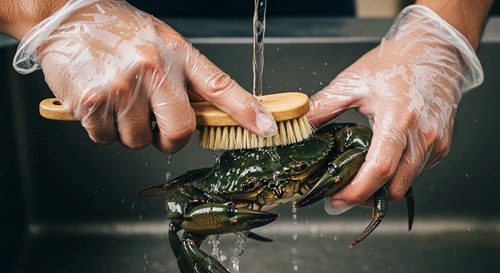
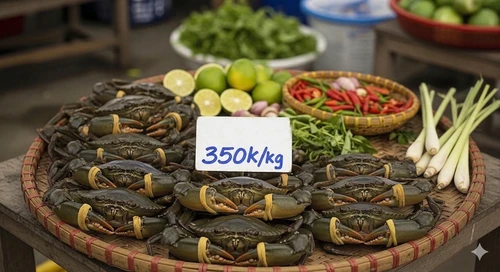
- Crabs: Especially when ordering a large, impressive mud crab like the renowned Ca Mau Mud Crab. A live crab should feel heavy for its size and have firm, intact legs and claws.
- Squid: Live squid should be firm and taut. Dead ones can be slimy and floppy.
Always remember that the visual and textural cues of freshness are paramount.
7 The Taste of Honesty: What to Expect from Fresh Seafood
When you do get it right, the difference is profound. Fresh, live-caught seafood has an unparalleled sweetness and a satisfyingly firm, slightly springy texture. The flavors are clean and pure, allowing the natural essence of the ocean or river to shine through. Whether simply steamed, grilled with a hint of chili salt, or incorporated into a complex dish, its integrity is unmistakable.
This is the true culinary treasure of the Mekong Delta and its coastlines. It’s an experience worth seeking out, and with a little awareness, you can ensure you're getting the genuine article, every time.
Don't Get Fooled!
Want to explore the real flavors of the Mekong Delta without the risk? Discover authentic regional dishes celebrated for their freshness and integrity.
✨ Discover Mekong Eats