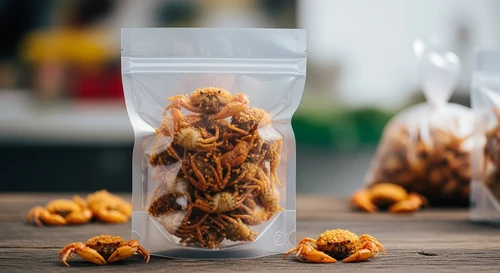
" The days of haggling at a wet market before dawn are rapidly becoming a quaint memory for many in Vietnam's burgeoning cities. Now, the freshest catch is a few taps away, delivered with an almost impossible speed. "
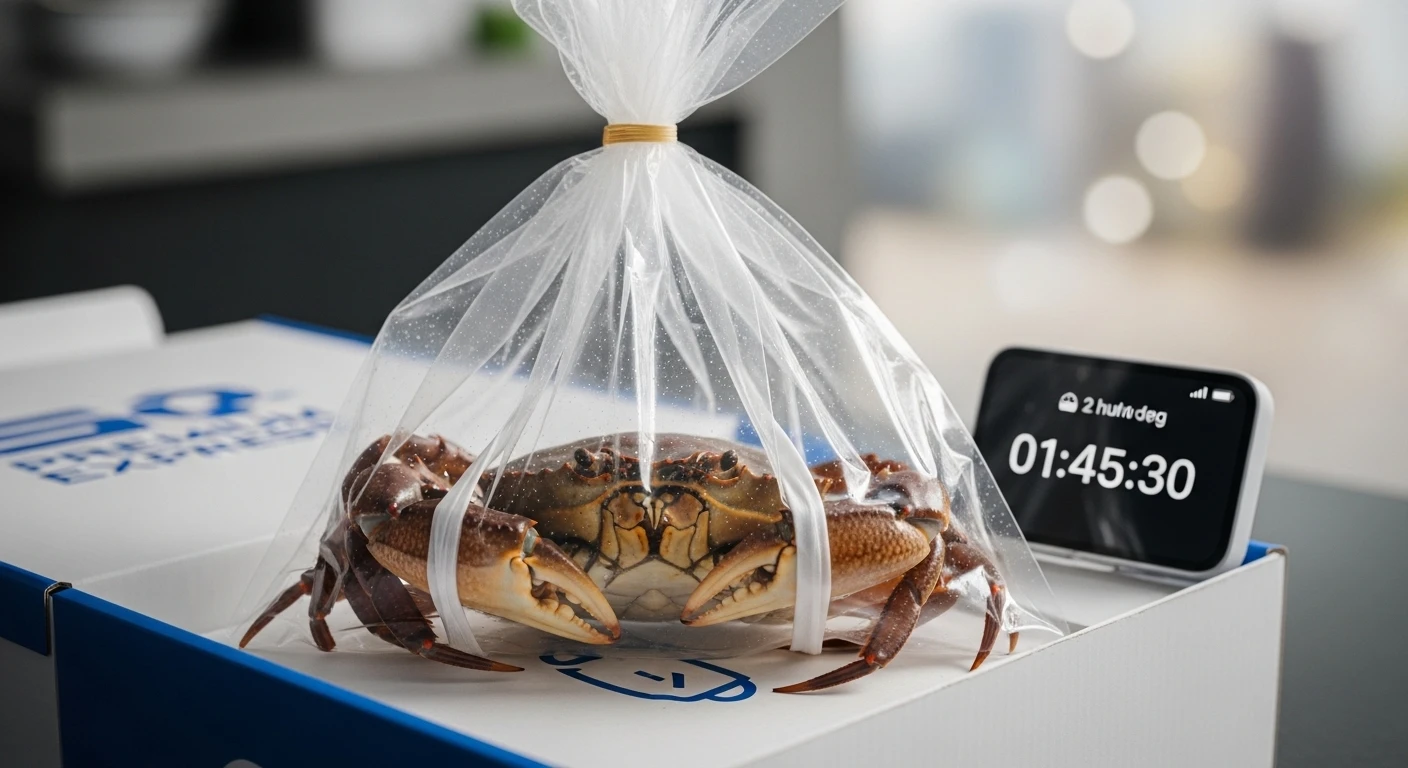
📸 Logistics in action: Live seafood ready for express dispatch.
1 From Mangrove Roots to Market Shelves
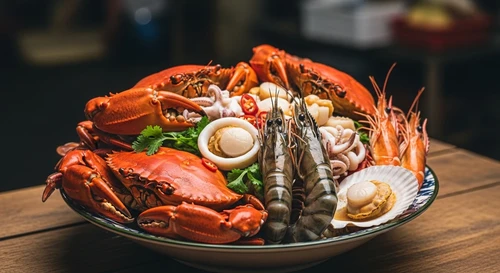
The Mekong Delta, Vietnam's "rice bowl," is also a pulsating heart of aquaculture and wild-caught seafood. Its intricate network of rivers, canals, and coastal mangroves is a natural pantry, yielding some of the country's most prized marine life. From the iconic Ca Mau mud crabs, famed for their sweet, dense meat, to the plump tiger prawns and a kaleidoscope of fish, this region has always been a primary source of protein for Southern Vietnam.
For generations, the journey from the water to the plate was direct: fishermen selling to local markets, where restaurateurs and home cooks would select their ingredients daily. The emphasis was always on freshness, often meaning the seafood was still wriggling, clacking, or flopping when purchased.
The Source: Ca Mau Crabs
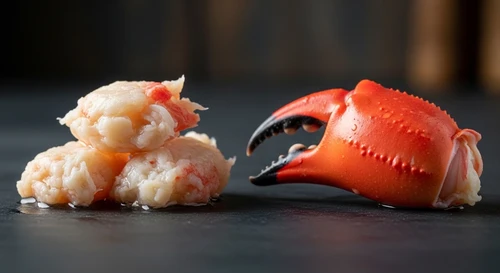
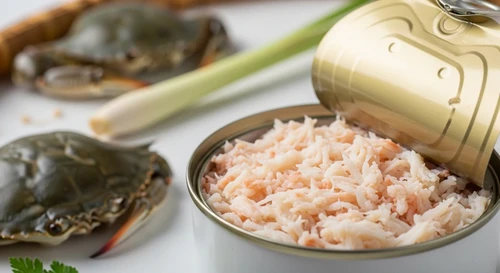
The mud crabs of Ca Mau are legendary. Known for their robust shells and succulent meat, they are a staple in Vietnamese cuisine. Male mud crabs are prized for their substantial claws and meaty bodies, perfect for steaming or grilling.
Beyond Crab: Diverse Catch
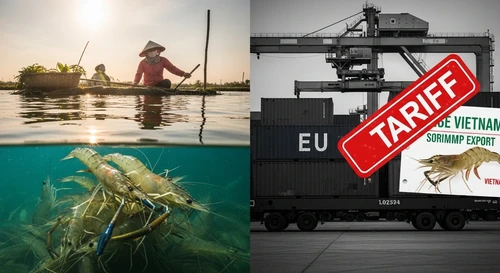
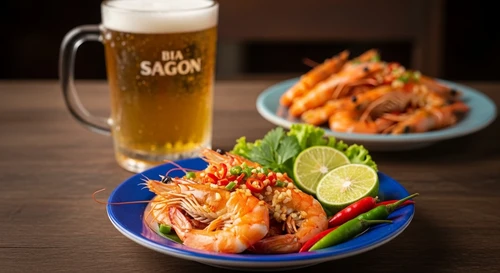
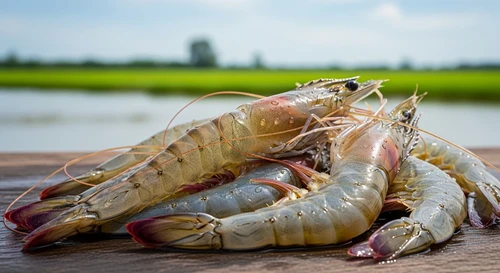
The delta's waters also yield a variety of shrimp, like the famed Ca Mau Black Tiger Shrimp, and freshwater giants like the Mekong Giant Freshwater Prawn. This rich biodiversity forms the backbone of the region's culinary identity.
2 The Digital Transformation of Freshness
In recent years, Vietnam has seen an explosive growth in e-commerce, led by platforms like Shopee, Lazada, and Tiki. Initially focused on electronics, fashion, and household goods, these platforms have increasingly ventured into fresh produce and, more daringly, live seafood. This evolution is driven by several factors:
Urban Demand
Rapid urbanization has created a large consumer base in cities like Ho Chi Minh City and Hanoi, seeking convenience and quality. Time-strapped professionals find online shopping a necessity.
Technological Advancement
Widespread smartphone penetration and improved internet infrastructure enable seamless online transactions and delivery tracking.
The critical innovation enabling this venture into live seafood is the emergence of ultra-fast delivery services. Platforms are partnering with logistics providers to offer 1-hour or 2-hour express delivery windows in major metropolitan areas. This is where the challenge and the magic lie: bridging the gap between the delta's waters and the urban diner's table at lightning speed.
3 The Race Against Time: Cold Chain and Packaging
Delivering live seafood is not for the faint of heart. It requires a sophisticated cold chain and specialized packaging to ensure the creatures survive the journey and arrive in prime condition. This is where the logistics behind platforms like Shopee become paramount.
Packaging Innovations
Crabs are typically packed in insulated boxes with ice packs and breathable bags or specialized containers that allow water circulation. Some systems even incorporate oxygenation for longer transit times, though this is less common for express urban deliveries.
The Cold Chain
Maintaining a consistent low temperature is crucial. This involves temperature-controlled warehousing, refrigerated transport from sourcing points to consolidation hubs, and insulated delivery vehicles or bags for the final mile.
Supplier Partnerships
E-commerce platforms rely heavily on trusted suppliers who have established aquaculture farms or robust sourcing networks. These partners must adhere to strict quality and handling protocols.
4 The 2-Hour Promise: Success and Setbacks
The success of 2-hour express delivery for live seafood hinges on operational efficiency and a deep understanding of consumer expectations. While the concept is revolutionary, its execution can face hurdles:
Speed is King
The sheer speed is impressive. Ordering a live crab in the morning and having it delivered by lunchtime is a modern marvel, especially in densely populated urban centers.
Quality Assurance Challenges
However, the pressure to deliver quickly can sometimes strain quality control. Ensuring the crab is truly "live" upon arrival, and not just recently deceased, is a key concern for consumers.
Geographical Limitations
This express model is currently concentrated in major cities. Expanding it to smaller towns or more remote areas of the Mekong Delta presents significant logistical hurdles due to infrastructure limitations.
Cost and Consumer Perception
The premium for express delivery and potentially higher prices due to handling costs can be a barrier for some consumers, even in affluent urban markets.
5 The Online Seafood Market Basket
When diving into online seafood shopping, consumers can find a range of products, often categorized for clarity and preference:
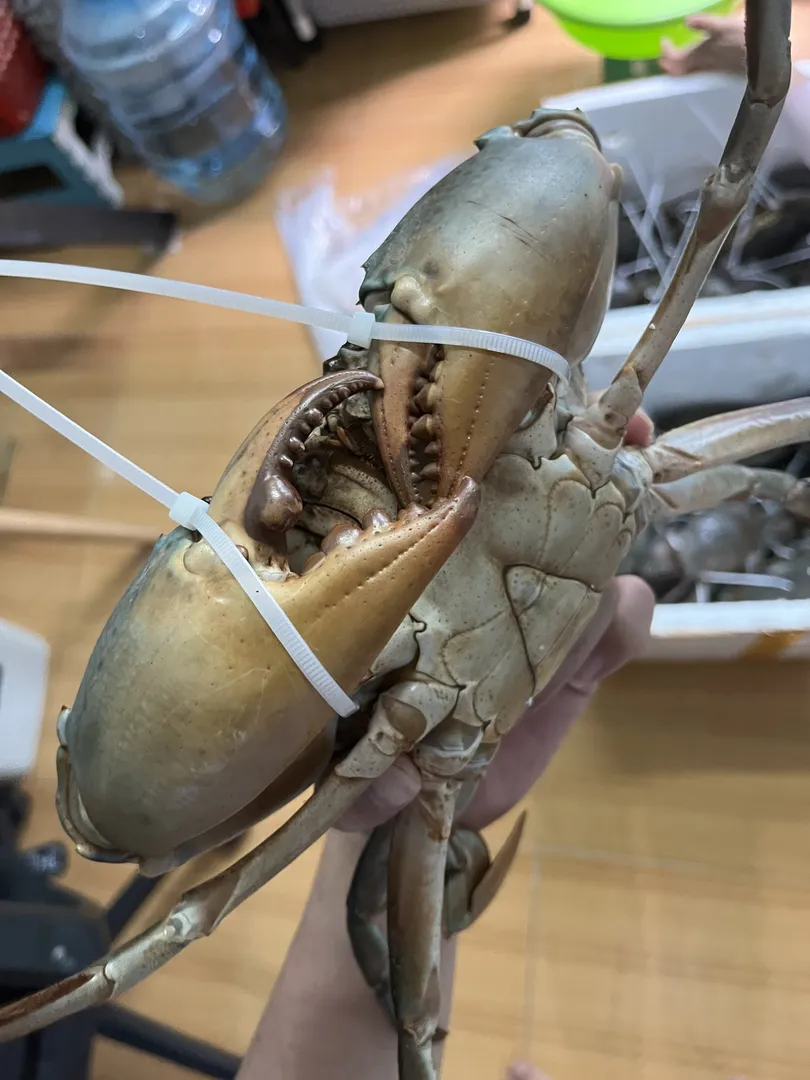
Heritage Ingredient
Ca Mau Jumbo Mud Crab
Ca Mau Jumbo Mud Crab
A large male mud crab prized for dense, sweet meat and thick claws, commonly used in steamed crab and grilled crab dishes across the Mekong Delta.
An icon of coastal culinary heritage, featuring firm, sweet meat that captures the raw power and freshness of Ca Mau's tides.
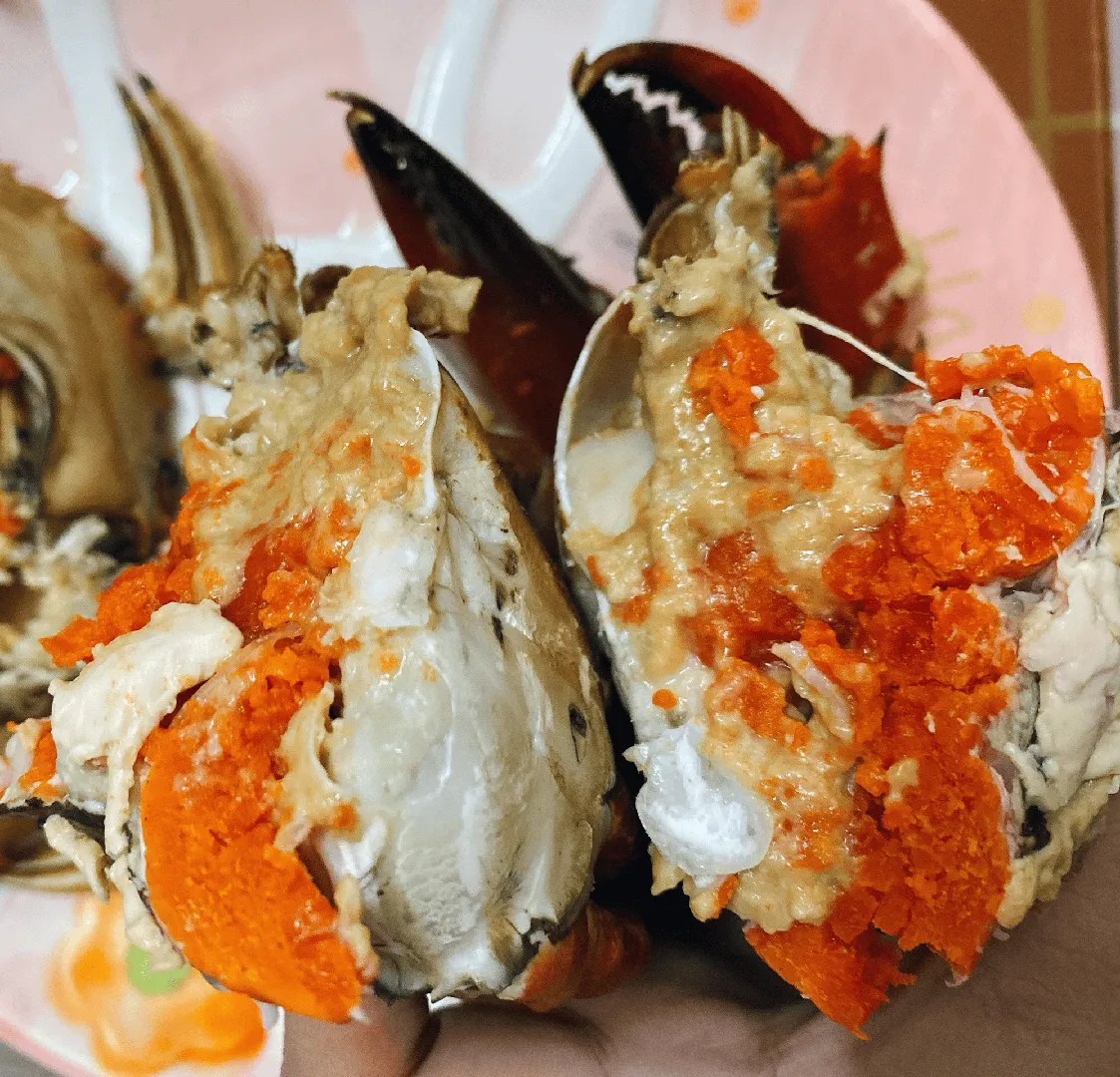
Heritage Ingredient
Ca Mau Roe Mud Crab
Ca Mau Roe Mud Crab
A female mud crab known for deep orange roe and a rich, creamy finish, often featured in celebratory Southern Vietnamese seafood meals.
A crimson treasure hidden within a shell, boasting rich, creamy roe that melts on your tongue like a golden sunset over the delta.
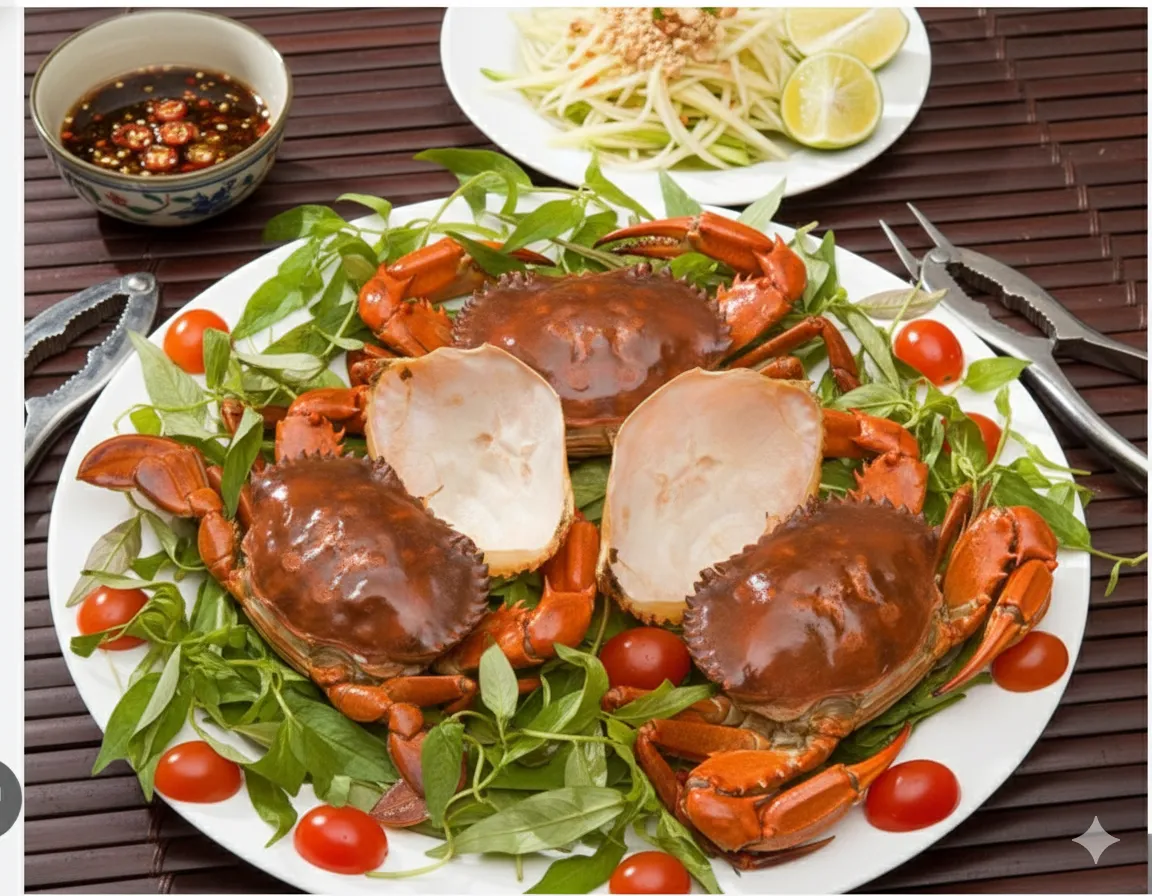
Heritage Ingredient
Soft-Shell Butter Crab (Molting Crab)
Soft-Shell Butter Crab (Molting Crab)
A rare molting mud crab from Ca Mau, valued for its edible soft inner shell and exceptionally creamy roe, making it the closest local equivalent to soft-shell crab concepts familiar abroad.
Nature's rare masterpiece—a delicate transition where a soft inner layer protects golden, custard-like roe in a fleeting moment of flavor.
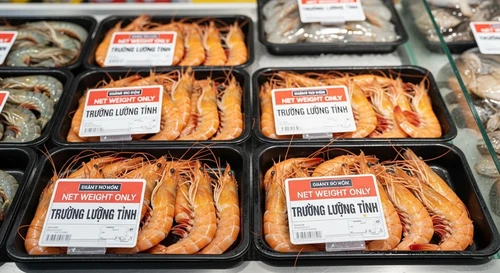
Beyond crabs, these platforms often list live fish, shrimp, oysters, and other shellfish, sourced from various regions and delivered via similar express logistics networks.
6 Beyond the Two-Hour Window: Innovations on the Horizon
The rapid success of express seafood delivery is just the beginning. We can anticipate further innovations in the coming years:
- Smart Packaging: IoT sensors embedded in packaging to monitor temperature, humidity, and even the condition of the live seafood in real-time, providing greater transparency.
- Blockchain Traceability: Full tracking of seafood from farm or catch to consumer, verifying origin, sustainability, and freshness.
- AI-Powered Logistics: Optimizing delivery routes dynamically based on traffic, weather, and order density to further reduce transit times and ensure live arrival.
- Expansion to Rural Areas: Developing more cost-effective and resilient logistics solutions to bring the convenience of online fresh seafood to less accessible regions, including deeper into the Mekong Delta itself.
- Subscription Models: Regular deliveries of curated seafood boxes, fostering customer loyalty and predictable demand for suppliers.
7 Redefining Tradition: Convenience Meets Culinary Heritage
The ability to order live seafood with such speed changes how people in Vietnam interact with their culinary heritage. While the ritual of visiting the market might diminish for some, the essence of enjoying fresh, high-quality ingredients at home is preserved, and arguably enhanced, by convenience.
For the people of the Mekong Delta, who are intrinsically linked to the bounty of its waters, this digital revolution offers new market access. It means their carefully cultivated or caught seafood can reach a wider, more affluent urban audience, potentially improving livelihoods. It's a fascinating convergence of ancient food traditions and cutting-edge technology, showcasing Vietnam's dynamic approach to both commerce and cuisine.
8 From Shore to Doorstep: The Human Element
Behind every successful express delivery is a complex ecosystem of people: the fishermen and farmers who harvest the seafood, the sorters and packers who prepare it, the warehouse staff managing inventory, and the dedicated delivery riders braving traffic and weather. They are the unsung heroes ensuring that the promise of fresh, live seafood delivered within hours remains a reality.
The challenges are immense, from maintaining animal welfare during transit to the sheer logistical ballet required to meet tight deadlines. Yet, the growing popularity of these services, especially among younger, tech-savvy urban consumers, signals a clear demand. It's a testament to the ingenuity of Vietnamese entrepreneurs and the resilience of the country's vibrant food culture, adapting and thriving in the digital age.