" For too long, we've been paying for air, water, and shell. The tide is turning, and the humble supermarket aisle is where the revolution begins. "
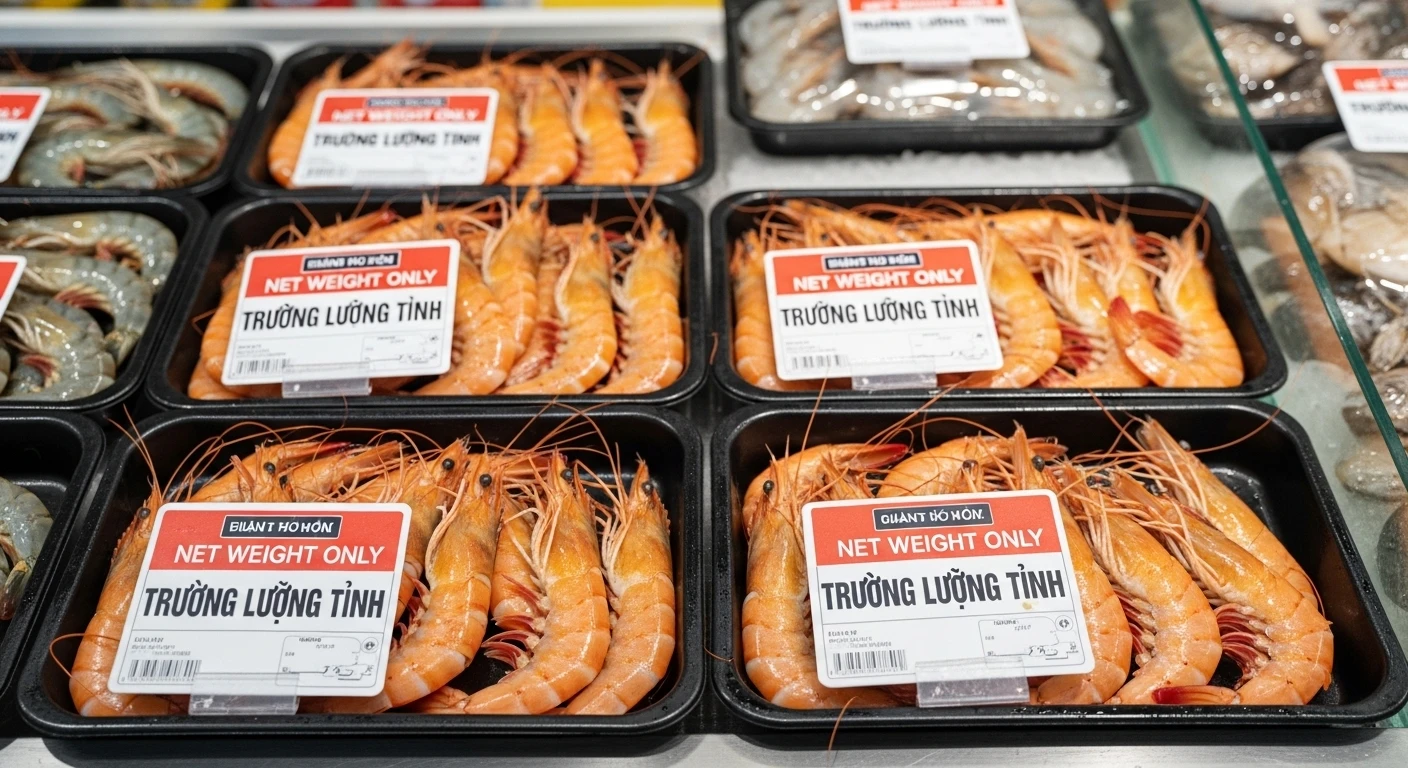
📸 The new face of seafood: Transparency in every tray.
1 The Hidden Weight: What We Used to Pay For
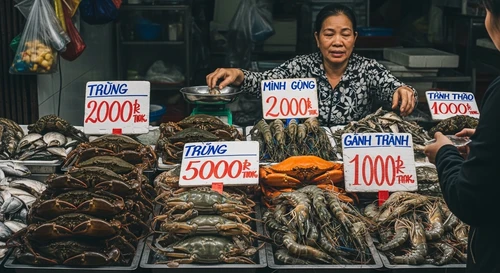
For generations, especially in bustling markets like those in the Mekong Delta where seafood is king, you bought prawns by the kilogram – heads, shells, and all. While this tradition offers a certain visual appeal and implies freshness, it also means a significant portion of your purchase was water weight and inedible parts. Think about it: those magnificent Mekong Giant Freshwater Prawn, with their impressive size and rich head fat, come with a considerable amount of what's not meat.
In a traditional wet market, buying a kilo of prawns might yield only 500-600 grams of usable prawn meat. The rest? Water, antennae, legs, and that substantial head. This practice, while steeped in culture, meant consumers were essentially subsidizing waste. The price per kilo was an abstract number; the true cost per edible gram was much higher, and variable.
The Visual Feast
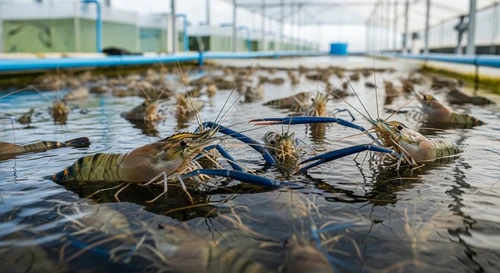
Whole prawns, especially impressive specimens like the Ca Mau Black Tiger Shrimp, are a powerful draw. They signify freshness and abundance, a cornerstone of Mekong Delta seafood culture.
The Inevitable Loss
However, the weight of heads and shells can account for 30-50% of the total weight, a cost that was historically absorbed or ignored in many retail settings.
2 Enter the Supermarket: Precision Pricing
The modern supermarket, with its focus on efficiency and consumer data, is a different beast. This is where the "net weight only" policy for pre-peeled giant prawns truly takes hold. It's a move that bypasses tradition for the sake of accuracy and, crucially, perceived value for the customer.
By peeling and deveining the prawns before packaging, and then pricing them based *solely* on the weight of the edible meat, retailers are offering a level of transparency previously unseen in much of the region's seafood trade. This doesn't just mean a clearer price tag; it means a direct comparison of value. If a kilo of whole prawns costs $X and yields 500g of meat, and a kilo of pre-peeled prawns costs $Y and yields 1000g of meat, the consumer can finally make an informed decision based on the actual product they're taking home.
For those familiar with everyday shrimp like the Whiteleg Shrimp, the concept of paying for net weight is common. But applying this to premium, larger varieties signifies a significant evolution in how larger, more valuable seafood is perceived and sold.
3 Fueling Competition: A Vendor's Dilemma
This shift isn't just about consumer benefit; it's a catalyst for intense competition among vendors. Supermarkets, by standardizing the "net weight" metric, force all suppliers to be more efficient. Those who can efficiently process prawns, minimizing waste and maximizing meat yield, will thrive.
This could lead to innovation in processing techniques, better supply chain management, and potentially even more competitive pricing as suppliers vie for shelf space. Traditional wet market vendors, while retaining their cultural significance, might find themselves under pressure to adopt similar practices or highlight the unique value proposition of their "freshly caught" whole specimens, perhaps focusing on the artisanal aspect of preparing them. The result is a dynamic marketplace where price and value are scrutinized more than ever.
Consumer Empowerment: This pricing strategy puts the power back in the hands of the consumer. You know exactly what you're paying for – pure, delicious prawn meat, ready for the pan.
4 Mekong Kitchen: Adapting to Convenience
The Mekong Delta is celebrated for its fresh, abundant seafood. While the culinary heart of the region might still beat in its vibrant floating markets and family kitchens where whole seafood is revered, this retail shift offers a compelling convenience. For busy households, pre-peeled prawns mean faster meal preparation without sacrificing quality.
Imagine whipping up a quick plate of Garlic Butter Prawns or a flavorful prawn stir-fry in minutes, thanks to these readily available, prepped ingredients. While the ritual of preparing whole prawns, feeling their weight, and admiring their structure is a cherished part of the culinary heritage, the practicality of net-weight, pre-peeled options cannot be ignored. It represents a fusion of traditional appreciation for seafood with modern demands for convenience.
This trend might even spur new recipe development that leverages the speed and ease of pre-prepared ingredients, allowing more complex dishes to be tackled on weeknights. The intrinsic sweetness of Mekong prawns, whether whole or peeled, remains the star.
5 Navigating the New Landscape
This retail evolution is not without its hurdles. Ensuring the highest standards of hygiene and quality during the peeling and packaging process is paramount. Consumers will be vigilant, expecting consistently high-quality meat, free from damage or excessive water retention, even if they aren't paying for the shell.
Furthermore, the authenticity and origin of the prawns must remain clear. While the focus shifts to net weight, the provenance – whether they are wild-caught from the coastal waters near Ca Mau or farmed sustainably in the delta's brackish rivers – will continue to be a key selling point for discerning buyers. Retailers have an opportunity to highlight these details, educating consumers about the diverse origins and superior quality of Mekong seafood.
Key Considerations:
- Quality Control: Strict adherence to food safety and quality standards.
- Traceability: Clear labeling of origin and farming practices.
- Price Perception: Educating consumers that while the price per kilo might seem higher for pre-peeled, the cost per edible gram is often lower and more predictable.
- Sustainability: Highlighting sustainable sourcing and processing methods.
6 A Global Glimpse
This move towards net weight pricing for processed seafood is not entirely new on a global scale. Many Western markets have long favored this approach for convenience items. However, its introduction and rapid adoption within large-scale Asian retail chains signify a significant cultural and economic shift. It reflects a growing consumer demand for convenience, transparency, and value.
As supply chains become more sophisticated and consumer expectations evolve, we can anticipate this trend to broaden. It's likely to extend to other types of seafood and processed products. The lesson from the Mekong Delta's supermarkets is clear: innovation in retail practices can dramatically alter how consumers interact with, and perceive the value of, even the most traditional food items. This is a victory for consumer rights and a testament to market evolution.
7 On the Shelves: A Visual Guide
You'll typically find these transformed prawns in the chilled seafood section of major supermarkets. Look for trays of vibrant, pinkish-orange prawns that are noticeably free of heads and shells. The packaging is key: prominently displayed labels proclaiming "Net Weight Only" or "Trọng Lượng Tịnh" are your indicators.
The sizes will vary, from substantial king prawns to more modestly sized, yet still convenient, options. This retail innovation makes high-quality prawn meat more accessible than ever for home cooks seeking both authenticity and speed.
8 The True Cost of the Catch
This "net weight only" revolution is more than just a pricing strategy; it's a fundamental redefinition of value in seafood retail. It forces a conversation about what we're truly buying and what we're willing to pay for. It's a win for consumer awareness and a nudge towards greater efficiency in the seafood industry.
As shoppers in the Mekong Delta and beyond become more discerning, this transparent approach to pricing will likely set a new standard. The days of paying for excess are numbered, making way for a future where the true value of seafood – its delicious, nutritious meat – is all that matters. This is the new math of seafood, and it’s about time.