" There's a primal satisfaction in a crab feast. The sticky fingers, the determined cracking, the triumphant extraction of sweet, pearly meat. But make no mistake, it’s not for the faint of heart, nor for the ill-equipped. "
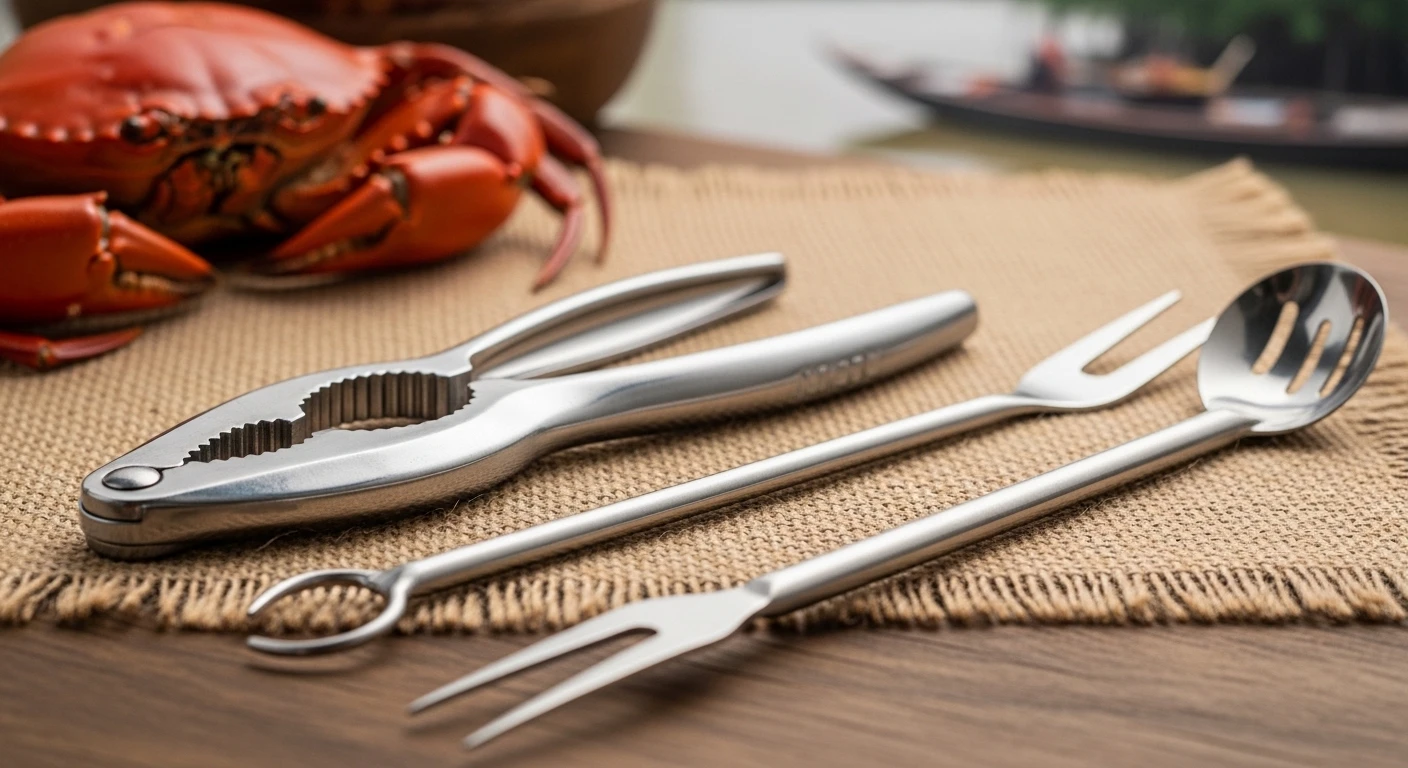
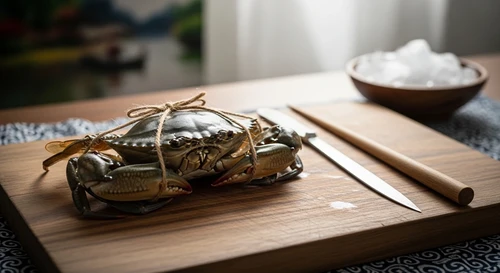
📸 Your battle-ready arsenal: Crackers, picks, and the promise of a glorious feast.
The Ritual of the Feast: More Than Just Eating
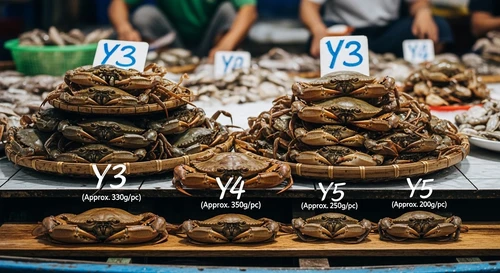
In the Mekong Delta, eating crab is not merely a meal; it's an event, a communal celebration of the river's bounty. From the bustling markets of Ca Mau to the humble riverside eateries, the sight of vibrant red mud crabs piled high is an invitation to a deeply satisfying, albeit messy, gastronomic adventure. This isn't fine dining with delicate cutlery; it's a hands-on, shell-shattering, meat-extracting ballet. And like any serious endeavor, it demands the right instruments.
Forget your dainty table manners. Here, the true connoisseur understands that the sweet, succulent flesh hidden within those formidable shells is a prize worth fighting for. The tools we're about to discuss aren't just gadgets; they are extensions of your will, designed to navigate the intricate architecture of a crab and liberate its delicious secrets. Without them, you're merely admiring the fortress; with them, you're conquering it.
Your Arsenal: The Essential Tools of the Trade
Navigating the formidable exoskeleton of a Mekong mud crab requires more than just brute force; it demands precision, leverage, and a little bit of finesse. While some purists might argue for using only one's bare hands and teeth, the reality is, a true crab feast in Vietnam often involves a set of dedicated tools that make the experience far more efficient and enjoyable. These aren't fancy, high-tech gadgets, but rather simple, effective implements honed over generations.
The Crusher: Crab Crackers (Kẹp Cua)
The crab cracker is your primary weapon against the crab's thick, armored claws and legs. Imagine a pair of sturdy pliers, but designed specifically to deliver concentrated pressure where it’s needed most. These are often made of durable stainless steel, sometimes with rubberized handles for a better grip, or simple, unadorned metal.
- Design: Crab crackers typically feature a pincer-like design with various sized indentations or grooves along the jaws. These grooves accommodate different sizes of crab legs and claws, ensuring a secure grip without crushing the delicate meat inside unnecessarily.
- How to Use: Position the crab claw or leg within the appropriate groove of the cracker. Apply firm, steady pressure until you hear a satisfying crack! The goal is to break the shell, not pulverize the meat. Once cracked, you can peel back the shell fragments to expose the flesh. For larger claws, you might need to crack them in several places.
- Why it's essential: Without a cracker, attacking a mud crab's primary claws is a futile exercise in frustration, often resulting in bruised fingers and wasted meat. It transforms a formidable barrier into an easily accessible treasure chest.
The Surgical Blade: Crab Picks (Nĩa Gỡ Cua)
Once the shell is cracked open, the crab pick steps in to perform the delicate extraction. These slender, often double-ended tools are crucial for reaching into the nooks and crannies of the crab's body and legs, where the sweetest meat often hides.
- Design: Most crab picks are stainless steel, resembling a miniature fork on one end and a spoon-like scoop or slender spatula on the other. The fork end is perfect for teasing out strands of meat from tight spaces, while the scoop is ideal for scraping out larger pieces from the body cavity or the base of claws.
- How to Use: After cracking a claw or leg, insert the fork end of the pick into the exposed meat and gently pull. For the body, carefully separate sections and use the pick to delve into the chambers, extracting the tender, flaky meat. The narrow design allows you to navigate around cartilage and shell fragments with precision.
- Why it's essential: Trying to get every last morsel of crab meat with just your fingers is like trying to paint a masterpiece with a broomstick. The pick allows you to maximize your yield, ensuring no precious bit of protein and flavor goes to waste. It’s the difference between a good meal and a truly satisfying one.
Beyond the Basics: Improvised Tools & Local Wisdom
While specialized crackers and picks are widely available, especially in seafood-centric regions like the Mekong Delta, sometimes necessity is the mother of invention. Locals, especially those feasting spontaneously by the river, might employ clever alternatives.
- The Humble Hammer: A small wooden mallet or even a sturdy rock can serve as a makeshift cracker for robust shells. Just be careful not to overdo it!
- Chopsticks and Spoons: The narrow end of a chopstick can be surprisingly effective as a pick, while the handle of a teaspoon can help pry open larger shell sections.
- Shell Fragments: Believe it or not, a sharp piece of a discarded crab shell can be used as a rudimentary pick. It's a testament to the resourcefulness ingrained in Delta culture.
However, for maximum enjoyment and efficiency, investing in a proper set of tools is highly recommended. They transform the potential frustration into a focused, rewarding endeavor.
The Mekong Crab: A Culinary Gem Worth the Effort
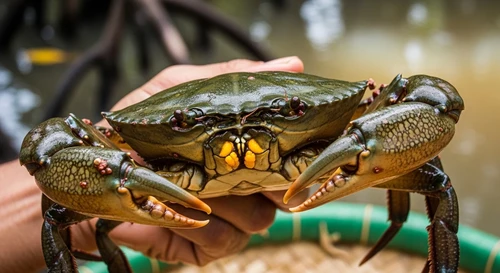
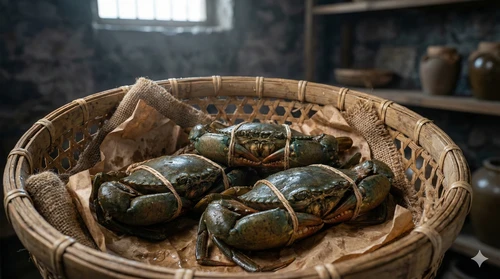
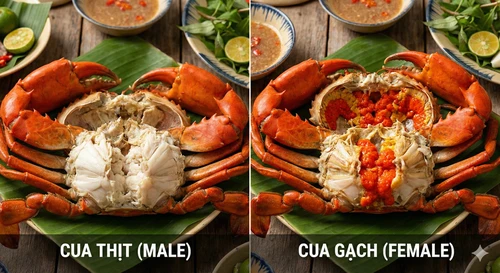
What makes the crab feast in the Mekong Delta so special? It's the crabs themselves. The region is famed for its cua biển (sea crab, often referring to the mud crab or Scylla serrata) and cua gạch (roe crab), caught fresh from the mangrove forests and muddy estuaries. These crabs are renowned for their sweet, dense meat and, in the case of roe crab, their rich, creamy, and intensely flavorful orange roe.
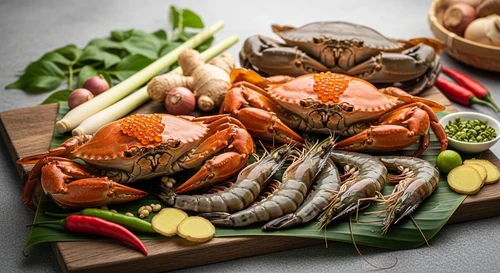
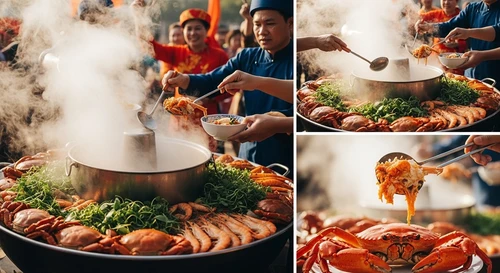
Whether steamed with beer and lemongrass, stir-fried with tamarind, or incorporated into a spicy hotpot, the quality of the crab meat is paramount. This inherent deliciousness is why locals are willing to put in the effort, armed with their tools, to extract every last succulent morsel. The taste is simply unparalleled, a direct reflection of the pristine, nutrient-rich environment from which they hail.
Mastering the Technique: A Step-by-Step Guide to Dissection
Alright, you’ve got your beautiful, freshly cooked crab and your gleaming tools. Now what? Here’s a pragmatic approach to dismantling your crustacean quarry, ensuring you get the most meat with the least fuss.
The Initial Crack: Separating the Claws and Legs
- Twist Off Claws: Start by firmly grasping a large claw and twisting it away from the body. It should snap off cleanly at the joint. Repeat for all claws and walking legs.
- Crush the Claws: Take a large claw and use your crab cracker. Aim for the thickest part first, applying steady pressure. Rotate the claw and crack in several places along its length. The idea is to create access points, not to pulverize.
- Extract Claw Meat: Once cracked, use your crab pick's spoon end to scoop out the larger pieces of meat. The fork end can tease out stubborn strands. Don't forget the meat inside the smaller knuckles!
Body Extraction: The Main Event
- Remove the Apron: Flip the crab onto its back. Locate the triangular or T-shaped flap (the "apron") on the underside of the body. Pry it up and pull it off.
- Separate the Carapace: With the apron removed, you can now easily pry open the top shell (carapace) from the bottom body section. Discard the feathery gills ("dead man's fingers") and any other internal organs you don't want to eat.
- Quarter the Body: The body cavity is segmented. You can usually break or cut the body into two or four pieces for easier access.
- Extract Body Meat: Use your crab pick to scrape and pull out the sweet, flaky meat from the body chambers. Pay special attention to the areas where the legs attach; these often hold rich pockets of meat. If it's a roe crab, scrape out all that glorious orange or yellow roe!
Delicate Leg Work: No Morsel Left Behind
- Crack Leg Segments: For the smaller walking legs, you can often crack them by bending them backward at the joints or using the smaller grooves of your cracker.
- Push or Pick Meat: Use the fork end of your pick to push the meat out from one end of the leg segment, or gently pull it out from the other. Alternatively, use your teeth to gently crack and suck out the meat.
Remember, practice makes perfect. The more crabs you conquer, the more adept you'll become at this delicious operation.
The Unsung Heroes: Sauces & Accompaniments
While the tools are crucial for extraction, what elevates a simple crab to a sublime experience are the dipping sauces. In the Mekong Delta, the preferred accompaniment is often strikingly simple, yet perfectly balanced.
- Lime Salt and Pepper (Muối Tiêu Chanh): This is the classic. A small dish of sea salt and ground white pepper, often mixed with a squeeze of fresh lime juice and sometimes a few slices of bird's eye chili. The acidity of the lime cuts through the richness of the crab, while the salt and pepper amplify its natural sweetness. It's an alchemic combination.
- Green Chili Condensed Milk Sauce (Muối Ớt Xanh): A more modern, yet incredibly popular, condiment. This vibrant green sauce offers a creamy, spicy, and slightly sweet kick that provides an addictive counterpoint to the delicate crab meat. It's a must-try for those who enjoy a bit of heat.
And, of course, no Mekong Delta seafood feast is complete without a few cold bottles of local beer – think Bia Saigon or 333 (Ba Ba Ba). It’s not just for sipping; it's part of the sensory landscape, a cooling counterpoint to the spicy sauces and humid air.
Etiquette and Enjoyment: The Delta Way
In the Mekong Delta, the best way to eat crab is with joyous abandon. Don't be shy about making a mess; it's part of the fun. Bibs might be offered, or simply a roll of paper towels will suffice. The feast is a communal experience, often shared around a low table with family and friends, everyone equally engaged in the delightful struggle.
The air will be filled with the clatter of crackers, the slurping of juicy meat, and lively conversation. It's an intimate connection to the food, an understanding that the best things sometimes require a little work. Embrace the sticky fingers, savor every morsel, and enjoy the pure, unadulterated pleasure of a freshly caught Mekong crab.
Post-Feast Clean-Up: A Necessary Evil
After the last sliver of meat has been savored and the table is littered with fractured shells, the post-feast clean-up begins. This is where the pragmatic side of the Delta feast comes in.
- Wet Wipes and Paper Towels: Essential for the immediate aftermath on hands and face.
- Finger Bowls: Often provided, filled with water and a slice of lime, to refresh hands between courses or at the end.
- Waste Bins: Make sure to have a designated bin for shells, as they can quickly accumulate and start to smell if not properly contained.
A little planning for the clean-up ensures that the memory of the delicious crab meat isn't overshadowed by a sticky, smelly aftermath. It’s the final step in a truly authentic Mekong Delta culinary journey.
Ready for the Catch?
Now that you're armed with the knowledge of the tools, discover how these magnificent crabs are prepared in their purest form.
🌿 How to Steam Crab with Beer