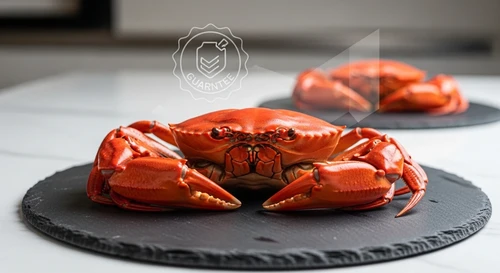
" In the heart of Ho Chi Minh City, amidst the symphony of hawkers and the fragrant steam rising from countless food stalls, lies a legend: the 300,000 VND street seafood bowl at Ben Thanh Market. Is it a gilded cage for tourists, or a genuinely decadent experience worth the splurge? We came to find out. "
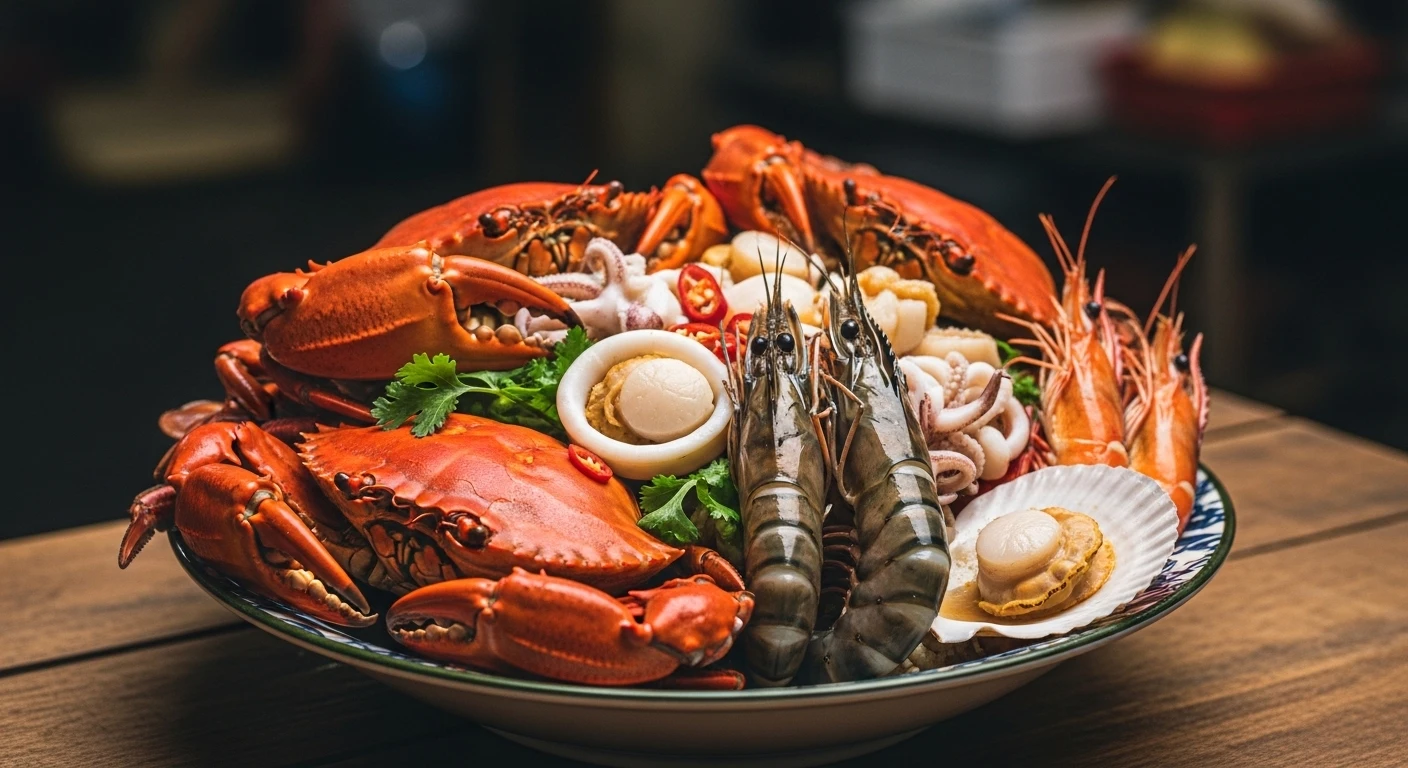
📸 The Ben Thanh Bowl: A visual feast, but is the taste worth the price tag?
1 The Crucible of Commerce: Ben Thanh's Food Scene
Ben Thanh Market is more than just a place to buy souvenirs. It's a microcosm of Vietnamese commerce, a sensory overload where vibrant textiles meet the seductive aroma of street food. For decades, its food court has been a pilgrimage site, drawing locals and tourists alike. However, in recent years, a narrative has emerged: Ben Thanh is becoming a 'tourist trap', a place where prices inflate faster than a pufferfish.
The infamous 300,000 VND (approximately $12-13 USD at current rates) seafood bowl sits at the epicenter of this debate. In a city where a full, exquisite meal can be had for a fraction of that, what justifies such a price for what appears to be a modest bowl of seafood?
To understand this, we must first understand the ecosystem of Ben Thanh itself. The market operates under a system where stall rents can be exorbitant, and vendors often pay premiums for prime locations. This overhead, coupled with the desire to cater to a perception of 'premium tourist experience,' can lead to price points that shock the uninitiated.
2 Anatomy of the 300K VND Bowl
The contents of these bowls can vary, but they typically feature a selection of fresh, often locally sourced seafood. Here's a potential breakdown of what you might find, and why each component influences the price:
The Star: Mud Crab
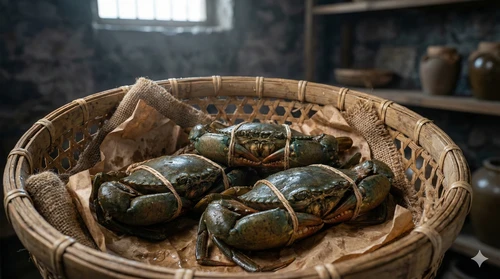
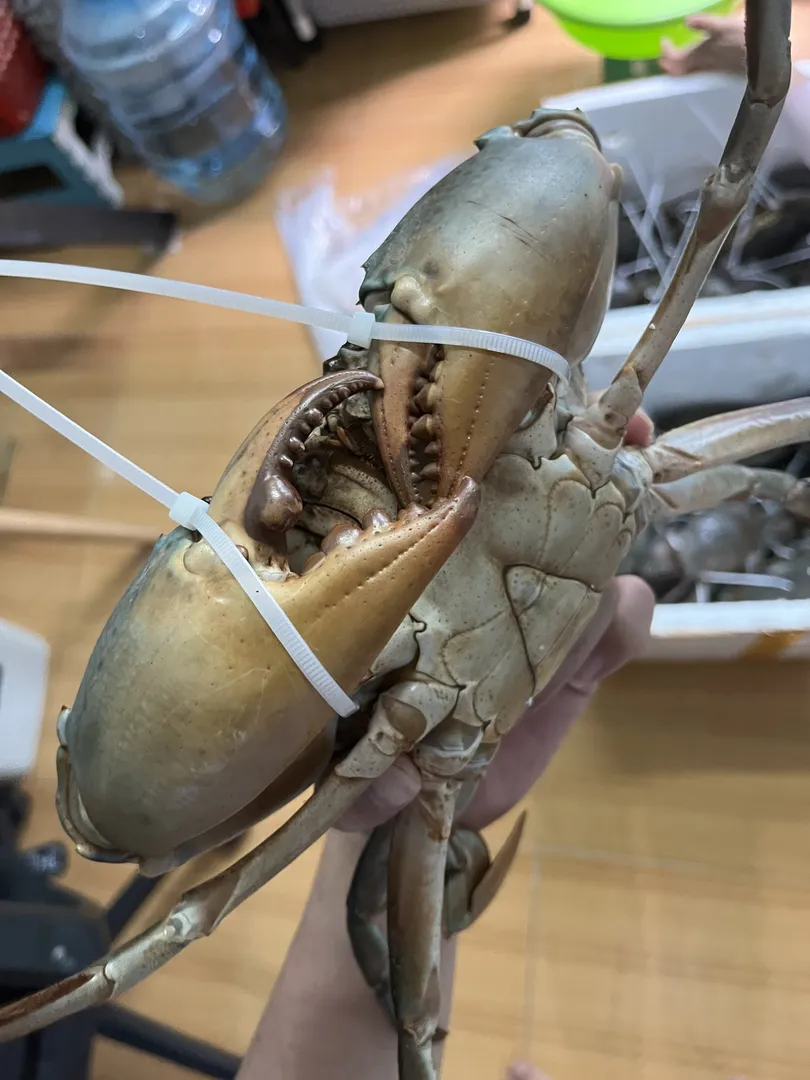
A significant portion of the bowl's cost is often attributed to the crab. In Vietnam, especially from regions like Ca Mau in the Mekong Delta, mud crabs are prized for their sweet, dense meat.
Heritage Ingredient
Ca Mau Jumbo Mud Crab
Ca Mau Jumbo Mud Crab
A large male mud crab prized for dense, sweet meat and thick claws, commonly used in steamed crab and grilled crab dishes across the Mekong Delta.
An icon of coastal culinary heritage, featuring firm, sweet meat that captures the raw power and freshness of Ca Mau's tides.
A single, decent-sized mud crab, particularly one with plump claws, can command a high price in the wholesale market, let alone at retail within a high-traffic tourist zone like Ben Thanh.
The Luxury: Roe Crab
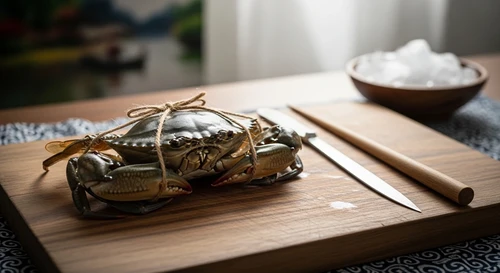
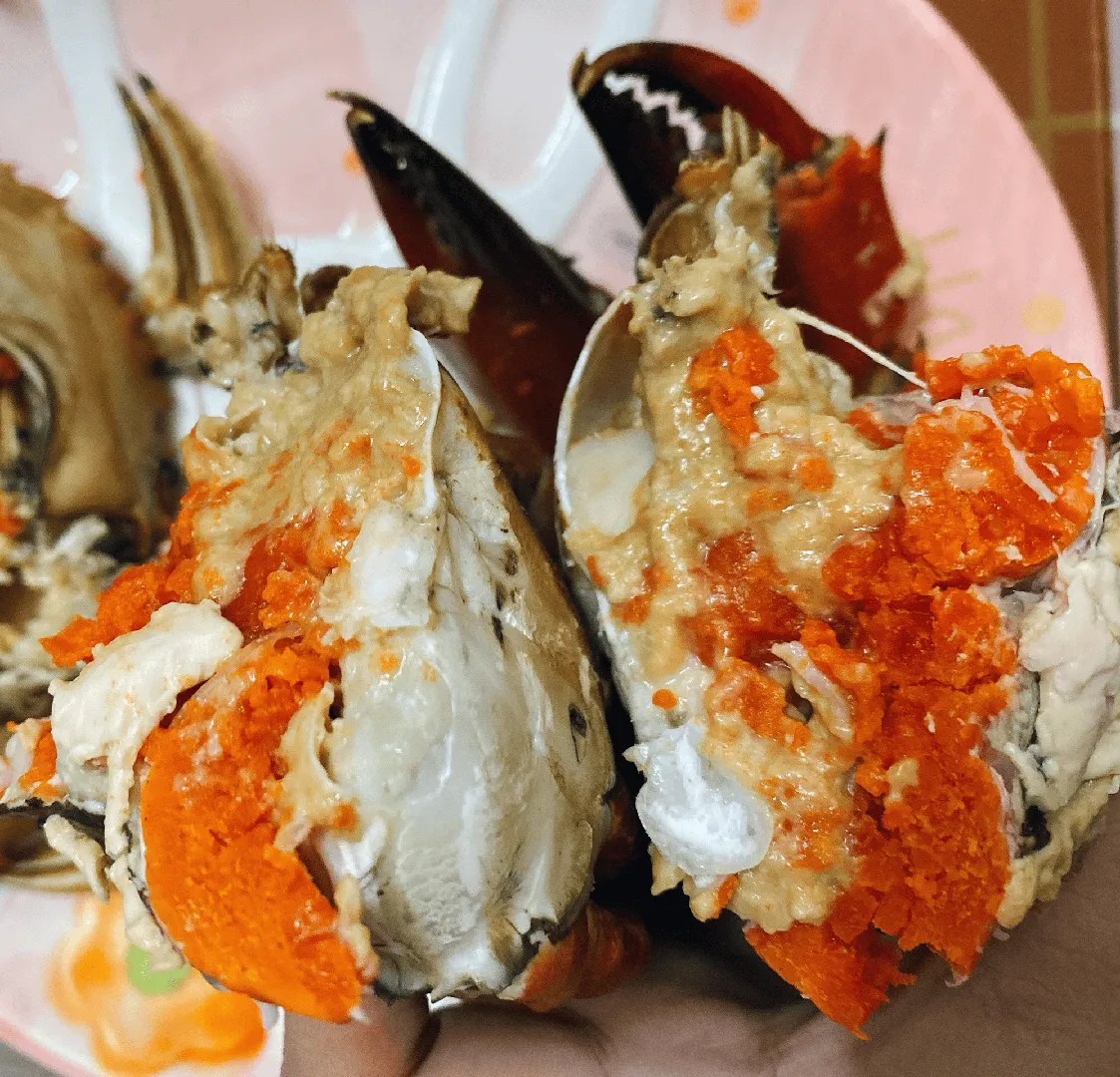
If the bowl includes roe crab, the price can escalate quickly. Female crabs carrying rich, orange roe are a delicacy, often reserved for special occasions.
Heritage Ingredient
Ca Mau Roe Mud Crab
Ca Mau Roe Mud Crab
A female mud crab known for deep orange roe and a rich, creamy finish, often featured in celebratory Southern Vietnamese seafood meals.
A crimson treasure hidden within a shell, boasting rich, creamy roe that melts on your tongue like a golden sunset over the delta.
The scarcity and desirability of roe make this a key factor in the bowl's premium pricing.
The Supporting Cast: Prawns & Other Shellfish
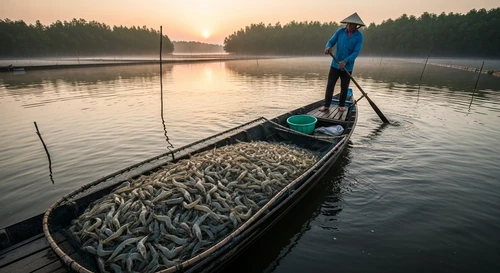
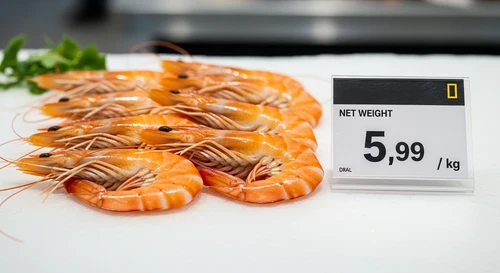
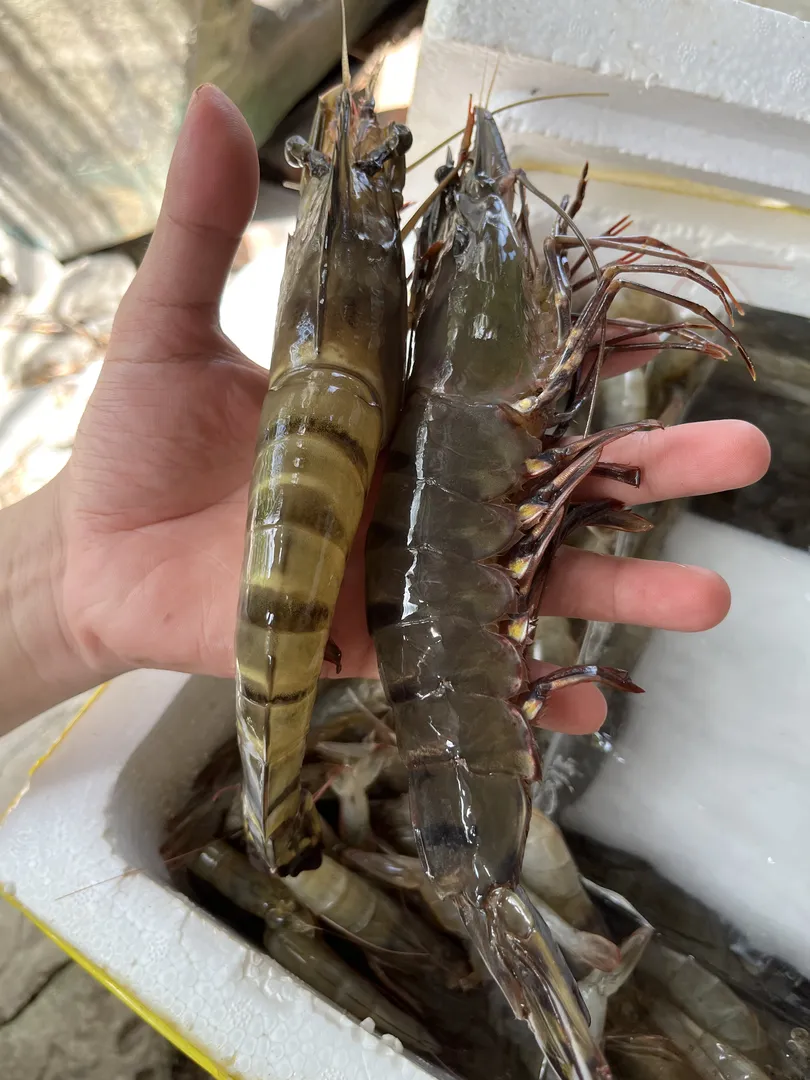
Large, succulent prawns like the Black Tiger variety, along with perhaps scallops, squid, or clams, add to the volume and cost.
Heritage Ingredient
Ca Mau Black Tiger Shrimp
Ca Mau Black Tiger Shrimp
Large black tiger shrimp associated with mangrove aquaculture in Ca Mau, known for firm flesh and a cleaner, sweeter finish than intensively farmed shrimp.
Wild spirits of the mangroves, these black-banded gems deliver a firm, snappy texture and a sweetness that echoes the forest's vibrant life.
The quality and size of these secondary components are crucial. Smaller, more common shrimp would dramatically lower the perceived value.
Preparation & Presentation
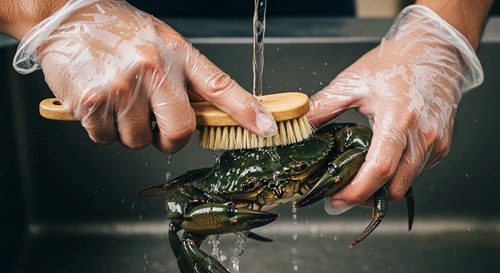
While often simply steamed or stir-fried, the "bowl" format implies a curated presentation. This might include a base of noodles or rice, fresh herbs, and a dipping sauce. The effort involved in cleaning, prepping, and artfully arranging these ingredients also adds to the labor cost.
Finally, the "Ben Thanh Premium"—the overheads, the location, the perceived status—must be factored in.
3 From the River's Embrace: The Mekong Delta's Seafood Heritage
The quality of seafood found in such a bowl is intrinsically linked to the waters of Vietnam, particularly the fertile Mekong Delta. This vast, intricate network of rivers, canals, and coastal areas is the engine room of Vietnam's seafood industry.
Regions like Ca Mau, Bac Lieu, and Soc Trang are renowned for their premium mud crabs, harvested from mangrove forests and coastal aquaculture. The unique brackish environment imbues the crabs with a distinct sweetness and firm texture. Similarly, the abundant rivers and coastal waters yield a variety of prawns, fish, and shellfish that form the backbone of Vietnamese cuisine.
When you're paying a premium at Ben Thanh, a portion of that cost is undeniably for the quality of ingredients that often hail from these rich southern waters. It’s a direct link from the mudflats and mangrove roots to your plate in the heart of Saigon. The challenge for consumers is discerning when this connection justifies the price, and when it's simply an excuse for inflation.
4 The Verdict: Culinary Excellence or Tourist Tax?
This is where subjectivity reigns. We sampled a bowl, and here's our take:
The Good:
- Freshness: The seafood was undeniably fresh. The crab meat was sweet, the prawns firm and juicy.
- Quality Ingredients: The use of high-grade crab and prawns suggests a commitment to sourcing good produce.
- Generous Portion (Relatively): For the price, the quantity of premium seafood was substantial, not skimpy.
- Convenience: For travelers wanting a quick, impressive seafood fix without navigating local markets, it offers convenience.
The Not-So-Good:
- The Price Tag: This is the elephant in the room. For 300K VND, you could eat like royalty elsewhere in the city, exploring multiple diverse dishes or indulging in higher-end restaurant experiences.
- Lack of Nuance: The preparation, while clean, lacked the sophisticated complexity or unique regional flair found in many other Vietnamese seafood dishes. It felt more like a showcase of ingredients than a masterclass in flavor.
- The "Ben Thanh Premium": You are paying for the location, the atmosphere, and the brand name of the market, which inflates the cost beyond the raw ingredients.
It's good. It's fresh. It's impressive. But is it "300K VND good"? For the budget-conscious traveler, probably not. For someone seeking a convenient, high-quality seafood experience within the iconic Ben Thanh Market, and willing to pay for that specific context, then perhaps yes.
5 Hunting for Value: Smarter Seafood Bets in Saigon
If the 300K VND bowl feels steep, fear not. Ho Chi Minh City offers an incredible spectrum of seafood experiences that deliver exceptional value and authentic flavor. Here are a few pointers:
- Explore Local Neighborhood Markets: Venture beyond Ben Thanh. Markets like Binh Tay (District 6) or smaller local markets offer incredibly fresh seafood at much lower prices. You can often find vendors who will cook it for you on the spot.
- Seafood Streets: Areas like Vua Bien (District 10) or specific streets known for seafood restaurants offer more competitive pricing than prime tourist spots. You'll find locals flocking to these places for a reason.
- Focus on Specific Dishes: Instead of a mixed bowl, seek out specialized dishes. A well-made Cua Rang Me (Tamarind Crab) or Ca Kho To (Clay Pot Fish) at a local eatery can be both more flavorful and far more affordable.
- Look for "Com Phon" (Set Meal): Many local eateries offer set meals that include a main protein (often fish or shrimp), rice, and simple vegetables for a very reasonable price.
The key is to look for where the locals are eating. High prices do not always equate to superior taste or authenticity, especially in a place as vibrant and competitive as Ho Chi Minh City's food scene.
6 Street Food Economics: The Price of Perception
The 300K VND bowl is a fascinating case study in the economics of street food catering to tourists. While the cost of quality seafood is real, the price point is heavily influenced by factors beyond raw ingredients:
- Location Premium: Ben Thanh Market is prime real estate. Rents and stall fees are astronomical, and vendors must recoup these costs.
- Perceived Value: Tourists often expect to pay more in popular attractions. Vendors cater to this expectation, sometimes inflating prices for items perceived as "authentic" or "specialty."
- Convenience & Safety: For tourists, the perceived safety, cleanliness, and convenience of eating within the market can justify a higher price compared to navigating more complex local arrangements.
- Supply Chain: While Mekong Delta seafood is high quality, the journey from farm to fork within a high-demand tourist market involves multiple markups.
The reality is that the margins on such a bowl might be lower than you'd think when all operating costs are considered, but the *psychological price point* is set high. It's a delicate balance between providing value and maximizing profit in a highly visible, high-traffic location.
7 From the Water's Bounty: Seafood's Place in Vietnamese Cuisine
Seafood is not just food in Vietnam; it's a way of life, deeply intertwined with the country's geography and culture. From the northern coast to the southern deltas and islands, the bounty of the ocean and rivers sustains communities and inspires culinary traditions.
In the Mekong Delta, where life revolves around the water, seafood like crabs, prawns, and various fish are staple ingredients, prepared in countless ways – from humble home-cooked meals to celebratory feasts. Dishes like Cua Lột Rang Muối (Salted Egg Yolks Crab) or Canh Chua Cá (Sour Fish Soup) are culinary touchstones.
The 300K VND bowl at Ben Thanh, while expensive, does tap into this cultural reverence for fresh seafood. It's an elevated presentation of ingredients that are fundamental to Vietnamese culinary identity, even if the price point pushes it out of the realm of everyday street food for locals.
8 The Bottom Line: Is the 300K Bowl a Must-Try?
The 300,000 VND seafood bowl at Ben Thanh Market is a culinary paradox. It offers undeniably fresh, high-quality seafood, presented conveniently within an iconic landmark. The taste is good, and the ingredients are top-notch, reflecting the rich seafood heritage of the Mekong Delta.
However, its steep price forces a crucial question: are you paying for the food, or for the experience and the location? For many, the "tourist tax" is evident, and a more authentic, flavorful, and budget-friendly seafood adventure awaits elsewhere in Ho Chi Minh City.
If your priority is a convenient, impressive seafood feast within Ben Thanh, and you're comfortable with the price, then by all means, indulge. But if you're seeking the soul of Vietnamese street food and the best value for your palate, venture a little further. The Mekong Delta's culinary treasures are vast, and many are waiting to be discovered at a more honest price.