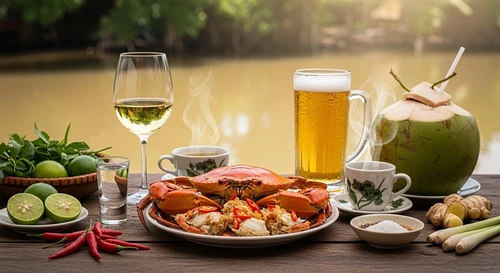
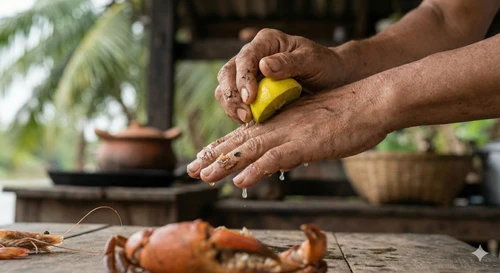
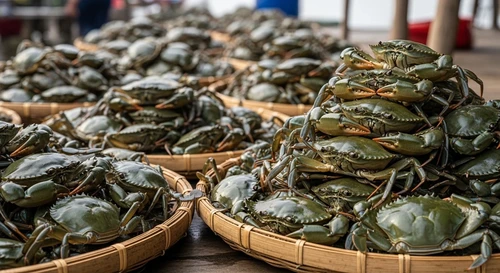
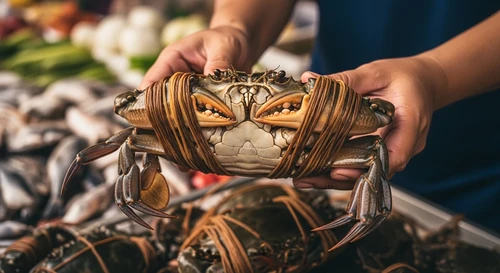
" There's a particular kind of joy that comes from choosing your dinner while it's still full of life. It’s a promise of freshness, a tangible connection to the bounty of the wild. And in the Mekong Delta, where life flows as abundantly as the river itself, that promise is everything. It's the difference between a meal and a memory. "
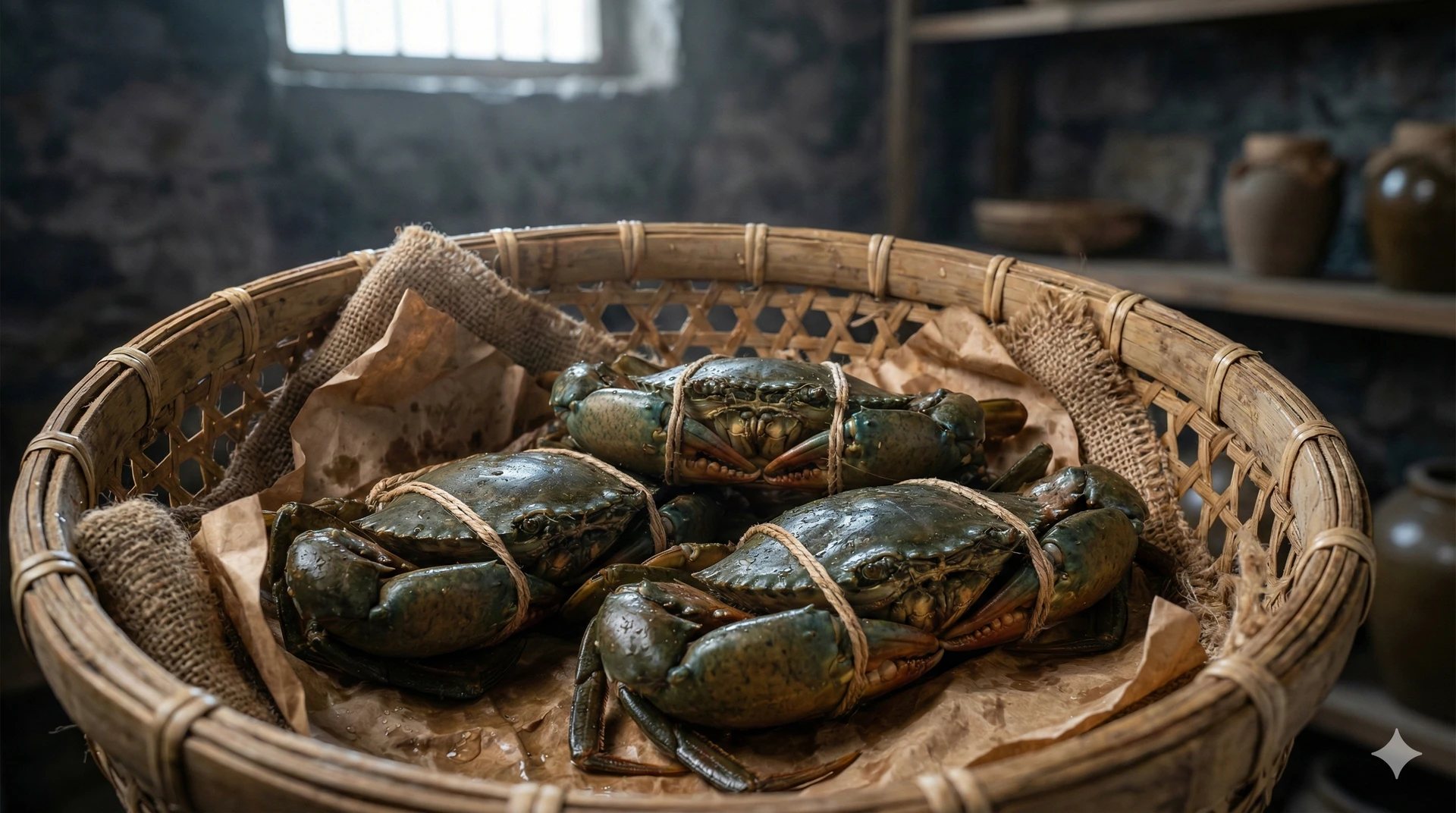
📸 The essence of the Delta: Keeping your catch vibrant and alive, ensuring peak freshness.
1 The Soul of the Delta's Bounty
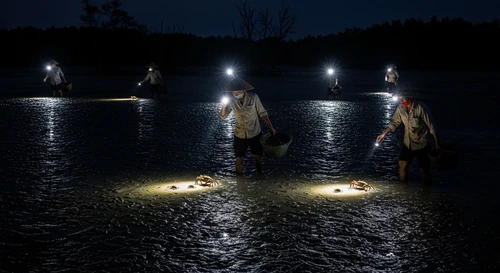
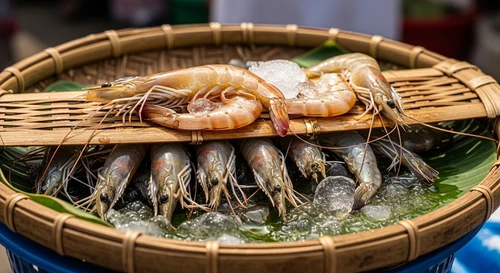
Imagine a crisp morning in the Mekong Delta: the gentle lapping of water against a weathered wooden boat, the mist slowly rising over a labyrinth of emerald mangroves, and the excited chatter of fishermen displaying their night's triumphant haul. Among the glistening fish and plump shrimp, the true kings of this watery realm are the crabs – be they the formidable mud crabs, with their powerful claws, or the elegant blue swimmer crabs, fierce and full of an undeniable vitality. For anyone who has savored their sweet, succulent meat, you know that freshness isn't just a culinary cliché; it's the sacred covenant between nature and plate, a promise of flavor that cannot be faked or replicated.
But what happens when you’ve found yourself with a few too many of these magnificent creatures, or your grand crab feast is planned for tomorrow night? The very thought of such a prime specimen losing its vibrant spirit overnight is enough to bring a tear to a true food lover’s eye. Fear not, fellow epicureans. The Delta itself, in its profound and practical wisdom, offers a simple yet remarkably effective method to keep these crustacean treasures alive and kicking, ensuring they reach your pot in their absolute prime. This isn't just about mere storage; it's about paying homage to the ingredient, honoring its arduous journey from the muddy banks and intricate waterways to your very own table.
2 The Golden Rule: Why Live Crabs Reign Supreme
Let's be unequivocally, even dramatically, clear: when it comes to crab, live is the only way to go. A crab that has died, especially one that has been dead for any significant period before cooking, is not merely suboptimal; it's a gastronomic tragedy. The moment a crab perishes, its internal enzymes, which are usually dormant or serving other biological functions, begin to rapidly break down its own flesh. This biological process leads to a mushy, unappetizing texture and, perhaps even worse, a distinctly unpleasant, ammoniac flavor that pervades the meat. This breakdown accelerates dramatically at warmer, room temperatures, turning a potential delicacy into a culinary hazard in mere hours.
The difference between a freshly cooked live crab and one that has succumbed hours before is not just noticeable, it’s monumental. The former boasts firm, sweet, and ocean-kissed meat that practically melts in your mouth, retaining all the subtle briny goodness and natural robustness of its aquatic habitat. The latter, however, is a sad, watery imitation, often with an off-putting smell that no amount of spice or sauce can mask, and an unappetizing, cottony consistency. Therefore, the core objective of overnight storage isn't just convenience; it is, quite literally, about preserving the very essence and unparalleled quality that makes crab such a prized and sought-after delicacy around the world.
For the discerning palate, there can be no compromise on this front. Keeping your crabs alive and vigorous until the precise moment they hit the steamer or the pot is the non-negotiable first step towards creating an unforgettable crab feast. Anything less, frankly, is a profound disservice to the magnificent creature itself and to your own culinary quest for perfection. Respect the ingredient, and it will reward you.
3 Understanding the Crab: A Brief Biology Lesson
To properly store a crab, one must first grasp its fundamental needs, or more accurately, its fundamental physiological vulnerabilities. Crabs, particularly the robust mud crabs prevalent in the Mekong Delta, are distinctly semi-aquatic. This means they possess the remarkable ability to survive out of water for considerable periods, but they are emphatically not built for arid, bone-dry conditions. Their specialized gills must remain consistently moist to function effectively, allowing them to efficiently extract vital oxygen from the ambient air. Submerging them in too much water, paradoxically, will drown them, while too little moisture will cause their gills to dry out, leading to slow suffocation.
Another critical environmental factor is temperature. Crabs, being cold-blooded creatures, have a metabolism that is profoundly influenced by the surrounding temperature. In warmer conditions, their metabolic rate skyrockets; they become more active, consume oxygen at a higher rate, and crucially, they stress out far more easily. This heightened stress can lead to undesirable outcomes, such as them shedding or "dropping" their valuable claws, or worse, dying prematurely. Conversely, cold temperatures dramatically slow down all their biological processes. This state of quiescence effectively preserves their energy reserves and significantly extends their viable life span out of water.
Finally, consider their natural habitat. In the wild, these creatures are often found burrowed deep in cool mud, hidden beneath the protective canopy of mangrove roots, or nestled in shaded crevices – places that are inherently cool, dark, and damp, offering crucial protection from predators and harsh environmental elements. Our storage method, therefore, endeavors to replicate these ideal conditions as closely as humanly possible, albeit without the actual mud, of course.
4 The Enemy: Fresh Water & Stagnation
This is often the cardinal sin committed by many well-intentioned home cooks. Their earnest efforts to keep crabs alive often, tragically, lead to their swift demise. Let this be an unbreakable rule: Do NOT submerge live marine crabs in fresh water. It sounds utterly counter-intuitive, almost cruel, but fresh water is profoundly detrimental to marine crabs. Their bodies are exquisitely adapted to saltwater, and introducing them to fresh water will induce a severe osmotic shock. Their cells will rapidly absorb water, causing them to bloat, become sluggish, and ultimately die a slow, agonizing death.
Even attempting to keep them in a bucket of saltwater, perhaps sourced from a fishmonger, can quickly become problematic if that water is not continuously aerated and meticulously filtered. Crabs, like all living creatures, produce waste. In a confined, stagnant aquatic environment, the water quality will deteriorate at an alarming rate, becoming increasingly toxic. This is precisely why commercial seafood tanks are elaborate, costly systems, complete with sophisticated filtration and constant oxygenation. At home, replicating such an environment for a mere overnight stay is often more trouble than it’s worth, and carries an exceptionally high risk of failure.
So, put away the buckets of standing water. Our precise goal is to keep them cool, damp, and critically, *out* of any form of standing water. Think of the ideal conditions not as a typical aquatic habitat, but rather as a cool, humid, slightly subterranean burrow – a temporary haven of calm and controlled moisture.
5 The Mekong Method: Cool, Damp, & Calm
This ingeniously simple technique is deeply inspired by how local vendors in the Mekong Delta adeptly manage to keep their valuable catch vibrant and lively for market, often without the aid of elaborate or expensive equipment. It is, at its heart, about artfully simulating the crab's natural, dormant state without the actual messy banks of mud. We are, in essence, creating a temporary "crab spa" – an environment that is perfectly cool, appropriately dark, serenely quiet, and possesses just the right amount of humidity to keep their delicate gills content and fully functional.
Cool Temperature
This is the paramount factor. A consistent temperature range of 40-50°F (4-10°C) will dramatically slow down the crab's metabolism, significantly reducing stress and minimizing its oxygen demand. A standard household refrigerator is often ideal for this, but a naturally cool garage or a well-ventilated basement might also suffice in more temperate climates.
Damp Environment
Crucially, we're aiming for dampness, not outright wetness. Their gills desperately need moisture from the air to breathe, but the crabs absolutely should not be sitting or submerged in standing water. Think of moist towels or crumpled newspaper, meticulously arranged to provide essential humidity without any risk of drowning them.
Darkness & Calm
Crabs are inherently shy and predominantly nocturnal creatures. A dark, quiet, and undisturbed environment is crucial for minimizing their stress levels. Actively avoid bright lights, sudden loud noises, or any excessive handling. They will undoubtedly appreciate the tranquility and peace you provide.
Adequate Ventilation
While they thrive on humidity, they also undeniably need to breathe. Therefore, it is imperative to ensure that your chosen container allows for a continuous, gentle airflow. Remember, you are not attempting to vacuum-seal them; you are meticulously crafting a breathable, cool, and appropriately humid chamber.
6 Step-by-Step: Crafting the Overnight Sanctuary
- 1
Prepare Your Prisoners (Gently)
If your crabs aren't already tied, securing their formidable claws with sturdy twine or strong rubber bands is paramount – for both your safety and to prevent them from damaging each other in their agitated state. Do NOT wash them extensively or soak them before storage; a very quick rinse to remove loose mud is fine, but avoid anything that might stress them further. Place them gently in an empty sink or shallow tray for a few minutes to allow any excess water to drain from their bodies, while ensuring their gills remain moist.
- 2
Choose Your Vessel Wisely
A sturdy, insulated cooler, a large plastic tub with a secure lid (but crucially, with pre-drilled air holes), or even a robust laundry basket meticulously lined with a large garbage bag (again, with plenty of small holes poked in it for air circulation) will serve your purpose. The absolute key here is a clean, sturdy container that can be easily moved and, most importantly, provides adequate ventilation. Absolutely avoid any completely sealed, airtight containers at all costs.
- 3
The Damp Bed of Comfort
Line the bottom of your chosen container with several layers of damp (and we mean damp, not soaking wet!) newspaper, paper towels, or a clean, thick, damp cloth or burlap sack. This provides the absolutely necessary ambient humidity. For an extra layer of cooling, you can strategically place a few small ice packs (ensuring they are wrapped in a towel to prevent direct contact with the crabs and to absorb any melting water) at the very bottom, beneath your damp layering, to help maintain a consistently cool temperature throughout the night.
- 4
Arrange Your Guests Thoughtfully
Carefully place the crabs into the prepared container. It’s generally considered best practice to arrange them belly-up, as this position tends to keep them calmer and significantly reduces their attempts to escape or cause trouble. Strive not to stack them too high, especially the heavier mud crabs, as the excessive weight can cause undue stress to the lower ones. If you happen to have a large number of crabs, consider adding a second, thin layer of damp paper or cloth between distinct layers of crabs to provide additional cushioning and humidity.
- 5
The Cool, Dark, and Quiet Chamber
Finally, cover the container with its lid (or another damp cloth if you are using an open basket), ensuring that there is still a deliberate gap or sufficient holes for proper ventilation. Then, place the entire setup in the coldest section of your refrigerator. If your fridge is unfortunately too small or already brimming with groceries, a very cool basement or a well-insulated garage (ideally maintaining a temperature around 40-50°F / 4-10°C) can also work, but for truly consistent temperature control, a refrigerator remains the gold standard.
The Morning After: Readiness Check & Troubleshooting
You’ve meticulously done your part, diligently applying the wisdom of the Delta. Now, the moment of truth: how do you definitively know if your precious cargo has made it through the night, vibrant and ready for its culinary destiny?
Checking for Vitality
Upon retrieving your crabs, gently prod a leg or an eye stalk with a chopstick or a gloved finger. A live crab, even one rendered sluggish and somewhat dormant by the cold, will exhibit some form of reaction – perhaps a subtle twitch, a slow movement of its legs, delicate bubbling around its mouthparts, or even a gradual opening of its claws (if they were untied). They will certainly be far less active than when you initially purchased them, but some discernible sign of life, however minimal, is absolutely crucial.
Identifying a Deceased Crab
A crab that has unfortunately died will be entirely unresponsive, appear unnaturally limp, and will often emit a distinct, powerfully unpleasant ammonia-like odor. Its shell might also appear duller and lack the vibrant sheen of a live specimen. If a crab shows absolutely no signs of life and has even the slightest off-smell, discard it immediately without hesitation. Do NOT, under any circumstances, cook or consume a crab that died hours before it was meant to be prepared. When in doubt, for the sake of food safety and culinary quality, always throw it out.
Plan to cook your successfully stored crabs as early as possible the next morning or within 24 hours. While this method is highly effective for extending their life overnight, it is not designed as a long-term solution. Maximize their freshness by cooking them promptly.
8 From Storage to Sizzle: The Next Culinary Step
Congratulations, true culinary adventurer! You've successfully navigated the delicate art of preserving your Mekong treasures, keeping them vibrant and full of life through the night. Now, the truly rewarding part unfurls: transforming them into an unforgettable meal. The inherent beauty of a perfectly stored, live crab lies in its unparalleled versatility and the pristine quality of its meat. Each succulent bite will be a testament to your meticulous care and respect for the ingredient.
Whether you choose the elegant simplicity of a Beer & Lemongrass Steamed Crab, allowing its natural sweetness to sing through a fragrant cloud of aromatic steam, or you decide to venture into the bold, tangy, and utterly addictive depths of a Vietnamese Tamarind Crab, your diligent efforts in preservation will undoubtedly pay off in every single, glorious bite. Remember, the true essence of authentic Delta cuisine resides in the unblemished integrity of its primary ingredients. By mastering this deceptively simple, yet profoundly effective, storage technique, you're not merely saving a crab; you are safeguarding a truly exceptional culinary experience, one steeped in tradition and taste.
So, go forth with confidence, armed with the knowledge of a seasoned Delta fisherman. Cook with passion. And let the vibrant, fresh flavors of the Mekong wash over you, one glorious, impeccably sweet crab at a time. Your palate, and your guests, will thank you.
Ready to Cook Your Perfect Crab?
Now that your crabs are impeccably fresh, explore our favorite Delta-inspired recipes to make them shine!