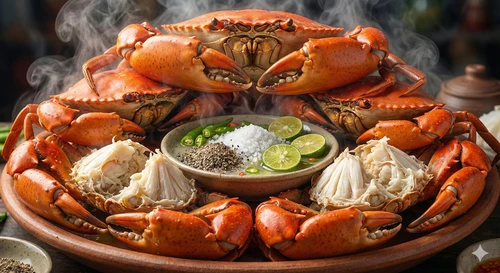
" It's a scent that clings to the mangroves, a taste that speaks of salt-laced air and patient hands. The humble 'Ba Khia' has finally received its due. "
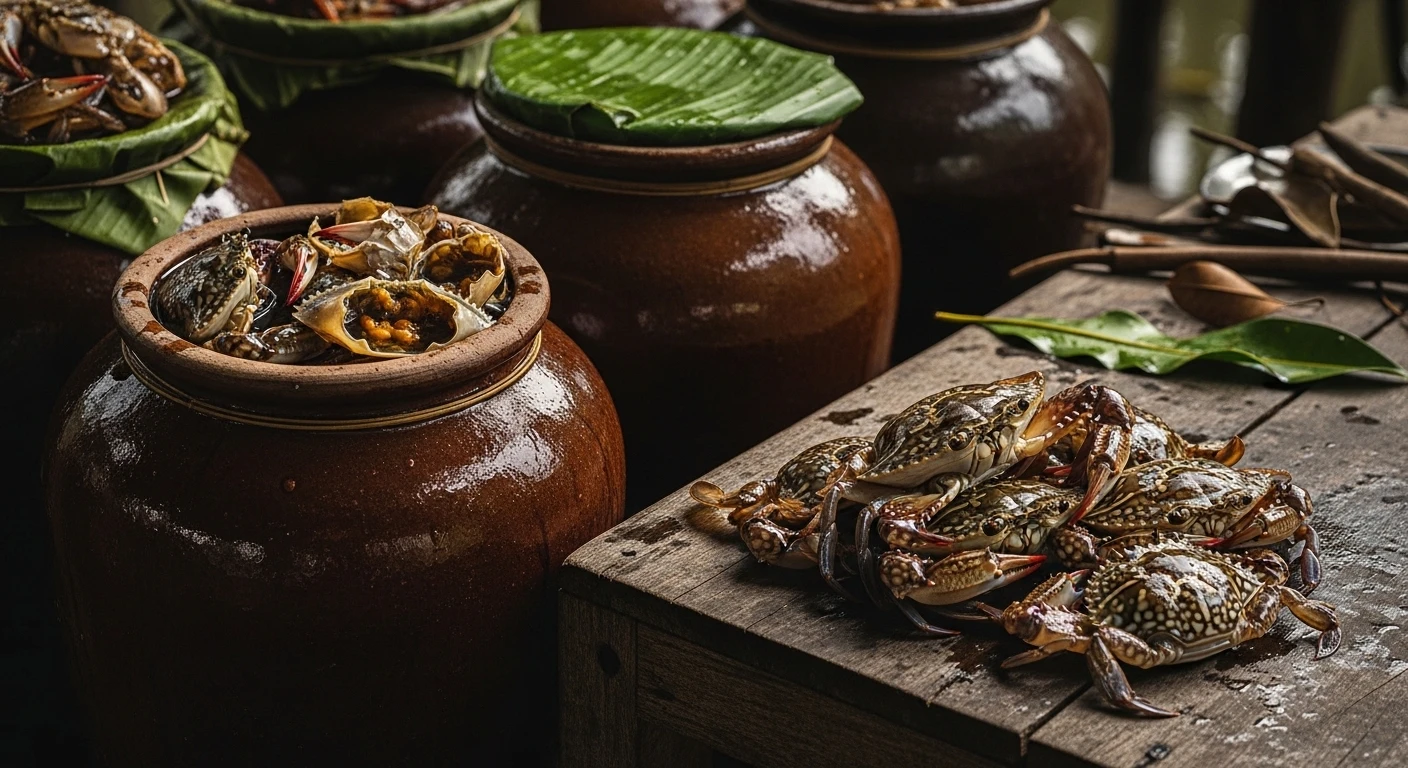
📸 The official recognition: Ba Khia fermentation earning its place in Vietnam's heritage.
1 The Mekong Delta's Salty Heartbeat
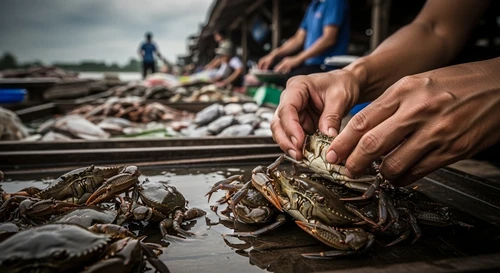
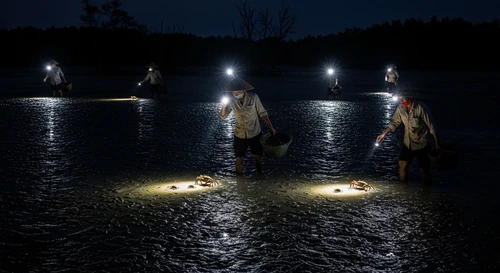
For generations, the tidal flats and mangrove forests of Vietnam's southernmost provinces have been the exclusive domain of the 'Ba Khia' – small, feisty mangrove crabs. These aren't your typical blue crabs from the coast; they are creatures born of the brackish, nutrient-rich waters where the Mekong River finally meets the sea. Their life is a cycle of tidal shifts, burrowing into the mud, and a diet rich in mangrove detritus, which imbues them with a unique, intensely savory flavor.
The art of fermenting Ba Khia is not merely a cooking technique; it's a survival strategy, a way to preserve the bounty of a specific, often challenging, environment. It’s a craft passed down through families, whispered from parent to child, evolving organically over centuries. The recognition of this traditional method as a national Intangible Cultural Heritage is a profound affirmation of its cultural significance and the ingenuity of the people of the Rach Goc commune in Ba Ria-Vung Tau province, a region intrinsically linked to this culinary practice.
The Ba Khia Crab
These small crabs, often no bigger than a thumb, have a distinctive slightly bitter, briny flavor profile that lends itself perfectly to the fermentation process. They are caught from the complex mangrove ecosystems, a crucial part of the delta's biodiversity.
Rach Goc's Legacy
The commune of Rach Goc, situated on the southeastern tip of Vietnam, is renowned for its artisanal Ba Khia production. This region's specific climate, water salinity, and mangrove flora contribute to the unique character of its fermented product.
2 The Alchemy of Fermentation
Unlike many other fermented seafood products that rely on specific microbial cultures or intensive aging, Ba Khia fermentation is remarkably straightforward, relying on natural salinity and time. The process is an art of balance, demanding a keen understanding of ratios and patience. The crabs are typically washed thoroughly, then submerged in a brine solution – a carefully measured mix of water and salt. Some traditional methods might incorporate a touch of sugar or aromatics like chili or garlic, but the essence lies in the pure, unadulterated transformation driven by salt and anaerobic conditions.
The magic happens in sealed jars or earthenware pots, often buried or stored in cool, dark places for weeks, sometimes months. During this period, natural lactic acid fermentation begins. The salt draws out moisture and creates an environment where beneficial bacteria thrive, breaking down proteins and creating that signature salty-sour, umami-rich flavor. It's a slow, deliberate process, a testament to the pre-refrigeration era where preservation was an essential skill.
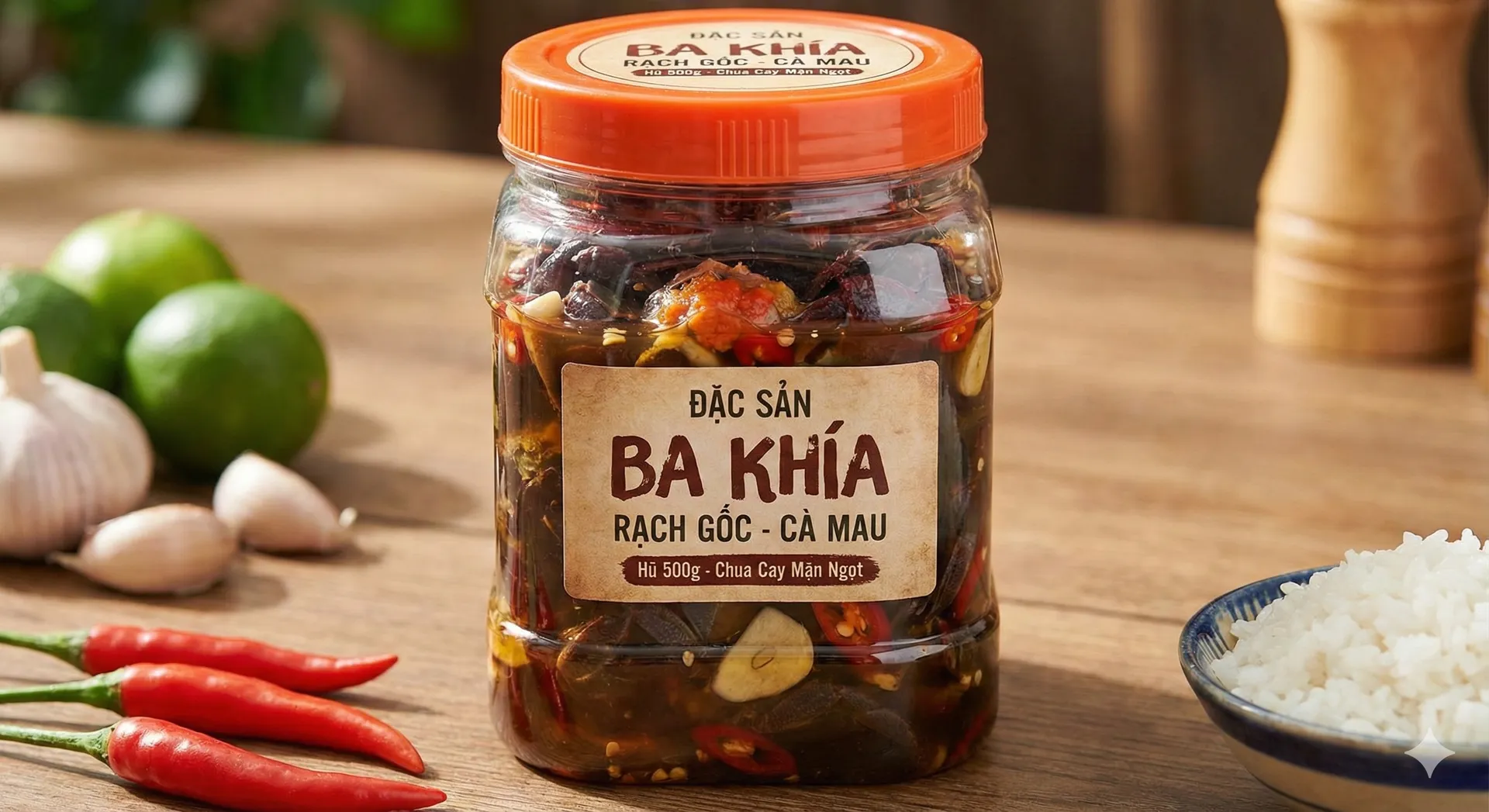
Heritage Ingredient
Fermented Mangrove Crab (Ba Khia)
Fermented Mangrove Crab (Ba Khia)
A traditional fermented crab specialty from the mangrove region of Rach Goc, often cited in articles about rustic Mekong Delta flavors and preserved seafood culture.
The salty-sour heartbeat of the wild south, where traditional fermentation turns forest crabs into a nostalgic explosion of rustic Mekong soul.
The resulting 'Ba Khia' are a far cry from their fresh state. The shell softens slightly, becoming more yielding, and the flesh takes on a complex, deeply savory profile. It’s a flavor that’s potent, addictive, and utterly unique to the Mekong Delta.
3 Serving 'Ba Khia' – A Journey of Flavor
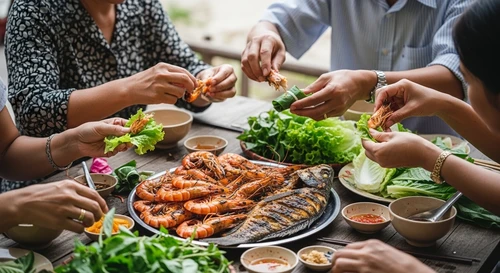
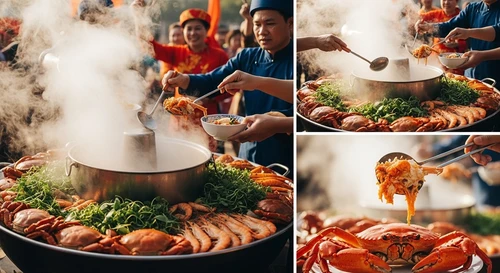
Eating Ba Khia is an experience. It’s not for the faint of heart, nor is it something to be eaten in a hurry. The traditional way to enjoy it is as an appetizer or a flavorful accompaniment to a simple meal of steamed rice. The brine itself is often used as a dipping sauce, or combined with fresh lime juice, chili, and sugar to create a punchy dressing.
The process of eating typically involves a bit of work: cracking the softened shells to get to the tender meat within. This hands-on ritual is part of the charm. A common preparation involves mixing the fermented Ba Khia with thinly sliced green mango or unripe papaya, a generous squeeze of lime, fresh chili, and sometimes a sprinkle of toasted rice powder for texture. This combination of salty, sour, spicy, and the subtle sweetness of the fruit creates a symphony on the palate.
The Base
Fermented Ba Khia crab (shell softened, briny)
The Zest
Fresh lime juice & finely sliced chili
The Crunch
Shredded green mango or unripe papaya

Heritage Ingredient
Fermented Sour Shrimp (Mekong Style)
Fermented Sour Shrimp (Mekong Style)
A Southern Vietnamese fermented shrimp preserve made with garlic, chili, and shredded green papaya, often served with boiled pork, rice paper, or plain rice.
A vibrant dance of flavors—sour, spicy, and sweet—where tender shrimp and crunchy papaya create a masterpiece of Southern preserved heritage.
This dish, often called 'Ba Khia Kep Dua' (Ba Khia trapped in coconut) when served with coconut water or similar dressings, is a culinary icon of the southern coast. It embodies the resourcefulness and the vibrant flavors that define Western Vietnamese cuisine.
4 Beyond the Delta: National Pride
The official recognition of Ba Khia fermentation as a part of Vietnam's Intangible Cultural Heritage is more than just a culinary award; it's a celebration of national identity. It acknowledges that these traditions, born from the land and the water, are vital threads in the rich tapestry of Vietnamese history and culture.
This designation will help ensure the preservation and promotion of the craft. It provides a framework for safeguarding the traditional methods, protecting the unique mangrove ecosystems where the crabs are sourced, and educating future generations about their heritage. It also shines a spotlight on the often-unsung heroes of Vietnamese cuisine – the local communities and artisans who meticulously maintain these ancient practices.
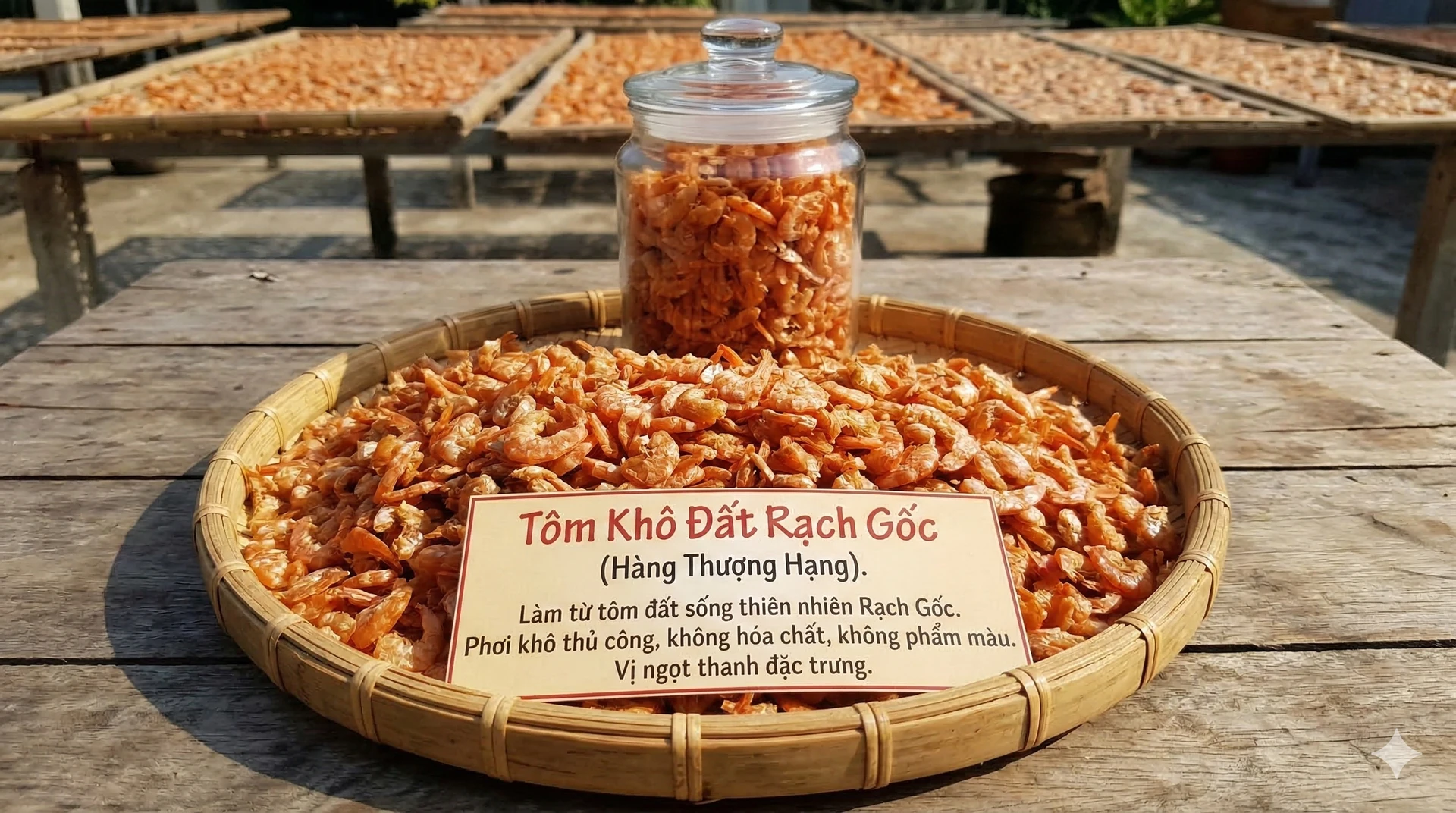
📸 A glimpse into coastal livelihoods: Dried shrimp, another traditional preservation method from areas like Rach Goc.
Heritage Ingredient
Sun-Dried Wild Shrimp from Rach Goc
Sun-Dried Wild Shrimp from Rach Goc
Traditional dried shrimp made from small wild shrimp, valued for natural sweetness and commonly used in Vietnamese salads, soups, and festive dishes.
Concentrated sunlight and sea salt in every bite, these crimson gems offer a deep, umami sweetness that whispers tales of Rach Goc's golden shores.
For the people of Rach Goc and the broader Mekong Delta, this recognition is a source of immense pride. It validates their connection to the land and sea, and their role in keeping a culinary tradition alive and vibrant for centuries to come.
5 The Future of 'Ba Khia'
With this heritage status, the hope is that the delicate balance of sourcing and production will be maintained. Sustainable harvesting practices are crucial to ensure the long-term health of the mangrove crab population and the ecosystems they inhabit. Education and community involvement will be key to passing down the intricate knowledge of fermentation, from selecting the right crabs at the right time of year to mastering the precise salt-to-water ratios.
As global interest in authentic, culturally significant food experiences grows, Ba Khia fermentation stands poised to gain wider appreciation. It represents a taste of true Vietnam, a connection to a history deeply rooted in the land and water of the Mekong Delta. The journey from humble mangrove crab to recognized cultural heritage is a powerful story, one that will undoubtedly continue to be savored and shared.
6 Why This Matters to You (The Food Lover)
In a world increasingly dominated by mass-produced, homogenized flavors, the recognition of a dish like Ba Khia fermentation is a beacon. It reminds us that the most profound culinary experiences often come from simple, traditional methods honed over generations. It encourages us to seek out those authentic tastes, to understand the stories behind our food, and to appreciate the cultures that create them.
Experiencing Ba Khia is to taste a piece of Vietnam's soul – a complex, challenging, yet ultimately rewarding flavor that speaks of resilience, resourcefulness, and the enduring connection between people and their environment. It's a culinary heritage worth celebrating and, more importantly, worth seeking out.
7 Expert Tips for Enjoying Authentic Ba Khia
Seek Genuine Sources
When in Vietnam, look for Ba Khia prepared by families or small businesses in coastal or delta regions known for it. Authentic versions will have a distinctive aroma and taste, not just saltiness.
Don't Fear the Brine
The liquid the crabs are preserved in is part of the flavor. It's often used to create the dipping sauce. Taste it first – it's intensely savory and crucial to the dish's character.
The Accompaniments Are Key
Serve with plain steamed rice, fresh herbs, sliced chilies, lime, and perhaps some shredded green mango or unripe papaya. These elements balance the strong flavor of the Ba Khia.
Embrace the Ritual
Eating Ba Khia is interactive. Don't be afraid to get your hands a little messy cracking the shells and extracting the meat. It’s part of the authentic experience.
8 Why This Craft Deserves Preservation
The recognition of Ba Khia fermentation is a vital step in preserving a culinary tradition that is deeply intertwined with the ecological and social fabric of the Mekong Delta. It’s about more than just food; it’s about safeguarding a way of life that has sustained communities for generations.
This heritage status ensures that the knowledge of how to ethically source these small crabs from the mangrove ecosystems, how to perform the delicate fermentation process, and how to best enjoy the unique results, is passed on. It highlights the importance of traditional food preservation methods in a world increasingly reliant on industrial processes. The story of Ba Khia is a powerful reminder that some of the most treasured flavors are those that have been patiently crafted, rooted in specific landscapes and cultural practices. This honor is not just for the crabs, but for the enduring spirit of the people who have mastered this salty art.