" In Ca Mau, the crab is not just food; it's the lifeblood of the mangroves, the pride of the coast, and the star of every celebration. The annual festival is a testament to this deep-rooted connection. "
1 The Giant Pot: A Culinary Landmark
The air in Ca Mau crackled with anticipation. For the 2026 iteration of the revered Ca Mau Crab Festival, organizers set their sights on rewriting the record books. The goal? To construct and cook the largest crab hotpot Asia has ever witnessed. This wasn't just about cooking; it was a magnificent display of local pride, a vibrant showcase of the region's most prized natural bounty.

📸 A sight to behold: The colossal hotpot, steaming and aromatic.
Under the bright Vietnamese sun, a specially constructed, colossal pot—measuring several meters in diameter—was meticulously prepared. It was a feat of engineering and culinary ambition. Thousands of kilograms of fresh, locally sourced ingredients were assembled, but the undisputed star of the show was the crab.
2 The Soul of the Mangroves: Why Ca Mau Crab?
Ca Mau, Vietnam's southernmost province, is a land intricately woven with waterways and vast mangrove forests. This unique ecosystem is the perfect habitat for mud crabs, particularly the famed cua thịt (meat crab) and cua gạch (roe crab). The crabs here are known for their dense, sweet flesh and rich, creamy roe, a direct result of their diet and the pristine environment.
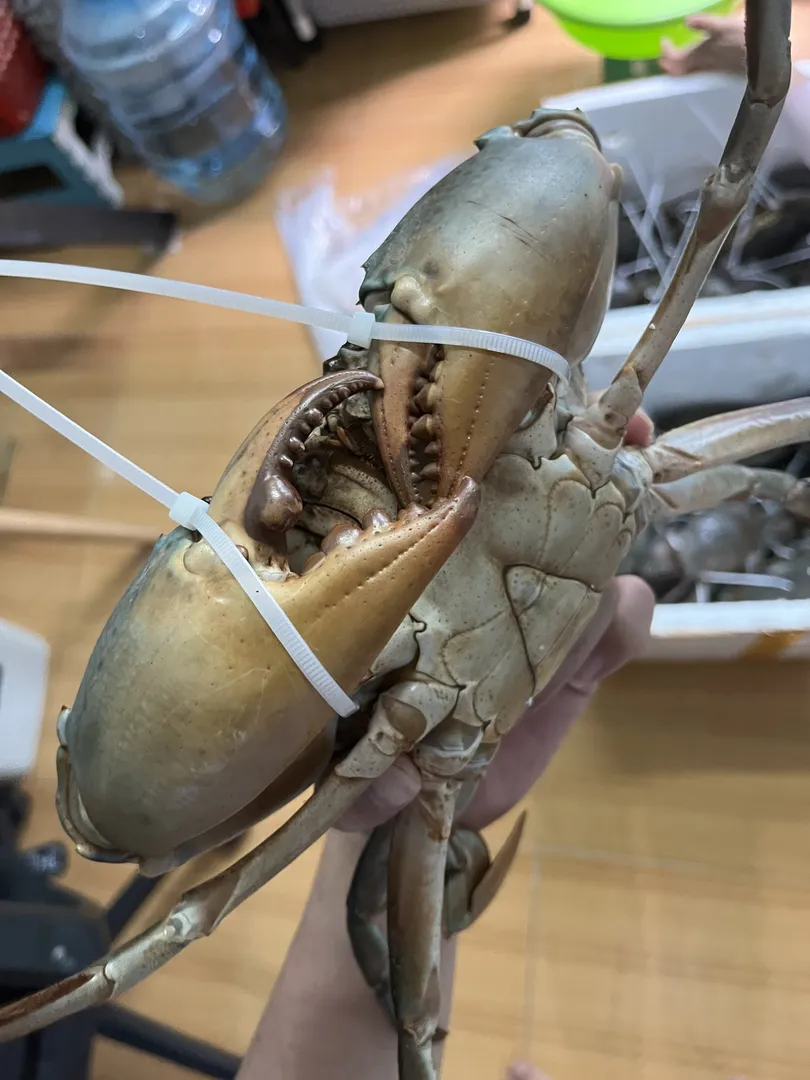
Prized Meat Crabs
These are the powerhouse crabs, prized for their substantial claws and firm, succulent meat. The flavor is intensely sweet, a pure taste of the delta's brackish waters.
Heritage Ingredient
Ca Mau Jumbo Mud Crab
Ca Mau Jumbo Mud Crab
A large male mud crab prized for dense, sweet meat and thick claws, commonly used in steamed crab and grilled crab dishes across the Mekong Delta.
An icon of coastal culinary heritage, featuring firm, sweet meat that captures the raw power and freshness of Ca Mau's tides.
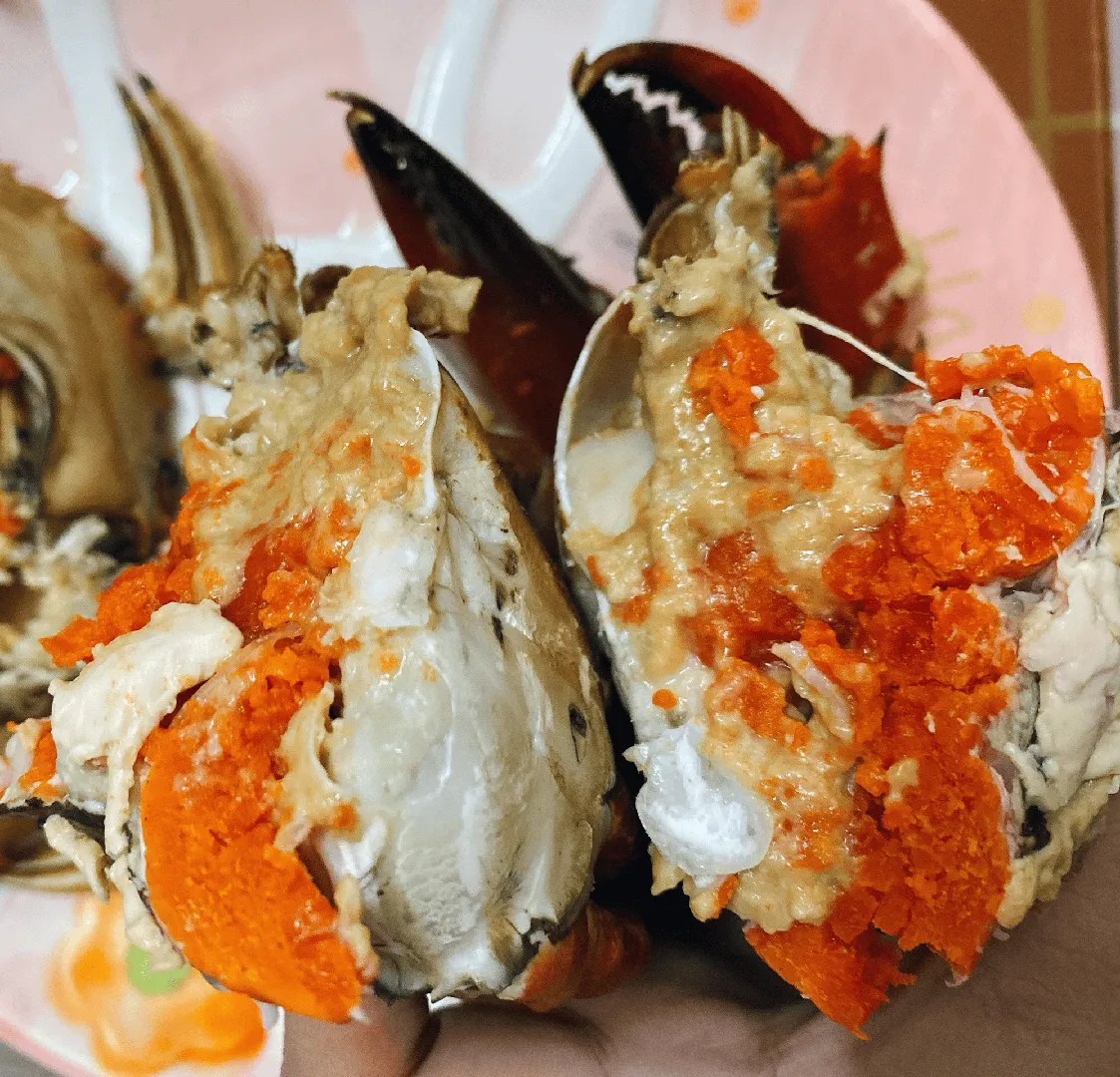
Luxurious Roe Crabs
The female roe crabs are a delicacy, boasting deep orange roe that melts in the mouth with a rich, buttery texture. This roe is often considered the peak of crab enjoyment in Southern Vietnamese cuisine.
Heritage Ingredient
Ca Mau Roe Mud Crab
Ca Mau Roe Mud Crab
A female mud crab known for deep orange roe and a rich, creamy finish, often featured in celebratory Southern Vietnamese seafood meals.
A crimson treasure hidden within a shell, boasting rich, creamy roe that melts on your tongue like a golden sunset over the delta.
The festival is a direct celebration of this incredible resource. Bringing together this many crabs for a single dish is not just a logistical challenge; it's an homage to the fishermen, the farmers, and the ecosystem that provides this culinary treasure. It's a moment to appreciate the raw, unadulterated essence of Ca Mau's coast.
3 Beyond the Crab: A Symphony of Flavors
While crab was undoubtedly the protagonist, the record-breaking hotpot was a complex ensemble. Think of it as a colossal bouillabaisse, a testament to the region's rich agricultural output and coastal bounty. The broth itself was a labor of love, simmered for hours to create a deep, savory base.
The Broth Base
- Seafood Stock: Made from simmering shrimp shells, fish bones, and aromatic vegetables.
- Spices: Star anise, cinnamon, ginger, and lemongrass for warmth and fragrance.
- Vegetables: Daikon, carrots, and sweet corn for natural sweetness and texture.
The Supporting Cast
- Fresh Seafood: Beyond crab, think plump tiger prawns, firm whitefish, and perhaps some Mekong giant freshwater prawns.
- Noodles: Rice vermicelli or thick rice noodles (bánh canh style) to soak up the broth.
- Fresh Herbs: Generous amounts of spring onions, cilantro, and dill.
The logistics of feeding thousands were as impressive as the ingredients themselves. Volunteers and culinary experts worked in tandem, ensuring every element was perfectly prepared and added at the right time to maintain the integrity of the flavors.
4 A Monument to Taste
When the official record was announced, the crowd erupted. The Ca Mau Crab Festival had not only cooked the largest crab hotpot in Asia but had created a truly unforgettable culinary experience. This wasn't about mere quantity; it was about the quality of the ingredients and the spirit of community that came together to create something extraordinary.

📸 Sharing the bounty: The festival was a communal celebration.
The event highlighted the economic significance of crab farming and fishing for Ca Mau. It served as a powerful tourism boost, drawing visitors eager to witness this culinary spectacle and sample the region's famed crustaceans. Local businesses, from fishermen to restaurateurs, benefited immensely from the increased attention and foot traffic.
5 A Festival of Tradition and Future
The Ca Mau Crab Festival is more than just a food event; it's a cultural anchor. It reinforces traditional ties to the sea and the land, celebrating the hard work and resilience of the local communities. It’s a platform to showcase the unique identity of Ca Mau, a place where nature’s bounty is revered and celebrated with unmatched enthusiasm.
Events like this are vital for preserving culinary heritage and fostering local pride. They remind us that the finest food experiences often come from communal efforts, deep respect for ingredients, and a vibrant cultural backdrop. The 2026 festival was a resounding success, not just for breaking a record, but for reminding the world of the rich, delicious soul of Vietnam’s Mekong Delta.
6 Beyond the Festival: Your Ca Mau Culinary Journey
If the record-breaking hotpot has whetted your appetite for Ca Mau's exquisite seafood, imagine yourself exploring this vibrant region. Beyond the festival's grand scale, the true magic of Ca Mau's cuisine lies in its everyday flavors and the simple, pristine preparations that highlight the quality of its star ingredient.
From humble roadside stalls serving perfectly steamed crabs with a sprinkle of salt and lime, to family dinners featuring rich crab noodle soups (Bún Riêu Cua), or even the delicate flavor of a soft-shell crab (Cua Lột) dipped in a light batter and fried – Ca Mau offers a spectrum of crab experiences.


Fermented Delicacies
For the adventurous, try traditional fermented mangrove crab (Ba Khia).
 Taste Ba Khia
 A visit to Ca Mau is a journey into the heart of Vietnam's seafood culture. The festival merely amplifies what is already a way of life—a deep, abiding appreciation for the gifts of the delta.
7 From Record to Revenue: Impact on Local Economy
Beyond the culinary triumph and the Guinness World Record, the Ca Mau Crab Festival serves as a powerful engine for the local economy. This massive event acts as a magnet for tourists, both domestic and international, eager to experience the unique culture and, of course, the unparalleled seafood.
The influx of visitors translates directly into increased business for hotels, restaurants, transportation services, and local handicraft vendors. Moreover, it provides a platform to market Ca Mau's crab products on a larger scale, potentially opening new avenues for export and strengthening the livelihoods of crab farmers and fishermen who are the backbone of this industry. The festival is a tangible demonstration of how cultural events can be leveraged for sustainable economic development, particularly in regions heavily reliant on natural resources.
8 Setting the Bar High: What's Next for Ca Mau's Crab Celebrations?
With a record-shattering hotpot now under its belt, the Ca Mau Crab Festival has set an incredibly high bar for future events. Organizers are likely contemplating how to build on this success. Will they aim to break their own record, or perhaps focus on other aspects of Ca Mau's rich crab culture, such as introducing new crab dishes, expanding artisanal crab product showcases, or delving deeper into sustainable farming practices?
One thing is certain: the spirit of innovation and celebration that defined the 2026 festival will continue to drive Ca Mau's commitment to showcasing its most prized culinary asset. The world will undoubtedly be watching, eager to see what delicious milestones the delta's crab capital will achieve next.
Trending Topics:
More Mekong Delta Delights
View More Buyer's Guide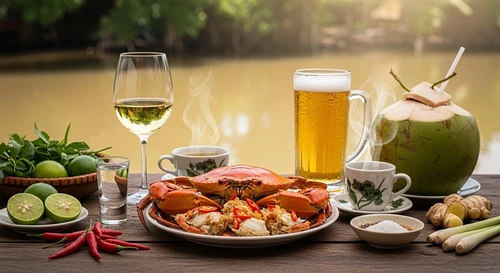
Pairing Drinks with Crab
White wine, beer, or tea? What works best?
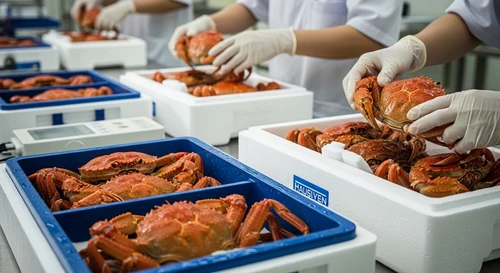
Live Ca Mau Crabs Flown First Class to Tokyo Restaurants
The incredible logistics of transporting live, premium roe crabs via air freight to supply high-end Japanese sushi bars.
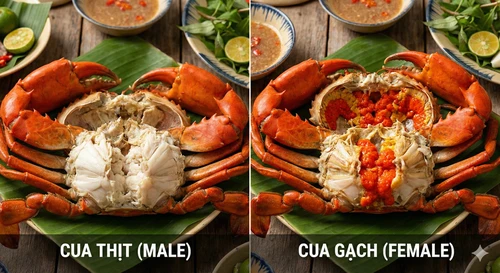
Male vs. Female Crabs: Which is Better?
Understanding the 'Y-shape' and 'Round-shape' aprons.
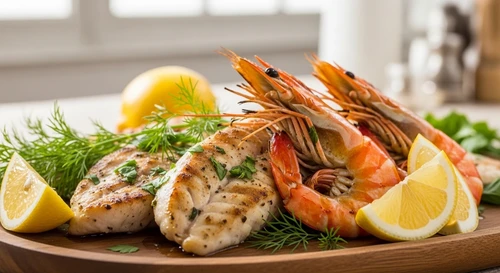
Search Trends 2026: What Seafood Consumers Are Googling
Data reveals a massive shift towards queries for 'healthy seafood recipes' and 'sustainable shrimp brands' in Vietnam.
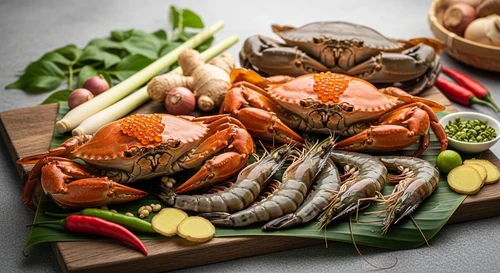
Global Seafood Trends 2026: Why Gen Z Demands Sustainable Sourcing
An analysis of the changing global consumer market. Why the transparent sourcing of Ca Mau crab matters more than ever.
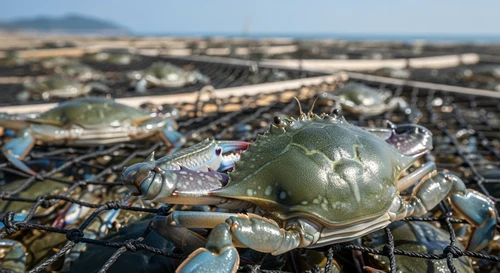
Black Spot Disease Devastates Blue Crab Farms in South Central Vietnam
A bacterial outbreak causing shell lesions and mass mortality in open-ocean crab cages is threatening local livelihoods.
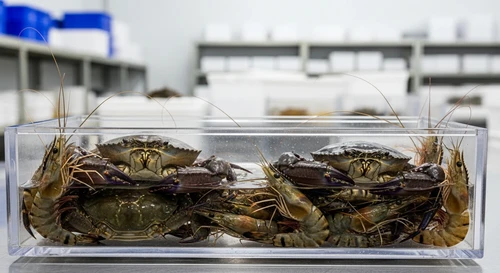
The Craze of 2-Hour Express Delivery Apps for Live Seafood in Hanoi
Residents of the capital can now order live crabs and swimming shrimp from inner-city cold storages, delivered to their doors while still splashing.
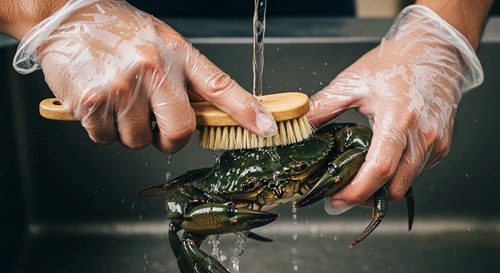
Cleaning Mud Crabs: Step by Step
Removing the mud and dirt from the shell.
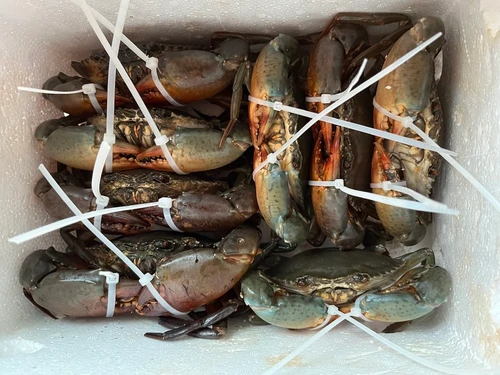
Crab Sizes Explained: From Y3 to Y7
Decoding the local size classification system.