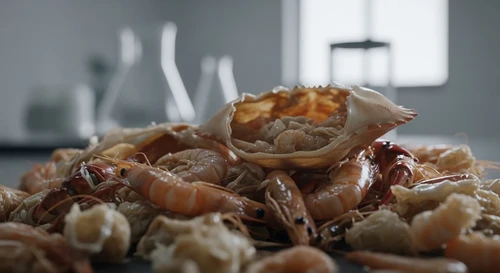
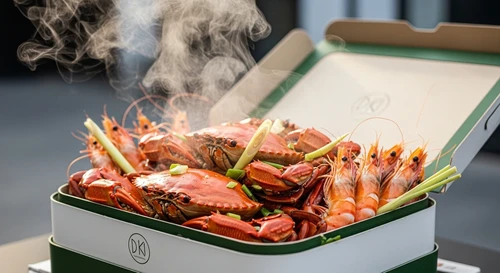
" Forget the fancy menus and Michelin stars. In the Mekong Delta, the true culinary secret isn't in a chef's technique, but in the muddy heart of its markets. Here, a simple code unlocks the treasure chest of its most prized ingredient: the mud crab. "
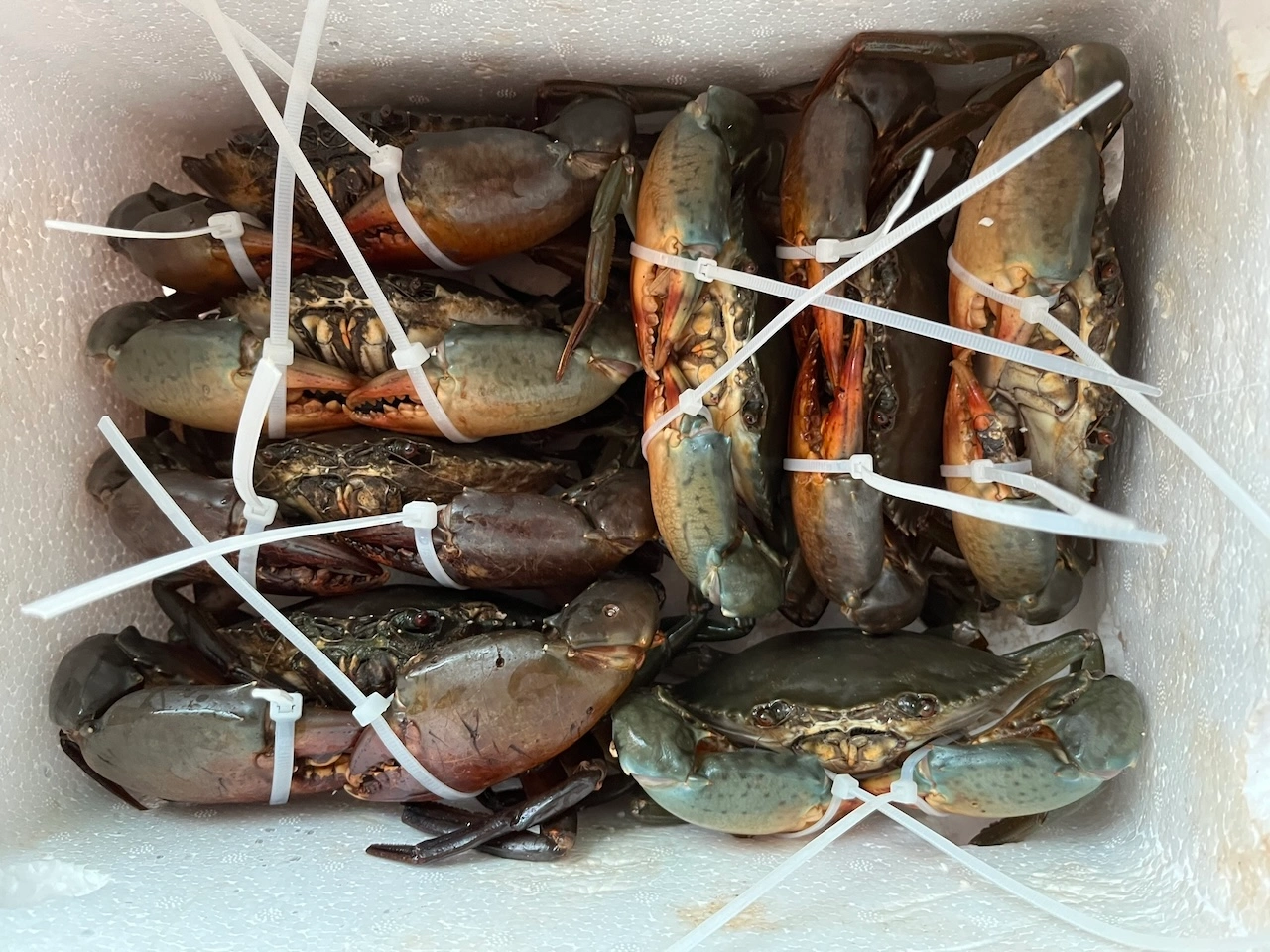
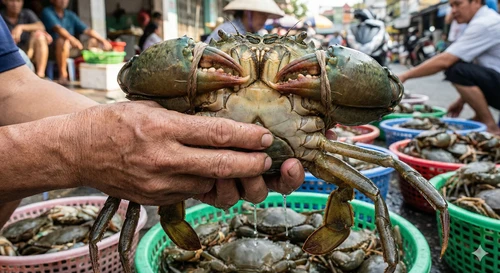
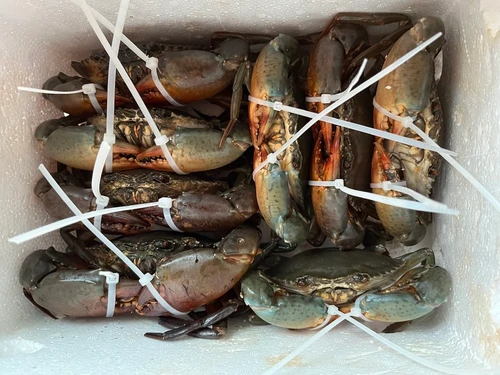
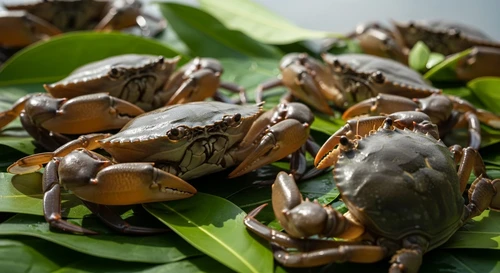
📸 The bounty of the Delta: Freshly caught mud crabs, ready for classification.
1 The Pulse of the Delta: A Crab Lover's Mecca
The Mekong Delta, a sprawling network of rivers and canals, is Vietnam’s agricultural heartland. But it’s more than just rice paddies and fruit orchards; it’s a seafood paradise, a place where the ocean’s bounty meets the freshwater currents. And at the apex of this aquatic kingdom reigns the mud crab (often simply called "sea crab" by locals for its size and habitat).
These formidable crustaceans thrive in the brackish waters of mangrove forests, particularly around provinces like Ca Mau, where the land finally yields to the sea. Ask any seasoned traveler or local gourmand, and they’ll tell you: the sweetest, meatiest crabs come from here. But stepping into a bustling delta market, amidst the clamor of vendors and the earthy scent of the river, you might feel lost trying to pick the best.
This is where the local wisdom kicks in, a system as organic and essential as the delta itself. It’s not taught in culinary schools; it’s learned through generations of living off the land and water. It’s the "Y-system," and once you understand it, you’ll never look at a crab the same way again.
2 Decoding the Delta's Secret: The "Y" System Unveiled
Imagine a world where sizing isn’t about grams or inches, but a single letter followed by a number, whispered with reverence at market stalls. That's the "Y-system." It’s an informal yet universally recognized grading system used by traders and consumers throughout the Mekong Delta to categorize mud crabs by their approximate size and, consequently, their perceived quality and price.
The "Y" likely stands for Yến (pronounced "yen"), a traditional unit of weight, though its precise origin is debated. What’s important is its practical application: a lower "Y" number signifies a larger, heavier crab. So, a Y3 crab is a behemoth compared to a Y7, and the price tag will reflect that difference dramatically. This system allows for quick communication and negotiation, cutting through language barriers and ensuring everyone understands the caliber of the crustacean in question.
It’s a beautiful example of how local knowledge, honed by necessity and passed down through oral tradition, creates an efficient marketplace even without standardized regulations. For the uninitiated, it’s a riddle; for the savvy, it’s a map to the most succulent seafood the delta has to offer.
3 From Y3 to Y7: A Scale of Excellence
Let’s break down the Y-system, from the titans of the mudflats to their smaller, yet still delicious, kin. Understanding this spectrum is key to navigating your crab choices, whether you’re aiming for a show-stopping centerpiece or a flavorful addition to a soup.
The King of Crabs (300-400g+)
These are the big boys, often exceeding 300-400 grams each, sometimes even larger. A Y3 crab is a rare find and commands the highest price. Expect incredibly dense, sweet meat, especially in the claws. Ideal for steaming whole or grilling, where its magnificent size can be fully appreciated. A true indulgence.
The Gold Standard (250-300g)
The Y4 crab is arguably the most popular and balanced choice. Large enough to be impressive, yet more readily available and often better value than a Y3. These crabs are plump, meaty, and perfect for all classic preparations: steamed, grilled with chili salt, or stir-fried with tamarind. If you want a fantastic crab experience without breaking the bank, aim for Y4.
The Versatile Performer (180-250g)
Still a very respectable size, Y5 crabs offer good meat content and are highly versatile. They are often chosen for family meals, where several smaller crabs might be preferred over one giant one. Excellent for soups, noodle dishes like Bánh Canh Cua (crab tapioca noodle soup), or in a fragrant crab fried rice.
The Flavor Enhancer (120-180g)
While noticeably smaller, Y6 crabs are far from inferior. They still pack a good amount of sweet meat and are fantastic for imparting deep crab flavor into broths and sauces. Often used when crab is one component of a larger dish rather than the star, such as in omelets or spring rolls.
The Small but Mighty (Under 120g)
These are the smallest commercially traded crabs under the Y-system. They might not offer much claw meat, but their bodies are still full of flavor. Y7 crabs are perfect for making rich crab stock, flavorful additions to seafood hot pots, or deep-frying until crispy and edible whole. Don't underestimate their contribution to a dish!
The Art of Selection: Picking Your Perfect Crab
The Y-system gives you a great head start, but a true delta connoisseur looks beyond the numbers. Here’s what separates the good catch from the great.
1. Activity is Key
A good crab is a lively crab. Look for crabs that are actively moving, trying to escape, or showing aggression. A sluggish crab is a dying crab, and its meat quality will suffer.
2. Firmness of the Shell
Press firmly on the underside of the crab, near the apron. It should feel hard and solid, not soft or squishy. A soft shell indicates a recently molted crab, which will have less meat and more water content.
3. Weight in Hand
Lift the crab. It should feel heavy for its size. A light crab means less meat and potentially less flavor. Trust your instincts on this one.
"Always buy live crabs. There's no compromise on freshness when it comes to Mekong Delta seafood. If it's not trying to pinch you, it's probably not worth eating."
5 Beyond the Numbers: Male, Female, and Roe
The Y-system tells you size, but not gender. And for many, the choice between male and female is as crucial as the size itself.
- Male Crabs: Identified by a narrow, pointed apron on their underside. Males are prized for their abundant, firm white meat, particularly in the claws. If you're looking for sheer meat content for steaming or grilling, a male crab is your go-to.
- Female Crabs: Easily spotted by their broad, rounded apron. Females are sought after for their rich, buttery roe (crab fat), which turns a vibrant orange when cooked. This creamy, intensely flavorful roe is a delicacy, often scooped out and enjoyed with a spoon, or mixed into rice. Female crabs still have good meat, but generally less than a male of the same size.
Your preference here dictates your ultimate culinary experience. Are you a pure meat connoisseur, or do you crave the luscious richness of roe? In the Delta, you don't have to choose; you just pick the right crab for the right craving.
6 Market Whispers: Navigating the Ca Mau Docks
Armed with your newfound knowledge of the Y-system and crab selection, you're ready to hit the markets. The most famous crab hub is undoubtedly Ca Mau, particularly the fishing ports and markets in towns like Nam Can. Here’s how to make the most of your visit:
- Go Early: The freshest catches arrive at dawn. The earlier you go, the better your selection.
- Observe First: Watch how locals interact with vendors. Pay attention to the types of crabs being sold and the general pricing.
- Don't Be Afraid to Haggle (Gently): While prices are generally fair, a friendly negotiation is part of the market culture, especially if buying in bulk. A smile and a few basic Vietnamese phrases (e.g., "Bao nhiêu tiền?" - How much?) can go a long way.
- Inspect Thoroughly: Don't be shy about picking up the crabs (carefully!) and inspecting them for liveliness and shell firmness. Vendors expect this.
- Seasonal Awareness: While mud crabs are available year-round, local fishermen will tell you that the very best quality, particularly for roe-filled females, can often be found during the dry season (roughly December to April).
The markets of Ca Mau are a symphony of sights, sounds, and smells—a raw, authentic glimpse into the delta’s soul. Embrace the chaos, learn from the locals, and you’ll leave not just with the perfect crab, but with an unforgettable memory.
7 Culinary Destinations: Where Your Y-Crab Ends Up
Once you’ve wrestled your chosen crustacean from the market, what’s next? The beauty of a fresh Mekong Delta crab lies in its versatility. The Y-size often guides the best preparation:
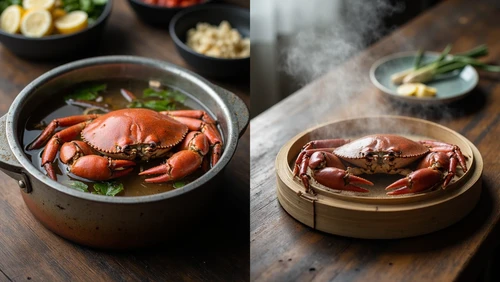
- Y3 & Y4: These majestic crabs are best enjoyed in their purest forms. Steaming (perhaps with beer and lemongrass, as in a previous guide!) or grilling with chili salt allows their natural sweetness and robust texture to shine. Minimal interference, maximum flavor.
- Y5 & Y6: Perfectly suited for more elaborate dishes. Think Tamarind Crab (Cua Rang Me), where the sweet, sour, and spicy sauce clings to every shell, or broken up into rich crab noodle soups (Bún Riêu Cua or Bánh Canh Cua). The smaller claws are easier to manage in these preparations.
- Y7: Don't dismiss the smallest. Their intense crab flavor makes them ideal for building deeply savory broths for hot pots, or they can be deep-fried until incredibly crispy and eaten whole – a unique texture and flavor experience.
No matter the size, the Mekong Delta crab promises a journey for your palate. It’s a taste of the river, the mud, and the enduring culinary traditions of southern Vietnam, all wrapped in a hard shell.
8 The Mekong's Promise: A Taste of Authentic Vietnam
Understanding the Y-system is more than just learning about crab sizes; it's an immersion into the rhythm of the Mekong Delta. It's a nod to the ingenious ways communities adapt and thrive, creating their own intricate systems for commerce and cuisine.
The next time you find yourself amidst the vibrant chaos of a Vietnamese seafood market, don't just point and hope. Engage with the vendors, ask for a Y4 or a Y3, and feel the confidence of a local. You're not just buying a crab; you're participating in a centuries-old tradition, and you're about to unlock one of Vietnam's most profound culinary pleasures.
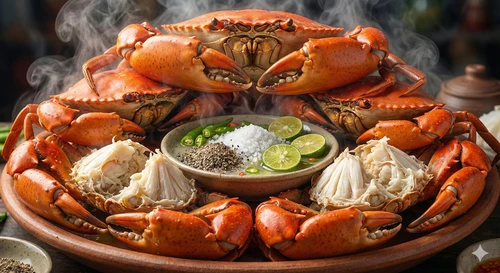
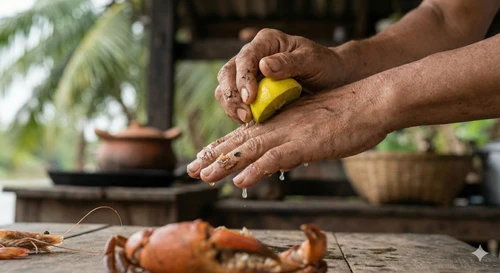
So go forth, explore, and let the magnificent mud crab of the Mekong Delta be your guide to an authentic taste of this incredible land. Just don't forget your lime, salt, and pepper.
Hungry for More Delta Delights?
The Mekong Delta offers a universe of flavors beyond just crab. Dive deeper into its culinary secrets.
🍜 Explore Our Full Food Guide