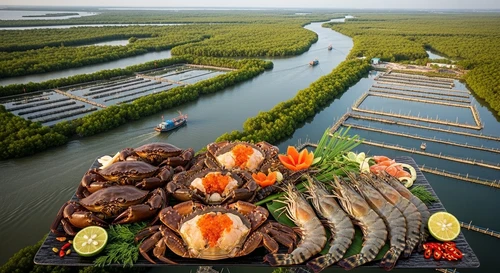
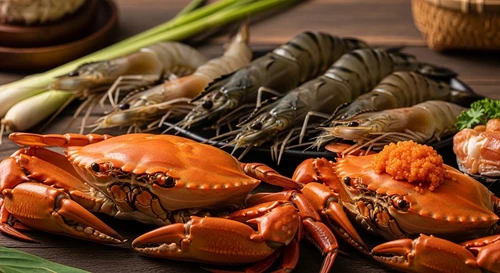
" The Mekong Delta hums with the rhythm of the tides, a place where life and sustenance are deeply intertwined with the water. But for every succulent crab pulled from its embrace, a mountain of shells is left behind. What if that 'waste' was actually the key to the future? "
1 The Unseen Bounty of the Mekong
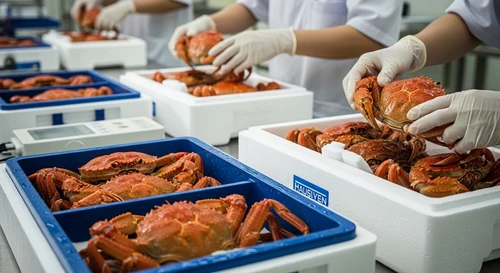
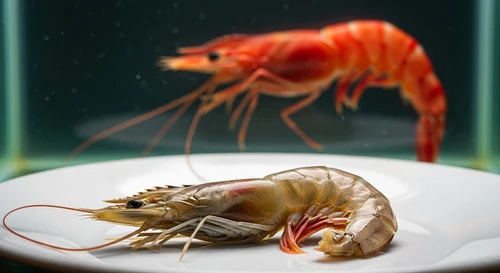
Vast stretches of the Mekong Delta, particularly in provinces like Ca Mau, are synonymous with seafood. Miles of coastline and intricate river systems yield an abundance of crabs, shrimp, and other marine life. It's a livelihood for thousands, a cornerstone of the regional economy, and a culinary treasure trove for Vietnam and the world.
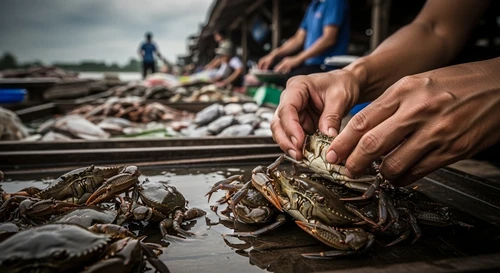
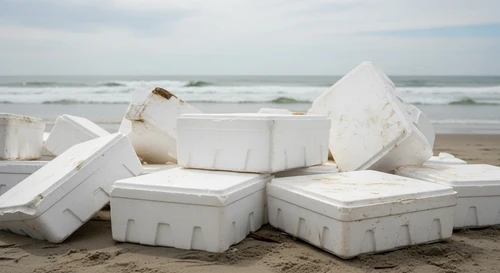
However, this thriving industry generates a colossal amount of organic waste. Crab shells, shrimp exoskeletons – these are the byproducts that, until recently, were largely dumped into landfills or the waterways, posing environmental challenges. Imagine the sheer volume: discarded carapaces piling up, a stark contrast to the delicious meals they once formed.
The Scale of the Problem
Seafood processing plants and local markets in the Delta produce thousands of tons of shell waste annually. This waste contains valuable biopolymers that have historically gone untapped. The environmental cost of this disposal – potential pollution and lost resources – is substantial.

Discarded shells represent a significant waste stream from Mekong Delta seafood processing.
2 Enter Chitosan: Nature's Versatile Polymer
The magic ingredient here is Chitosan. It's a natural biopolymer, derived from chitin, which is the primary component of the exoskeletons of arthropods like crabs and shrimp, as well as the cell walls of fungi. Think of it as the structural scaffolding of the sea's hard-shelled inhabitants.
What is Chitosan?
When processed correctly, chitin is deacetylated to form chitosan. This remarkable substance possesses a unique set of properties: it's biodegradable, biocompatible, non-toxic, and antimicrobial. It's also positively charged, which allows it to bind with negatively charged molecules.

Chitosan, a fine powder derived from seafood shells.
Why is this exciting for the Mekong Delta? Because the raw material – the discarded shells – is abundant. The challenge was always extraction and refinement. Now, innovative startups are stepping in, armed with biotechnology and a vision for a circular economy.
3 The Biotech Startups Rising from the Delta
Several dynamic companies are emerging within Vietnam, many with strong ties to the Mekong region, dedicated to transforming this waste stream. They aren't just disposing of shells; they're meticulously extracting high-value Chitosan through sophisticated processes.
Extraction Process
The process typically involves grinding the shells, demineralization (removing calcium carbonate), deproteinization (removing proteins), and finally, deacetylation to yield chitosan. This requires specialized equipment and chemical knowledge, areas where these startups excel.
Applications Galore
The Chitosan produced isn't just a chemical curiosity; it has a rapidly expanding list of applications across various industries.
Circular Economy Model
These companies are the linchpins of a true circular economy in the Delta. They partner with seafood processors, take their waste, and create valuable new products, closing the loop and reducing environmental impact.
4 Medical Marvels and Agricultural Gold
The Chitosan derived from Mekong Delta crabs and shrimp is finding its way into some incredible products:
Medical & Healthcare
- Wound Dressing: Its antimicrobial properties and ability to promote healing make it ideal for bandages and medical films.
- Drug Delivery: Chitosan's biocompatibility allows it to encapsulate drugs, controlling their release in the body.
- Tissue Engineering: It serves as a scaffold for growing new tissues.
- Biomedical Implants: Used in coatings for implants to reduce rejection.
Agriculture & Beyond
- Biopesticides: Chitosan can naturally deter pests and protect crops.
- Plant Growth Stimulants: It can enhance seed germination and crop yield.
- Water Purification: Its positively charged nature makes it effective at removing impurities from water.
- Cosmetics: Used in skincare for its moisturizing and film-forming properties.
5 Impact on the Mekong Delta's Future
This isn't just about scientific innovation; it's about economic empowerment and environmental stewardship for the Mekong Delta. These Chitosan startups are:
Creating New Revenue Streams
Turning what was once a costly waste disposal problem into a profitable venture adds significant value to the local seafood industry.
Boosting Local Economies
These startups create new jobs in processing, research, and logistics, supporting communities that depend on seafood.
Enhancing Environmental Sustainability
By diverting waste from landfills and waterways, they contribute to a cleaner Delta, protecting its delicate ecosystem.
Positioning Vietnam as a Leader
These innovations showcase Vietnam's potential in the global biotechnology sector, particularly in harnessing natural resources sustainably.
6 A Glimpse into the Process (Visualizing the Transformation)
Imagine walking into a facility near the coast, the air carrying the faint, briny scent of the sea. Here, what looks like raw seafood refuse is meticulously handled:
From Shells to Powder
Crab shells and shrimp exoskeletons are collected, washed, and often crushed into smaller pieces. They then undergo chemical and enzymatic treatments in large vats – the demineralization and deproteinization steps. The final stage, deacetylation, transforms the chitin into soluble chitosan, which is then dried and powdered.

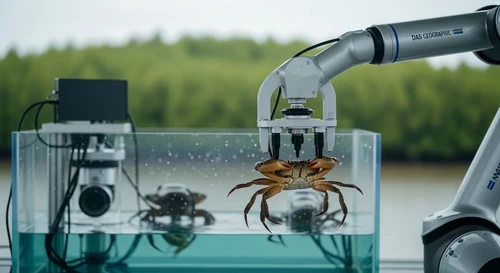
Biotech labs in Vietnam are key to unlocking the potential of Chitosan.
The scale of operations can range from pilot plants to large industrial facilities, each playing a role in meeting the growing global demand for sustainable bioproducts.
7 The Power of Chitosan in Action
Let's look at some concrete examples of Chitosan's impact. Consider the Ca Mau Jumbo Mud Crab. Its robust shell, once discarded, can now become:
Biodegradable Packaging
Chitosan films can be used to create sustainable packaging materials for food products, offering antimicrobial properties that extend shelf life.
Agricultural Mulch Films
Instead of plastic, Chitosan can be used in agricultural films that decompose naturally, enriching the soil.
Similarly, the shells of the Ca Mau Roe Mud Crab, with their rich roe, also contribute to this valuable resource. The innovation lies in viewing these shells not as waste, but as a precious raw material for high-value applications.
8 Looking Ahead: A Sustainable Future
The rise of Chitosan extraction startups in Vietnam is a powerful testament to ingenuity and sustainability. They are not just solving a waste problem; they are forging new economic paths, harnessing the natural bounty of the Mekong Delta responsibly, and contributing to a global shift towards bio-based materials.
As these companies grow and refine their processes, we can expect to see even more innovative applications emerge. The humble crab shell, once overlooked, is now at the forefront of biotechnology, promising a cleaner, healthier, and more sustainable future for the Mekong Delta and beyond. It's a story that truly embodies the spirit of innovation from the riverbanks.