1 The Mekong's Bounty: A Foundation for Ambition
" To understand Vietnam's ambitious $10 billion seafood export goal for 2026, you must first understand the spirit and the waters of the Mekong Delta. This is not just a river; it's a lifeblood, a vast, fertile network of channels and estuaries that have sustained communities for centuries. "

📸 The diverse palette of Vietnam's aquaculture, a testament to the Delta's richness.
The Mekong Delta, often called Vietnam's "rice bowl," is equally a cradle of aquatic life. From the brackish coastal waters of Ca Mau, where unique mangrove ecosystems thrive, to the freshwater arteries crisscrossing the land, the region is an unparalleled source of high-quality seafood. This natural advantage, combined with generations of skilled aquaculture and fishing practices, forms the bedrock upon which Vietnam's modern seafood industry is built.
2 The $10 Billion Vision: What's Driving the Growth?
Vietnam's Ministry of Agriculture and Rural Development has set an ambitious target: to reach $10 billion in seafood exports by 2026. This isn't mere wishful thinking; it's a strategic economic goal underpinned by a clear focus on value-added products, sustainability, and premium market segments. The old model of simply exporting raw materials is evolving rapidly.
Shift to Premium
The focus is shifting from volume to value. Consumers in major markets are increasingly demanding high-quality, traceable, and sustainably sourced seafood. Vietnam is responding by emphasizing its premium offerings.
Value-Added Processing
Beyond raw exports, there's a significant push towards processing: ready-to-cook meals, marinated products, surimi, and other value-added items that command higher prices and extend shelf life.
This strategic pivot is being powered by specific, highly sought-after species that are synonymous with the quality and origin of Vietnamese aquaculture.
Stars of the Show: Mud Crabs & Tiger Shrimp
The Prized Mud Crab
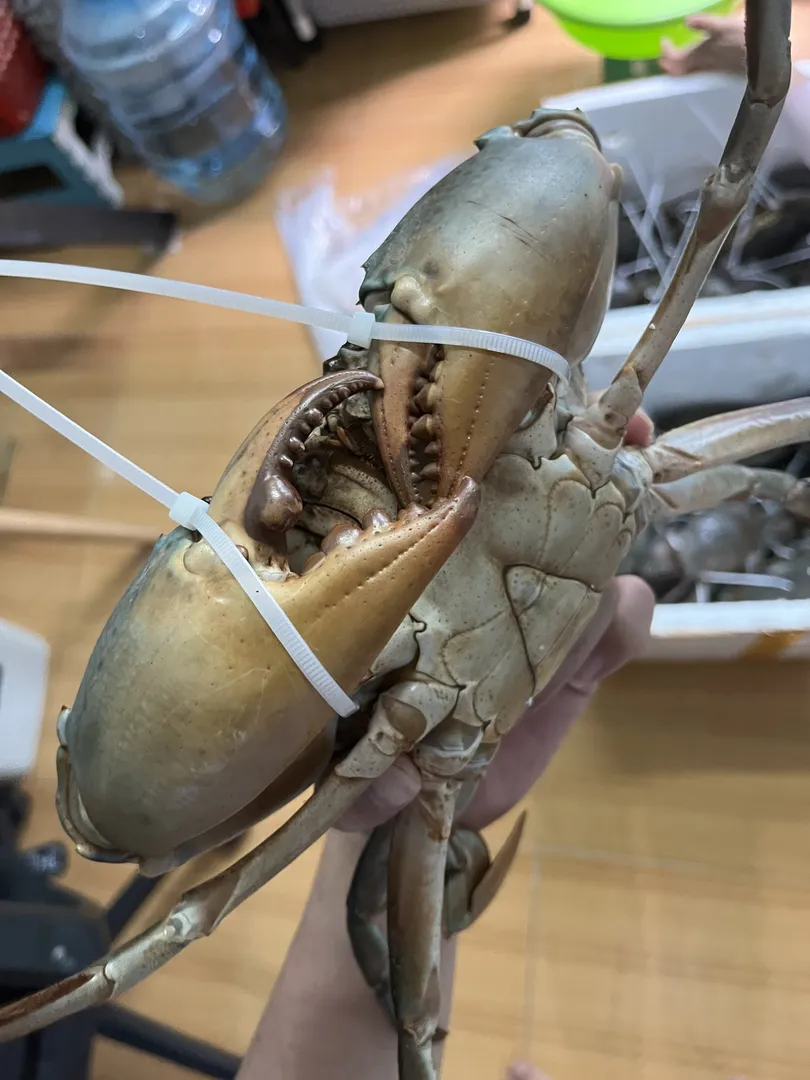
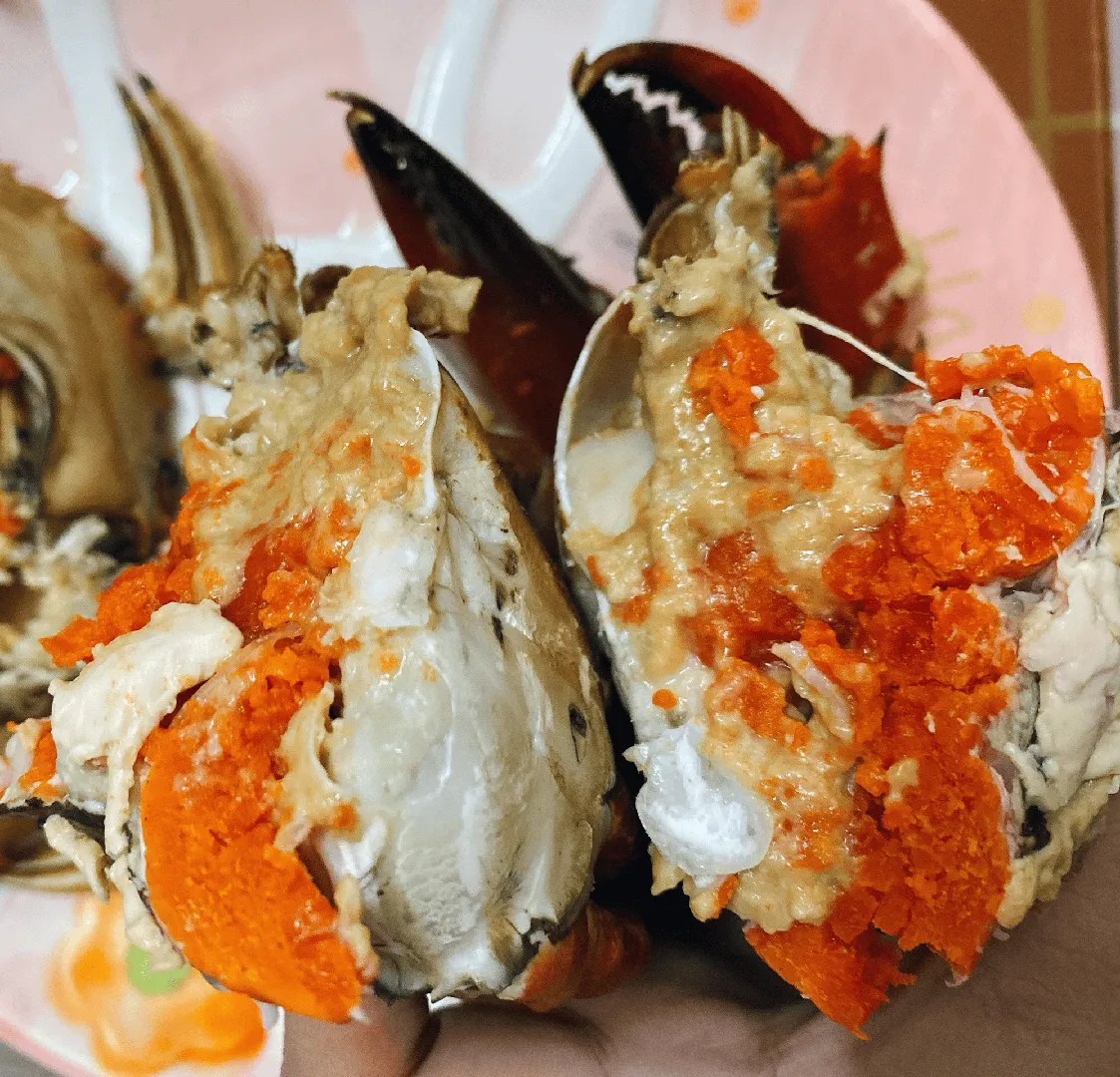
When we talk about Vietnam's premium seafood, the mud crab from the Ca Mau region often takes center stage. Its rich, dense meat and distinctive flavor make it a delicacy in international markets. The focus is on larger specimens, both meat crabs and roe crabs, prized for their superior quality and yield.
Heritage Ingredient
Ca Mau Jumbo Mud Crab
Ca Mau Jumbo Mud Crab
A large male mud crab prized for dense, sweet meat and thick claws, commonly used in steamed crab and grilled crab dishes across the Mekong Delta.
An icon of coastal culinary heritage, featuring firm, sweet meat that captures the raw power and freshness of Ca Mau's tides.
Heritage Ingredient
Ca Mau Roe Mud Crab
Ca Mau Roe Mud Crab
A female mud crab known for deep orange roe and a rich, creamy finish, often featured in celebratory Southern Vietnamese seafood meals.
A crimson treasure hidden within a shell, boasting rich, creamy roe that melts on your tongue like a golden sunset over the delta.
The Mighty Black Tiger Shrimp
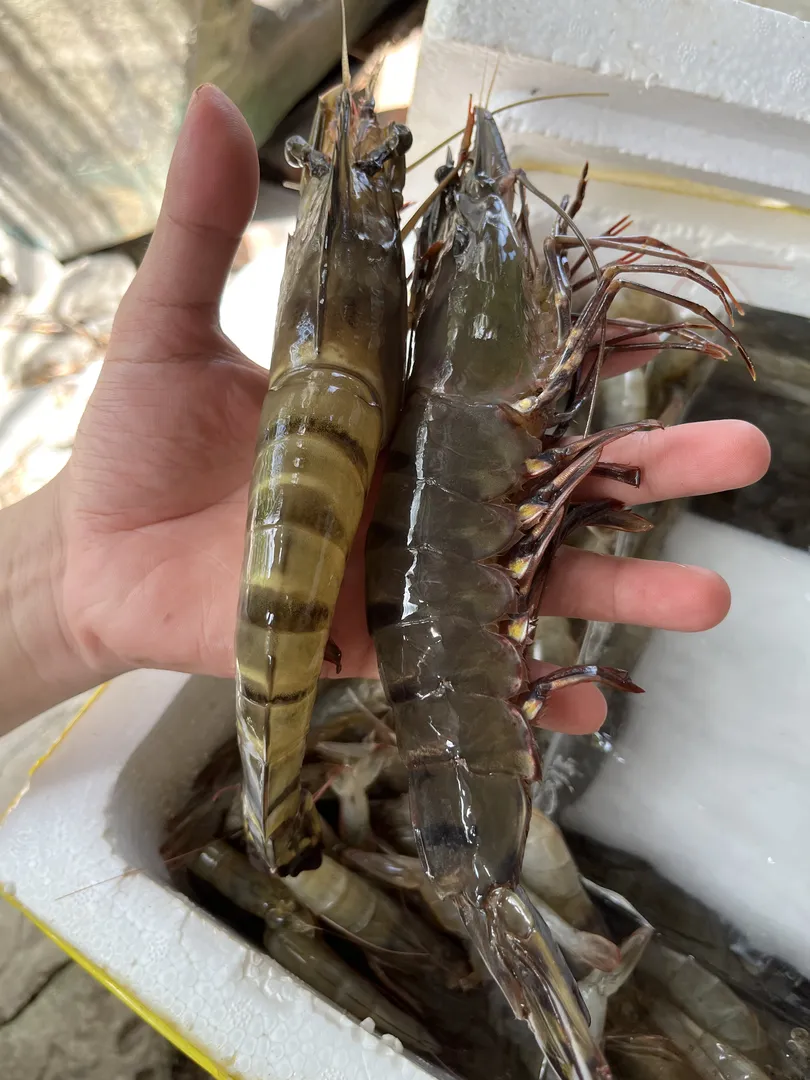
Vietnam's Black Tiger shrimp, particularly those farmed sustainably in the mangrove-rich coastal areas, are globally recognized. Known for their firm texture, vibrant color, and clean, sweet taste, they are a staple in export markets. The emphasis is on larger sizes and responsible farming practices that ensure both quality and ecological balance.
Heritage Ingredient
Ca Mau Black Tiger Shrimp
Ca Mau Black Tiger Shrimp
Large black tiger shrimp associated with mangrove aquaculture in Ca Mau, known for firm flesh and a cleaner, sweeter finish than intensively farmed shrimp.
Wild spirits of the mangroves, these black-banded gems deliver a firm, snappy texture and a sweetness that echoes the forest's vibrant life.
These cornerstone products, alongside others like pangasius and various shellfish, are key drivers of Vietnam's export success, appealing to discerning consumers who prioritize quality and traceability.
4 Sustainability & Traceability: The New Imperatives
Achieving a $10 billion export goal in today's global market demands more than just abundant resources. Buyers, especially in developed nations, are scrutinizing supply chains. Vietnam's seafood industry is increasingly investing in certifications and technologies that guarantee sustainability and full traceability from farm to fork.
Eco-Friendly Practices
Adoption of practices like mangrove-friendly shrimp farming, integrated multi-trophic aquaculture, and responsible feed management is crucial.
Blockchain & Tech
Implementing modern tracking systems to provide verifiable data on origin, farming methods, and handling at every stage of the supply chain.
International Standards
Compliance with stringent international food safety standards (HACCP, BRC) and ethical labor practices is non-negotiable.
5 Navigating the Currents: Challenges on the Horizon
While the future looks bright, the path to $10 billion is not without its obstacles. Global economic uncertainties, fluctuating market demands, and the persistent threat of climate change impacting coastal ecosystems require constant vigilance and adaptation.
- Climate Change Impacts: Rising sea levels, increased storm intensity, and changing water salinity pose significant threats to aquaculture infrastructure and natural habitats in the Mekong Delta.
- Global Competition: Vietnam competes with major seafood producers worldwide, necessitating continuous innovation and cost-efficiency.
- Trade Policies & Tariffs: Fluctuations in international trade agreements and tariffs can impact export volumes and profitability.
- Disease Management: Preventing and managing aquatic diseases in intensive farming environments remains a perpetual challenge.
- Labor Shortages: Attracting and retaining skilled labor in processing plants and at aquaculture sites is becoming increasingly difficult.
6 The Regional Engine: How the Mekong Delta Fuels Success
The Mekong Delta isn't just a backdrop; it's an active participant and a primary engine for Vietnam's seafood export growth. Its unique geographical and ecological characteristics are directly leveraged for producing premium seafood.
Mangrove Aquaculture Advantage
Coastal provinces like Ca Mau and Bac Lieu are world-renowned for their extensive mangrove forests. These natural buffers are ideal for integrated shrimp farming (often black tiger shrimp) that reduces reliance on artificial feeds and chemicals, enhancing sustainability and product quality. The distinctive, slightly briny flavor imparted by this environment is highly valued.

Freshwater Diversity
Inland areas of the Delta are a labyrinth of freshwater canals and rivers. These are crucial for farming species like catfish (pangasius), freshwater prawns, and various freshwater fish. Innovations in freshwater aquaculture here contribute significantly to the export volumes, often focusing on clean, neutral-tasting fish suitable for diverse international cuisines.

Local expertise in managing tidal flows, pond systems, and integrated farming techniques is paramount. These traditional knowledge systems, when combined with modern science and global market demands, create a powerful synergy that drives the region's contribution to Vietnam's export success.
7 Consumer Insights: What the World Wants
The $10 billion target isn't arbitrary; it reflects a global appetite for Vietnamese seafood. Understanding these consumer preferences is key to the strategy.
The Global Palate
Health & Nutrition:
Increasing awareness of seafood's health benefits (omega-3s, lean protein) drives demand, especially for shrimp and certain fish varieties.
Convenience & Quality:
Ready-to-cook, pre-portioned, and high-quality products that save consumers time without compromising on taste or freshness are highly sought after.
Ethical Sourcing:
Consumers want to know where their food comes from and that it's produced responsibly, making traceability and sustainability crucial selling points.
Exotic & Premium Appeal:
Products like Ca Mau mud crabs, known for their distinct origin and superior quality, appeal to the gourmet market willing to pay a premium.
8 The Path Forward: Innovation & Diversification
Reaching the $10 billion mark will require sustained effort in innovation and diversification beyond the established stars.
Beyond Crab and Shrimp
Value-Added Fish Products
Expanding processed pangasius products, featherback fish cakes, and other freshwater fish preparations for international appeal.
Seaweed & Algae
Exploring the potential of seaweed farming for food, supplements, and industrial applications, leveraging Vietnam's long coastline.
Oysters & Mollusks
Developing export markets for high-quality farmed oysters, clams, and other shellfish known for their purity in coastal zones.
Investment in R&D, improved processing technology, and targeted market development will be crucial to unlocking the full potential of Vietnam's diverse marine and freshwater resources.
The Future is Fresh
Vietnam's ambition to reach $10 billion in seafood exports by 2026 is a testament to the nation's rich aquatic heritage and its forward-thinking economic strategy.
From the mangrove-kissed shores of Ca Mau to the bustling processing plants, the drive for quality, sustainability, and value is palpable. The premium products like Ca Mau mud crabs and ethically farmed black tiger shrimp are not just commodities; they are ambassadors of Vietnam's commitment to excellence on the global stage. As the nation continues to innovate and adapt, its position as a leading force in the international seafood market is set to solidify, bringing the taste of the Mekong's bounty to tables worldwide.