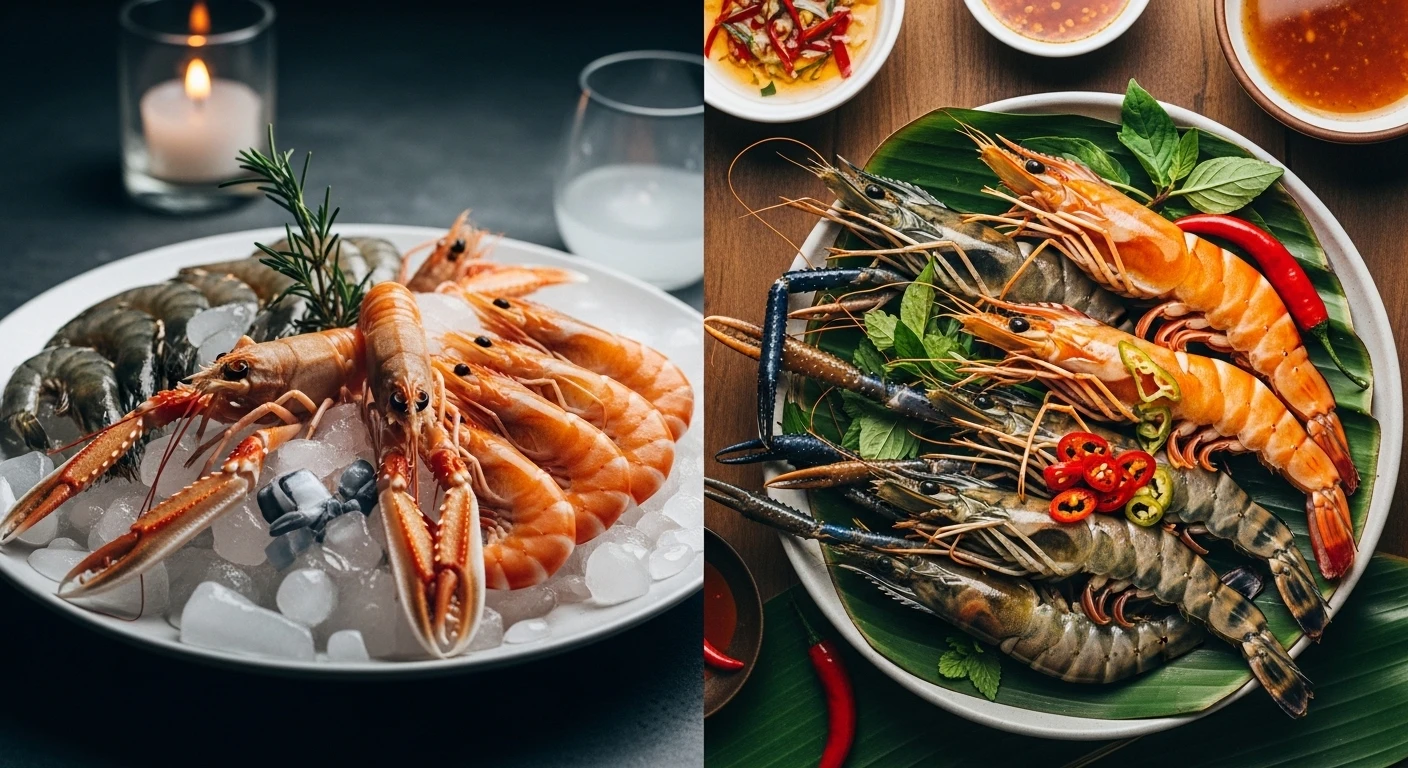
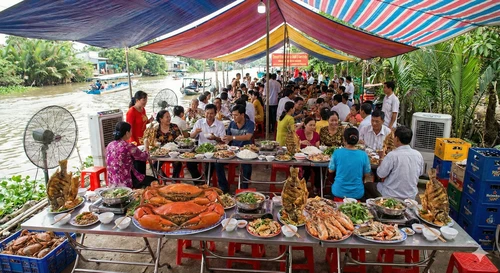
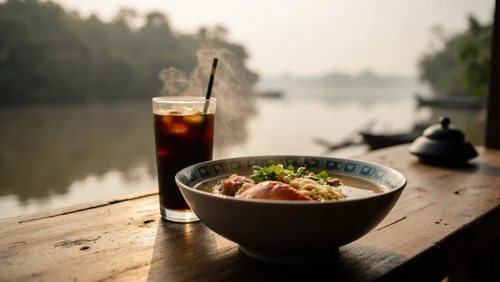
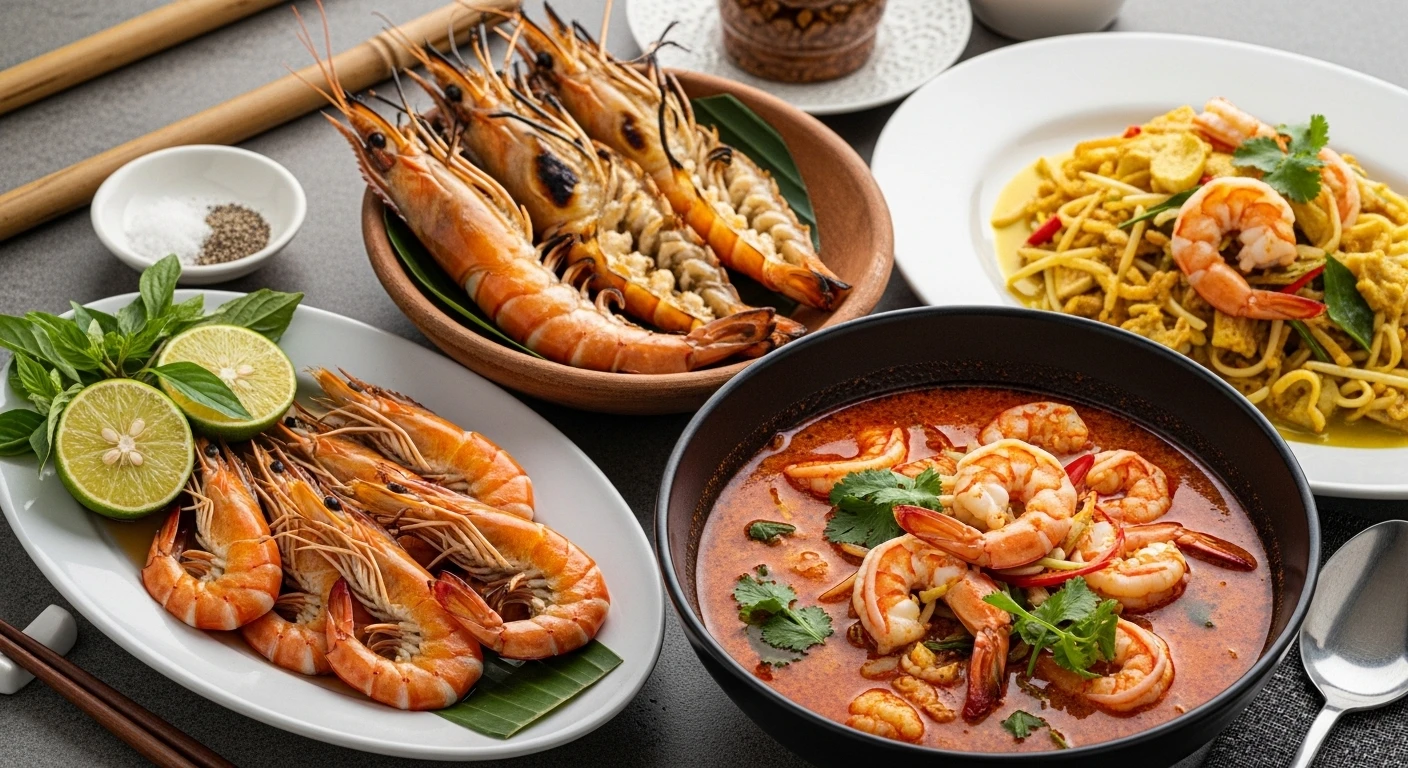
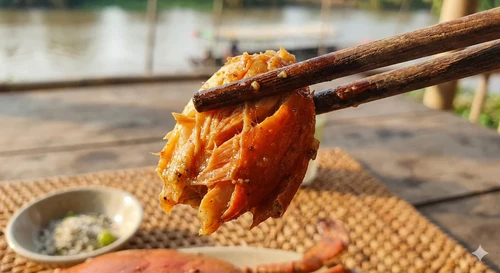
" Two great seafaring nations, two vastly different aquatic treasures. One offers the delicate sweetness of mangrove-kissed waters, the other the robust, brine-kissed character of the deep blue. "
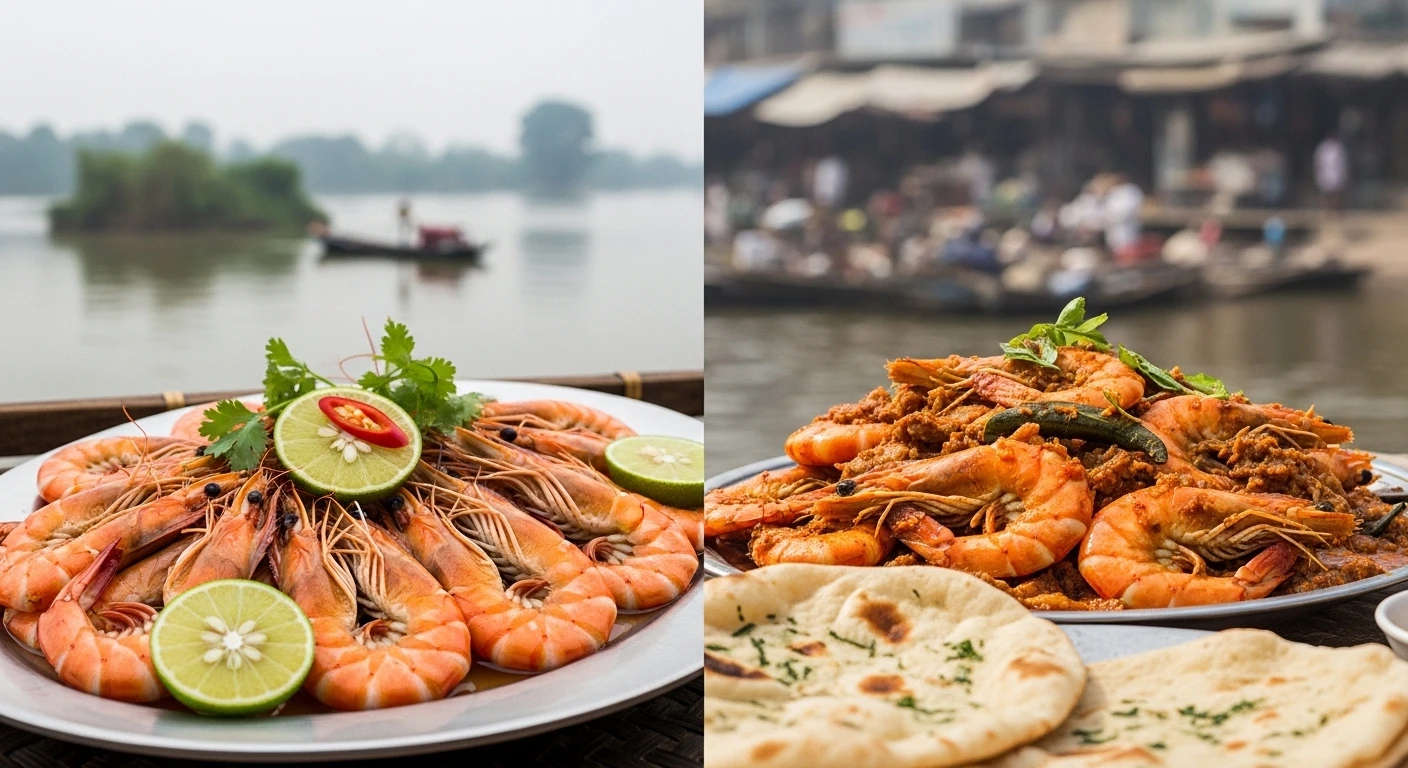
📸 Where the sea meets the soul: A global bounty of shrimp.
1 The Mekong Delta's Shrimp Sanctuary: A Taste of Terroir
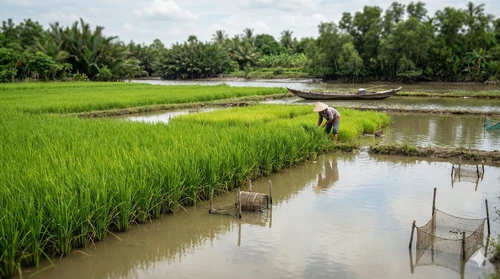
Venture into the labyrinthine waterways of Southern Vietnam, and you’ll find a shrimp culture deeply intertwined with the very rhythm of the Mekong River. This vast, fertile delta, a sprawling mosaic of canals, rice paddies, and mangrove forests, is a cradle for some of the world's most sought-after shrimp. Here, aquaculture isn't just an industry; it's an art form, often respecting the natural ebb and flow of the tides and the unique salinity of its brackish waters.
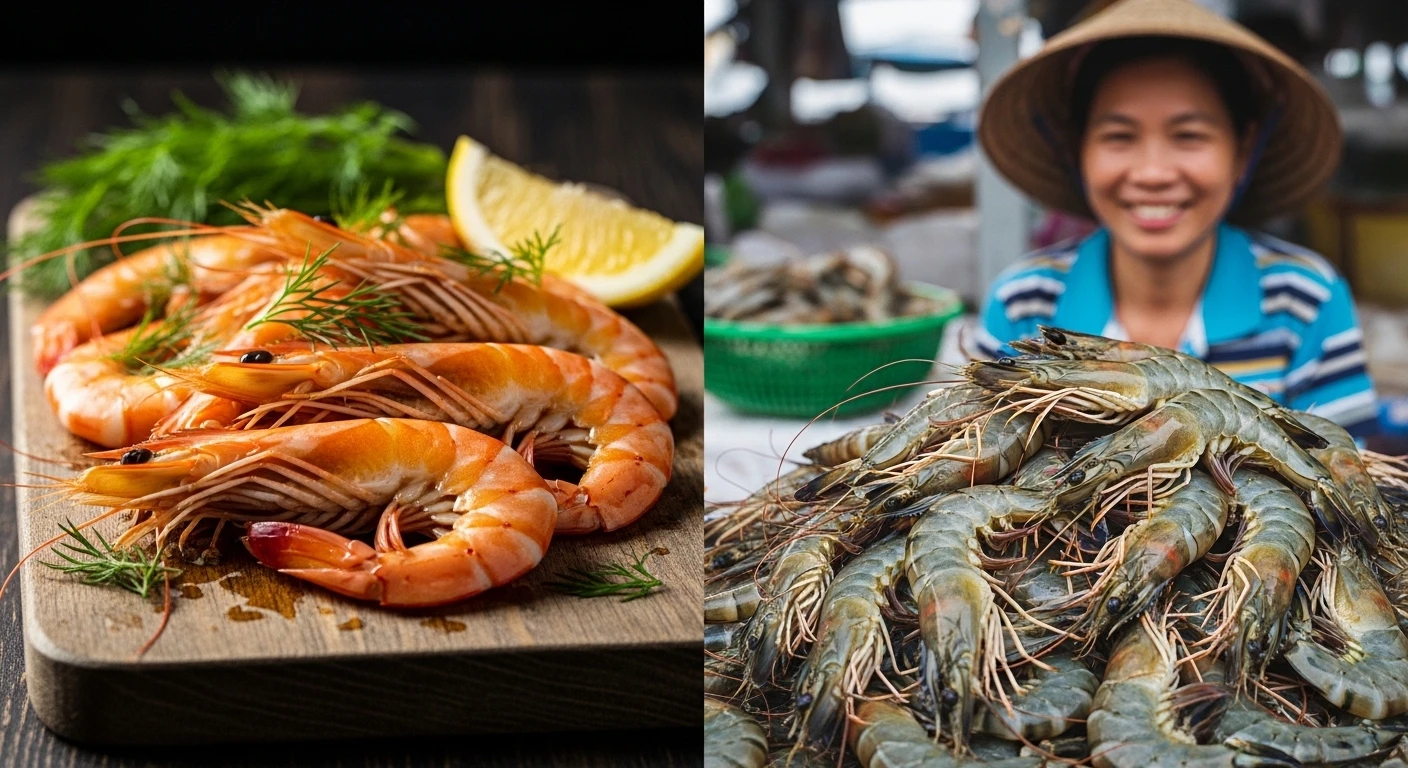
The star of this region, particularly from the southern tip in provinces like Ca Mau and Bac Lieu, is the Ca Mau Black Tiger Shrimp. These aren't your run-of-the-mill farmed shrimp. Raised in extensive, semi-intensive ponds that often border mangrove ecosystems, they absorb the subtle mineral notes and complex flavors of their environment. This results in a shrimp with a noticeably firmer texture, a cleaner, sweeter taste, and a distinctively appealing dark, striped shell.
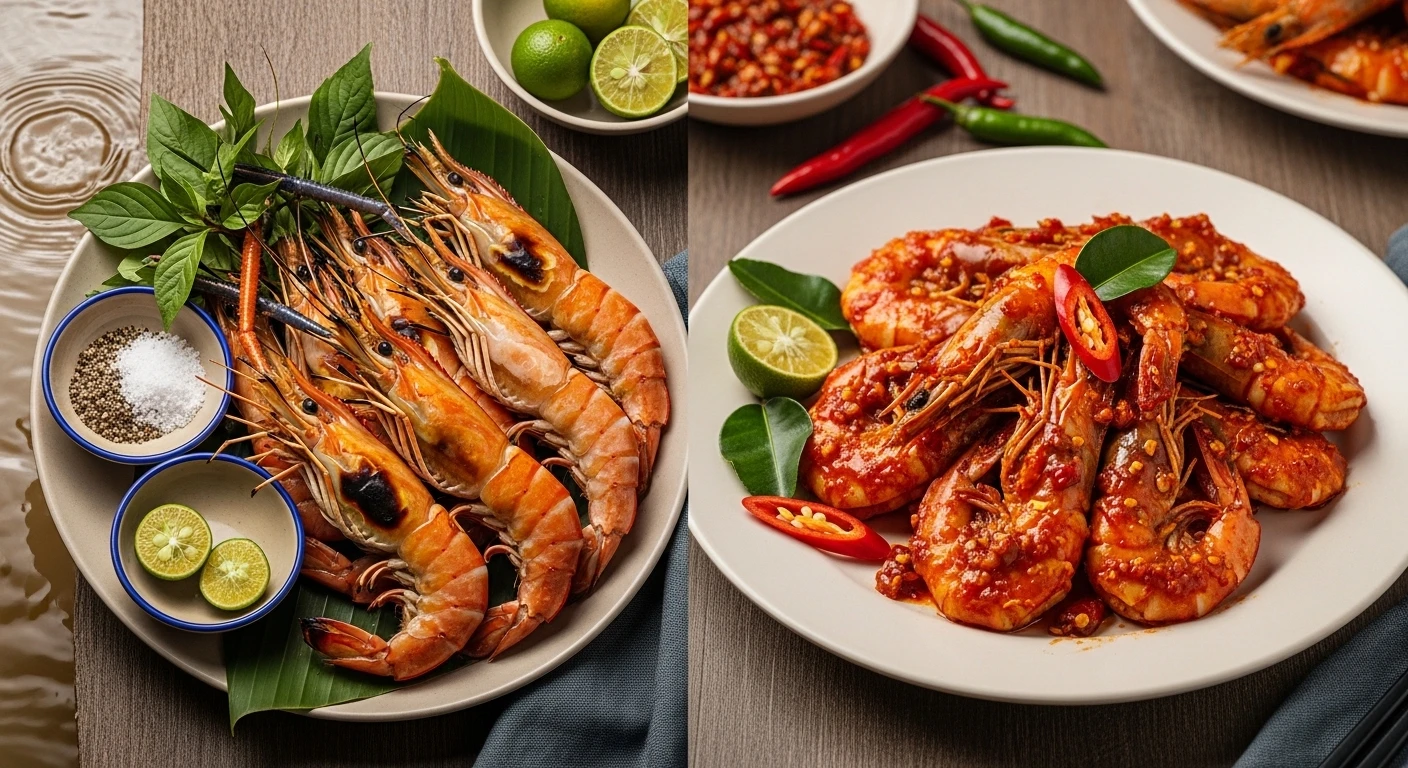
Beyond the renowned Black Tigers, the Mekong Delta is also home to the Mekong Giant Freshwater Prawn. These impressive crustaceans, with their striking blue claws, are prized for their rich, buttery head fat and substantial, sweet meat. They are a staple in communal meals, often grilled over charcoal, releasing an intoxicating aroma that signifies a true taste of the delta.
Ca Mau Black Tiger Shrimp
Prized for its firm flesh and clean, sweet finish, a testament to its mangrove-influenced habitat.
Heritage Ingredient
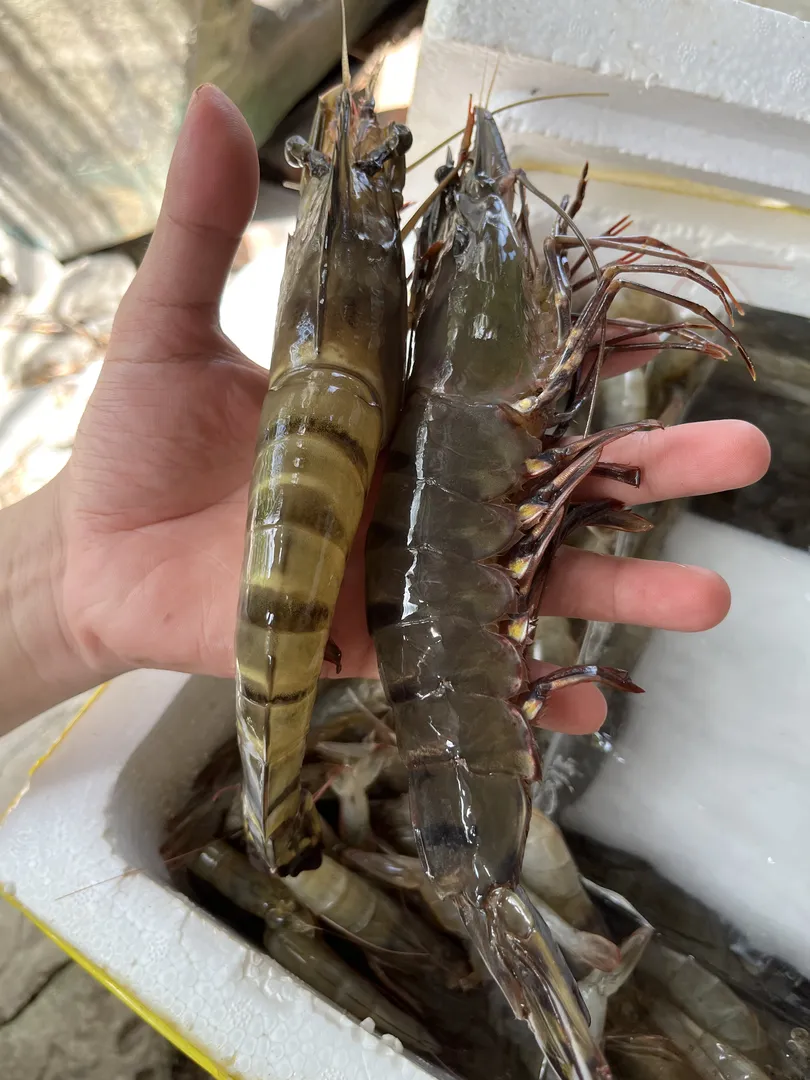
Ca Mau Black Tiger Shrimp
Ca Mau Black Tiger Shrimp
Large black tiger shrimp associated with mangrove aquaculture in Ca Mau, known for firm flesh and a cleaner, sweeter finish than intensively farmed shrimp.
Wild spirits of the mangroves, these black-banded gems deliver a firm, snappy texture and a sweetness that echoes the forest's vibrant life.
Mekong Giant Freshwater Prawn
Known for its impressive size, rich head fat, and succulent meat, a delicacy of the river basin.
Heritage Ingredient
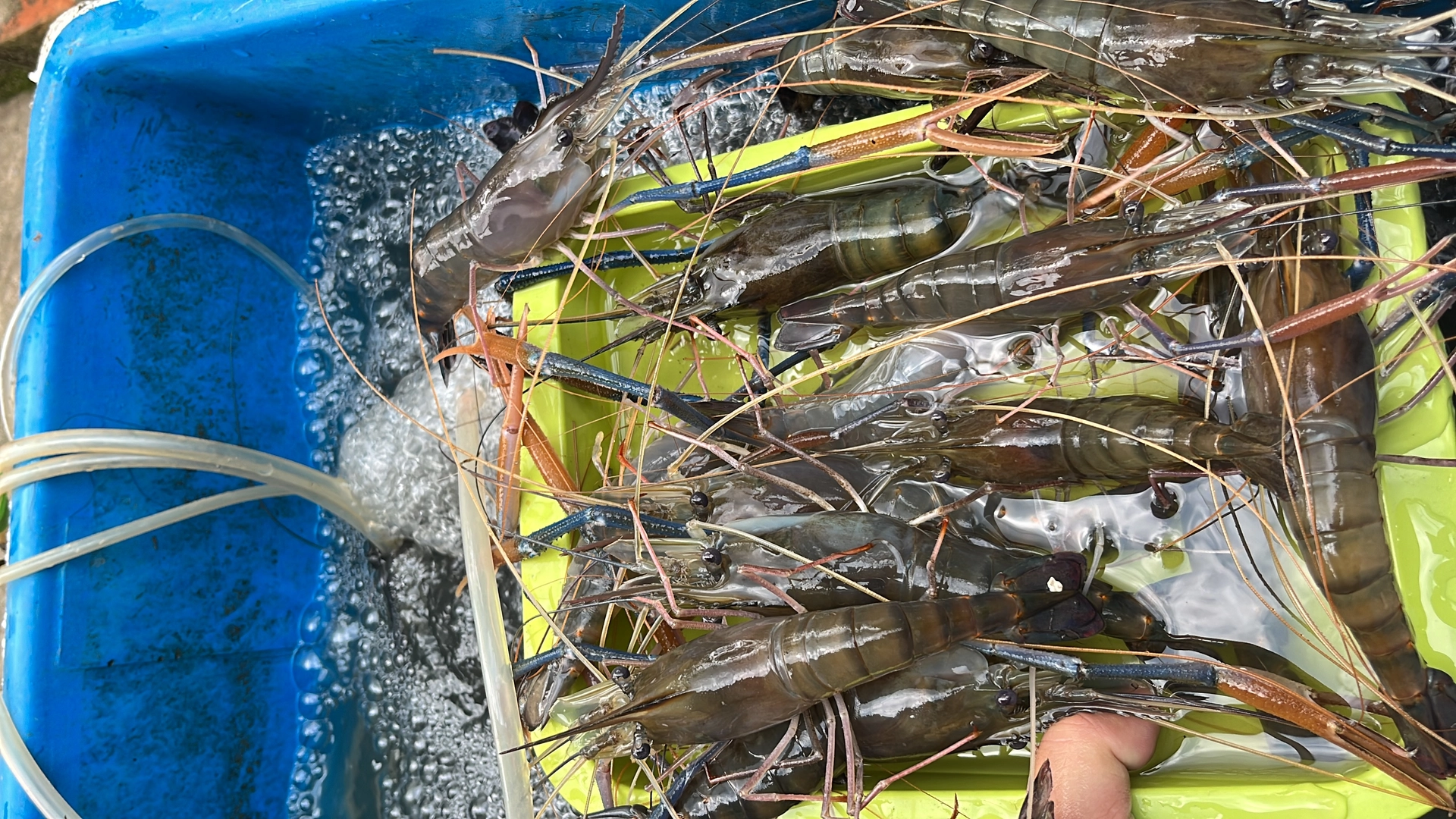
Mekong Giant Freshwater Prawn
Mekong Giant Freshwater Prawn
A river prawn with long blue claws and rich head fat, common in grilled prawn dishes and hotpot traditions across the Mekong basin.
Majestic blue-clawed warriors of the Mekong, famous for their rich, fatty heads and a savory depth that captures the essence of the delta's rivers.
Then there's the ubiquitous Whiteleg Shrimp, which, while farmed more widely across Vietnam and Asia, still benefits from the delta's infrastructure. In Vietnamese kitchens, it's the versatile workhorse, appearing in everything from vibrant stir-fries and comforting soups to delicate steamed dishes. Its milder flavor makes it an excellent canvas for the nuanced spice palettes of Vietnamese cuisine.
The cooking philosophy in the Mekong Delta often emphasizes freshness and subtlety. Steaming, grilling, and quick stir-fries are king, allowing the natural sweetness of the shrimp to take center stage, often enhanced by simple accompaniments like fresh herbs, chili, lime, and fragrant fish sauce.
2 Pakistan's Coastal Embrace: The Arabian Sea's Briny Kiss
Tracing Pakistan's coastline along the Arabian Sea, one discovers a deep-rooted seafood tradition, where shrimp and other marine life are central to coastal communities and their culinary identity. The waters here, while perhaps not as intricate as the Mekong's delta system, are rich and teeming with life, contributing to a distinct flavor profile that reflects the marine environment.
Pakistani shrimp, often caught from the waters off Sindh and Balochistan, tend to possess a more pronounced brininess, a robust flavor that stands up beautifully to the bold spices characteristic of the region's cuisine. Think of the zesty tang of lemon, the warmth of ginger and garlic, and the complex layers of masalas – these are the companions that elevate Pakistani shrimp.
While specific varietal names might not carry the same global recognition as Ca Mau's stars, the overall quality is high. The emphasis is often on freshness, with shrimp being a popular catch sold daily in bustling fish markets like those in Karachi. The preparation often involves robust curries, spicy fried preparations, or dishes where the shrimp absorb the full spectrum of indigenous spices, creating a flavor profile that is both comforting and exhilarating.
Arabian Sea Shrimp
Generally possesses a stronger, briny flavor, ideal for absorbing the rich spices of Pakistani cuisine.
Pakistani Coastal Cuisine
Characterized by aromatic spices, complex masalas, and a robust approach to seafood preparation.
The culinary logic in Pakistan often leans towards building layers of flavor. Shrimp might be marinated in yogurt and spices, simmered in a rich tomato-onion gravy, or flash-fried with a blend of cumin, coriander, and chili. This approach ensures that the shrimp, while central, is part of a grander, more complex flavor tapestry, a stark contrast to the more minimalist, ingredient-focused Vietnamese preparations.
3 The Flavor Spectrum: Mekong Estuary Sweetness vs. Arabian Sea Spice Logic
The most striking divergence lies in the flavor profiles. Vietnamese shrimp, particularly those from the Mekong Delta, champion a delicate, inherent sweetness. This is a flavor born from the interplay of freshwater and saltwater, the nutrient-rich mud, and often, a respectful, less intensive farming method. Dishes like simple steamed black tiger shrimp with a lime-salt dip, or grilled giant freshwater prawns, are designed to let this natural sweetness sing. The accompanying sauces are often bright and acidic – think chili-lime, or a light fish sauce dip – acting as enhancers rather than overpowering masks.
In contrast, Pakistani shrimp preparations often embrace a more assertive spice profile. The goal here is not just to complement the shrimp, but to integrate it into a symphony of aromatic spices. A Karachi-style prawn curry, for instance, will bathe the shrimp in a complex masala, where the shrimp's brininess becomes a counterpoint to the deep, earthy, and often fiery notes of the spice blend. The result is a dish that is rich, hearty, and deeply satisfying, a true reflection of the subcontinent's culinary heritage.
Key Difference:
- Vietnam (Mekong Delta): Focus on inherent sweetness, clean flavors, subtle enhancements, fresh herbs.
- Pakistan (Arabian Sea): Focus on integrating shrimp into bold, layered spice blends, robust marinades, and aromatic masalas.
4 Texture and Mouthfeel: Firm & Springy vs. Tender & Yielding
The textural experience also offers a fascinating comparison. The Ca Mau Black Tiger Shrimp, due to its mangrove environment and often less crowded farming conditions, tends to be exceptionally firm and springy. When cooked perfectly, it offers a satisfying "snap" with each bite. This firmness makes it ideal for quick cooking methods like grilling or stir-frying, where it retains its integrity.
Pakistani shrimp, while quality can vary, are often perceived as having a slightly more tender, yielding texture when prepared in traditional curries or slower-cooked dishes. The spices and gravies infuse the meat, making it incredibly succulent. It's a texture that lends itself to being spooned over rice or naan, providing a different, yet equally delightful, sensory experience.
Vietnamese Texture
Ca Mau Black Tiger Shrimp: Firm, springy, with a distinct "snap." Ideal for quick, clean preparations.
Mekong Delta Prawns
Giant Freshwater Prawns: Substantial, meaty, with rich, luscious head fat.
Pakistani Texture
Arabian Sea Shrimp: Often more tender and succulent when slow-cooked in curries, absorbing marinades beautifully.
5 Culinary Traditions & Market Expectations
In the Mekong Delta, the market expectation is often centered around freshness and size, with specific visual cues for premium shrimp like the Ca Mau Black Tiger. The emphasis is on the shrimp's natural appeal – its unblemished shell, its vibrant color, and its lively state. Cooking traditions are passed down through generations, valuing simplicity and highlighting the ingredient's inherent quality. This respect for the raw ingredient is a hallmark of Vietnamese gastronomy.
Conversely, in Pakistan's coastal areas, while freshness is paramount, the market also anticipates shrimp as a key component in richer, more elaborate dishes. The expectation is that the shrimp will hold up to intense spice marination and long cooking times, becoming a flavorful vehicle for traditional masalas. The visual appeal might be less about the shrimp's unadorned state and more about its integration into a vibrant, saucy dish.
Market & Cooking Philosophies:
- Mekong Delta: Freshness, natural sweetness, minimalist cooking, ingredient-focused.
- Pakistan: Freshness, robust spice integration, complex masalas, dish-focused.
6 A Journey for the Palate: Exploring Vietnam's Shrimp Culture
For anyone in Pakistan who appreciates the art of seafood, a trip to Vietnam, particularly the Mekong Delta, offers an unparalleled culinary pilgrimage. Imagine navigating the bustling floating markets of Can Tho, where shrimp are traded directly from boats, their shells gleaming under the tropical sun. Picture yourself sitting by a quiet canal in Soc Trang, savoring grilled Mekong Giant Freshwater Prawns seasoned simply with salt and pepper, the sweet head fat a pure indulgence.
The difference in preparation is not about superiority, but about divergent, yet equally valid, expressions of how to best honor the sea's bounty. While Pakistani cuisine excels at transforming shrimp into a richly spiced integral part of a meal, Vietnamese culture often places the shrimp itself on a pedestal, allowing its delicate sweetness and clean flavor to shine. This appreciation for terroir and subtle flavor is what makes the Mekong Delta’s shrimp culture so captivating.
Taste of Terroir
Experience shrimp that truly tastes of its environment – the mangroves, the river, the unique salinity of the Mekong estuary.
Minimalist Mastery
Learn how simple preparations can unlock the purest, sweetest flavors of premium shrimp.
7 Practical Considerations: What to Look For
When seeking out premium shrimp, whether in Vietnam or discerning markets abroad, understanding what defines quality is key. In Vietnam, for Ca Mau Black Tiger shrimp, look for:
- Appearance: A vibrant, dark shell with distinct stripes. The shell should be intact, not broken or discolored.
- Firmness: The shrimp should feel firm to the touch; avoid anything that feels mushy.
- Smell: A fresh, clean scent, reminiscent of the sea. Any strong "fishy" or ammonia-like odor is a red flag.
- Origin: Genuine Ca Mau shrimp often carries certifications or comes from reputable suppliers who can trace its origin.
For Pakistan, when purchasing shrimp for authentic regional dishes, consider:
- Size: Larger shrimp are often preferred for hearty curries and elaborate preparations.
- Freshness: As with any seafood, freshness is paramount. Eyes should be clear, and the shell firm.
- Intended Use: For curries, a slightly more tender shrimp might be ideal, while for grilling, a firmer variety is preferable.
Ultimately, both regions offer exceptional shrimp, but the distinct flavor profiles and culinary traditions mean they excel in different applications. Your preference will likely hinge on whether you crave the pure, unadulterated sweetness of the estuary or the robust, spice-infused embrace of the Arabian Sea.
8 Conclusion: A Global Shrimp Dialogue
The comparison between Vietnamese and Pakistani shrimp culture is not about declaring a winner, but about appreciating the diverse ways humanity connects with its aquatic resources. From the intricate mangrove farms of Ca Mau, yielding shrimp with the subtle sweetness of the delta, to the sun-drenched coasts of Pakistan, where shrimp are infused with the vibrant spirit of Arabian Sea spices, each offers a unique culinary narrative.
For the discerning palate, a journey across these two distinct seafood landscapes promises a richer understanding of shrimp's global journey. Whether you are drawn to the clean, natural sweetness of Vietnam’s Mekong Delta treasures or the bold, spice-laden richness of Pakistan’s coastal catch, the world of shrimp is a vast, delicious ocean waiting to be explored.
Your Next Culinary Adventure Awaits!
Discover the unique flavors of the Mekong Delta firsthand. Plan your taste exploration today!
Plan Your Trip