" We've all heard it: "Eat the shrimp shells, they're full of calcium!" It sounds logical. Shells are hard, bones are hard, therefore shells = strong bones. But in the world of nutrition, logic and science often diverge. "
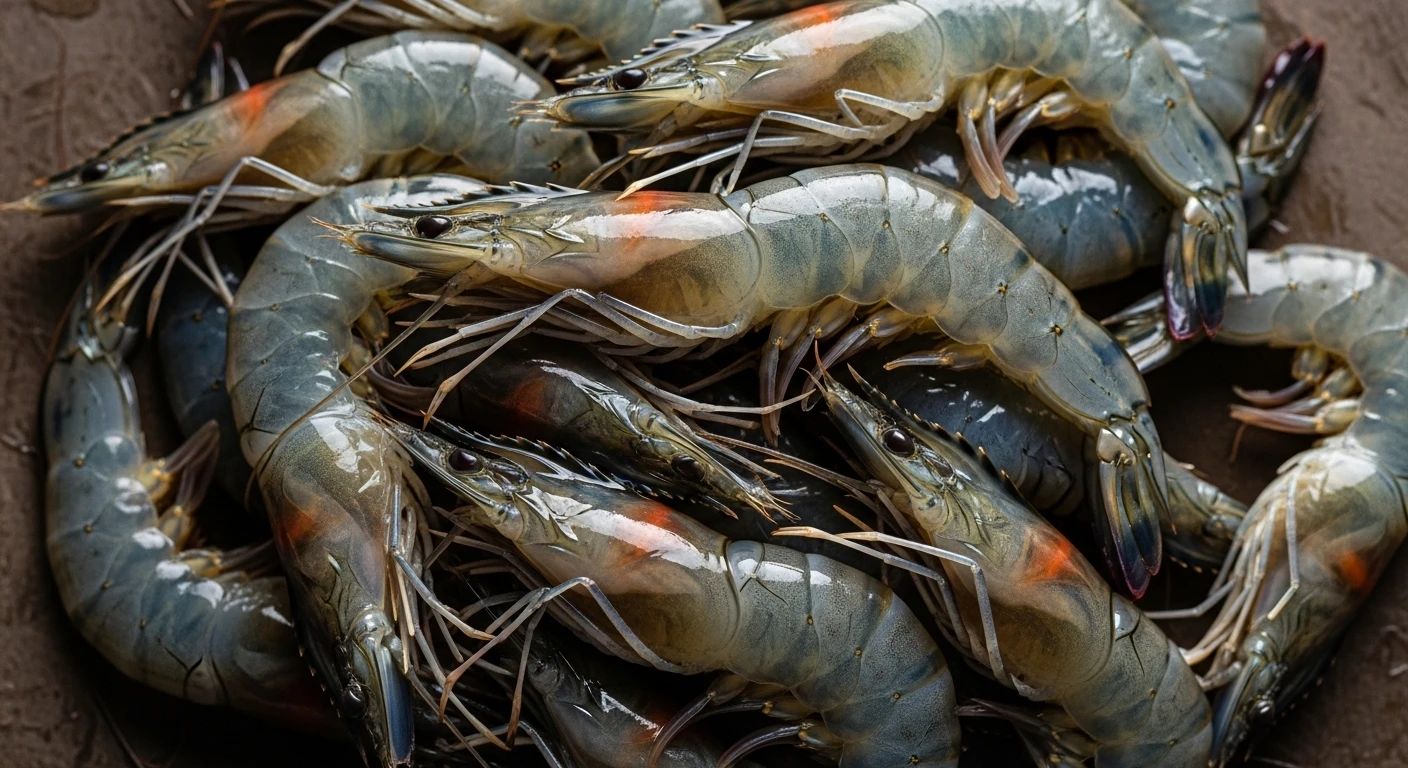
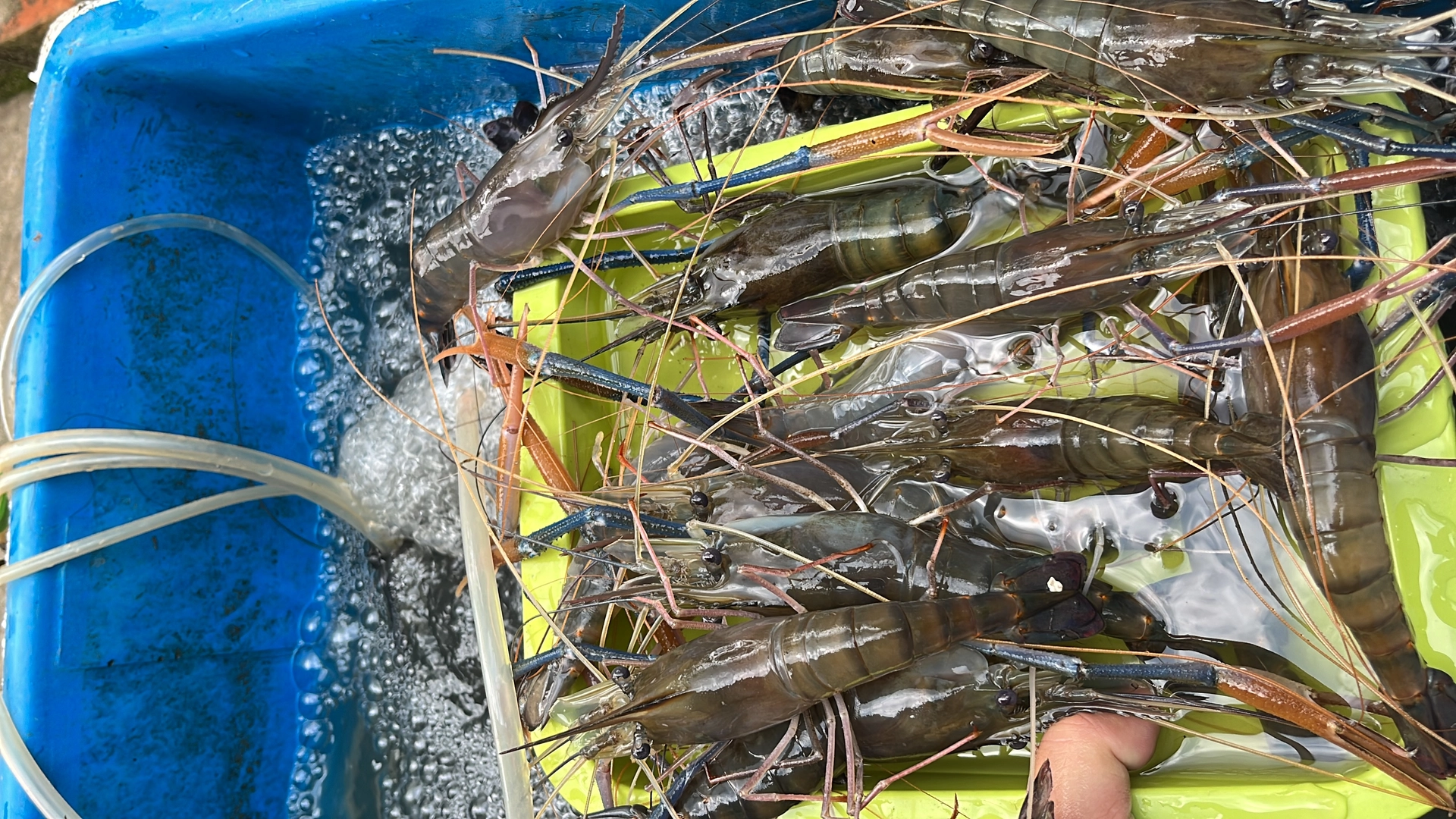
📸 Freshly caught Black Tiger Shrimp from Ca Mau, showcasing their natural shell structure.
1 From Mangrove Shores to Your Plate
The Mekong Delta, a labyrinth of rivers and canals in Southern Vietnam, is a powerhouse of aquaculture and wild-caught seafood. Places like Ca Mau, Vietnam's southernmost province, are renowned for their expansive mangrove forests that nurture some of the region's most prized crustaceans.
Here, livelihoods are intricately tied to the water. Generations have harvested shrimp and crabs from these nutrient-rich estuaries. The common shrimp species, such as the Black Tiger Shrimp (Penaeus monodon), are not just a dietary staple but a cornerstone of the local economy.
In these communities, every part of the catch is often utilized. While modern kitchens abroad might discard shells, traditional Southern Vietnamese cuisine sometimes incorporates them, not for calcium, but for flavor base or as part of fermented dishes. This deep connection to seafood underscores why understanding its nutritional profile, including what shells offer and what they don't, is so important.
2 Chitin vs. Calcium: A Hard Truth
Let's get down to brass tacks. Shrimp shells, along with crab shells and insect exoskeletons, are primarily composed of a substance called chitin. Chitin is a long-chain polymer of N-acetylglucosamine, a derivative of glucose. It provides structural support and protection.
What is Chitin?
Think of it as nature's tough plastic. It's abundant, forming the tough outer layers of many invertebrates. While it's a polysaccharide, it's not readily digestible by humans.
Calcium Content?
Yes, shrimp shells do contain calcium. However, it's bound within the chitin matrix. Furthermore, the human digestive system lacks the necessary enzymes (like chitinase in significant quantities) to efficiently break down chitin and liberate the calcium for absorption.
In essence, while there might be trace amounts of calcium, our bodies are not equipped to extract it effectively from this dense, fibrous material. Chewing them thoroughly (which is difficult and potentially damaging to teeth!) doesn't magically unlock the calcium.
Heritage Ingredient
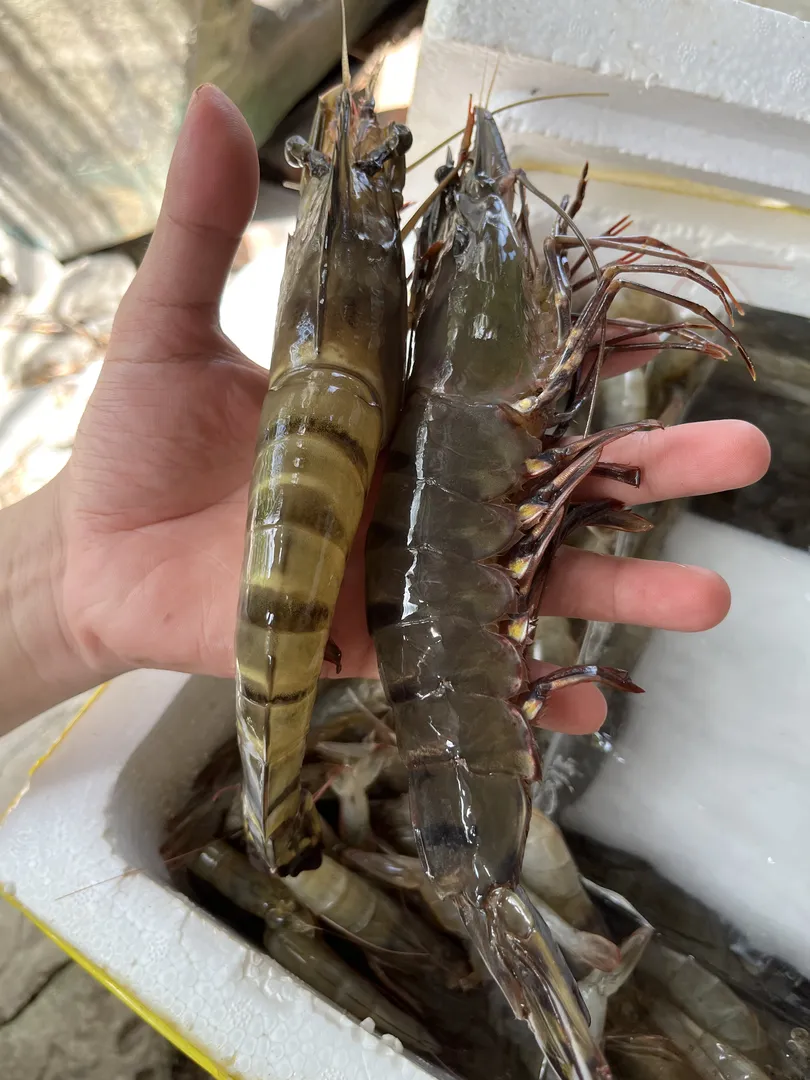
Ca Mau Black Tiger Shrimp
Ca Mau Black Tiger Shrimp
Large black tiger shrimp associated with mangrove aquaculture in Ca Mau, known for firm flesh and a cleaner, sweeter finish than intensively farmed shrimp.
Wild spirits of the mangroves, these black-banded gems deliver a firm, snappy texture and a sweetness that echoes the forest's vibrant life.
The calcium in your diet is best absorbed from sources like dairy products, leafy green vegetables (kale, broccoli), fortified foods, and certain fish bones (like sardines).
3 What Happens When You Eat Shells?
When you ingest chitin, it largely passes through your digestive system undigested. This is why it's often considered a form of dietary fiber. While fiber is beneficial for gut health, aiding in regularity and feeding beneficial gut bacteria, it doesn't directly contribute calcium to your bloodstream.
In larger quantities, or if not chewed thoroughly, indigestible shell fragments could potentially cause digestive discomfort. The human gut microbiome *can* ferment some forms of chitin, producing short-chain fatty acids, but this is a far cry from efficient calcium absorption.
Heritage Ingredient
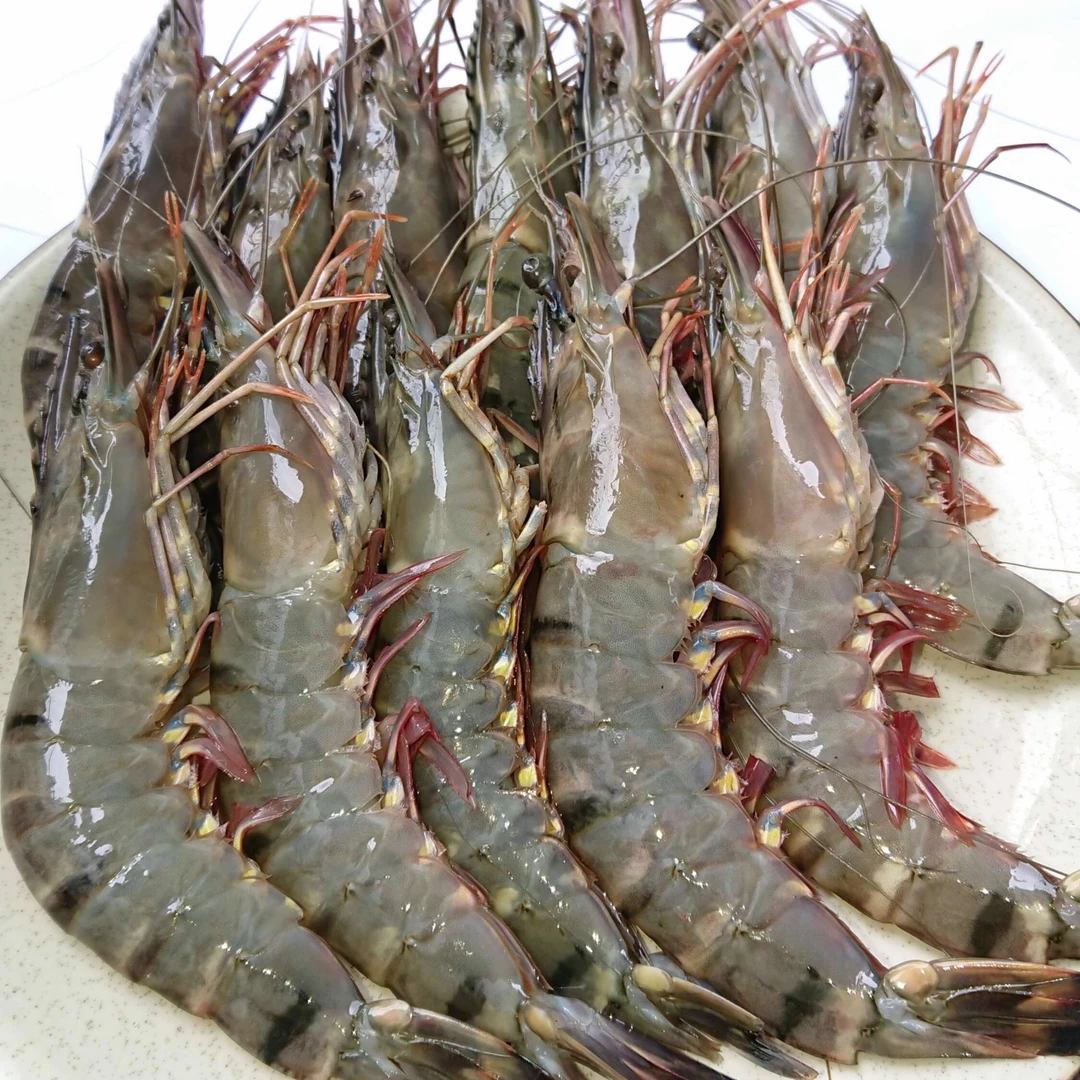
Whiteleg Shrimp
Whiteleg Shrimp
A widely used shrimp in Vietnamese home kitchens, suitable for stir-fries, soups, steamed dishes, and practical cooking articles that need a familiar shrimp reference.
Translucent jewels of the coast, thin-shelled and remarkably sweet, making every simple home meal feel like a seaside celebration.
The scientific consensus is clear: Relying on shrimp shells as a significant calcium source is a myth. The nutritional value lies in the meat itself.
4 Focus on the Meat: Where the Goodness Lies
The real nutritional star of the shrimp is, of course, the succulent meat. Shrimp are an excellent source of:
- Lean Protein: Essential for muscle repair, growth, and overall bodily function.
- Vitamins and Minerals: Rich in B vitamins (especially B12), selenium, and iodine.
- Astaxanthin: A potent antioxidant that gives shrimp their pink hue when cooked, and offers numerous health benefits.
- Omega-3 Fatty Acids: While not as high as fatty fish, shrimp contain beneficial omega-3s.
These nutrients are readily bioavailable, meaning your body can easily absorb and utilize them. This is where your focus should be when enjoying a plate of succulent Mekong Delta shrimp.
5 Beyond Shrimp Shells: A Glimpse into Local Delicacies
While shrimp shells are not a calcium goldmine, the Mekong Delta's rich aquatic life has inspired unique culinary traditions where shellfish play a starring role.
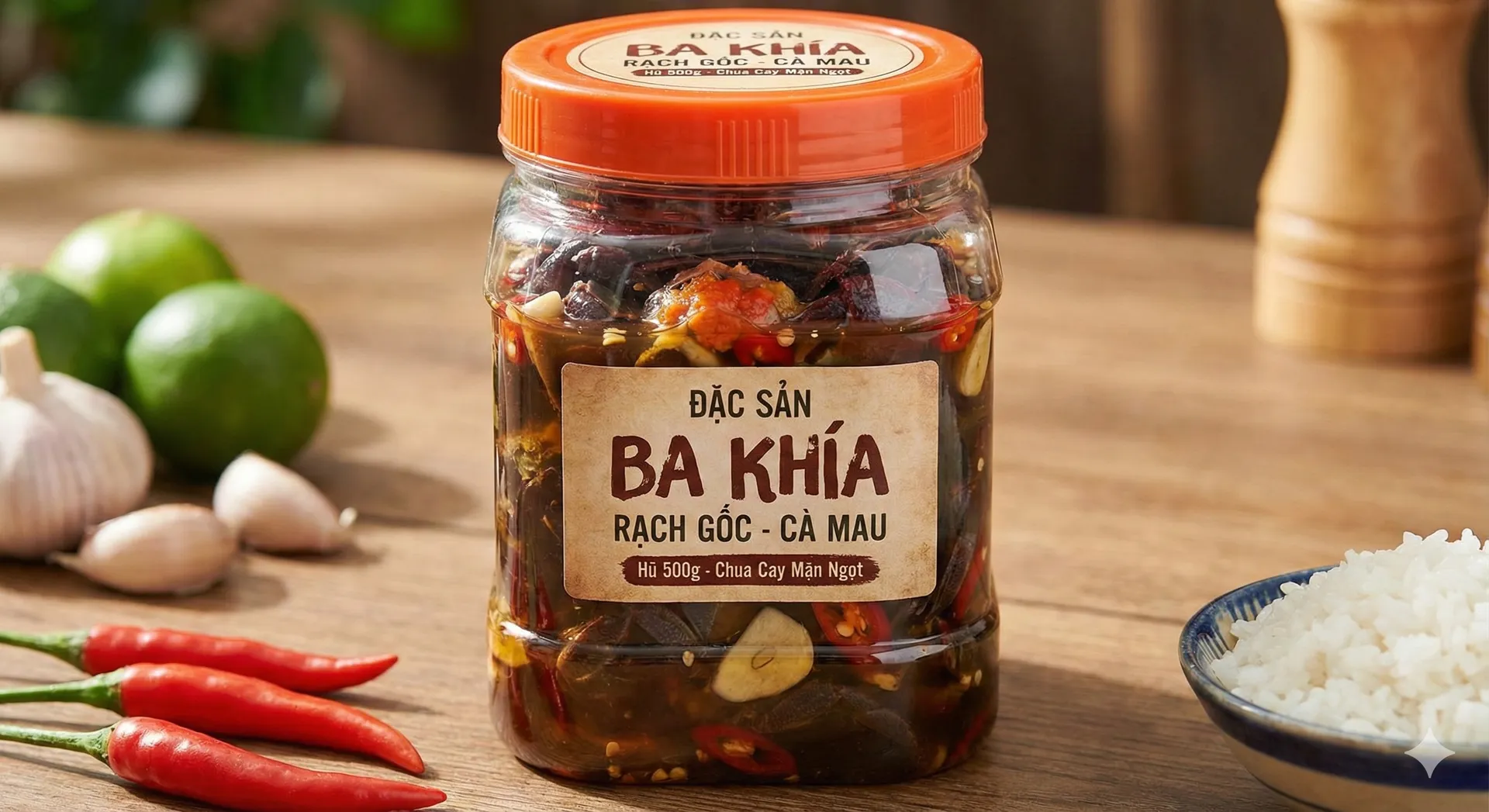
Fermented Crab (Ba Khia): In the mangrove regions, especially around Rach Goc, Ba Khia (fermented mangrove crab) is a potent, salty-sour delicacy. The shells themselves are not eaten, but the rich, briny sauce and the crab meat are savored with rice and fresh herbs. It's a testament to preserving local flavors.
Heritage Ingredient
Fermented Mangrove Crab (Ba Khia)
Fermented Mangrove Crab (Ba Khia)
A traditional fermented crab specialty from the mangrove region of Rach Goc, often cited in articles about rustic Mekong Delta flavors and preserved seafood culture.
The salty-sour heartbeat of the wild south, where traditional fermentation turns forest crabs into a nostalgic explosion of rustic Mekong soul.
Fermented Sour Shrimp (Mam Tom Chua): This is another unique preserve. Tiny river shrimp are fermented with garlic, chili, and sometimes shredded green papaya. The resulting paste is intensely flavorful and used as a condiment or dipping sauce, often with boiled pork and fresh vegetables. The shells are part of the fermentation process, contributing to the complex flavor, but are not typically consumed whole.

Heritage Ingredient
Fermented Sour Shrimp (Mekong Style)
Fermented Sour Shrimp (Mekong Style)
A Southern Vietnamese fermented shrimp preserve made with garlic, chili, and shredded green papaya, often served with boiled pork, rice paper, or plain rice.
A vibrant dance of flavors—sour, spicy, and sweet—where tender shrimp and crunchy papaya create a masterpiece of Southern preserved heritage.
These dishes highlight how the Mekong Delta utilizes its resources, focusing on fermentation and flavor development rather than trying to extract minerals from shells.
6 Where to *Actually* Get Your Calcium
For robust bone health, especially as we age, consistent intake of bioavailable calcium is crucial. Forget the shells; focus on these reliable sources:
- Dairy: Milk, yogurt, cheese are classic calcium powerhouses.
- Leafy Greens: Kale, bok choy, collard greens, spinach (though absorption can be affected by oxalates).
- Fortified Foods: Orange juice, plant-based milks (almond, soy), and cereals are often fortified.
- Fish with Edible Bones: Canned salmon and sardines (with bones) offer significant calcium.
- Nuts and Seeds: Almonds, sesame seeds, and chia seeds contribute.
- Supplements: For those with dietary restrictions or specific needs, calcium supplements can be an effective option, but consult a healthcare professional.
7 Chitin's Other Potential Roles
While not a direct source of calcium, chitin and its derivative, chitosan, have been studied for other potential health benefits. Chitosan, derived from chitin, is known for its potential in:
- Weight Management: Some research suggests it may bind to fat in the digestive tract, reducing absorption.
- Wound Healing: Its biocompatibility has led to research in medical applications.
- Cholesterol Reduction: Preliminary studies indicate a potential effect.
However, these are areas of ongoing scientific research, and consuming shrimp shells directly is not a proven method to achieve these benefits. The most straightforward and scientifically supported nutritional benefits come from consuming the shrimp meat itself.
8 The Mekong's Wisdom: Practicality Over Myths
The people of the Mekong Delta live by practicality and respect for nature's bounty. They understand the difference between what nourishes and what simply provides structure. While they might use shells for flavor in stocks or as part of traditional preserves, the idea of it being a primary calcium source would likely be met with a knowing smile.
So, next time you enjoy a plate of plump, sweet shrimp, savor the delicious meat. Appreciate the protective shell for what it is – a natural marvel of chitin – but don't rely on it for your bone health. For that, stick to the tried, tested, and scientifically backed sources.
Heritage Ingredient
Mekong Giant Freshwater Prawn
Mekong Giant Freshwater Prawn
A river prawn with long blue claws and rich head fat, common in grilled prawn dishes and hotpot traditions across the Mekong basin.
Majestic blue-clawed warriors of the Mekong, famous for their rich, fatty heads and a savory depth that captures the essence of the delta's rivers.
Explore Topics:
Dive Deeper into Health & Nutrition
View More Health & Nutrition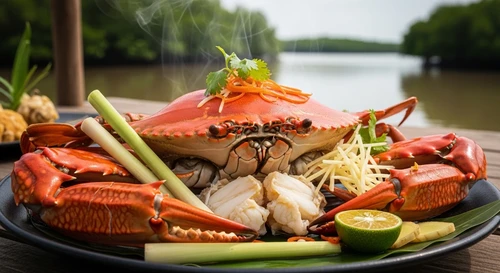
Iodine Source: Thyroid Health
Essential minerals found in sea crabs.
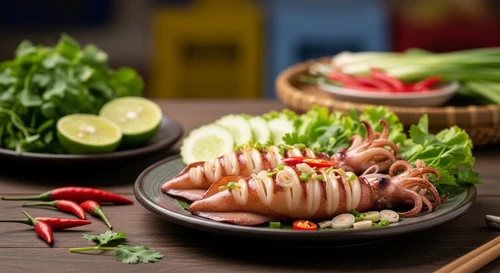
Surprising Truth: Does Eating Fresh Squid Increase Blood Cholesterol?
Many fear squid is high in cholesterol, but medicine shows that the Taurine in squid actually helps lower blood pressure effectively.
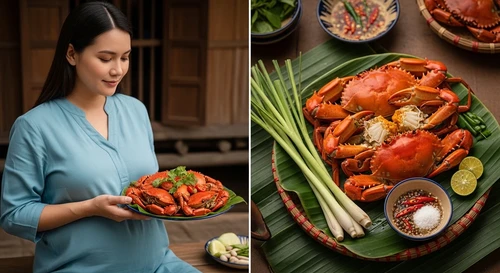
Can Pregnant Women Eat Vietnamese Mud Crabs Safely?
A medical perspective on consuming local crabs, omega-3 benefits, and proper cooking temperatures during pregnancy.
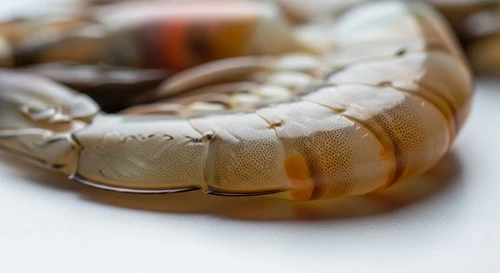
Why Does Your Body Break Out in Hives When Eating Shrimp Shells But Not the Meat?
The compound Chitin in shrimp shells reacts strongly with histamine antibodies in some people, causing localized skin allergies.
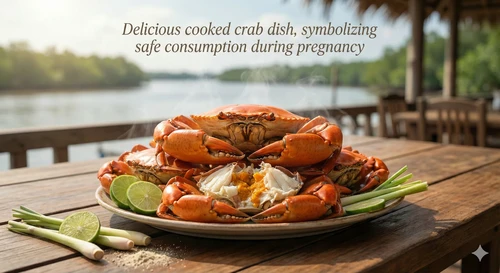
Is Crab Safe for Pregnant Women?
Guidelines for mercury levels and cooking safety.
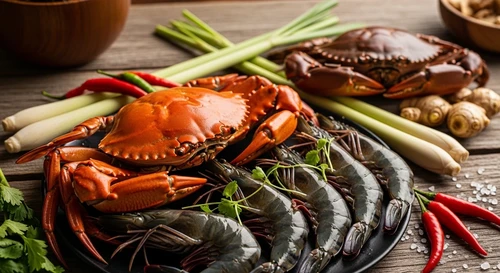
Does Eating Crab Cause Keloid Scars? Dermatologists Explain
Debunking the common Vietnamese myth that eating seafood after surgery or tattoos causes raised, itchy scars.
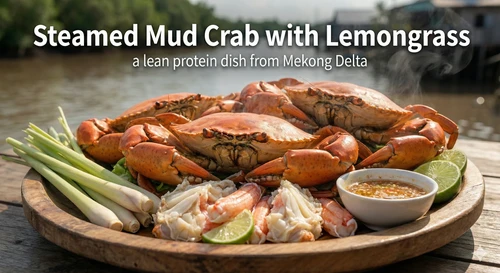
Body Hack: Eat Crab, Stay Snatched & Glowing
The truth about eating crab for weight loss. Scientific breakdown and a fancy 'Eat Clean' menu with Ca Mau Crab.
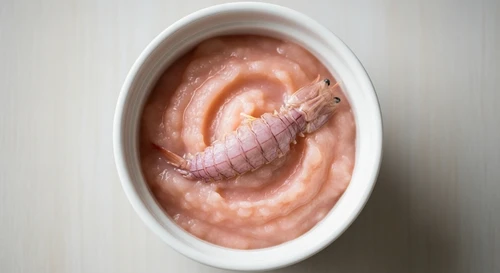
At What Age Can Babies Start Eating Mantis Shrimp?
A guide on how to extract and finely mash mantis shrimp meat for weaning porridge, providing DHA for babies from 8 months old.
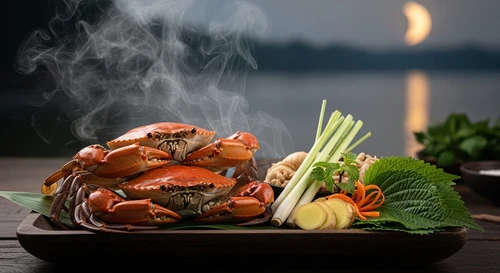
Why Does Eating Crabs at Night Often Cause Cold Stomachs and Diarrhea?
Eastern medicine explains that the 'cold' nature of seafood peaks at night. It's recommended to eat it with warming spices like garlic, ginger, and perilla.