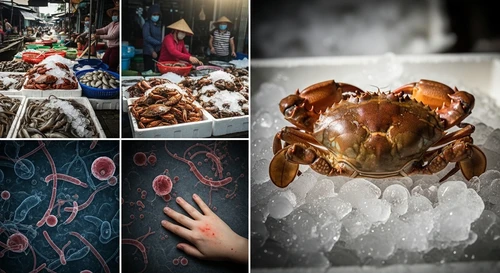
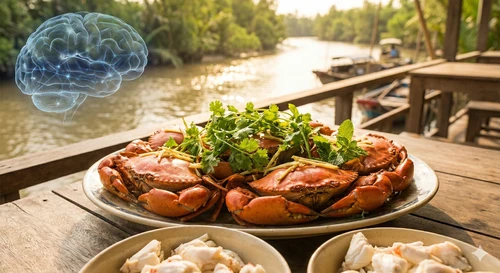
" In the sun-drenched, water-laced tapestry of the Mekong Delta, crab isn't just food; it's a way of life, a daily ritual from muddy banks to family tables. But when you're growing new life, the questions multiply. Can you still savor that sweet, succulent meat? Let's talk. "
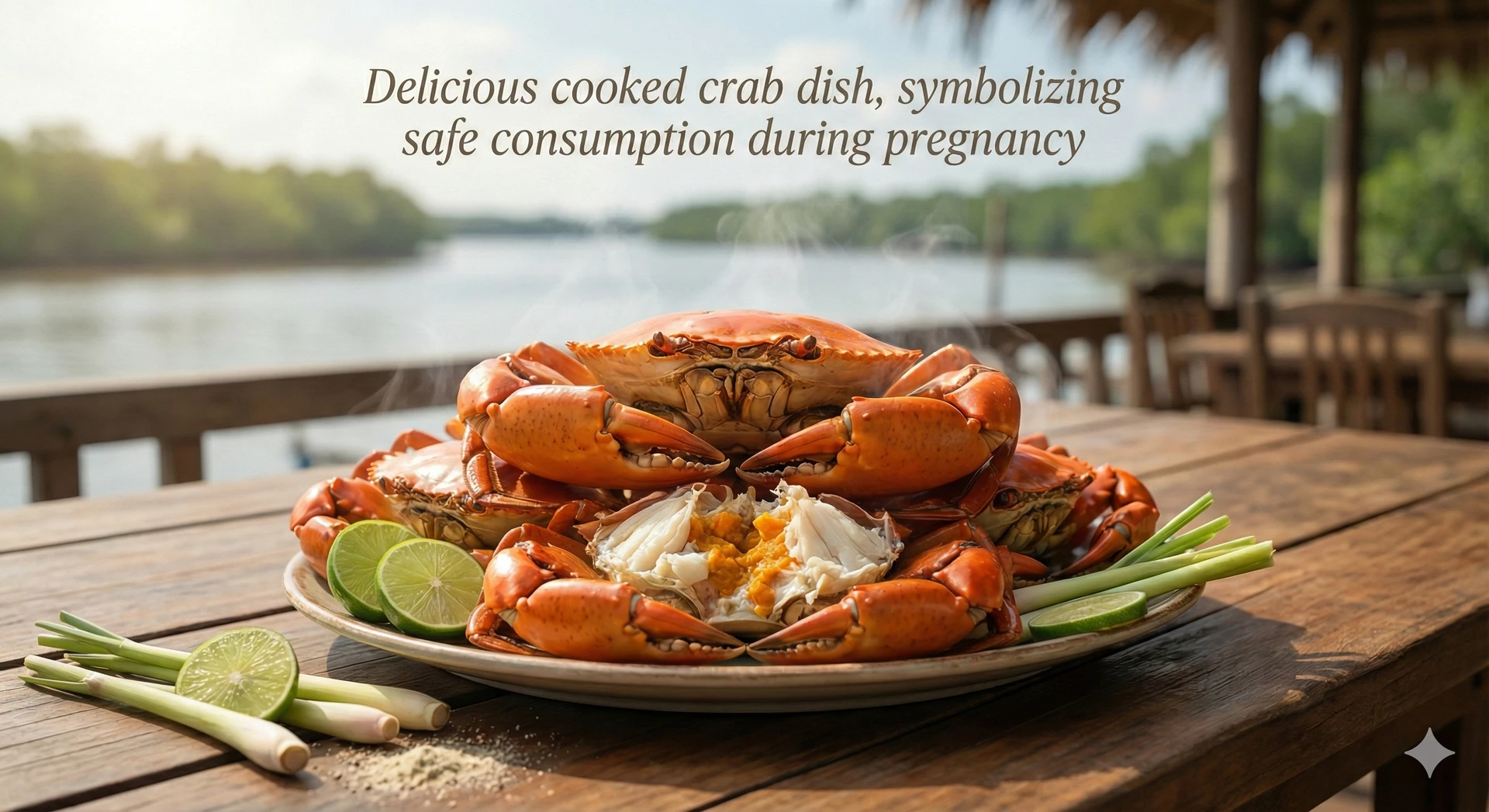
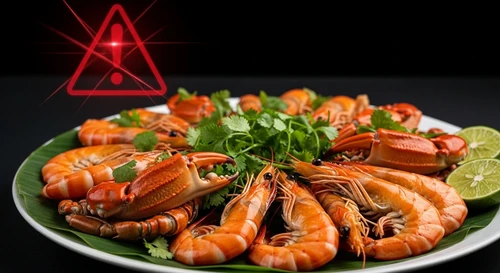
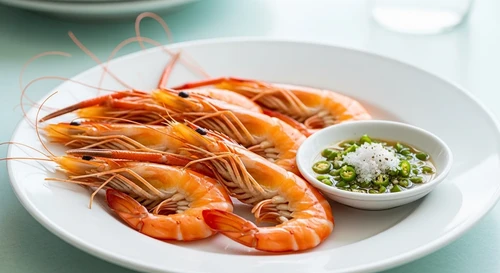
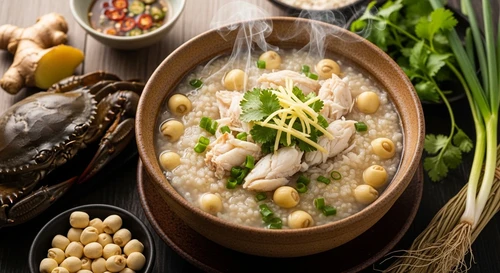
📸 The Mekong's bounty: fresh crab, safely prepared for every stage of life.
1 The Good News First: A Balanced Diet for Expectant Mothers
Let's cut to the chase: yes, crab can be safe for pregnant women. In fact, it's often a highly recommended seafood choice due to its nutritional profile and typically low mercury content. For generations, expectant mothers in the Mekong Delta have enjoyed the sweet, delicate meat of local crabs, a traditional source of vital nutrients.
During pregnancy, a nutrient-rich diet is paramount. Seafood, including crab, offers a treasure trove of benefits:
- Omega-3 Fatty Acids: Crucial for fetal brain and eye development.
- Protein: Essential for the growth of maternal and fetal tissues.
- Vitamins & Minerals: A good source of B vitamins, iron, zinc, and selenium, all vital for a healthy pregnancy.
However, "safe" doesn't mean "anything goes." It comes with important caveats regarding mercury levels and proper preparation. Understanding these guidelines is key to enjoying crab without worry.
2 Navigating the Murky Waters: Understanding Mercury in Seafood
The primary concern with seafood during pregnancy is often mercury, specifically methylmercury. This naturally occurring element can accumulate in fish and shellfish, and high levels can be harmful to a developing baby's nervous system.
The good news for crab lovers? Crab is generally considered a low-mercury seafood choice. Most varieties, especially popular species like blue crab, Dungeness crab, and snow crab, fall into the "best choices" category according to advisories from the FDA and EPA.
Why is crab typically lower in mercury? It often depends on their diet and position in the food chain. Crabs are scavengers and predators of smaller organisms, not large predatory fish that accumulate mercury over a long lifespan. This dietary difference significantly impacts their mercury content.
3 Beyond the Shell: Choosing the Right Crab Species
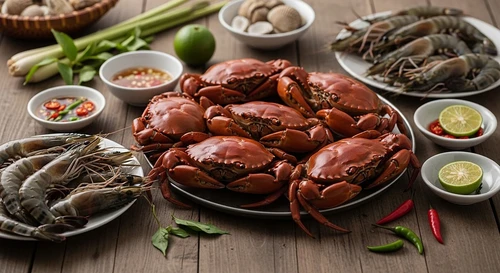
While most crabs are low in mercury, it's helpful to know which varieties are commonly available and safe. In the Mekong Delta, you'll primarily encounter magnificent mud crabs and blue crabs, often caught fresh from the rivers and estuaries.
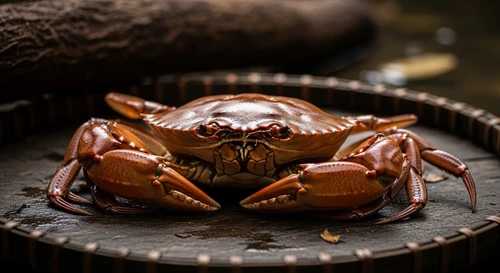
Mud Crab (Cua Bể / Cua Đồng)
The king of the Delta, known for its robust flavor and firm, sweet meat. Found in brackish waters and rice paddies. Very low mercury levels make it an excellent choice.
Blue Crab
Smaller but incredibly sweet, these crabs are popular for steaming and in soups. Also categorized as very low in mercury, making them safe for moderate consumption.
Other common varieties found globally, like Dungeness, Snow, and King Crab, are also typically low in mercury. The key is to stick to these generally recognized safe options and avoid unknown or rare varieties that might have different feeding habits.
4 The Art of the Cook: Ensuring Culinary Safety
Beyond mercury, the most crucial safety aspect for pregnant women is proper cooking. Raw or undercooked seafood can harbor bacteria (like Listeria or Vibrio) and parasites that pose serious risks to both mother and baby.
Cooking Methods & Doneness:
- Steam, Boil, Grill: These methods are best. Steam crab until the shell turns bright orange-red and the meat is opaque and flaky. Boiling achieves the same.
- Internal Temperature: Seafood should be cooked to an internal temperature of 145°F (63°C). While you won't use a thermometer on individual crab pieces, visual cues are generally reliable.
- No Raw or Partially Cooked: This means no crab sushi, no raw crab salads, and no dishes where crab is merely "marinated" without heat.
Cross-contamination is another silent threat. Always use separate cutting boards and utensils for raw crab (if you're cleaning it yourself) and cooked food. Wash hands thoroughly with soap and water after handling raw seafood.
5 From River to Plate: Sourcing for Peace of Mind
The Mekong Delta thrives on its incredible freshness, a quality that is paramount when selecting seafood for expectant mothers. A fresh crab is a safe crab.
What to Look For:
- Live & Active: If buying whole crab, it should be alive and moving. Dead crabs deteriorate quickly and can harbor bacteria.
- No Off Odor: Fresh crab should smell subtly briny, like the ocean, not overwhelmingly "fishy" or ammonia-like.
- Reputable Sellers: Purchase from trusted fishmongers, markets, or restaurants with a high turnover of seafood. This ensures freshness and proper handling.
- Frozen Crab (Pre-cooked): If fresh isn't an option, pre-cooked and frozen crab meat (from a reputable brand) can be a safe alternative. Ensure it's fully thawed in the refrigerator before use and consumed promptly.
Avoid any crab that looks bruised, damaged, or has a strong, unpleasant smell. When in doubt, pass it by. Your peace of mind is worth more than a questionable meal.
Savoring the Delta's Bounty: How to Enjoy Crab Responsibly 🦀
Now that we've covered the crucial safety aspects, let's talk about the joy of eating crab! Responsible consumption during pregnancy means balancing pleasure with prudence.
Portion Sizes
Aim for 2-3 servings (approximately 8-12 ounces total) of low-mercury seafood per week. This allows you to reap the nutritional benefits without over-exposure.
Pairing & Preparation
Simple preparations are often best. Steamed crab with a squeeze of lime and a dash of salt and pepper allows the crab's natural sweetness to shine. Avoid heavy, creamy sauces which can mask freshness.
Watch for Allergies
If you have a seafood allergy, pregnancy is not the time to challenge it. Even if you haven't had issues before, discuss any new food introductions with your doctor.
Hydration
Crab can be salty. Ensure you're drinking plenty of water, especially during pregnancy, to stay hydrated and manage any potential fluid retention.
7 The Mekong Embrace: A Culinary Journey Beyond the Plate
The Mekong Delta, with its labyrinthine waterways and fertile lands, offers an unparalleled bounty. Food here isn't just sustenance; it's a celebration, a connection to the land and the river. Eating crab in this region is to partake in a culinary heritage steeped in tradition and freshness.
For local mothers-to-be, these traditions are often adapted with a knowing hand. Grandmothers advise on the freshest catches, the most meticulous cooking, and the perfect balance of flavors. It’s a collective wisdom passed down through generations, ensuring that the joy of food is shared safely, even during the most delicate times.
So, when you consider that succulent Mekong crab, remember it's more than just a meal. It's a taste of a vibrant culture, a connection to a rich ecosystem, and with the right knowledge, a perfectly safe and beneficial addition to your pregnancy diet.
8 Conclusion: Feast with Confidence (and Caution)
To recap, the answer to "Is crab safe for pregnant women?" is a resounding yes, with sensible precautions. Crab offers invaluable nutrients for both you and your developing baby, making it a wonderful addition to a balanced pregnancy diet.
Remember these key takeaways:
- Choose low-mercury varieties like blue crab, Dungeness, snow, or the mud crabs of the Mekong.
- Always ensure crab is thoroughly cooked until opaque and flaky.
- Avoid raw or undercooked crab products.
- Source from reputable vendors and prioritize live, fresh crab.
- Limit servings to 2-3 per week (8-12 ounces total).
- Steer clear of the tomalley (crab fat) to be extra safe.
Armed with this knowledge, you can confidently enjoy the exquisite flavors of crab, knowing you're making informed choices for your health and the well-being of your little one. The Mekong's culinary wonders await, safely and deliciously.
More Pregnancy Health Tips?
Navigating pregnancy can be overwhelming. Find more reliable guides for a healthy and joyful journey.
💖 Explore Our Health Guides