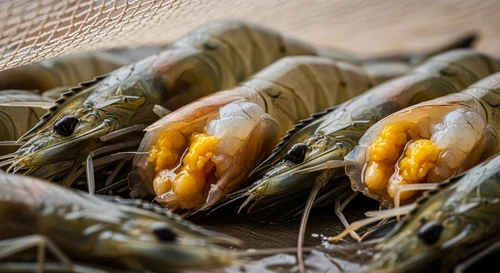
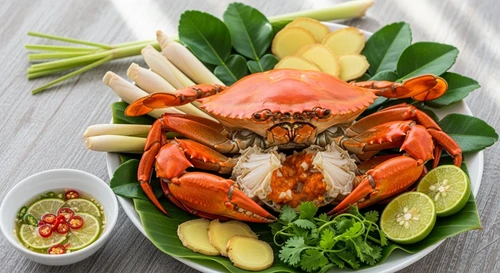
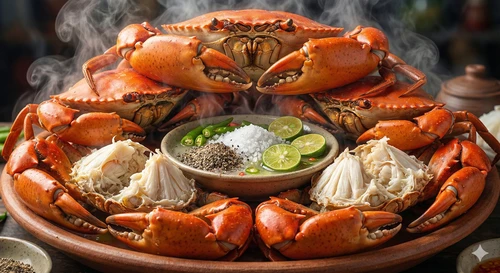
" In the heart of the Mekong Delta, life pulses with the rhythm of the river, offering up a bounty that has sustained generations. For many, the sight of fresh prawns grilled over charcoal, or a succulent mud crab steamed with lemongrass, is the essence of paradise. But for a distinct few, this culinary dream can swiftly turn into a waking nightmare. "
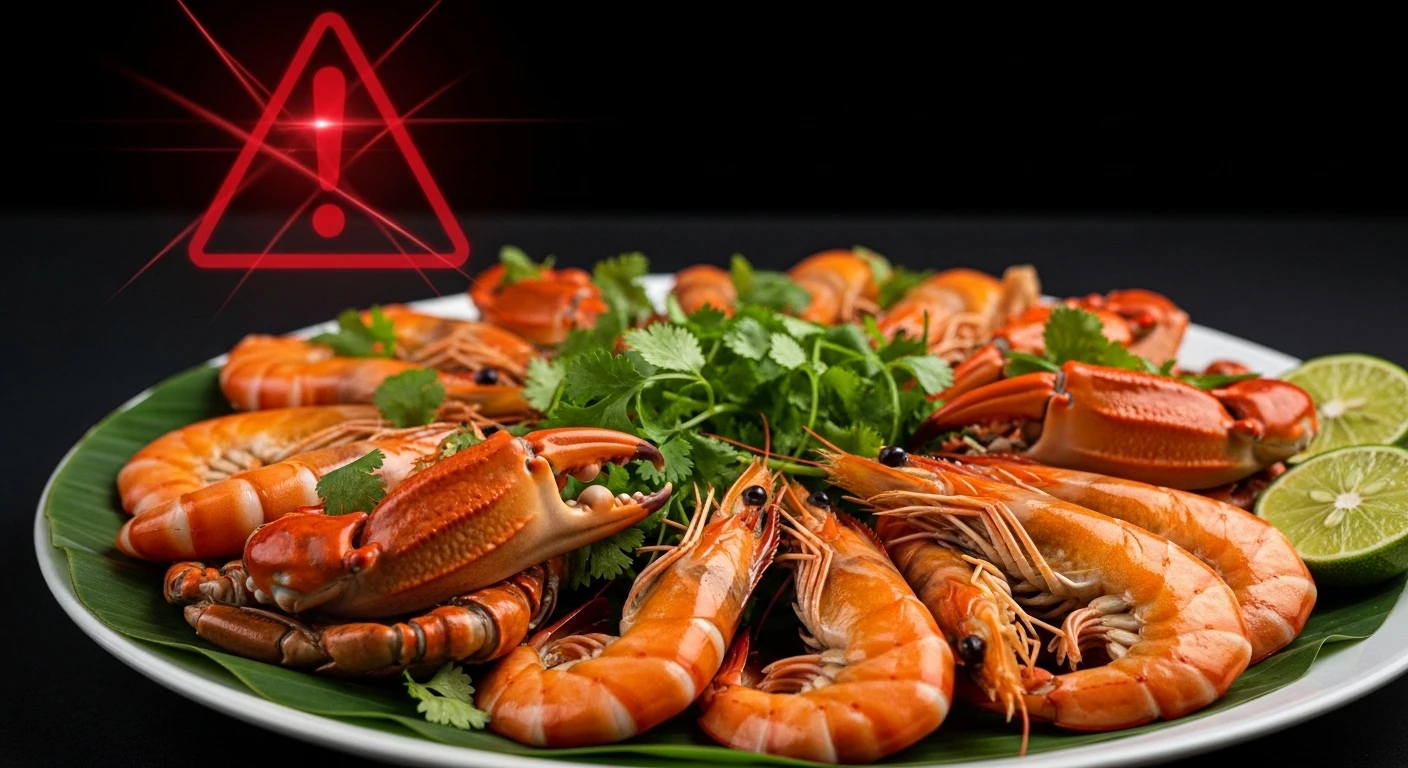
📸 A feast for the eyes, but for some, a potential hazard. Always be vigilant.
1 The Uninvited Guest at the Feast: Understanding Shellfish Allergy
Shellfish allergy is one of the most common food allergies in adults, and it's particularly pertinent in regions like the Mekong Delta, where crustacean and mollusk dishes are staples. Unlike some allergies that children might outgrow, shellfish allergies often develop in adulthood and tend to be lifelong.
It's an immune system overreaction to certain proteins found in shellfish. Your body mistakenly identifies these harmless proteins as a threat, triggering a defensive response that can range from mild discomfort to a life-threatening emergency. The primary culprits are typically:
- Crustaceans: shrimp, crab, lobster, crayfish, prawns.
- Mollusks: clams, mussels, oysters, scallops, squid (calamari), octopus.
It's crucial to understand that an allergy to one type of shellfish, particularly crustaceans, often means an allergy to all crustaceans. Mollusk allergies can sometimes be more specific, but cross-reactivity is still a significant concern. Always err on the side of caution.
2 Your Body's Whispers: Mild to Moderate Warning Signs
Often, the first signs of a shellfish allergy are subtle, easily dismissed as something else. But in the vibrant, humid embrace of the Mekong, where every meal is an adventure, it's vital to listen closely to your body's initial warnings. These symptoms typically appear within minutes to an hour after consumption.
Skin Reactions
- Hives (Urticaria): Itchy, red bumps or welts on the skin.
- Eczema (Atopic Dermatitis): Red, scaly, very itchy rash.
- Flushing: A sudden reddening of the face and upper body.
- Itching: Generalized itchiness, especially on the palms, soles, or scalp.
Digestive Distress
- Nausea: Feeling sick to your stomach.
- Vomiting: Expelling stomach contents.
- Diarrhea: Loose, watery stools.
- Abdominal pain: Cramping or discomfort in the stomach area.
Oral & Facial Symptoms
- Tingling or itching in the mouth.
- Swelling of the lips, face, tongue, or throat (angioedema).
Respiratory Issues (Mild)
- Nasal congestion or runny nose.
- Sneezing.
- Mild wheezing or coughing.
Note: Even seemingly mild symptoms should not be ignored, as they can sometimes progress to more severe reactions.
3 The Roar of Anaphylaxis: When to Act Immediately
Anaphylaxis is a severe, potentially life-threatening allergic reaction that requires immediate medical attention. It's a rapid, systemic response that can affect multiple body systems simultaneously. When you encounter these signs, particularly after eating shellfish, it's an undeniable signal for emergency action.
Key Signs of Anaphylaxis:
Respiratory Distress
- Difficulty breathing: Shortness of breath, rapid breathing, gasping.
- Wheezing or noisy breathing: A high-pitched whistling sound.
- Swelling of the throat: Feeling of a lump in the throat, hoarseness, difficulty swallowing.
Circulatory Collapse
- Dizziness or lightheadedness.
- Fainting or sudden weakness.
- Rapid, weak pulse.
- Drop in blood pressure.
Other Severe Symptoms
- Widespread hives or redness: Covering large areas of the body.
- Sudden anxiety or sense of impending doom.
- Confusion.
If you observe any of these symptoms, especially a combination, consider it a medical emergency.
4 Crucial Seconds: Your Action Plan
Knowing what to do in the event of an allergic reaction to shellfish can literally save a life. Preparation and quick thinking are your best allies.
Administer Epinephrine (if available)
If you carry an epinephrine auto-injector (e.g., EpiPen), administer it immediately at the first sign of a severe reaction. Don't hesitate. It's designed to counteract anaphylaxis.
Call Emergency Services
Even if you've used epinephrine and symptoms seem to improve, call local emergency services (e.g., 911 in the US, 115 in Vietnam) immediately. A second reaction (biphasic reaction) can occur.
Position the Person
If the person is conscious and breathing, have them lie on their back with legs elevated. If they are vomiting, turn them on their side. If pregnant, turn them on their left side.
Stay Calm and Reassure
Your calm demeanor can greatly help the affected person. Reassure them that help is on the way and stay with them until medical professionals arrive.
Remember: Timely action is paramount in an anaphylactic emergency.
Beyond the Catch: Unexpected Shellfish Traps 🎣
The obvious plate of grilled prawns is easy to avoid. But the Mekong's culinary landscape, rich and complex, holds hidden dangers for those with shellfish allergies. Cross-contamination and unexpected ingredients are silent threats.
Cross-Contamination
- Shared Fryers & Grills: Restaurants might cook shellfish and non-shellfish items on the same surfaces or in the same oil.
- Utensils & Cutting Boards: Even clean utensils or boards can transfer proteins if used for both.
- Food Prep Areas: Shellfish particles can easily spread in busy kitchens, especially in street food stalls where space is limited.
Hidden Ingredients & Derivatives
- Fish Sauce (Nước Mắm): While usually made from anchovies (fish), some regional variations or brands might include other shellfish or processing aids. Always check.
- Shrimp Paste (Mắm Tôm): A potent, fermented condiment widely used, almost certainly a no-go.
- Flavor Enhancers: Some broth bases or seasoning powders might contain dried shellfish extracts.
- Crab/Shrimp Stock: Used in soups (like Bún Riêu or Bánh Canh) for depth of flavor.
- Chitosan: A derivative from shellfish commonly used in dietary supplements, wound dressings, and even some wine fining processes.
Always ask, always clarify. When in doubt, leave it out.
6 Navigating the Delta's Waters: Prevention and Preparedness
For those with shellfish allergies, exploring the culinary wonders of the Mekong Delta requires a proactive approach. It's not about fear, but about respectful caution and meticulous planning.
- Consult Your Doctor: Before traveling, discuss your allergy with your doctor. Ensure you have an updated epinephrine auto-injector prescription and understand how to use it.
- Carry an Allergy Chef Card: Have a clearly printed card in Vietnamese (and English) explaining your severe allergy to shellfish, emphasizing the danger of cross-contamination. Show this to servers, chefs, and even street vendors.
- Learn Key Phrases: Know how to say "I am allergic to shellfish (shrimp, crab, etc.)" and "Does this contain shellfish?" in Vietnamese.
- Be Vigilant at Restaurants: Stick to reputable establishments when possible. Communicate clearly about your allergy. Don't be shy about asking questions.
- Choose Safer Dishes: Opt for dishes that are naturally less likely to contain shellfish or be cross-contaminated. For example, fresh fruit, plain rice, or dishes made with chicken or pork that are clearly separate from seafood preparations.
- Travel with Snacks: Always have safe snacks on hand, especially for long journeys or when dining options are limited.
- Inform Travel Companions: Make sure anyone you're traveling with is aware of your allergy, your emergency plan, and how to administer your epinephrine.
Preparedness doesn't just prevent reactions; it grants you the confidence to truly experience the world.
A Lifetime of Layers: Managing a Shellfish Allergy 🛡️
Living with a shellfish allergy is a continuous process of learning and adaptation. It's not just about avoiding a single food; it's about understanding your body, your environment, and making informed choices daily.
Regular Medical Check-ups
- Regular visits to an allergist can help you stay informed about the latest research and management strategies.
- Discuss any new symptoms or concerns.
- Ensure your epinephrine auto-injector is always current and properly stored.
Education and Advocacy
- Educate yourself and your family about the allergy.
- Advocate for yourself in social settings and when dining out. Don't be afraid to speak up.
- Stay updated on food labeling laws, especially if purchasing imported products.
An allergy doesn't define you, but understanding and managing it empowers you.
8 Embracing the Journey, Safely: Conclusion
The Mekong Delta, with its labyrinthine waterways and vibrant culinary traditions, calls to every traveler's soul. For those with shellfish allergies, the journey is simply layered with an additional, albeit critical, dimension of awareness. This isn't about letting fear dictate your adventures, but about equipping yourself with the knowledge and tools to navigate its wonders safely.
By understanding the signs of a shellfish allergy – from the mildest whispers to the loudest roars of anaphylaxis – and by being prepared, you can still immerse yourself in the rich tapestry of global flavors. It's a commitment to self-care, a testament to resilience, and ultimately, a way to ensure that your travels remain filled with joy, discovery, and unforgettable, safe culinary experiences.
Stay informed. Stay safe. Keep exploring.
Explore More Health Topics
Understanding your health is key to enjoying your travels. Dive deeper into essential health and safety guides.
🩺 View All Health Guides