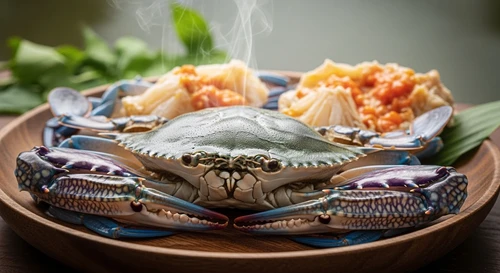
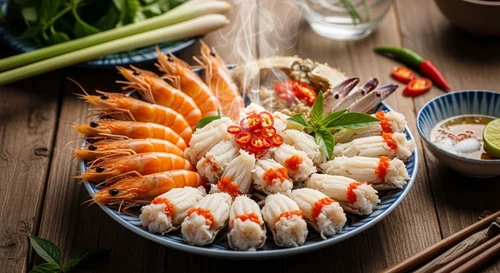
" There's a subtle alchemy happening in the brackish waters where the Mekong kisses the sea. It's not just about flavor; it's about life, vitality, and the uncelebrated powerhouse that is the sea crab. This isn't just a meal; it's a dose of natural medicine. "
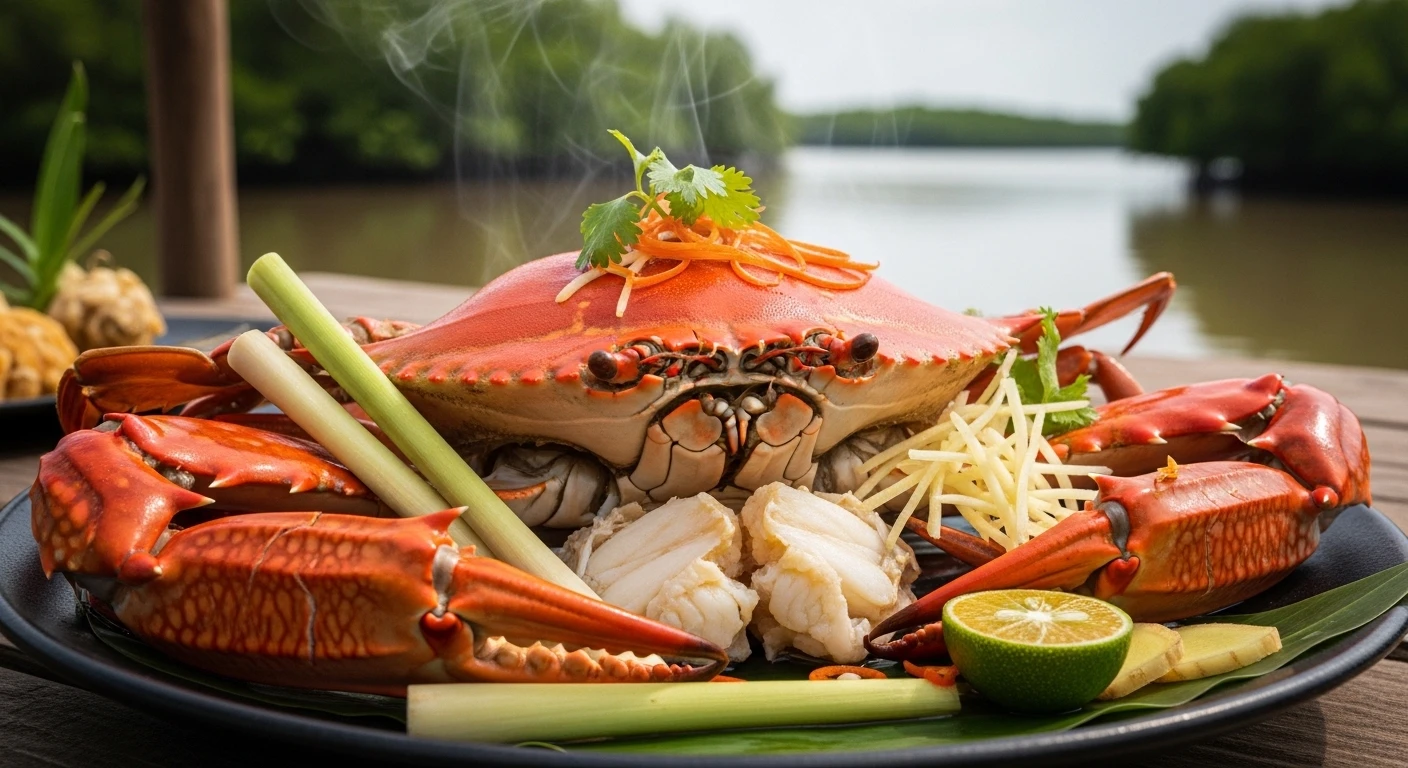
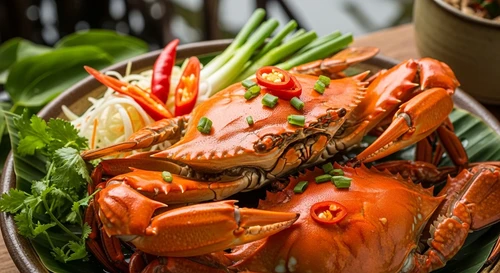
📸 The Mekong's bounty: A sea crab, vibrant and ready to nourish.
1 The Delta's Unseen Bounty: More Than Just Flavor
The Mekong Delta, a labyrinth of rivers, canals, and emerald-green rice paddies, is a place of profound culinary delights. From steaming bowls of Banh Canh to vibrant fresh spring rolls, the region's food scene is an ode to freshness and flavor. But beneath the surface, in the brackish waters where river meets sea, lies a humble hero whose impact extends far beyond the palate: the sea crab. While often celebrated for its sweet, tender meat, this crustacean holds a secret that is vital for our health, especially for a small, butterfly-shaped gland in our neck: the thyroid.
For centuries, local fishermen and coastal communities have intuitively known the power of the sea's harvest. Now, modern science confirms what generations of wisdom have understood – that the sea crab is not just a delicacy, but a potent source of essential nutrients, specifically iodine, a mineral often overlooked yet indispensable for our well-being.
2 The Silent Maestro: Understanding Your Thyroid and Iodine's Role
Imagine a tiny orchestra conductor working tirelessly behind the scenes, orchestrating everything from your metabolism and energy levels to your body temperature and mood. That's your thyroid gland. This remarkable gland produces hormones (primarily T3 and T4) that regulate nearly every cell in your body. Without it functioning optimally, you might experience fatigue, weight changes, mood swings, and a host of other issues.
And what is the vital instrument this maestro needs to perform its symphony? Iodine. This essential trace mineral is the raw material for thyroid hormones. Without sufficient iodine, the thyroid simply cannot produce enough T3 and T4, leading to a condition known as hypothyroidism. While iodine deficiency might seem like a relic of the past in some parts of the world (thanks to iodized salt), it remains a significant global health concern, particularly in regions where access to iodine-rich foods is limited.
This is where the Mekong Delta's sea crabs emerge as true champions. They offer a natural, delicious, and highly bioavailable source of this crucial mineral, reconnecting us to ancient wisdom and the powerful healing properties of the ocean.
3 From Mud Flats to Majesty: The Mekong Delta's Crabs
The Mekong Delta, particularly provinces like Ca Mau, is renowned for its rich aquaculture and pristine coastal areas. Here, the unique ecosystem of mangroves, estuaries, and mudflats provides an ideal habitat for a variety of crustaceans, with the sea crab reigning supreme. Varieties like the Mud Crab (often referred to as green mud crab) and the Blue Swimmer Crab thrive in these nutrient-rich waters.
Imagine a morning in Ca Mau: the air thick with humidity, the scent of salt and earth, and the rhythmic chug of small fishing boats heading out to check their traps. These crabs are often caught using traditional methods, ensuring their freshness and the sustainability of the local fishery. They live a wild, active life, burrowing in the soft mud, feeding on small organisms, and absorbing the very essence of their marine environment. This lifestyle, coupled with the mineral-rich waters of the delta, contributes directly to their exceptional nutritional profile.
When you hold a live Mekong Delta sea crab – heavy, feisty, and often speckled with the mud of its home – you're not just holding a potential meal. You're holding a piece of the delta's soul, a testament to its vibrant ecosystem, and a natural package of health benefits.
4 Nature's Goldmine: Why Sea Crabs are Iodine Powerhouses
So, what makes these Mekong Delta sea crabs such exceptional sources of iodine? It all comes down to their diet and environment. As bottom-dwellers in a marine ecosystem, crabs consume a variety of small sea creatures and algae, many of which naturally concentrate iodine from the seawater. This iodine then accumulates in their tissues, making their meat a rich source for us.
Compared to land-based foods, seafood, especially shellfish and certain fish, are consistently the best natural sources of iodine. While iodized salt offers a processed solution, consuming iodine from whole foods like sea crabs provides it in a complex matrix of other nutrients, enhancing its absorption and utilization by the body. A single serving of crab can provide a significant portion of the recommended daily intake of iodine, making it an incredibly efficient way to support thyroid health.
Did You Know?
The iodine content in seafood can vary based on species, geographic location, and season. Crabs from coastal regions like the Mekong Delta, known for their abundant marine life, tend to be particularly rich.
5 Beyond Iodine: A Symphony of Essential Minerals
While iodine is the star of the show for thyroid health, sea crabs are far from a one-trick pony. They are a treasure trove of other vital nutrients that contribute to overall well-being:
- Selenium: This powerful antioxidant works synergistically with iodine, protecting the thyroid gland from oxidative damage and assisting in the conversion of T4 to the active T3 hormone.
- Zinc: Crucial for immune function, wound healing, and DNA synthesis, zinc also plays a role in thyroid hormone metabolism.
- Vitamin B12: Often found deficient in individuals with thyroid issues, B12 is essential for nerve function, red blood cell formation, and energy production.
- Omega-3 Fatty Acids: While not as high as fatty fish, crabs do contain beneficial Omega-3s, known for their anti-inflammatory properties and support for brain and heart health.
- Copper & Phosphorus: Important for bone health, energy production, and the formation of connective tissue.
Eating sea crab, therefore, isn't just about topping up your iodine levels; it's about embracing a holistic approach to nutrition, where a single, delicious ingredient provides a broad spectrum of nutrients your body craves.
6 The Art of Simplicity: Celebrating the Crab's Pure Essence
When you have an ingredient as pristine and naturally flavorful as a fresh Mekong Delta sea crab, the best approach is often the simplest. Overpowering sauces and heavy preparations only detract from its delicate sweetness and inherent goodness. The goal is to preserve its nutritional integrity while allowing its true taste to shine.
In Vietnam, this philosophy is deeply ingrained. Common preparations for sea crab include:
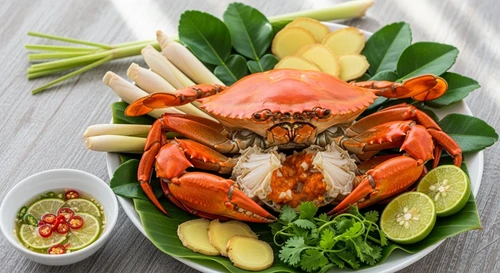
- Steamed (Hấp): Often with a touch of lemongrass and ginger, or even coconut water, this method gently cooks the crab, locking in moisture and flavor without adding unhealthy fats. The steam permeates the shell, cooking the meat to perfect tenderness. This is arguably the purest, healthiest way to enjoy crab, and ensures maximum retention of minerals like iodine.
- Grilled (Nướng): A quick char over an open flame imparts a smoky aroma while keeping the meat juicy. Minimal seasoning is needed, perhaps just a sprinkle of salt and pepper.
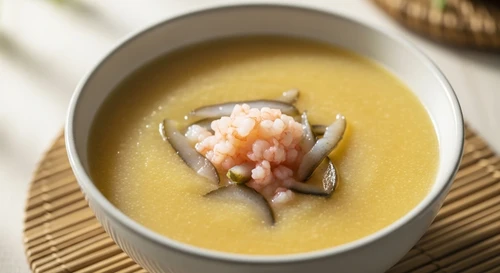
- Congee (Cháo Cua): For a comforting and incredibly nourishing meal, crab meat is often simmered in a rice porridge, creating a restorative dish perfect for any time of day.
The beauty lies in the respect for the ingredient. No deep-frying, no heavy cream sauces – just pure, unadulterated crab, delivering both exquisite taste and potent health benefits.
7 Sourcing Sustainably: Eating with Conscience in the Delta
As a journalist passionate about both food and the environment, I must emphasize the importance of sustainable sourcing. The Mekong Delta is a fragile ecosystem, and the health of its waters directly impacts the quality of its seafood, including our iodine-rich crabs. Supporting local communities that practice responsible fishing and aquaculture is paramount.
Many crab farmers and fishermen in the delta understand the delicate balance of their environment. They use traditional methods, avoid destructive practices, and often participate in integrated farming systems that benefit the entire ecosystem. When you choose to consume crabs sourced from such regions, you're not just making a healthy choice for yourself; you're also contributing to the livelihood of these communities and the preservation of a precious natural habitat. Look for reputable suppliers or, even better, seek out direct-from-fishermen options when traveling in the region.
8 Bringing the Delta Home: Tips for Selecting and Enjoying Crab
Whether you're visiting the Mekong Delta or looking for quality seafood in your local market, here’s how to ensure you get the best, most iodine-rich sea crabs:
- Go Live or Go Home: For optimal flavor and texture, always choose live crabs. They should be active and heavy for their size, indicating a good amount of meat.
- Check the Shell: A firm, intact shell indicates a healthy crab. Avoid crabs with soft or damaged shells.
- Source Matters: If possible, ask about the origin of the crabs. Crabs from coastal regions with clean waters are preferable.
- Simple is Best: To maximize nutritional benefits and enjoy the crab's natural taste, opt for steaming or light grilling. Serve with a simple dip of lime juice, salt, and pepper (muối tiêu chanh) for an authentic Vietnamese experience.
- Don't Waste a Drop: The delicious juices released during steaming or grilling are packed with flavor and minerals. Don't let them go to waste!
Embracing sea crab as a part of a balanced diet is an effortless way to boost your iodine intake and support your thyroid, all while indulging in one of the ocean's most delectable offerings.
9 A Culinary Journey for Your Health: The Mekong's Promise
My journeys through the Mekong Delta are always an education. Each taste, each encounter, reveals another layer of this region's profound connection to its land and sea. The sea crab, with its unassuming appearance and powerful nutritional punch, is a perfect embodiment of this.
It's a reminder that sometimes, the most sophisticated solutions for our health are found not in laboratories, but in the raw, honest bounty of nature. So, the next time you encounter a fresh sea crab, remember its story: from the rich mud flats of the Mekong to your plate, it carries the essence of vitality, a delicious ally for your thyroid health, and a true taste of Vietnam's endless wonders. Seek it out, savor it, and let the delta's secret nourish your soul.
Common Questions About Iodine & Crabs
🌊 Is all seafood a good source of iodine?
🦀 How much crab should I eat for iodine benefits?
🧐 Are there any risks with consuming too much iodine?
Explore More Delta Delights!
The Mekong Delta is a powerhouse of healthy, delicious food. Discover another one of its nutritional treasures.
🌿 Discover Moringa, Vietnam's Superfood!