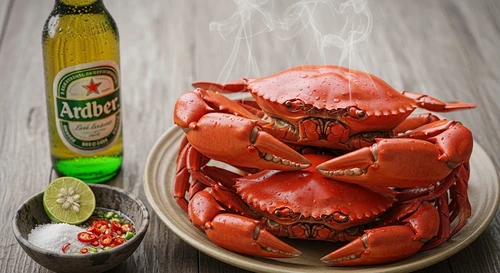
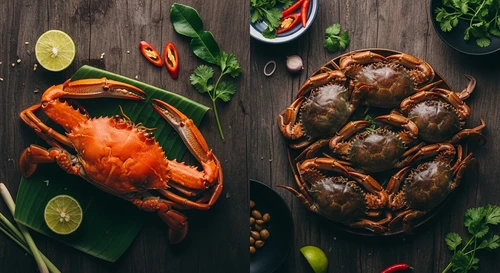
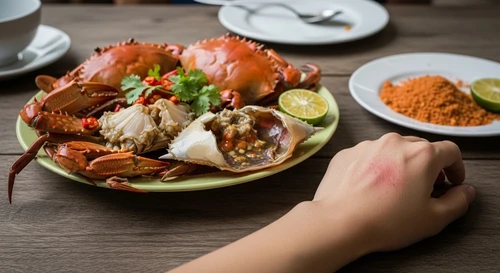
" Imagine a sweltering morning in a bustling Mekong Delta market. The air thick with the scent of spices, muddy river, and something undeniably fresh. Your eyes dart between two glistening contenders: the hard-shelled monarch of the water, the crab, and the plump, feathered champion of the land, the chicken. Which one beckons not just your palate, but your principles of healthy eating? "
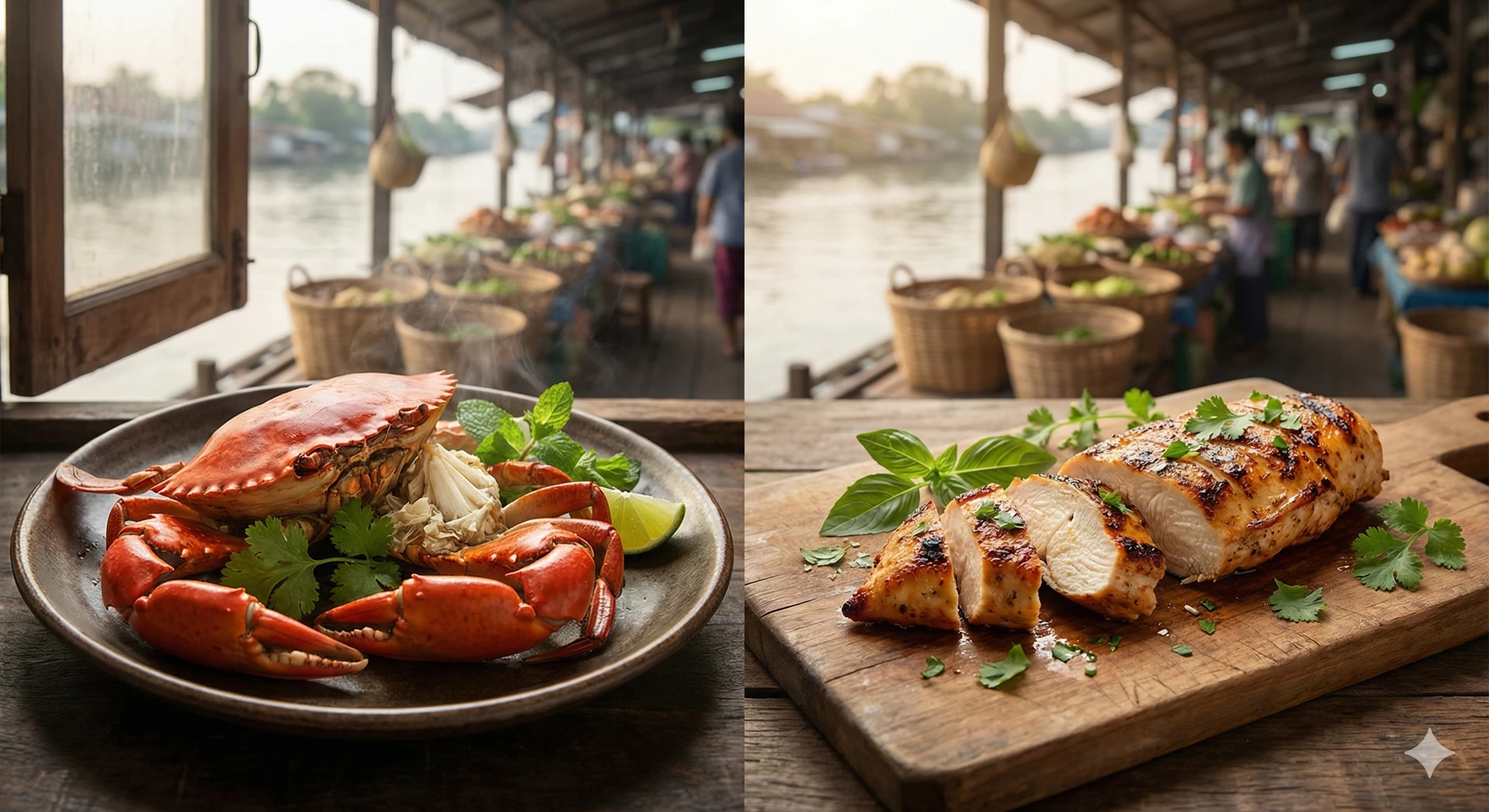
📸 A clash of titans: The vibrant red of crab meets the golden crisp of chicken.
1 The Delta Dilemma: A Culinary Crossroads
The Mekong Delta, a verdant labyrinth of rivers, rice paddies, and mangrove forests, is a land of abundance. Its culinary identity is forged from its fertile soil and teeming waterways. Here, food is not merely sustenance; it's a way of life, a reflection of the environment, and a celebration of community. As a visitor, you're constantly presented with choices, each more tempting than the last. But for the health-conscious traveler, a fundamental question often arises: what is the best choice?
We're not talking about some ephemeral fad diet. This is about making informed decisions within a vibrant food culture where fresh ingredients are king. Today, we put two of the Delta's most beloved protein sources head-to-head: the majestic crab, plucked from brackish waters, and the ubiquitous chicken, raised on lush farmlands. Let the lean protein battle commence.
2 From Mudflats to Markets: The Mekong's Protein Powerhouses
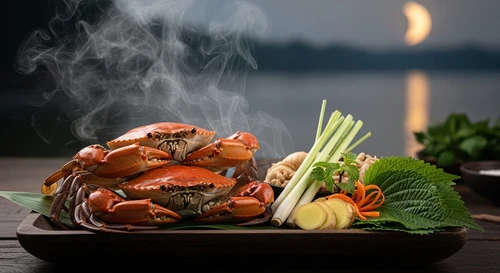
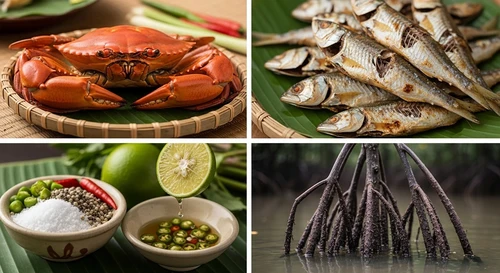
The Mekong Delta is synonymous with seafood. Crabs, particularly mud crabs and blue swimmer crabs, are a cornerstone of the regional diet. Imagine fishermen in small wooden boats, their nets brimming with the day's catch, brought directly to shore, still wriggling. This freshness is unparalleled, forming the basis for countless dishes from simple steamed preparations to complex curries.
Chicken, on the other hand, is the universal protein. In the Delta, you'll find free-range birds, their meat lean and flavorful from a life spent foraging. Whether it's grilled, stewed, or stir-fried, chicken offers a comforting familiarity, a versatile canvas for the region's aromatic herbs and spices. Both are pillars, but they bring different nutritional profiles to the table.
3 Round One: The Nutritional Knockout - Crab's Corner
Let's crack open the facts about our shelled champion. Crab meat is a remarkable source of high-quality protein, essential for muscle repair and growth, without a hefty fat load.
- Lean Protein Powerhouse: A typical serving (about 3 ounces or 85g) offers around 16-20 grams of protein with minimal fat.
- Rich in Omega-3 Fatty Acids: Crab contains beneficial Omega-3s, particularly EPA and DHA, known for their anti-inflammatory properties and support for heart and brain health. This is a significant advantage over many land animals.
- Mineral Treasure Chest: It's packed with selenium, which acts as a powerful antioxidant, and zinc, vital for immune function. You'll also find a good dose of copper, phosphorus, and vitamin B12.
- Lower Calorie Count: Generally, crab meat is lower in calories compared to many cuts of chicken, especially if you're comparing breast meat to leg meat.
The "Cholesterol Myth": While crab is higher in dietary cholesterol than chicken breast, research suggests that dietary cholesterol has less impact on blood cholesterol levels than saturated and trans fats for most people. Crab is low in saturated fat, making it a heart-healthy choice when prepared simply.
4 Round Two: The Featherweight Fighter - Chicken's Counter
Now, let's turn our attention to the feathered contender. Chicken, particularly skinless breast, has long been a go-to for bodybuilders and health gurus alike, and for good reason.
- Unbeatable Lean Protein: Skinless chicken breast is arguably one of the leanest protein sources available, providing around 25-30 grams of protein per 3-ounce serving with very little fat.
- Low in Saturated Fat: It's notably low in saturated fat, making it a strong contender for cardiovascular health.
- Rich in Niacin and Vitamin B6: Chicken is an excellent source of B vitamins, crucial for energy metabolism and nervous system health.
- Accessible & Versatile: From a global perspective, chicken is more readily available and often more affordable than fresh crab, making it a practical protein for daily consumption.
The "Cut" Factor: The nutritional profile of chicken varies significantly with the cut. Chicken thighs and drumsticks, especially with skin, will have higher fat and calorie counts than breast meat. For the leanest option, stick to skinless breast.
5 Beyond the Numbers: Omega-3s, Minerals, and the Hidden Truths
While both proteins excel in their own right, a closer look reveals some nuances. Crab's clear advantage lies in its Omega-3 fatty acid content. These are crucial fats that our bodies cannot produce, offering protective benefits against heart disease, stroke, and possibly even some cancers. Chicken, while healthy, doesn't offer these specific fatty acids in significant amounts.
On the mineral front, both offer essential micronutrients. Crab shines with selenium and zinc, both powerful immune boosters. Chicken delivers ample amounts of phosphorus and B vitamins, vital for bone health and cellular function. The choice here often comes down to what specific nutritional gaps you might be looking to fill in your diet.
My Delta Observation:
"In the Delta, they don't count macros; they eat what the land and river provide. The wisdom isn't in rigid rules, but in balance and variety. One day, a hearty chicken stew. The next, delicate steamed crab. It's an intuitive approach to health that we often lose in our modern, data-driven diets."
6 The Flavor Factor & The Frying Pan: Cooking Methods Matter
Here's the critical caveat: nutritional benefits can be heavily altered by cooking methods. A beautifully lean crab can become a caloric bomb when deep-fried or drowned in rich coconut cream and butter. Similarly, a healthy chicken breast can lose its advantage when coated in batter and fried, or simmered in a heavy, oily sauce.
Healthy Crab Preparations:
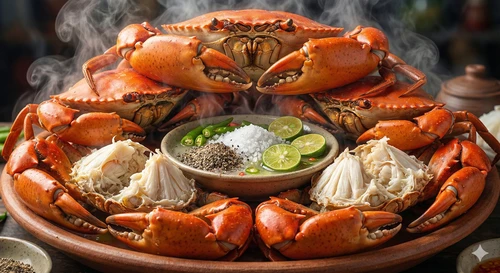
- Steamed Crab (Cua Hấp): Often with beer and lemongrass. This method preserves the natural sweetness and nutrients with minimal added fat.
- Grilled Crab (Cua Nướng): Lightly seasoned and grilled, offering a smoky flavor without heavy oils.
- Crab Soup (Súp Cua): A light broth-based soup with shredded crab meat.
Healthy Chicken Preparations:
- Boiled Chicken (Gà Luộc): A traditional staple, often served with a ginger-fish sauce dip.
- Grilled Chicken (Gà Nướng): Marinated with herbs and spices, then grilled to perfection.
- Chicken Salad (Gỏi Gà): Shredded chicken mixed with fresh herbs, vegetables, and a light dressing.
The Mekong Delta offers plenty of healthy preparations for both. When in doubt, opt for steaming, boiling, or grilling to truly appreciate the ingredient's natural health benefits.
7 Sustainability & Sourcing: The True Health of Your Plate
Beyond the individual nutrient profile, there's a larger picture to consider: where does your food come from, and how was it produced? In the Mekong Delta, a region deeply intertwined with its natural resources, sustainability is inherently part of the conversation, even if not explicitly labeled.
Crab: Local crabs are often caught using traditional, small-scale methods, which can be more sustainable than industrial fishing. However, overfishing and habitat destruction (like mangrove clearing) are growing concerns. Opting for locally caught, seasonal crab supports local communities and can reduce the environmental footprint.
Chicken: Many chickens in the Delta are free-range or backyard-raised, meaning they have a more natural diet and lifestyle compared to factory-farmed birds. This not only contributes to better animal welfare but can also result in meat with a superior flavor and potentially different nutritional content (e.g., higher Omega-3s in pasture-raised chicken, though less than crab).
The healthiest choice isn't just about calories, but also about the ecosystem it supports and the journey it took to reach your plate. In the Delta, asking about the origin of your seafood or poultry is a respectful way to engage with the local food culture.
8 The Verdict: No One-Size-Fits-All, Just Delicious Wisdom
So, who wins the battle of the lean proteins in the Mekong Delta? The answer, as with most things in life, is nuanced.
Choose Crab If:
- You're looking for Omega-3 fatty acids.
- You want a rich source of selenium and zinc.
- You prefer lower saturated fat and are mindful of cooking methods.
- You crave a taste of the ocean's unique bounty.
Choose Chicken If:
- You need an extremely lean, versatile protein.
- You prioritize low calories and saturated fat (especially skinless breast).
- You want a good source of B vitamins.
- You appreciate its comforting familiarity and adaptability.
Ultimately, both crab and chicken are excellent sources of lean protein, each bringing its own set of nutritional advantages to the table. The true wisdom of the Delta lies in enjoying both, in moderation, and always prepared in ways that honor their inherent goodness.
9 Navigating the Delta's Delights: My Expert Tips for a Healthier Feast
- Prioritize Freshness: In the Delta, "fresh" means alive or just caught. Always choose the freshest ingredients possible. It significantly impacts flavor and nutritional integrity.
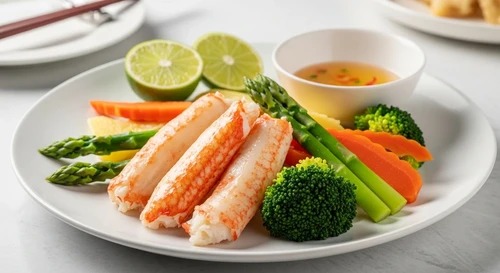
- Embrace Steaming & Grilling: These are the go-to healthy methods. They bring out the natural flavors without excess fat. Ask for "hấp" (steamed) or "nướng" (grilled).
- Watch the Sauces: Many Vietnamese dishes feature incredible dipping sauces. Be mindful of sugar and sodium content if you're watching your intake, but don't skip them entirely – they're part of the experience!
- Balance with Greens: Complement your protein with the abundance of fresh herbs and vegetables. Most Delta meals come with a generous plate of accompanying greens.
- Listen to Your Body: Travel is about exploration, including culinary. Enjoy the rich tapestry of flavors, but also pay attention to how different foods make you feel.
The Mekong Delta is a place where culinary tradition meets natural bounty. Whether you choose the crab or the chicken, you're tapping into a food culture that values flavor, freshness, and the deep connection between land, water, and plate. Eat well, travel often, and always stay curious.