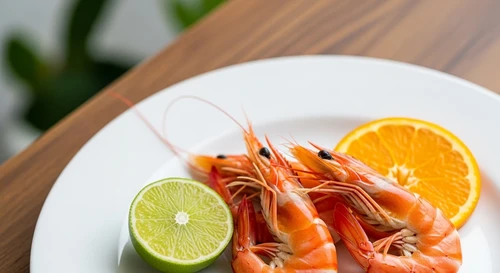
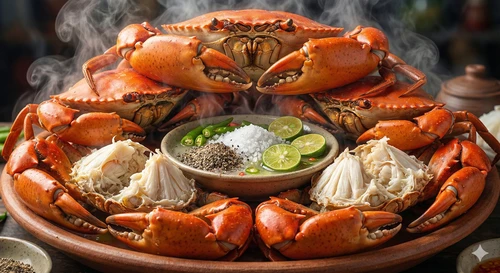
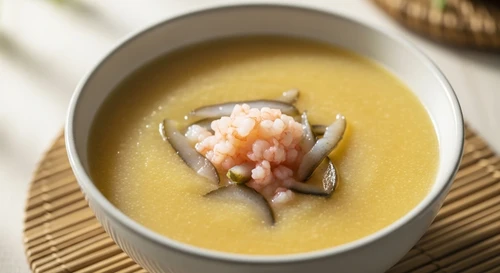
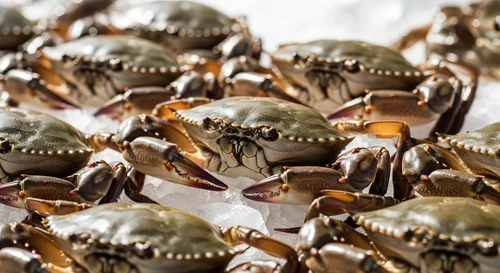
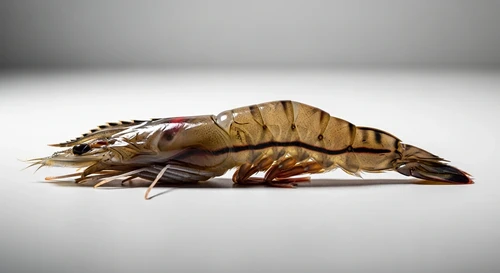
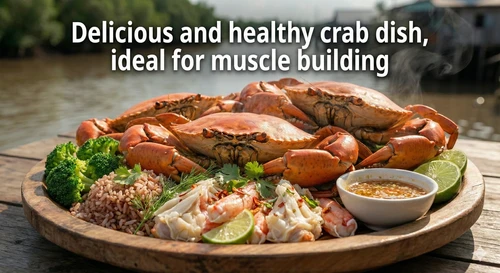
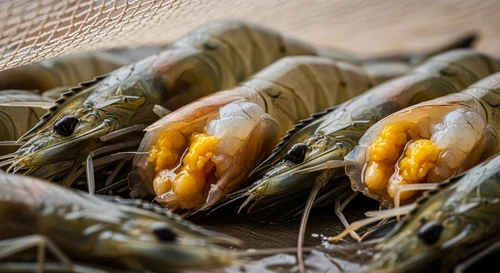
" The Mekong Delta is a symphony of life—lush, vibrant, and incredibly fertile. Here, children grow up with the rhythm of the river, and the bounty of its waters becomes an undeniable part of their palate. But for parents looking in from afar, the thought of introducing something as exotic as crab to a tiny human can feel like navigating uncharted waters. Let's make it an adventure, not an ordeal. "
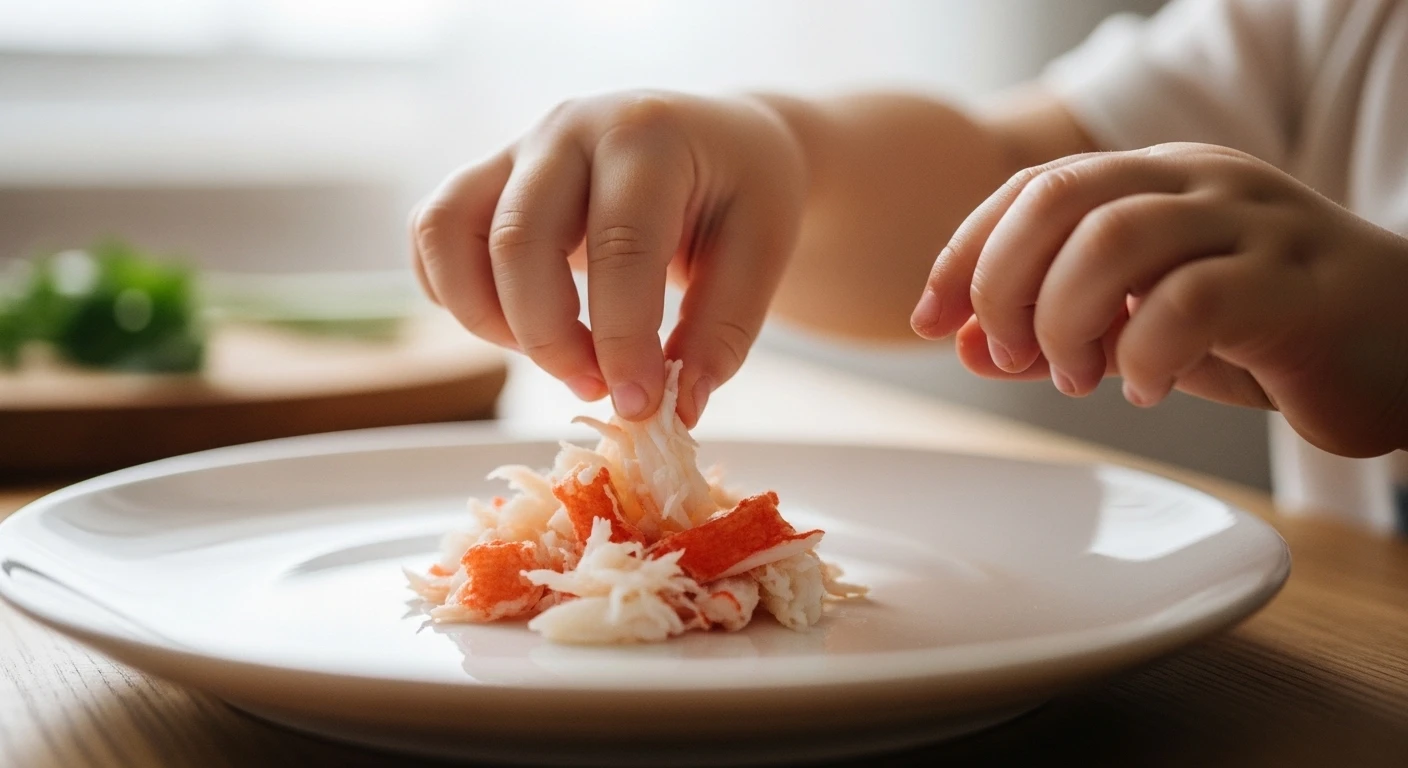
📸 A tiny hand discovering the delicate sweetness of the Mekong's finest.
The Mekong's Bounty: A Nutritional Goldmine for Tiny Humans
For centuries, the people of the Mekong Delta have thrived on its generous waters. Crab, particularly the succulent mud crab (often called "cua biển" though we'll stick to English), isn't just a delicacy here; it's a staple, a cornerstone of a healthy diet. And when it comes to little ones, this crustacean offers a treasure trove of benefits that can surprise even the most health-conscious parent.
Think of crab as a delicious little powerhouse. It's an excellent source of lean protein, essential for rapid growth and muscle development in toddlers. Beyond that, it's packed with Omega-3 fatty acids, crucial for brain development and cognitive function—think sharper minds and healthier hearts. And let's not forget the micronutrients: crab delivers a significant punch of Vitamin B12 for nerve health, selenium for immunity, and zinc for growth and appetite regulation. In short, it’s a tiny package bursting with good stuff, making it far more than just a tasty treat.
The Allergy Compass: Navigating Shellfish Sensitivities
The biggest concern for many parents, and rightly so, is allergies. Shellfish, including crab, is one of the top allergens. But don't let fear prevent you from offering this nutritious food. Modern pediatric advice actually suggests introducing common allergens early and often, once your baby is ready for solids, rather than delaying. The key is careful introduction and vigilance.
What to watch for: Allergic reactions typically appear quickly, within minutes to a couple of hours. Symptoms can include:
- Skin: Hives, rash, swelling, eczema flare-up.
- Digestive: Vomiting, diarrhea, stomach cramps.
- Respiratory: Wheezing, shortness of breath, nasal congestion.
- Severe: Anaphylaxis (rare but serious—difficulty breathing, swelling of throat/tongue, dizziness).
When introducing crab (or any new potential allergen), start with a very small amount and observe for 2-3 days before offering it again or introducing another new food. Always consult your pediatrician for personalized advice, especially if there's a family history of allergies.
Beyond the Shell: Preparing Crab for Precious Palates
Once you've cleared the allergy hurdle (or decided to take the cautious first step), proper preparation is paramount. The primary risks are choking hazards from shells or large pieces, and foodborne illness from undercooked seafood. Here's the Mekong Delta way: simple, thorough, and focused on pure flavor and safety.
Cooking Method: Steaming or Boiling
The cleanest, simplest, and safest methods are steaming or boiling. This ensures the crab is cooked through evenly, preserving its natural sweetness without adding unnecessary oils or seasonings.
- Steam: Place live crabs on a rack above boiling water (or beer/coconut water for flavor, as we discussed in other recipes!). Cover tightly and steam for 15-20 minutes until the shell is bright orange-red.
- Boil: Bring a large pot of salted water to a rolling boil. Add live crabs and boil for 10-15 minutes until shells are red.
Crucial step: After cooking, let the crab cool completely before handling. This makes it easier to extract the meat without burning yourself and ensures thorough cooling.
The Art of Shredding: No Room for Error
- Disassemble: Separate the legs and claws. Crack them gently to remove the meat. Remove the top shell and discard the feathery gills ("dead man's fingers") and any internal organs that look unappetizing.
- Extract: Carefully scoop out the body meat. Be meticulous.
- Shred: This is the most critical part for toddlers. Using your fingers, finely shred every piece of crab meat. You are looking for strands, not chunks. Run your fingers through the shredded meat multiple times to feel for any hidden shell fragments or cartilage. A good light source helps.
- Portion: Only serve small, manageable portions.
Think of it as forensic work. Every tiny shard of shell must be banished. Your toddler's safety depends on it.
Timing is Everything: When to Introduce Crab to Your Little One
The "when" is a question every parent asks. General guidelines for introducing solids begin around 6 months of age, when babies show signs of readiness (good head control, sitting up with support, showing interest in food). For highly allergenic foods like shellfish, the previous recommendation was often to delay, but current guidance from pediatric organizations largely recommends introducing them once other solids are tolerated, usually between 6-12 months.
- 6-9 Months: If your baby has already successfully tried several non-allergenic solids and shows no signs of allergy to other foods, you can cautiously introduce finely pureed crab meat (mixed with breast milk, formula, or vegetable puree). Always start with a tiny amount.
- 9-12 Months: For babies who are comfortable with more textures, very finely shredded crab (no chunks, again, *no* chunks) can be introduced.
- 12+ Months (Toddlerhood): By this stage, with careful monitoring and successful prior introductions, toddlers can enjoy small, shredded pieces of crab as part of their varied diet. They will still need close supervision due to potential choking hazards.
Always remember: these are general guidelines. Your pediatrician is your best resource for tailored advice, especially if your child has eczema or a family history of food allergies.
Tiny Portions, Big Flavors: Your Toddler's First Crab Experience
The first taste of crab should be pure and unadulterated. No sauces, no spices, no lime, no chili—just the natural sweetness of the crab itself. This allows you to monitor for any allergic reactions and lets your toddler truly experience the flavor. Start small, very small, a half-teaspoon or less.
Serving Suggestions:
- Pureed: For younger babies, blend a tiny amount of finely shredded crab meat with breast milk, formula, or a mild vegetable puree (like sweet potato or avocado).
- Mashed: As they get older, you can simply mash the finely shredded crab meat with a fork.
- Finger Food (Toddlers): For confident eaters over 12 months, offer tiny, individual strands of crab meat. Supervise constantly.
- Mixed In: Once they tolerate plain crab, you can mix small amounts into rice porridge (cháo), mashed potatoes, or scrambled eggs for added flavor and nutrition.
Observe your child's cues. If they enjoy it, great! If not, don't push it. Offer it again another time. Developing a varied palate takes patience, much like waiting for the tide to turn in the Mekong.
From River to Rattle: Sourcing & Freshness, The Delta Way
In the Mekong Delta, freshness isn't a luxury; it's a way of life. When you buy crab from a local market here, it's often still crawling, pulled from the brackish waters just hours before. This philosophy of freshness is critical when feeding crab to toddlers, regardless of where you are in the world.
- Buy Live: Whenever possible, purchase live crab. This is the absolute best indicator of freshness and quality. Look for active crabs that smell like the ocean, not "fishy."
- Reputable Source: If live crab isn't available, buy from a trusted fishmonger who can guarantee freshness. Ask where and when the crab was caught.
- Avoid Pre-picked Meat: For toddlers, it's best to cook and pick the crab meat yourself. Pre-picked crab meat carries a higher risk of contamination and you can't guarantee all shell fragments have been removed.
- Mercury Concerns: Crab generally has low levels of mercury compared to larger, longer-lived fish. Still, moderation is key. Offering crab once or twice a week as part of a varied diet is typically considered safe.
Just like the Delta farmers choose their freshest produce, choose your crab with care. It makes all the difference.
The Don'ts: Mistakes to Avoid When Serving Crab
While the world of crab is rich with possibilities, there are definite no-gos when it comes to feeding toddlers.
- Do NOT serve raw or undercooked crab: This increases the risk of foodborne illness, which can be severe for young children.
- Do NOT serve crab with shells or cartilage: This is a major choking hazard. Meticulously remove every single piece.
- Do NOT offer large chunks: Even if soft, large pieces pose a choking risk. Stick to finely shredded or pureed.
- Do NOT add heavy seasonings or sauces: Toddlers don't need excessive salt, sugar, or spicy flavors. Keep it plain to allow them to appreciate the natural taste and to avoid masking potential allergic reactions.
- Do NOT force-feed: If your toddler isn't interested, don't make mealtime a battle. Offer it again another day.
- Do NOT give fried crab: While delicious for adults, fried foods are often hard to digest and lack the nutritional purity needed for little ones.
Beyond the Basic Flake: Creative (Safe) Crab Dishes for Growing Kids
Once your toddler has successfully navigated plain crab, you can start to get a little creative—but always with safety and simple flavors in mind. The goal is to integrate crab into their diet in appealing ways without compromising health.
Toddler-Friendly Crab Cakes
Mix finely shredded crab with a mashed potato or breadcrumb binder, a hint of egg, and bake or pan-fry gently (not deep-fry). Shape into small, easy-to-handle patties.
Crab & Veggie Rice Porridge (Cháo)
A staple in the Mekong. Cook rice until it's a thick porridge consistency. Stir in finely shredded crab and finely diced, well-cooked vegetables like carrots or pumpkin. A truly comforting meal.
Crab Pasta Mixer
Add finely shredded crab to a mild pasta dish with a simple tomato sauce or butter and a sprinkle of Parmesan. Use small pasta shapes like orzo or stars.
Crab & Avocado Mash
Mash ripe avocado with finely shredded crab. A nutritious and creamy spread for toast fingers or served by itself.
Remember to always ensure any added ingredients are also safe and appropriate for your toddler's age.
The Taste of the Mekong: A Culinary Journey for All Ages
" Introducing crab to your toddler can be a deeply rewarding experience. It’s not just about providing vital nutrients; it’s about expanding their world, one delicious, carefully prepared bite at a time. The Mekong Delta, with its philosophy of fresh, unadulterated flavors, shows us that sometimes the best culinary experiences are the simplest, shared with those we love most. So, embrace the journey, follow the guidelines, and watch your little ones discover the wonderful taste of the ocean, just as generations have done along the winding rivers of Vietnam. "