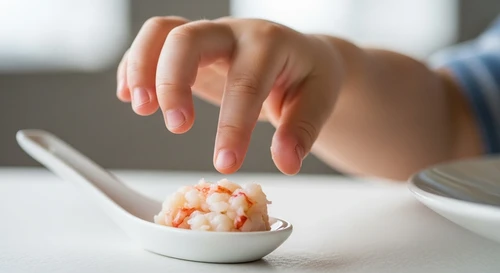
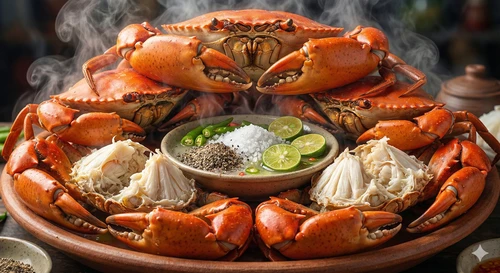
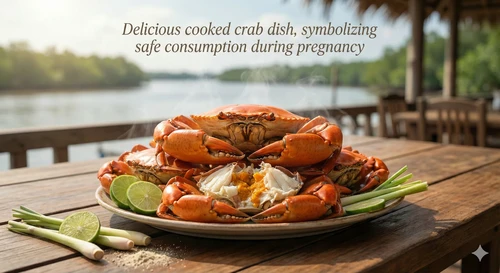
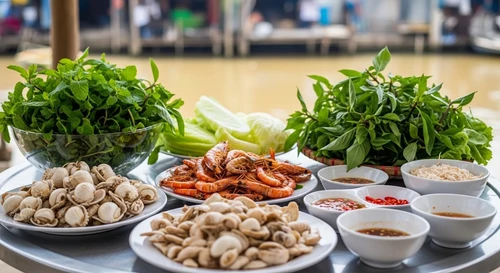
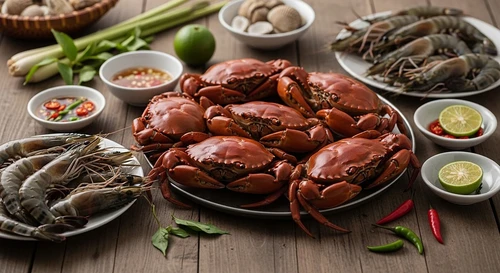
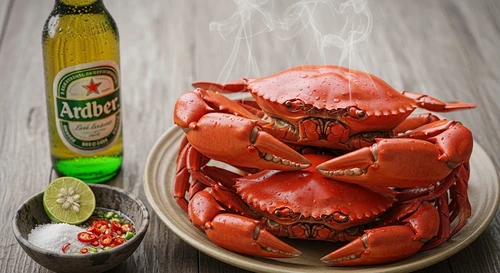
" The Mekong Delta. A tapestry woven with emerald rice paddies, winding rivers, and the boundless generosity of the sea. For many, its seafood is the very soul of a meal. But for a growing number, the pleasure comes with a sharp, unwelcome reminder: gout. "
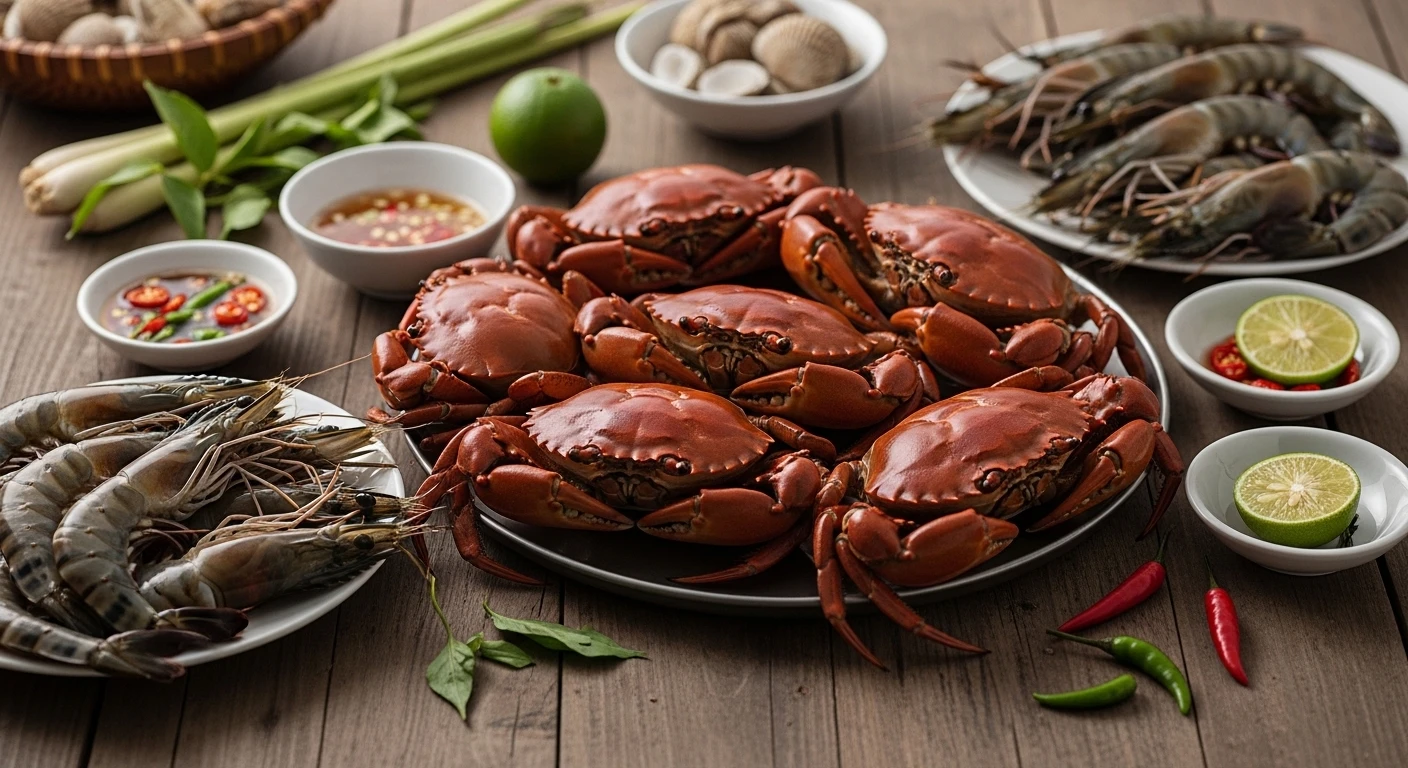
📸 The fresh catch, a staple of daily life in the Mekong.
1 Lifeblood of the Delta: Seafood and the Uninvited Guest
The Mekong Delta, a vast, fertile expanse where rivers meet the sea, is a seafood paradise. From the famed mud crabs of Ca Mau to the plump tiger prawns of Bac Lieu, the region's aquatic life forms the backbone of its cuisine and economy. For the millions who call this region home, seafood isn't just food; it's sustenance, culture, and a way of life.
However, this incredible resource comes with a significant caveat for those susceptible to gout. Gout, a painful form of inflammatory arthritis, is triggered by an excess of uric acid in the bloodstream. Uric acid is a byproduct of the breakdown of purines, and while purines are found naturally in our bodies, they are also abundant in many of the foods we love – especially seafood.
Navigating this dietary minefield can feel like walking a tightrope. How do you honor your heritage and enjoy the vibrant flavors of the Mekong without triggering a painful gout attack? It's a question many grapple with daily. This guide aims to shed light on which seafoods pose the greatest risk and how to make informed choices.
The Challenge
Balancing the deliciousness and nutritional value of Mekong seafood with the need to manage uric acid levels.
The Goal
To empower individuals with knowledge to enjoy the Mekong's aquatic gifts responsibly.
2 Decoding the Purine Ladder: From Egrets to Shrimp
Purine content in seafood varies dramatically. For gout sufferers, the general rule of thumb is to be most cautious with shellfish and certain types of fish roe. While moderate consumption of many seafood types might be acceptable, consistently high-purine foods should be limited or avoided.
HIGH PURINE (Limit/Avoid)
- Certain Shellfish: Scallops, mussels, anchovies, sardines (though common in some Vietnamese dishes, their purine load is significant).
- Fish Roe: Caviar, fish eggs (a delicacy, but very high in purines).
- Organ Meats (Not strictly seafood, but context): Liver, kidneys - the absolute highest.
MODERATE PURINE (Enjoy in Moderation)
- Most Fish: Salmon, tuna, cod, tilapia.
- Shrimp: While often considered moderate, some sources place larger shrimp (like Black Tiger) on the higher end of this spectrum.
- Crab: Generally considered moderate.
- Oysters, Lobster: Can lean towards high depending on portion size.
It's crucial to remember that portion size matters. A small serving of a moderate-purine food is generally safer than a large serving of a food with borderline high purines.
3 The Mekong's Stars: Crab and Shrimp – A Closer Look
When we talk about the Mekong Delta, crab and shrimp are often the first to come to mind. These are not just culinary stars; they represent livelihoods, from the expansive mangrove farms of Ca Mau to the bustling floating markets of Can Tho.
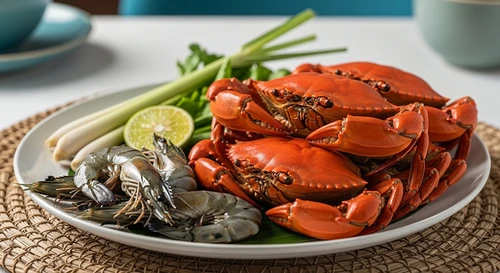
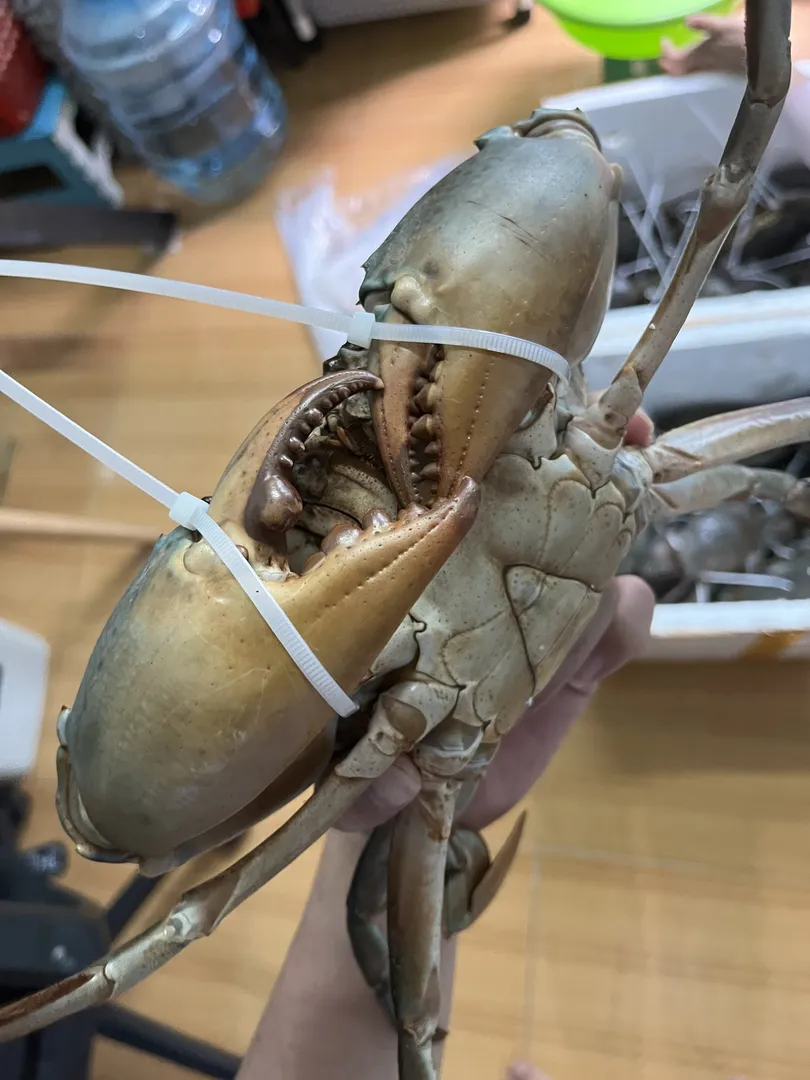
Crab: Mud crabs, especially the renowned Ca Mau varieties, are generally placed in the moderate purine category. The dense, sweet meat of a well-steamed mud crab is a testament to the clean waters and mangrove ecosystems where they thrive. While not typically considered a gout trigger for most, moderation is still key. For instance, the prized Ca Mau Jumbo Mud Crab, known for its meaty claws, offers a pure taste of the delta.
Heritage Ingredient
Ca Mau Jumbo Mud Crab
Ca Mau Jumbo Mud Crab
A large male mud crab prized for dense, sweet meat and thick claws, commonly used in steamed crab and grilled crab dishes across the Mekong Delta.
An icon of coastal culinary heritage, featuring firm, sweet meat that captures the raw power and freshness of Ca Mau's tides.
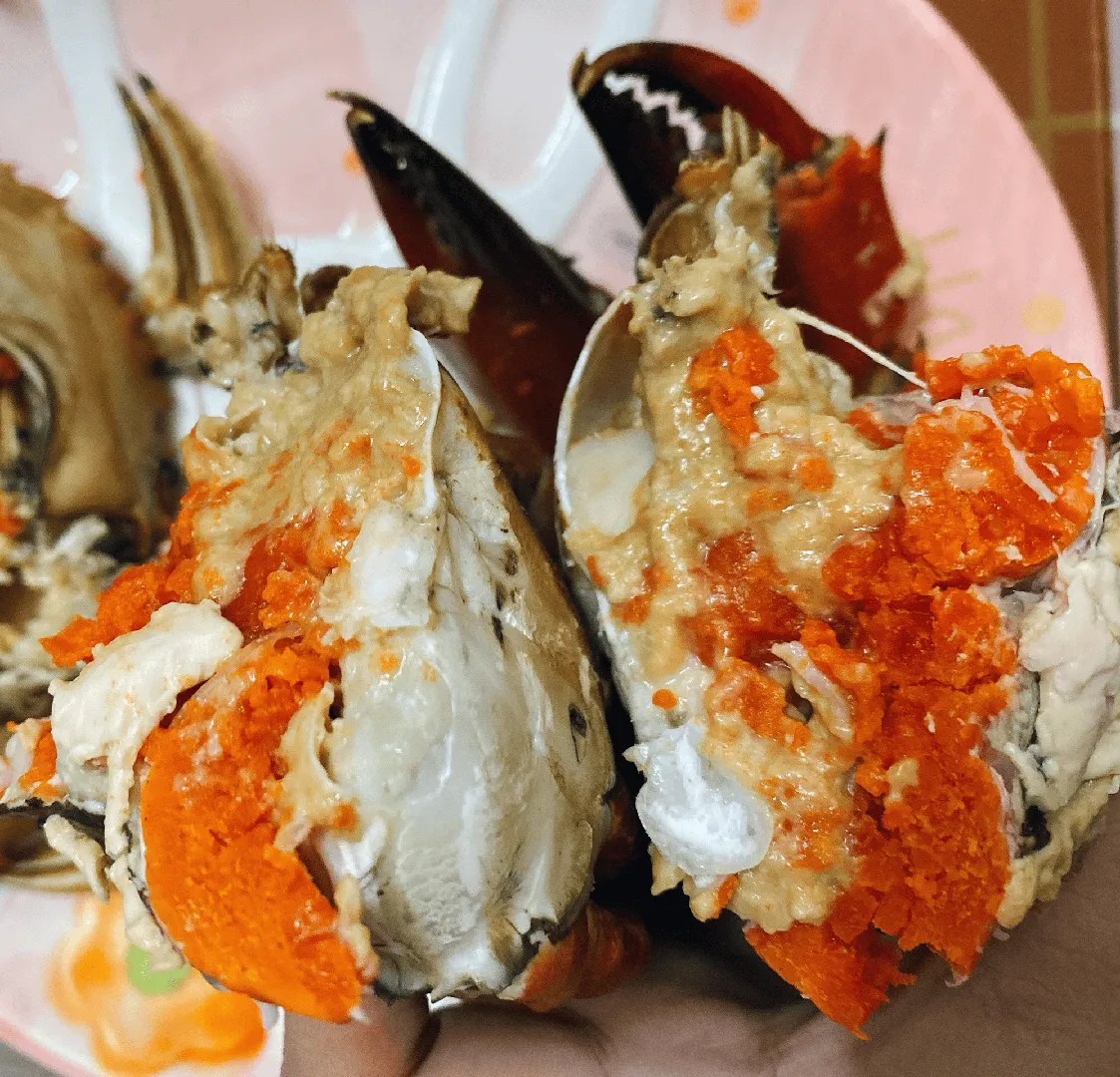
The roe-filled female crabs, like the Ca Mau Roe Mud Crab, might be slightly higher in purines due to the richness, but are often consumed less frequently in very large quantities.
Heritage Ingredient
Ca Mau Roe Mud Crab
Ca Mau Roe Mud Crab
A female mud crab known for deep orange roe and a rich, creamy finish, often featured in celebratory Southern Vietnamese seafood meals.
A crimson treasure hidden within a shell, boasting rich, creamy roe that melts on your tongue like a golden sunset over the delta.
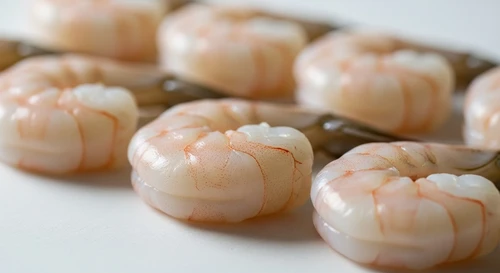
Shrimp: Black Tiger Shrimp, a common sight from the brackish waters of Ca Mau, also fall into the moderate category. These prawns, with their firm flesh and clean flavor, are a staple. However, some studies suggest that larger or specific types of shrimp might contribute more to uric acid levels than smaller varieties. The Ca Mau Black Tiger Shrimp, a product of sustainable mangrove aquaculture, represents a high-quality choice, but as always, portion control is paramount.
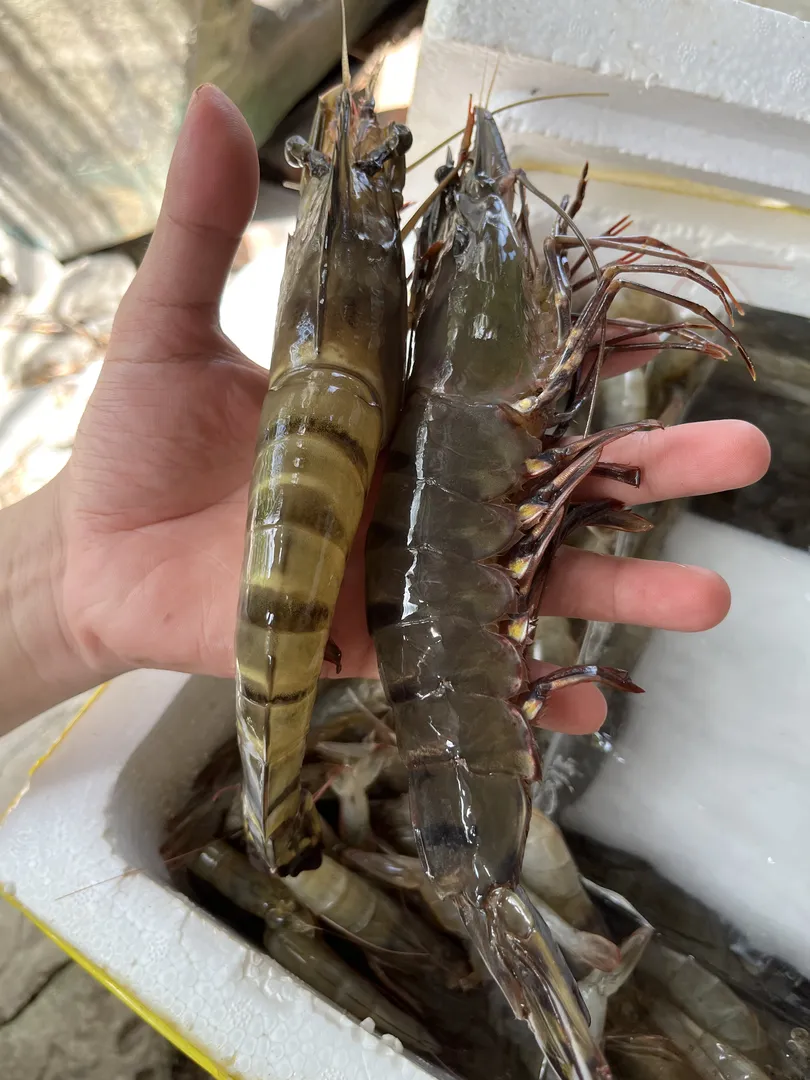
Heritage Ingredient
Ca Mau Black Tiger Shrimp
Ca Mau Black Tiger Shrimp
Large black tiger shrimp associated with mangrove aquaculture in Ca Mau, known for firm flesh and a cleaner, sweeter finish than intensively farmed shrimp.
Wild spirits of the mangroves, these black-banded gems deliver a firm, snappy texture and a sweetness that echoes the forest's vibrant life.
While other shrimp varieties like Whiteleg shrimp are ubiquitous in home cooking, their purine profile is generally similar to the Black Tiger.
4 Enjoying the Delta's Flavors: Smarter Choices & Cooking
The good news is that a gout-friendly diet doesn't mean foregoing all seafood. Focusing on preparation methods and incorporating other nutrient-rich, low-purine foods can make a significant difference.
Preparation is Paramount:
- Steaming & Boiling: These methods are your best friends. They require minimal added fats and preserve the natural flavors of the seafood. Dishes like "Cua Hấp" (Steamed Crab) or "Tôm Hấp Nước Dừa" (Shrimp Steamed in Coconut Water) are excellent, low-purine options.
- Avoid Frying: Deep-frying adds unhealthy fats and often involves batters that can increase calorie and carbohydrate intake, which indirectly affects gout.
- Light Sauces: Opt for simple dipping sauces like lime-salt-pepper or a light fish sauce vinaigrette. Avoid heavy, creamy, or overly rich sauces.
Focus on Low-Purine Companions:
- Vegetables: Load up on leafy greens, bell peppers, cucumbers, and root vegetables.
- Fruits: Cherries, in particular, are believed to have anti-inflammatory properties and may help reduce gout flares.
- Whole Grains: Brown rice and other whole grains are preferred over refined carbohydrates.
- Dairy: Low-fat dairy products have been associated with a reduced risk of gout.
5 What the Locals Know: Balance and Tradition
Mekong Delta chefs and home cooks have an innate understanding of balance. Their approach to seafood often emphasizes letting the ingredient speak for itself, rather than overwhelming it with complex sauces or heavy cooking methods. This philosophy is inherently beneficial for gout sufferers.
Consider the ubiquitous "Gỏi Cuốn" (fresh spring rolls). Packed with lean protein like shrimp or thinly sliced pork, rice vermicelli, and a generous amount of fresh herbs and vegetables, these are a light, refreshing, and gout-friendly meal. The accompanying peanut or hoisin sauce can be enjoyed in moderation.
Another example is "Canh Chua" (sour soup). While it often features fish, the broth is light and infused with tamarind, pineapple, and tomatoes, providing a tangy, refreshing base loaded with vegetables. The key is to choose fish varieties lower in purines and to focus on the broth and vegetables.
6 The Bigger Picture: Hydration and Other Triggers
Managing gout is about more than just seafood. Here are some other crucial factors:
Hydration is Key
Drinking plenty of water is essential for flushing out uric acid. Aim for 2-3 liters per day, especially in the tropical climate of Vietnam.
Alcohol and Sugary Drinks
Beer and spirits can significantly increase uric acid levels. Sugary sodas and fruit juices (especially those high in fructose) are also implicated in gout flares.
Weight Management
Excess body weight is a major risk factor for gout. Gradual, healthy weight loss can lead to a reduction in uric acid levels.
Medication and Medical Advice
This guide is for informational purposes only. Always consult with a healthcare professional for personalized medical advice and treatment plans for gout.
7 A Sustainable Approach: Living Well in the Delta
For residents and frequent visitors to the Mekong Delta, gout management is a long-term commitment. It's about finding a sustainable balance that allows for the enjoyment of local cuisine without constant fear of a flare-up.
This means cultivating a mindful approach to eating. It’s about savoring the flavors of a perfectly steamed crab or a delicate plate of shrimp, understanding the purine content, and making conscious decisions about portion sizes and frequency. It's also about embracing the abundance of low-purine options available – the endless variety of fresh vegetables, fruits, and grains that grace the delta's markets.
The Mekong Delta's spirit is one of resilience and harmony with nature. By applying these principles to dietary choices, those managing gout can continue to celebrate the region's incredible culinary heritage, ensuring that the joy of eating remains a central part of life.
Empowered Choices for Delicious Living
Living with gout in a region so defined by its rich seafood presents a unique challenge, but it’s far from insurmountable. The key lies in knowledge, moderation, and mindful preparation. By understanding the purine content of various seafood and embracing the traditional, health-conscious cooking methods prevalent in the Mekong Delta, you can continue to delight in its flavors.
Remember, every individual's body reacts differently. What might trigger a gout attack in one person may be tolerated by another. Therefore, listening to your body, maintaining open communication with your doctor, and making informed choices are your most powerful tools for enjoying the bounty of the Mekong Delta, gout and all.