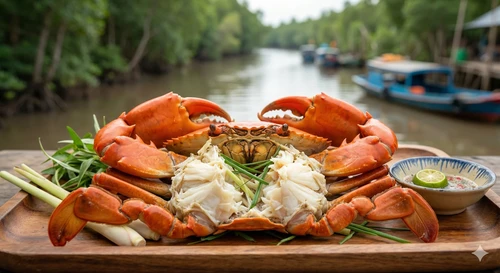
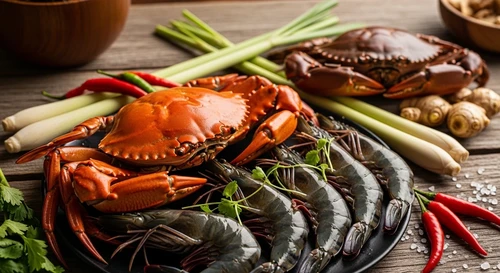
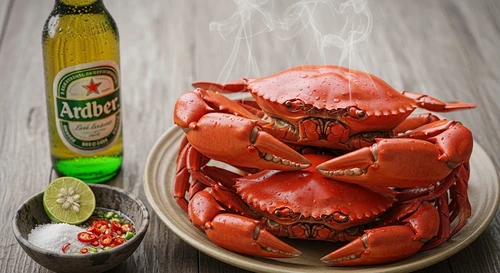
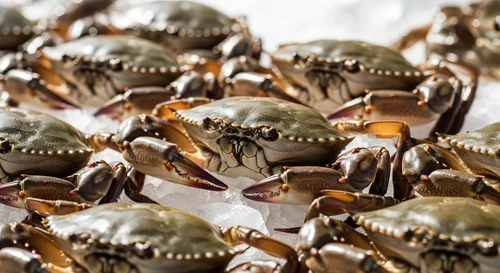
" Vietnam's coastline and river networks teem with life. From the robust mud crabs of Ca Mau to the sweet tiger prawns of the south, the seafood here is a national treasure. But with such abundance comes a certain risk... "
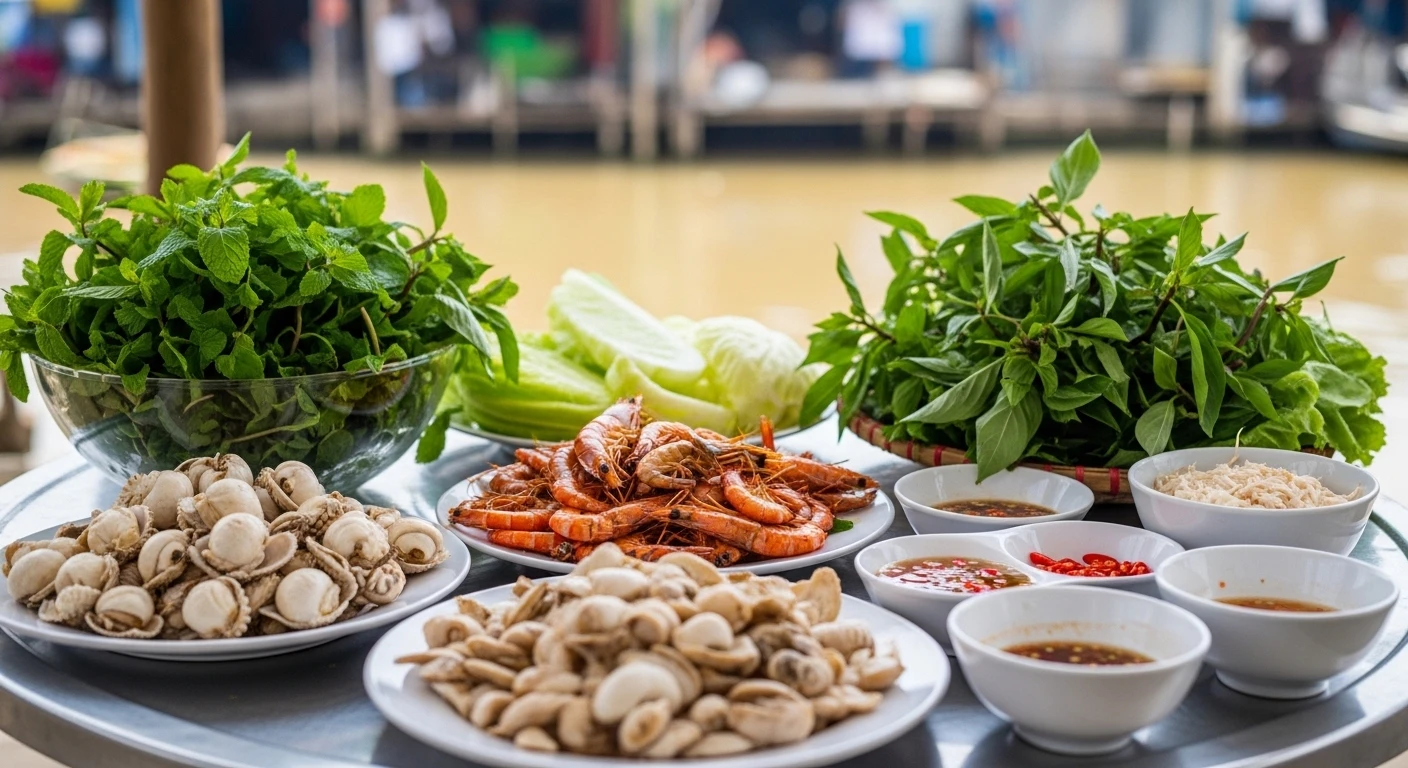
📸 Freshness is key, but vigilance is paramount.
1 From River to Restaurant: A Culinary Tightrope
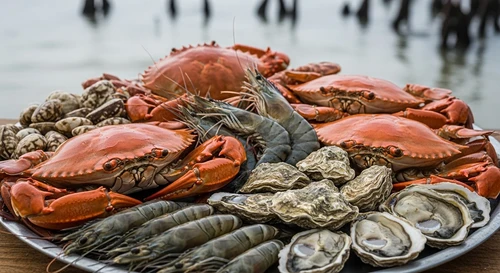
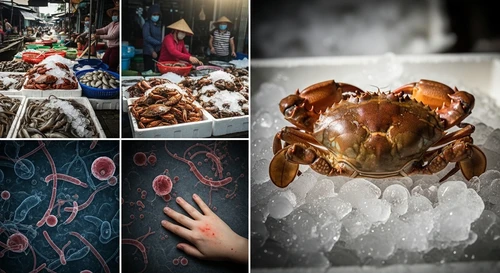
The Mekong Delta, a vast network of rivers and canals, is the lifeblood of Vietnam's aquatic cuisine. Its fertile waters yield an astonishing array of seafood – succulent mud crabs from Ca Mau, plump prawns, iridescent fish, and a myriad of shellfish. These ingredients are central to the region's identity, celebrated in everything from humble street-side stalls to celebratory family feasts. However, the very environment that nurtures this bounty also presents unique challenges. High temperatures, fluctuating water quality, and the sheer scale of local markets mean that vigilance is crucial.
Ca Mau's Crustacean Kings
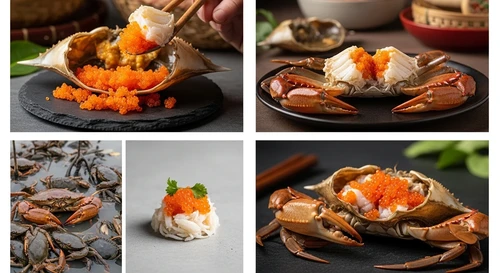
The famed mud crabs of Ca Mau are a prime example. Prized for their dense, sweet meat and rich roe, they are a cornerstone of regional cuisine. Understanding how they are sourced, handled, and prepared is the first step in appreciating their quality – and mitigating risks.
Heritage Ingredient
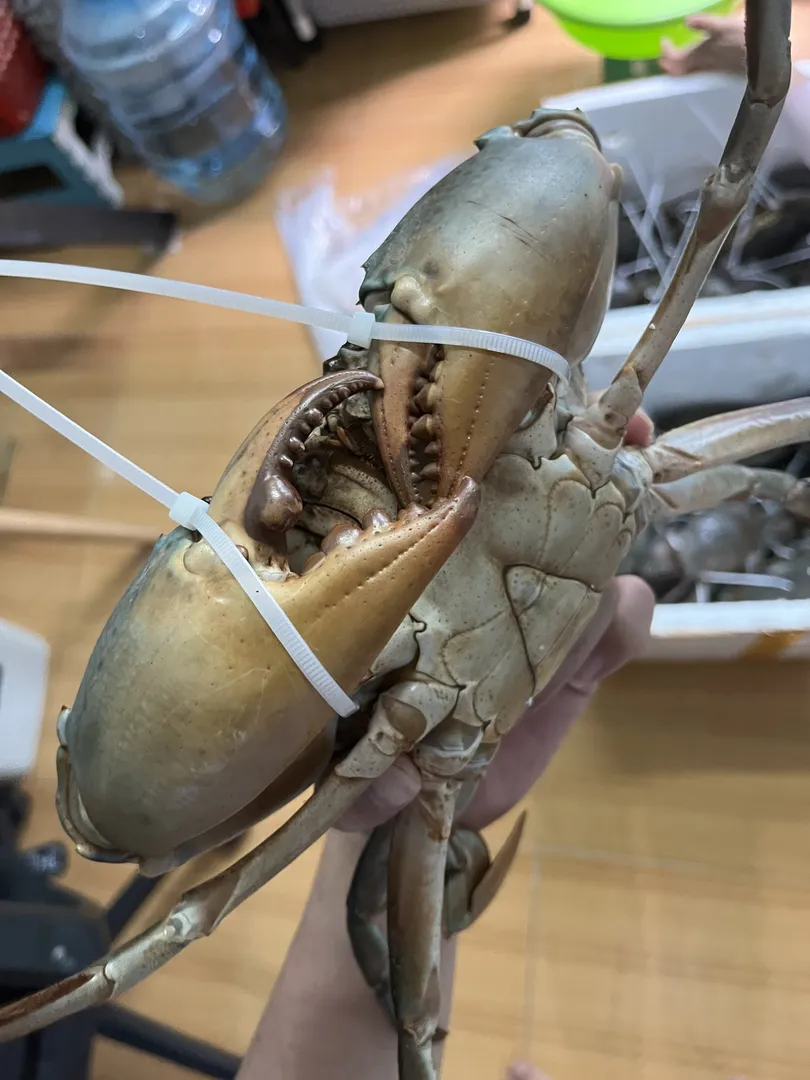
Ca Mau Jumbo Mud Crab
Ca Mau Jumbo Mud Crab
A large male mud crab prized for dense, sweet meat and thick claws, commonly used in steamed crab and grilled crab dishes across the Mekong Delta.
An icon of coastal culinary heritage, featuring firm, sweet meat that captures the raw power and freshness of Ca Mau's tides.
The Shrimp Factor
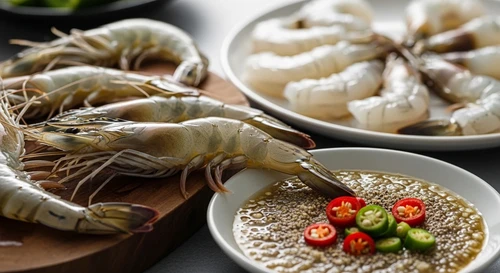
Black tiger shrimp, often farmed in mangrove areas, are another staple. While generally robust, improper handling or storage can quickly turn a delicacy into a source of distress. Knowledge is your best defense.
Heritage Ingredient
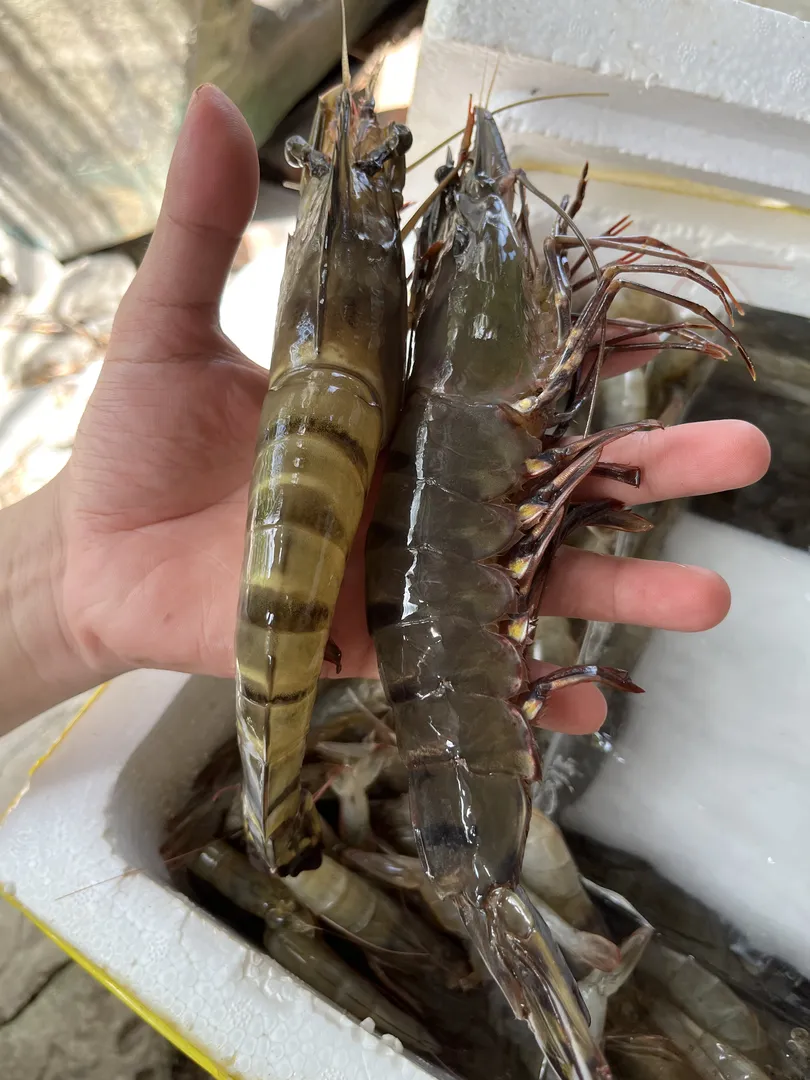
Ca Mau Black Tiger Shrimp
Ca Mau Black Tiger Shrimp
Large black tiger shrimp associated with mangrove aquaculture in Ca Mau, known for firm flesh and a cleaner, sweeter finish than intensively farmed shrimp.
Wild spirits of the mangroves, these black-banded gems deliver a firm, snappy texture and a sweetness that echoes the forest's vibrant life.
2 When the Stomach Rebels: Symptoms to Watch For
Food poisoning from seafood can strike swiftly. Symptoms usually appear within a few hours to a day or two after consuming contaminated food. Be aware of the following:
- Nausea and vomiting
- Diarrhea
- Abdominal cramps
- Fever (sometimes)
- Headache
- Weakness
The severity can range from mild discomfort to debilitating illness. The key is to act promptly and appropriately.
3 Your First Aid Kit: What to Do NOW
If you suspect seafood food poisoning, here’s your immediate action plan:
Hydrate, Hydrate, Hydrate
The biggest immediate threat is dehydration. Sip clear fluids like bottled water, oral rehydration solutions (ORS), or weak, unsweetened herbal teas. Avoid sugary drinks, milk, and caffeine.
Rest is Essential
Your body needs energy to fight off whatever has caused the upset. Rest as much as possible.
Seek Professional Help (When Needed)
If symptoms are severe, persistent (more than 2 days), or include high fever, blood in stool, or signs of severe dehydration, it's time to see a doctor.
4 Your Pharmacy Toolkit: Key Vietnamese Terms
Pharmacies (Nhà thuốc) are plentiful. Knowing a few key phrases will help you get what you need.
Stomach Ache
Đau bụng (Daow boongk)
Diarrhea
Tiêu chảy (Tee-ow chai)
Medicine
Thuốc (Thook)
Hydration Salts / ORS
Oresol (Oh-ray-sohl) or Bù nước (Boo nuoc - rehydrate)
Anti-diarrheal
Ask for something for 'Tiêu chảy'. Loperamide is common.
Many Vietnamese pharmacies have English-speaking staff, especially in tourist areas. Pointing and using translation apps also works wonders.
5 Nature's Pharmacy: Ginger, Lemongrass, and More
The Mekong Delta's natural larder is full of ingredients with medicinal properties. While not a substitute for medical attention, these traditional remedies can offer comfort:
Fresh Ginger Tea (Trà Gừng)
Gừng (Ginger) is a culinary hero and a potent remedy. Its anti-inflammatory and digestive properties are legendary. Peel and thinly slice fresh ginger, simmer in water for 10-15 minutes, strain, and sip. Add a touch of honey if desired.
Lemongrass Infusion
Sả (Lemongrass) is known for its soothing, anti-spasmodic qualities. Smash a few stalks, boil in water, and drink. It has a delicate, fragrant aroma that can calm an upset stomach.
Bitter Melon (Khổ Qua)
While an acquired taste, bitter melon is revered in Vietnamese culture for its purifying properties. It can be juiced or added to soups. Its intense bitterness is said to help the body cleanse itself.
Plain Rice Congee (Cháo Trắng)
When you can stomach something, simple white rice congee is easily digestible and comforting. It can be eaten plain or with a touch of salt.
6 Your Lifeline: Critical Contact Information
Keep these numbers handy. Major cities and tourist hubs often have English-speaking services.
General Emergency (Police/Fire/Ambulance):
113
For police assistance.
114
For fire services.
115
For ambulance/medical emergencies.
International SOS (Membership Required):
+84 28 3822 4000
If you have travel insurance with SOS or similar medical assistance services.
Your Embassy/Consulate:
Always have your country's embassy contact information readily available.
7 Staying Ahead: Tips for Safer Seafood Indulgence
While prevention isn't foolproof, these habits can significantly reduce your risk:
- Eat at Busy Establishments: High turnover usually means fresher ingredients.
- Look for Visual Cues: Seafood should smell fresh like the ocean, not "fishy" or ammoniated. Shells should be closed or close when tapped.
- Cooked Thoroughly: Ensure seafood is cooked until opaque and flakes easily. Avoid undercooked items.
- Be Wary of Buffets: Food that has been sitting out at room temperature for extended periods is a higher risk.
- Trust Your Gut (Literally): If something feels off about the food or where it's being served, it's okay to politely decline.
- Wash Your Hands: A fundamental rule, especially before eating.
8 The Mekong's Embrace: A Taste of Resilience
Despite the occasional setback, the culinary landscape of the Mekong Delta remains an unparalleled experience. The commitment to fresh, vibrant ingredients, the ingenious use of local produce, and the deep-rooted traditions of Vietnamese cooking are what draw travelers here. Understanding how to navigate potential health concerns empowers you to fully embrace the region's gastronomic wonders without undue anxiety. The key is informed enjoyment – savor the magnificent flavors, appreciate the bounty of the rivers and coast, and be prepared, should the occasion arise.
The spirit of the Mekong is one of abundance and resilience. Enjoy its gifts wisely.