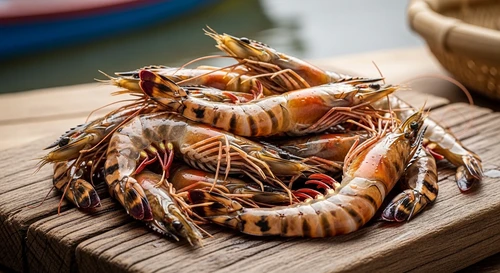
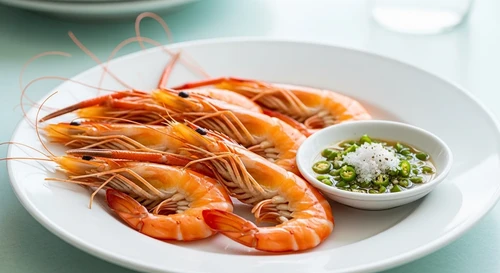
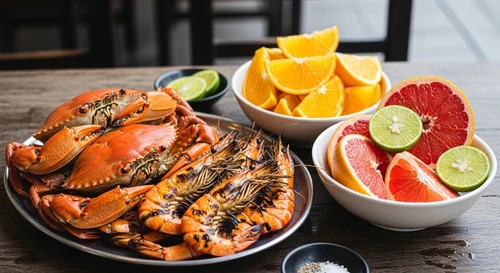
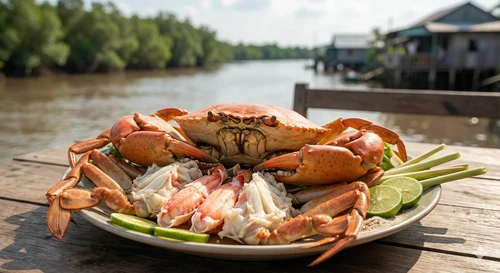
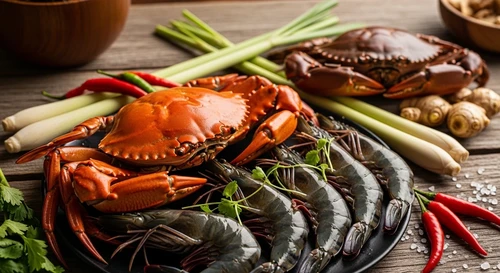
" The Mekong Delta, a labyrinth of lifeblood waterways. From these rivers and coastal waters come some of the world's most pristine seafood. And with them, often, comes a question that has vexed home cooks for generations: that dark line running through your shrimp. "
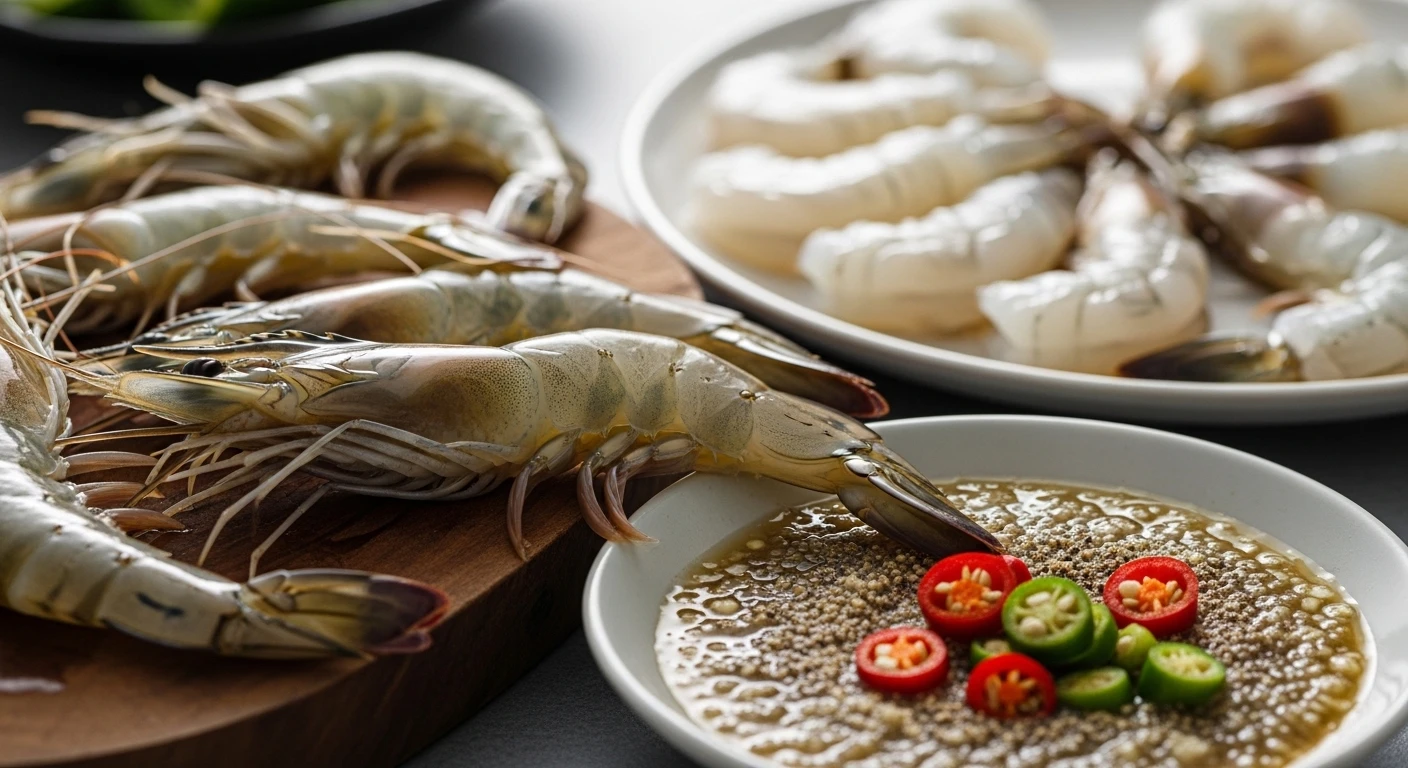
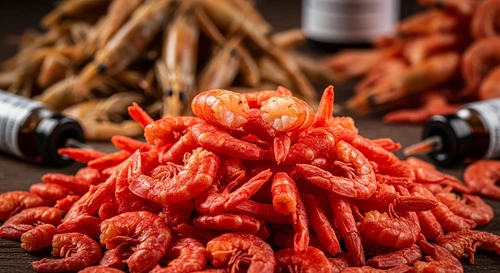
📸 The visual: The distinct dark line in a fresh shrimp.
1 It's Not a Vein, It's a Gut
Let's get one thing straight right out of the gate: that dark line running down the back of a shrimp or prawn is not a vein in the traditional sense. It's the shrimp's digestive tract, or intestine.
Think of it as the shrimp's internal plumbing. As the crustacean navigates its watery world – be it the brackish estuaries of the Mekong Delta or the open ocean – it ingests food. This food travels through its digestive system, and the 'vein' is the pathway that waste material takes before excretion.
The color of this tract can vary. It often appears dark brown or black, especially in shrimp that have recently eaten. This is due to the pigments in the food they've consumed. In some cases, particularly with shrimp harvested after a period of fasting or a diet of lighter-colored food, the tract might be lighter or even almost invisible.
The notion that this digestive tract is "toxic" is a pervasive food myth, especially among home cooks who haven't had the chance to learn from generations of seasoned seafood preparers. While it's certainly not appealing, it doesn't harbor toxins in the way that, say, certain poisonous mushrooms do.
Heritage Ingredient
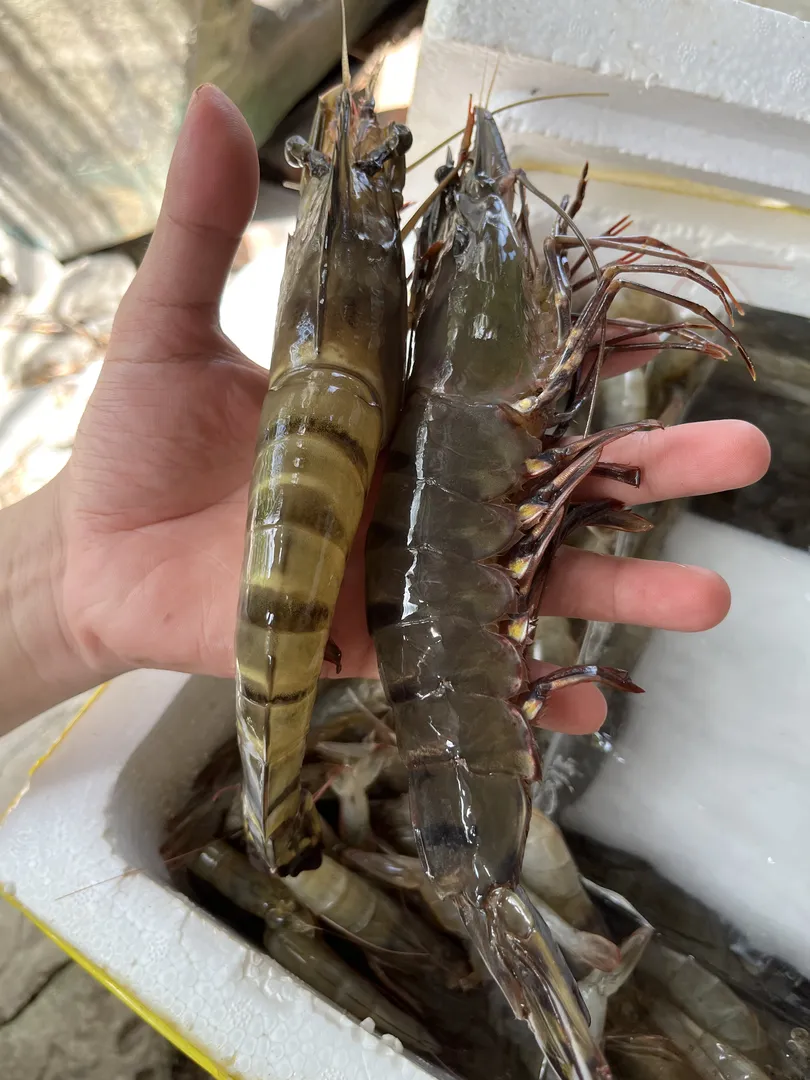
Ca Mau Black Tiger Shrimp
Ca Mau Black Tiger Shrimp
Large black tiger shrimp associated with mangrove aquaculture in Ca Mau, known for firm flesh and a cleaner, sweeter finish than intensively farmed shrimp.
Wild spirits of the mangroves, these black-banded gems deliver a firm, snappy texture and a sweetness that echoes the forest's vibrant life.
Heritage Ingredient
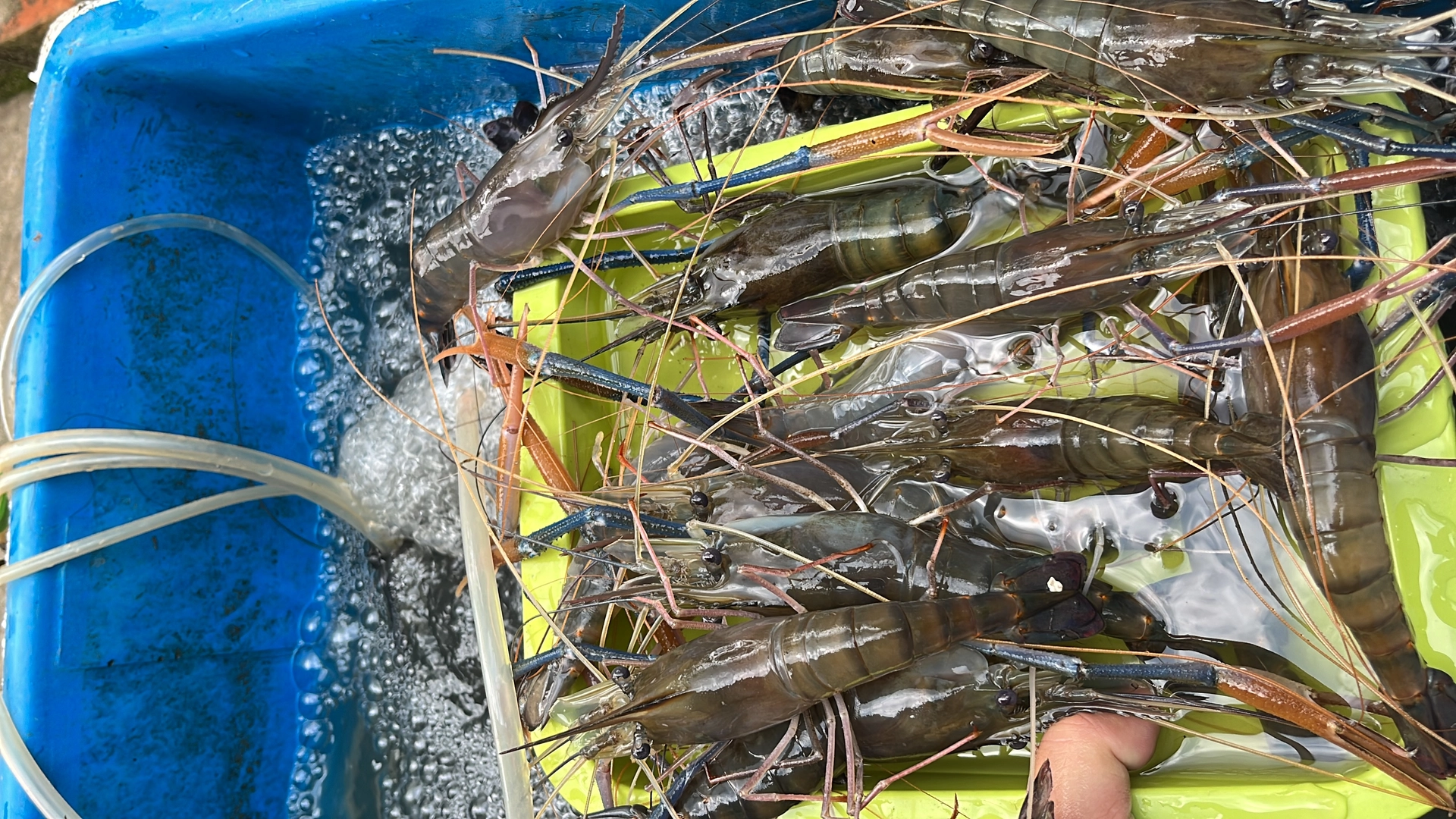
Mekong Giant Freshwater Prawn
Mekong Giant Freshwater Prawn
A river prawn with long blue claws and rich head fat, common in grilled prawn dishes and hotpot traditions across the Mekong basin.
Majestic blue-clawed warriors of the Mekong, famous for their rich, fatty heads and a savory depth that captures the essence of the delta's rivers.
2 From the Waterways: A Taste of the Delta
Here in the Mekong Delta, shrimp and prawns are more than just food; they are lifelines. From the vast mangrove forests of Ca Mau, where iconic Black Tiger Shrimp thrive in their natural habitat, to the freshwater rivers teeming with Giant Freshwater Prawns, these crustaceans are fundamental to the region's identity and economy.
Families along the riverbanks, fishermen heading out to the coast, and market vendors in bustling floating markets – all have an intimate understanding of these creatures. The way they prepare them, the care they take, it's all rooted in generations of tradition. And that 'dark line'? It's something they've always dealt with, always removed, not out of fear of toxicity, but for a matter of refinement and palatability.
The quality of these Mekong shrimp is renowned. Grown in cleaner, often natural or semi-intensive environments, they possess a firm texture and a clean, sweet flavor that stands up beautifully to simple preparations. This makes the technique of removing the digestive tract all the more crucial – it's about presenting the pure, unadulterated essence of the Mekong's bounty.
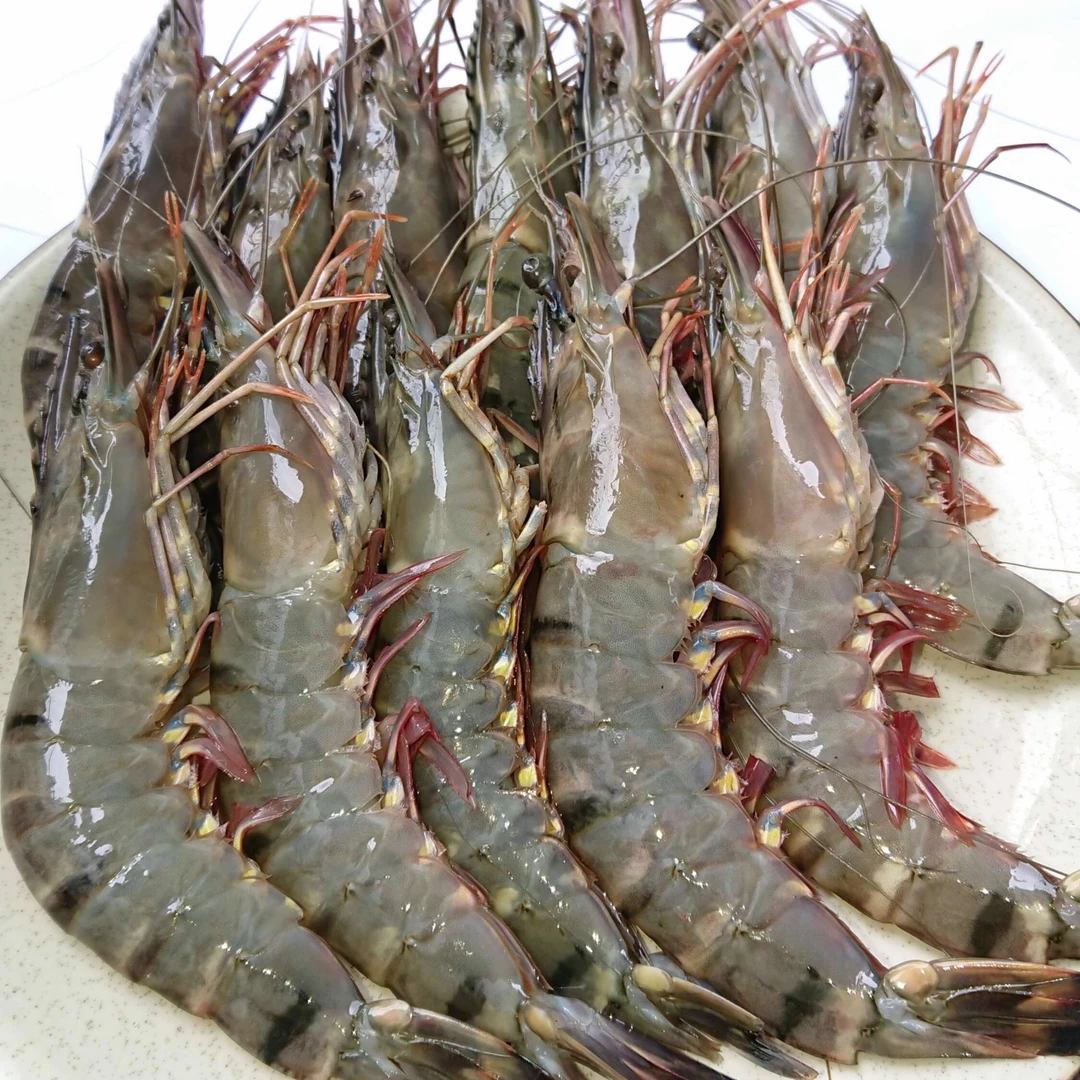
Heritage Ingredient
Whiteleg Shrimp
Whiteleg Shrimp
A widely used shrimp in Vietnamese home kitchens, suitable for stir-fries, soups, steamed dishes, and practical cooking articles that need a familiar shrimp reference.
Translucent jewels of the coast, thin-shelled and remarkably sweet, making every simple home meal feel like a seaside celebration.
3 The Case for Extraction
So, if it's not toxic, why bother with the fuss of deveining? There are two primary, and very practical, reasons:
Texture & Palatability
The digestive tract is made of tissue that can be gritty or sandy, especially if the shrimp hasn't been properly purged. This can negatively affect the overall mouthfeel of your dish. Removing it ensures a smoother, more pleasant eating experience.
Appearance
A dark, visible tract can be visually unappealing, particularly in delicate dishes or when serving shrimp whole. Removing it results in a cleaner, more appetizing presentation. This is especially important in cuisines where presentation is as vital as taste.
Essentially, deveining is a practice of culinary refinement. It's about optimizing the eating experience and presenting the seafood in its best possible light, a principle that holds true from a humble market stall in Can Tho to a Michelin-starred kitchen in Paris.
4 The Art of the Extraction
Don't be intimidated. Deveining shrimp is straightforward and requires minimal tools. You can do it with or without peeling the shell, depending on your preference and the recipe.
- A Sharp Knife: A small paring knife or a serrated knife works best.
- Toothpick: An optional but highly effective tool for beginners.
- Cutting Board: To protect your counter.
Method 1: The Knife (Peel On or Off)
- Locate the Tract: Identify the dark line running along the curve of the shrimp's back.
- Make a Shallow Cut: Using your sharp knife, make a shallow incision along the length of the tract. You don't need to cut very deep; just enough to expose the tract. If you've peeled the shrimp, this is easier. If you're keeping the shell on, gently cut through the shell and the flesh.
- Remove the Tract: Use the tip of your knife or your fingers to gently pull out the dark digestive tract. It should come out in one piece.
- Rinse: Rinse the shrimp under cold water to wash away any remaining impurities.
Method 2: The Toothpick (Great for Beginners)
- Locate the Tract: As above, find the dark line.
- Slide Underneath: Gently insert the tip of a toothpick under the tract, slightly lifting it away from the flesh.
- Pinch and Pull: Once you have a bit of the tract lifted, you can usually pinch it with your fingers or the toothpick itself and pull it out in one piece.
- Rinse: Rinse the shrimp under cold water.
Pro tip: Deveining is much easier when the shrimp is cold. Keep them chilled until you're ready to prepare them.
5 Exceptions to the Rule
While removing the digestive tract is generally recommended for the best eating experience, there are a couple of scenarios where it might not be strictly necessary:
Small, Young Shrimp
For very small shrimp, the digestive tract is often minuscule and less noticeable in terms of texture or appearance. In dishes where tiny shrimp are used whole, like some stir-fries or soups, many cooks will skip this step.
Whole-Shell Cooking & Immediate Consumption
If you are cooking shrimp with the shell on for immediate consumption (e.g., grilled prawns), and the quality is exceptionally high, some might opt to leave the tract. The intense heat and direct consumption can sometimes mask minor textural differences.
6 The True Measure of Quality
In the vibrant culinary landscape of the Mekong Delta, understanding shrimp quality goes far beyond the presence or absence of that dark line. While deveining is a standard practice, the real indicators of superior shrimp lie elsewhere:
- Freshness: The most critical factor. Fresh shrimp should smell clean and oceanic, not fishy or ammoniated. Their shells should be firm and translucent, not slimy or discolored.
- Size and Species: Different species offer distinct flavors and textures. From the robust, sweet Black Tiger Shrimp of Ca Mau's mangroves to the delicate freshwater prawns, each has its own character and best application.
- Habitat: Shrimp from cleaner environments, like the sustainably farmed or wild-caught varieties found in the Delta's complex ecosystems, generally have a purer, sweeter taste.
- Head Fat (for Prawns): In larger prawns, the rich, creamy fat in the head is a prized delicacy, indicating ripeness and flavor.
So, while you're learning to expertly remove that digestive tract, remember it's just one step in a larger process of appreciating and preparing some of the finest seafood on the planet. The true magic happens when you start with excellent, fresh ingredients, prepared with respect and a touch of Mekong Delta soul.
A Clean Slate, A Clear Conscience
The "vein" in your shrimp is a common point of confusion, but by understanding it's simply the digestive tract, and by practicing the simple steps to remove it, you're not just improving your dish – you're honoring a centuries-old culinary tradition. It's a small detail that makes a world of difference, ensuring that the natural, sweet flavor of the shrimp, whether from the coastal waters of Ca Mau or the freshwater rivers of the Delta, can truly shine.
Cooking should be an exploration, not an interrogation. Demystify your ingredients, and you'll unlock a world of flavor.