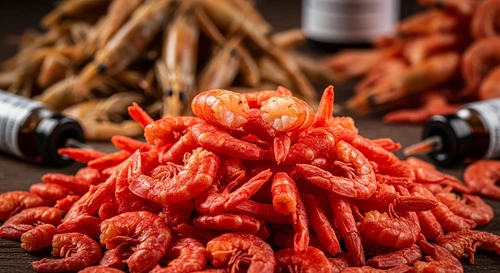
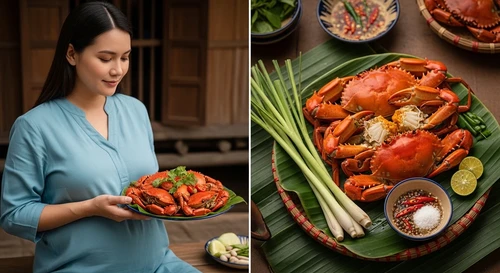
" In the sun-drenched, muddy embrace of the Mekong Delta, where life thrives in the ebb and flow of the river, there's more than just culinary adventure. There's a secret weapon, a delicious fortification against the daily grind, hidden beneath the shell of the region's most celebrated crustacean. Forget your sterile supplement bottles; here, immunity comes alive, claws first. "
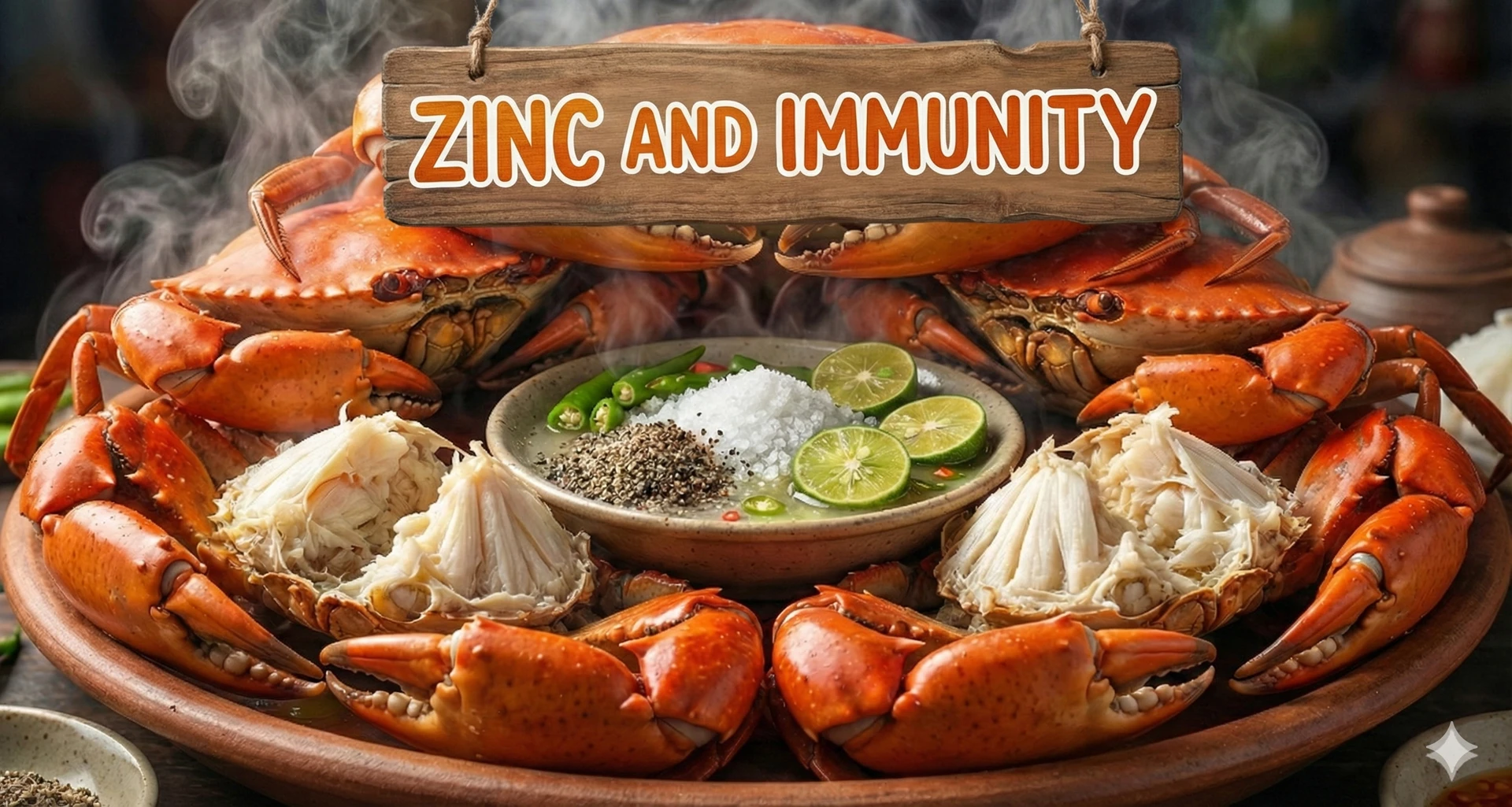
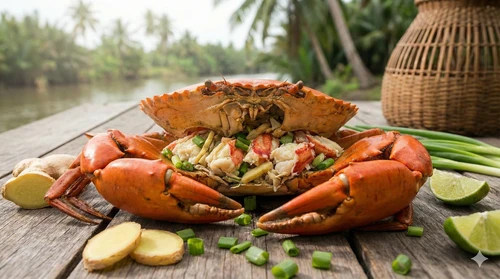
📸 The humble crab, a vibrant symbol of health and flavor from the Delta.
1 The Delta's Undisputed King of Crustaceans: A Mekong Staple
The Mekong Delta, a labyrinth of rivers, canals, and mangrove forests, is a cradle of biodiversity and a culinary goldmine. Here, seafood isn't just a dish; it's a way of life, intrinsically woven into the fabric of culture and sustenance. And among its shimmering bounty, the crab holds a special, almost revered status. From the brackish waters of Ca Mau to the bustling markets of Can Tho, the sight of fresh, feisty crabs is a daily spectacle – a promise of both exquisite flavor and robust health.
We're talking about more than just a tasty meal. These crabs, particularly the indigenous mud crabs (often called mangrove crabs) and the vibrant flower crabs, are not only celebrated for their sweet, succulent meat and rich roe but also for a hidden power that modern science is only just beginning to fully appreciate: their incredible zinc content. It's a prime example of how traditional diets, often intuitively, harness nature's best for optimal well-being. It’s food that connects you directly to the land, the water, and generations of local wisdom.
2 Zinc: The Unsung Hero of Your Immune System (And Beyond)
Before we dive claws-first into the culinary wonders, let's talk science for a moment. Zinc. It might not be as glamorous as Vitamin C or as talked about as Vitamin D, but this trace mineral is absolutely critical for hundreds of bodily functions, not least of which is maintaining a robust immune system. Think of it as the general orchestrating your body's defense forces, making sure every soldier knows its role and is ready for battle.
Why is zinc so vital for immunity?
- Immune Cell Development: Zinc is essential for the normal development and function of immune cells, including T-cells and B-cells, which are frontline defenders against bacteria, viruses, and other pathogens. Without adequate zinc, these cells struggle to mature and activate effectively.
- Antioxidant Power: It acts as a powerful antioxidant, protecting your cells from oxidative stress and damage caused by free radicals. This cellular protection is crucial for maintaining overall immune integrity and preventing chronic inflammation.
- Wound Healing: Zinc plays a crucial role in skin integrity and wound repair, which are your body's first physical lines of defense against external infection.
- Reduced Inflammation: Adequate zinc levels help regulate inflammatory responses, preventing chronic inflammation that can suppress immunity and contribute to various chronic diseases.
- DNA Synthesis: Essential for cell division and growth, zinc supports the rapid replication of immune cells when your body is fighting an infection.
A deficiency in zinc can leave you vulnerable, making you more susceptible to colds, flu, and other infections, and can even impair cognitive function and skin health. So, how do we get more of this precious mineral without resorting to tasteless pills?
3 Crab: The Mekong Delta's Zinc Powerhouse (A Delectable Defense)
Enter the crab. While many foods contain zinc, crab meat stands out as one of the richest natural sources, particularly the succulent meat found in the claws and body. A modest serving of crab can provide a significant portion of your daily recommended zinc intake, often surpassing what you'd find in red meat or poultry, and in a far more delicious package.
A Nutritional Snapshot (Per 3oz / 85g cooked crab meat)
Just 3 ounces (about 85 grams) of cooked crab meat can deliver over 6 mg of zinc, which is more than half of the daily recommended intake for most adults (RDA is typically 8-11mg). But it's not just about zinc. You're also getting a healthy dose of:
- High-Quality Protein: Lean, complete protein essential for muscle repair, growth, and satiety, without the heavy fats of other meat sources.
- Vitamin B12: Crucial for nerve function, red blood cell formation, and energy metabolism.
- Selenium: Another powerful antioxidant that supports thyroid function and protects cells from damage.
- Omega-3 Fatty Acids: Heart-healthy fats known for their anti-inflammatory properties, benefiting cardiovascular health and brain function.
- Copper: Important for iron absorption and red blood cell production, balancing zinc intake.
The crabs thriving in the nutrient-rich, brackish waters of the Mekong Delta are particularly potent, absorbing these vital minerals from their pristine environment. Eating them isn't just a treat for the palate; it's a direct infusion of wellness from nature's pharmacy, a true gift from the river delta.
4 From Mangroves to Markets: Sourcing the Best, The Delta Way
The magic of Mekong Delta crab begins long before it hits your plate. It starts in the intricate network of mangrove roots, where crabs burrow and feed, growing plump and flavorful in a sustainable ecosystem. Local fishermen, often working with generations of knowledge and in harmony with nature, carefully trap these crustaceans, bringing them fresh, often still twitching, to local markets before dawn.
What to look for when choosing your immunity-boosting crab:
- Live and Kicking: This is non-negotiable. A truly fresh crab will be active, responsive, and heavy for its size. If it's sluggish, unresponsive, or smells distinctly fishy (not like the fresh ocean), walk away. Dead crab loses flavor and nutrition quickly.
- Origin Matters: While you might not always get a precise GPS coordinate, knowing your crab comes from a reputable, sustainable source within the Mekong Delta (like those found in Ca Mau, Kien Giang, or Soc Trang) ensures quality and freshness. Local vendors are usually proud to share where their catch came from.
- Fullness ( Thịt Chắc): Gently press on the underside of the crab, near the apron. If it feels firm and resistant, it's likely full of sweet, dense meat. A soft or squishy underside indicates a crab that has recently molted and will have less meat and flavor.
- Shell Condition: Look for crabs with hard, intact shells. Cracks or damage can indicate stress or poor handling.
This commitment to freshness is paramount, not just for taste, but for maximizing the nutritional benefits. A vibrant, healthy crab is a zinc-rich crab, ensuring you get the full bounty of its immune-boosting powers.
5 The Culinary Art of Preservation: Cooking for Maximum Health
How you prepare your crab dramatically impacts both its exquisite flavor and its nutritional integrity. The Mekong Delta excels at methods that highlight the natural sweetness of the meat while preserving its precious zinc content. The philosophy is often to do as little as possible, letting the star ingredient shine.
Recommended Preparations for Zinc Retention:
- Steaming (Hấp): Arguably the purest and most common method. Steaming with fragrant aromatics like lemongrass, ginger, or even beer allows the crab's natural flavors to shine while minimizing nutrient loss. The gentle, moist heat ensures the zinc and other delicate vitamins remain intact. Think of Steamed Crab with Beer and Lemongrass – a symphony of aroma and pure, unadulterated health.
- Grilling (Nướng): A quick grill over charcoal imparts a smoky aroma and a beautifully charred exterior without overcooking the delicate meat. The dry heat helps seal in the juices and minerals, creating a fantastic contrast of textures.
- Simple Soups (Canh Cua): A light, clear crab soup, often with local vegetables like jute leaves or winter melon, can be incredibly nourishing. The zinc leaches into the flavorful broth, making every spoonful a comforting dose of wellness, especially when feeling under the weather.
- Boiling (Luộc): While not as aromatic as steaming, a quick boil in lightly salted water is a straightforward way to cook crab, particularly smaller ones. Just ensure you don't overcook.
Avoid heavy sauces that mask the crab's natural flavor, deep-frying (which adds unnecessary fats and can degrade nutrients), or prolonged boiling, which can dilute or degrade some of the delicate minerals. The essence of Mekong Delta cooking is often its simplicity, letting the quality of the ingredients speak for themselves.
Pairings for Potency: Enhancing Zinc Absorption
While crab is a zinc champion on its own, certain food pairings can actually boost your body's ability to absorb this vital mineral. The beauty of the Mekong Delta diet is that it naturally incorporates many of these synergistic elements, proving that good nutrition and incredible flavor often go hand-in-hand.
Citrus & Acids (Vitamin C)
A generous squeeze of fresh lime juice or a dip in a spicy chili-lime sauce isn't just for flavor. The Vitamin C found in citrus fruits helps improve zinc absorption, making that simple dipping sauce (muối tiêu chanh – salt, pepper, lime) a nutritional powerhouse. It’s a perfect flavor and health synergy.
Lean Protein Sources (Like Crab Itself!)
When zinc is consumed alongside other protein-rich foods, its absorption can be significantly enhanced. Crab itself is a fantastic source of high-quality, lean protein, making it a self-sufficient powerhouse for delivering zinc effectively to your body. No need for complicated combinations here!
Always serve your crab with a side of fresh herbs (like Vietnamese mint or cilantro) and a vibrant dipping sauce featuring lime and chili for maximum flavor and nutritional synergy. These additions not only elevate the taste but also contribute a spectrum of vitamins and antioxidants.
7 A Culinary Journey to Better Health: The Mekong Promise
Embracing the crab as a cornerstone of your diet isn't just about chasing a single mineral; it's about adopting a holistic approach to eating that is deeply rooted in the Mekong Delta's philosophy. It’s about eating fresh, eating local, and respecting the incredible bounty of nature that thrives in this unique environment. It’s a return to simplicity, to ingredients that have traveled no farther than the nearest river bend.
Imagine yourself in a bustling riverside eatery in Ca Mau, the air thick with the scent of salty water, aromatic herbs, and simmering broths. You're presented with a plate of vibrant, freshly steamed crab, its shell glowing red, steam still curling around the tender, sweet meat. You crack a claw, pull out the pristine white flesh, dip it into that zesty lime-salt-pepper concoction, and feel a surge of pure, unadulterated flavor and vitality. This isn't just a meal; it's an experience, a connection to the land and its people.
This experience isn't just sensory; it’s deeply nourishing. Every bite of that zinc-rich crab is building your resilience, fortifying your body from the inside out. The Mekong Delta doesn't just feed your hunger and delight your palate; it feeds your soul and strengthens your body, one succulent, immune-boosting claw at a time. It's proof that the most potent medicine can often be found in the most delicious food.
8 Your Mekong Immunity Boosters: Expert Tips for the Global Gourmand
Ready to harness the power of the Delta's secret weapon, whether you're traveling its waterways or sourcing fresh seafood in your local market? Here are a few final pointers to make your crab-eating journey as healthy and delicious as possible:
- Prioritize Freshness, Always: Whether you're in Vietnam or abroad, always opt for live crabs if possible. The difference in taste and nutritional value is incomparable. If live isn't an option, look for fresh-caught, never frozen, and ensure it's been handled properly.
- Don't Overcook: Overcooked crab becomes rubbery and can lose some of its delicate nutrients and sweetness. Follow recommended steaming or boiling times precisely (typically 15-20 minutes for a medium-sized mud crab, adjust for size). The shell should be bright orange-red when done.
- Experiment with Aromatics: Lemongrass, ginger, galangal, lime leaves, and even a touch of chili all complement crab beautifully and offer additional health benefits, from anti-inflammatory properties to digestive aids.
- Mind the Sauce, Embrace Simplicity: While some rich sauces are undeniably delicious, for maximum health benefits and to truly taste the crab, stick to lighter, acidic dips like the traditional lime-salt-pepper mixture. It’s elegant and effective.
- Make it a Regular Ritual: Incorporating crab into your diet a few times a month can provide a consistent, natural boost to your zinc levels and overall immunity, making wellness a delicious habit.
- Explore Local Variations: If you find yourself in the Delta, don't hesitate to ask locals for their preferred crab preparations. Each family, each village, often has its own subtle twist on these classic dishes.
So next time you're craving something truly special, something that tantalizes your taste buds and fortifies your body, look no further than the humble yet mighty crab of the Mekong Delta. It’s a delicious, age-old secret to health, waiting to be discovered, one delightful, nutrient-packed claw at a time.
Explore More Delta Delights!
Curious about other ways the Mekong Delta feeds body and soul? Discover more healthy and authentic recipes.
🌿 See All Health & Food Articles