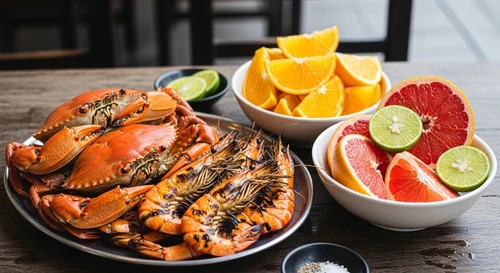
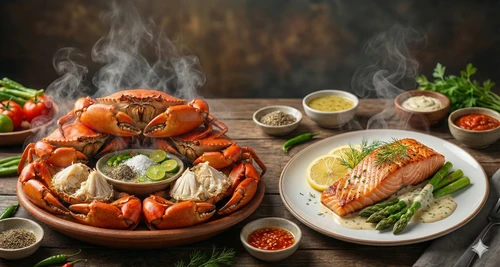
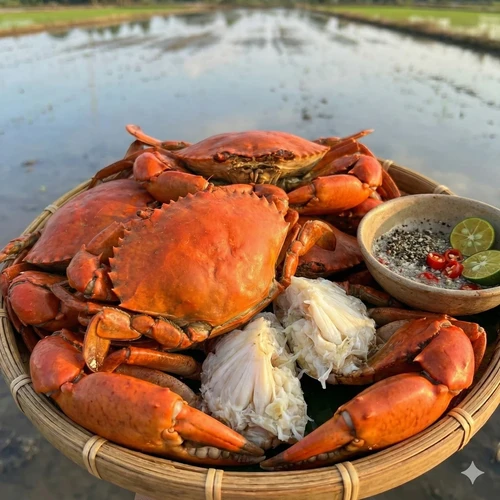
" For centuries, the rich, sweet bounty of the Mekong Delta has nourished its people. But in the West, a whisper persists about one of its crown jewels: the crab. Is this delectable crustacean a silent assassin for your heart, or a misunderstood hero? "
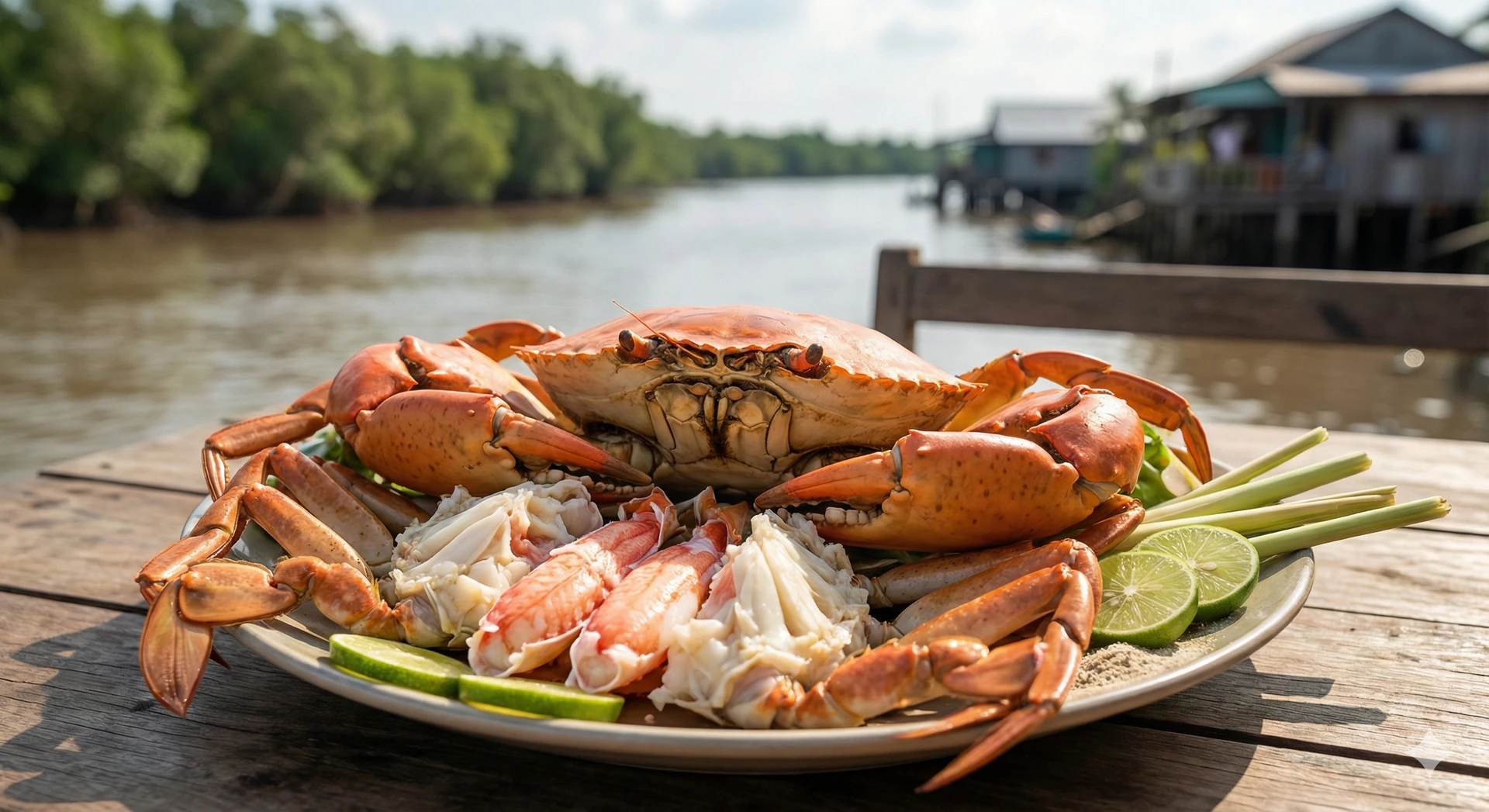
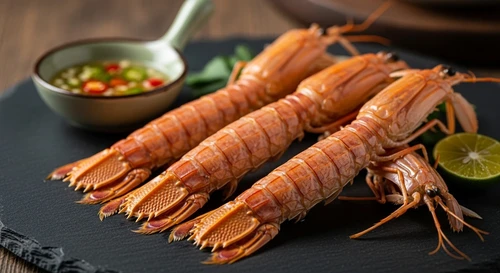
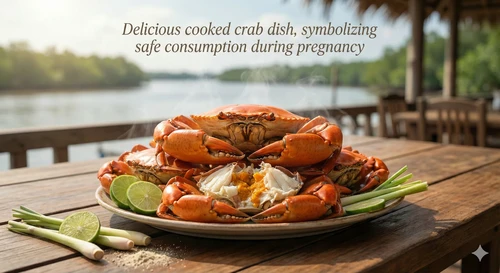
📸 The Mekong's prized catch, often unfairly demonized by outdated dietary advice.
1 The Persistent Whisper: Crab & Cholesterol
Walk into any bustling market along the Hau Giang river, and you'll find mountains of glistening, freshly caught crabs – mud crabs, blue swimming crabs, enormous king crabs. These aren't just food; they're a way of life. Yet, for many in Western cultures, the very thought of indulging in such a rich seafood can trigger alarms. "High cholesterol," they'd say, "best avoid it." But is this age-old advice still holding water, or is it just another dietary myth ripe for debunking?
For decades, dietary cholesterol was painted as the villain, directly linked to elevated blood cholesterol levels and increased heart disease risk. This led to widespread fear of foods like eggs, shrimp, and yes, crab. However, modern nutritional science has undergone a significant paradigm shift. The truth, as often is the case, is far more nuanced than a simple 'good' or 'bad' label.
2 The Mekong Delta's Bounty: A Culinary Heartbeat
To understand crab, you must understand its home. The Mekong Delta in Vietnam is a sprawling tapestry of crisscrossing rivers, canals, and mangrove forests, a landscape teeming with life. Here, seafood isn't a luxury; it's a fundamental pillar of the diet, deeply intertwined with the region's culture and economy. Crabs are particularly prized, not just for their succulent meat but for the way they represent the delta's pristine natural environment.
From the sun-drenched shrimp farms of Ca Mau to the bustling floating markets, seafood is fresh, abundant, and consumed daily. Generations have thrived on this diet, largely free from the Western diet-related chronic diseases that plague many developed nations. This observation alone should make us question the blanket demonization of certain foods, especially when consumed as part of a traditional, whole-food diet.
"The Mekong doesn't just offer food; it offers a philosophy of eating – fresh, simple, and in harmony with nature."
3 Decoding Cholesterol: Beyond the Simple Numbers
Let's clear the air: not all cholesterol is created equal, and dietary cholesterol (what you eat) is often less impactful on your blood cholesterol than previously thought. Your liver produces the vast majority of the cholesterol in your body, adjusting its production based on what you consume. If you eat more cholesterol, your liver typically produces less. It's a finely tuned system.
- HDL ("Good" Cholesterol): High-density lipoprotein helps remove excess cholesterol from your arteries, transporting it back to the liver for excretion. Higher levels are generally better for heart health.
- LDL ("Bad" Cholesterol): Low-density lipoprotein can contribute to plaque buildup in your arteries if oxidized or in high concentrations. However, even LDL has different particles, some more harmful than others.
The real culprits for unhealthy blood cholesterol profiles are often saturated and trans fats, excessive sugar, and refined carbohydrates, which can trigger inflammation and negatively influence the balance of HDL and LDL cholesterol, making the 'bad' LDL particles more harmful.
4 Crab: A Nutritional Powerhouse, Not a Villain
So, where does crab fit into this new understanding? While crab does contain some dietary cholesterol, it's also packed with an impressive array of nutrients that are incredibly beneficial for heart health and overall well-being:
Lean Protein
Crab meat is an excellent source of high-quality, lean protein, essential for muscle repair, satiety, and maintaining a healthy metabolism without contributing excess saturated fat.
Omega-3 Fatty Acids
Like many types of seafood, crab contains beneficial Omega-3s (EPA and DHA), known for their anti-inflammatory properties and role in reducing triglyceride levels and supporting cardiovascular health.
Vitamins & Minerals
It's rich in Vitamin B12 (crucial for nerve function and red blood cell formation), selenium (a powerful antioxidant), zinc (for immune health), and copper (important for iron absorption).
Low Saturated Fat
Crucially, crab meat is naturally low in saturated fat, which is far more influential on blood cholesterol levels than the cholesterol content of the food itself.
5 From Mud to Market: The Freshness Factor
In the Mekong Delta, freshness isn't a marketing buzzword; it's a given. Crabs are caught, often by hand or small traps, and brought directly to market or local restaurants. There's no long journey, no industrial processing. This ensures not only the best flavor but also preserves the delicate nutritional integrity of the meat.
The types of crabs common here, like the large mud crabs (cua biển) or the agile blue swimming crabs (ghẹ), thrive in the brackish waters where river meets sea. Their diet of natural organisms contributes to their unique flavor profile and nutritional richness. When you enjoy crab in the Mekong, you're not just eating seafood; you're tasting an ecosystem, sustainably managed by generations of fishing families.
6 Culinary Journey: Preparing Crab the Delta Way (Health-Conscious)
The way crab is prepared significantly impacts its health profile. In the Mekong Delta, the emphasis is almost always on highlighting the natural sweetness of the crab, often through methods that keep fat content low:
- Steaming (Cua Hấp): This is arguably the purest method. Steamed with a dash of beer, lemongrass, or coconut water, the crab's natural flavors shine. No added oils, no heavy sauces – just pure, sweet crab meat. This method preserves nutrients and avoids unhealthy fats.
- Grilling (Cua Nướng): Often simply grilled over charcoal, perhaps with a whisper of salt and chili. The smoky char adds depth without relying on excessive fats.
- Light Stir-Fries: While some richer preparations exist (like tamarind crab), many delta stir-fries use minimal oil and are packed with fresh vegetables, herbs, and spices, balancing the meal.
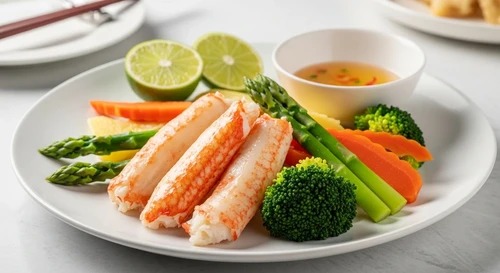
The key here is portion control and balance. A generous serving of steamed crab alongside fresh greens, rice, and a vibrant dipping sauce (like lime, salt, and chili) is a perfectly healthy, delicious, and heart-friendly meal, embodying the essence of Mekong cuisine.
7 The Delta Lifestyle: A Holistic View of Heart Health
It's not just about what's on the plate; it's about the entire lifestyle. The people of the Mekong Delta, historically, lead active lives. Walking, cycling, farming, fishing – these are all forms of daily physical activity. Their diet is rich in:
- Fresh Vegetables and Fruits: An abundance of tropical fruits, leafy greens, and root vegetables provide fiber, vitamins, and antioxidants.
- Whole Grains: Rice is a staple, often consumed in its less refined forms.
- Lean Proteins: Fish and seafood dominate, with smaller amounts of poultry and pork.
- Healthy Fats: Coconut oil in moderation, and the natural fats from fish.
This traditional dietary pattern, combined with an active lifestyle and a strong community focus, creates a powerful protective shield against cardiovascular diseases. Focusing solely on a single nutrient like dietary cholesterol, or a single food like crab, misses the bigger picture of overall health and well-being.
8 The Verdict: Feast Without Fear
So, is crab bad for your heart? The resounding answer, backed by contemporary science, is no. When consumed as part of a balanced, whole-foods diet and prepared using healthy cooking methods, crab is a fantastic, nutrient-dense addition to your plate. Its high protein, omega-3 content, and rich array of vitamins and minerals make it a truly beneficial food.
The key, as with most things in life, lies in moderation and mindful consumption. Don't drown your beautiful crab in butter or deep-fry it to a crisp every night. Instead, take a page from the Mekong Delta's culinary book: savor its natural sweetness, pair it with fresh herbs and vegetables, and enjoy it as a celebration of nature's bounty. Your heart, and your taste buds, will thank you.
Common Questions
Does dietary cholesterol impact blood cholesterol?
Are some crab preparations better than others for heart health?
How often can I eat crab without worrying?
Craving More Mekong Delights?
Now that we've cleared the air on crab, dive deeper into the healthy and flavorful world of Mekong Delta cuisine!
🍜 Discover a Healthy Crab Recipe