" The debate around shellfish and gout has long been a contentious one, often leading to unnecessary fear and dietary restrictions. It’s time to cut through the noise with clear, evidence-based advice. "

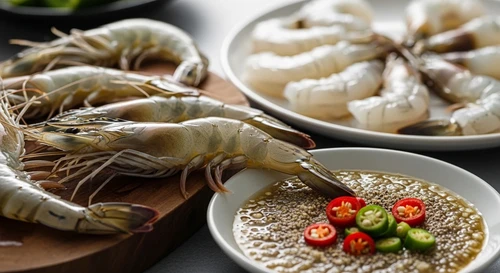
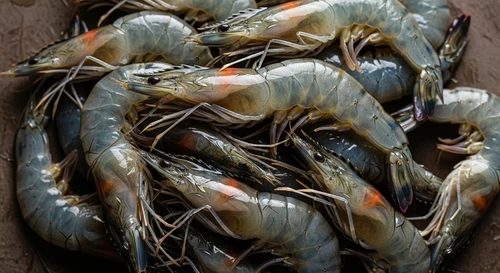
📸 Fresh Ca Mau Tiger Prawns, a staple in the Mekong Delta.
1 What is Gout and How Does Purine Play a Role?
Gout is a common and painful form of arthritis characterized by sudden, severe attacks of pain, redness, and tenderness, usually in the joint at the base of the big toe. It occurs when there are Urate crystals that build up in your joints. Your body produces uric acid when it breaks down purines—substances found naturally in your body and in many foods.
High levels of uric acid in the blood can lead to the formation of these needle-like crystals in a joint or surrounding tissue, which can cause inflammation, pain, and swelling. This is why dietary recommendations for gout often focus on managing purine intake.
However, the relationship between purines, dietary sources, and gout is complex. Not all purine-rich foods are created equal, and individual responses can vary significantly.
2 Decoding Purine: A Look at Different Types of Shrimp and Shellfish
When discussing gout and seafood, the focus often falls on purine content. It's a common misconception that all seafood is equally problematic. The reality is that purine levels vary significantly across different species and types of seafood.
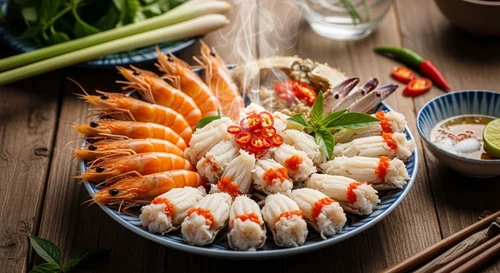
Shrimp (Prawns)
Generally considered to be in the moderate purine category. This is a crucial point for those who love these crustaceans.
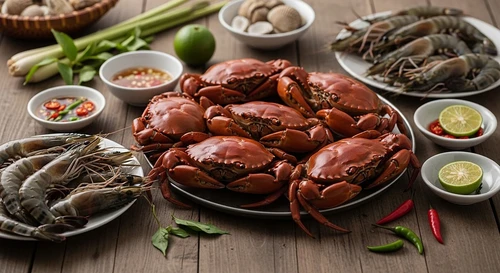
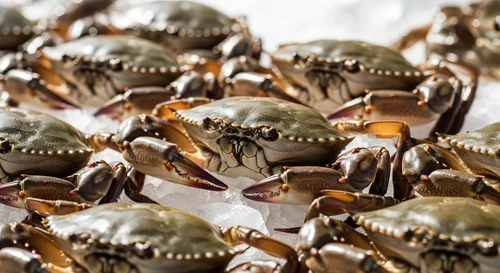
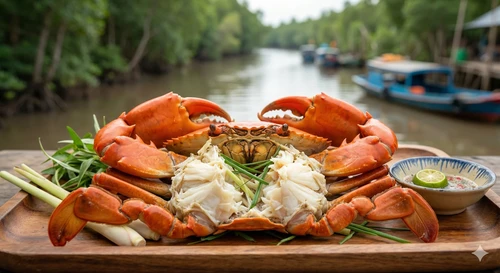
Crab
Falls into the moderate to high purine category, depending on the type and part of the crab.
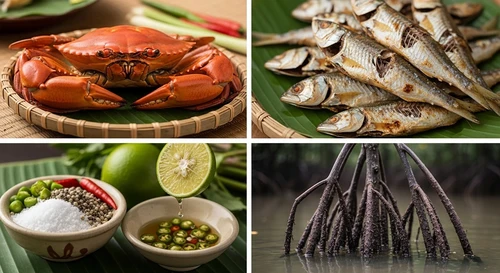
Fish
Varies widely, from low (e.g., tilapia) to very high (e.g., sardines, anchovies).
For shrimp and prawns, the key is understanding that while they do contain purines, their levels are often not as high as some red meats or organ meats, which are traditionally advised against for gout sufferers.
The Mekong Delta, particularly regions like Ca Mau, is renowned for its abundant aquaculture and wild-caught seafood. The famous
Heritage Ingredient Ca Mau Black Tiger Shrimp Large black tiger shrimp associated with mangrove aquaculture in Ca Mau, known for firm flesh and a cleaner, sweeter finish than intensively farmed shrimp. Wild spirits of the mangroves, these black-banded gems deliver a firm, snappy texture and a sweetness that echoes the forest's vibrant life. Heritage Ingredient Mekong Giant Freshwater Prawn A river prawn with long blue claws and rich head fat, common in grilled prawn dishes and hotpot traditions across the Mekong basin. Majestic blue-clawed warriors of the Mekong, famous for their rich, fatty heads and a savory depth that captures the essence of the delta's rivers. Heritage Ingredient Whiteleg Shrimp A widely used shrimp in Vietnamese home kitchens, suitable for stir-fries, soups, steamed dishes, and practical cooking articles that need a familiar shrimp reference. Translucent jewels of the coast, thin-shelled and remarkably sweet, making every simple home meal feel like a seaside celebration.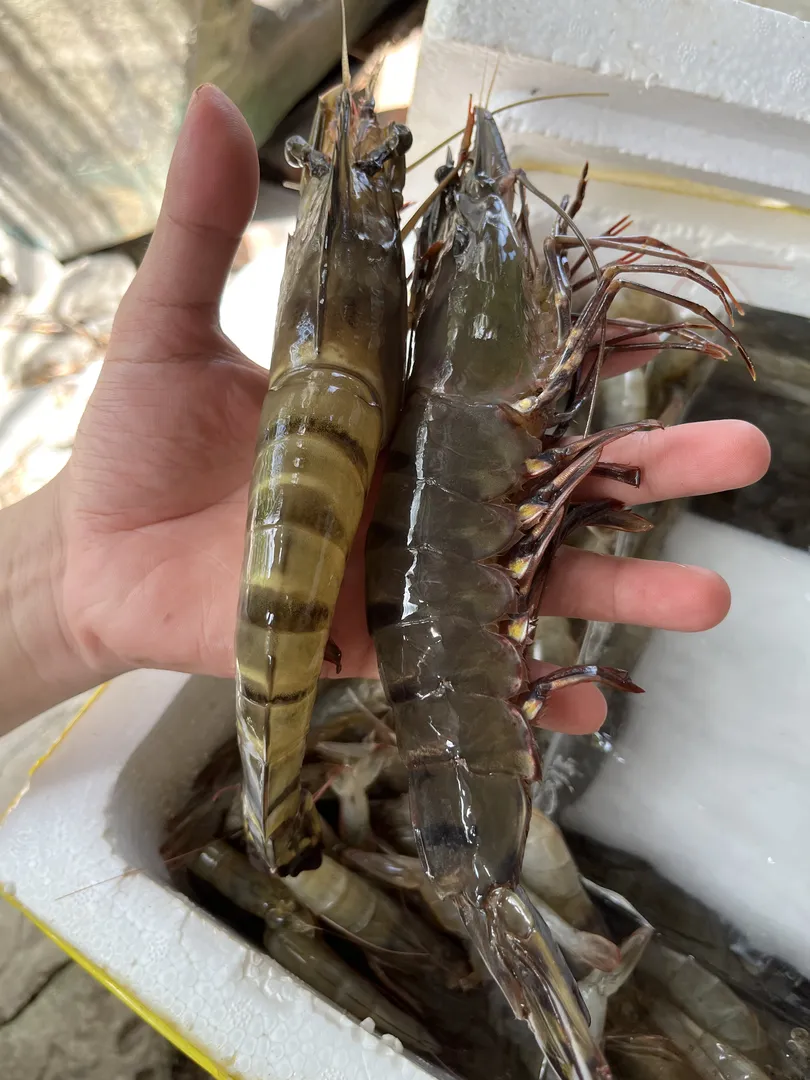
Ca Mau Black Tiger Shrimp
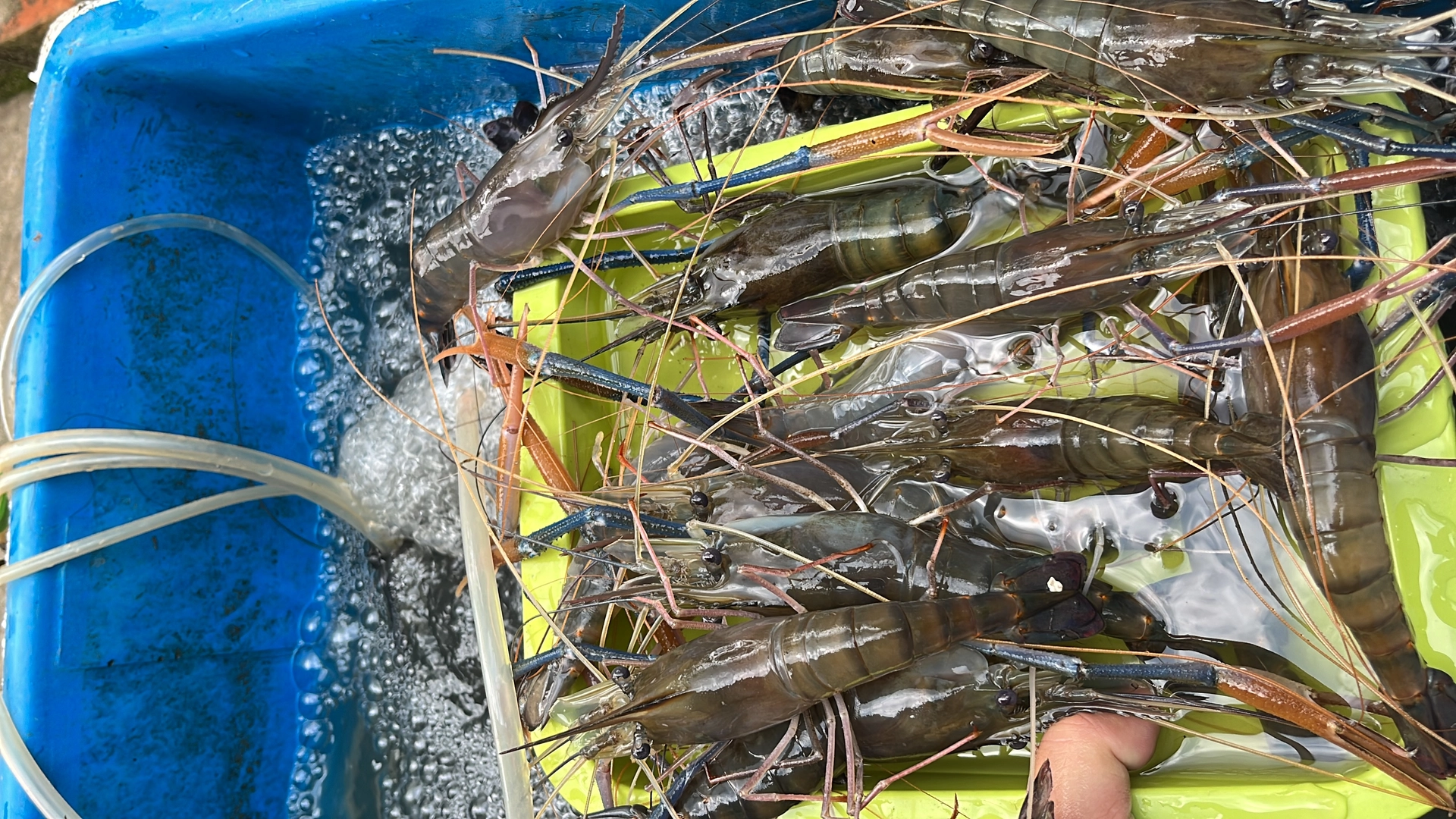
Mekong Giant Freshwater Prawn
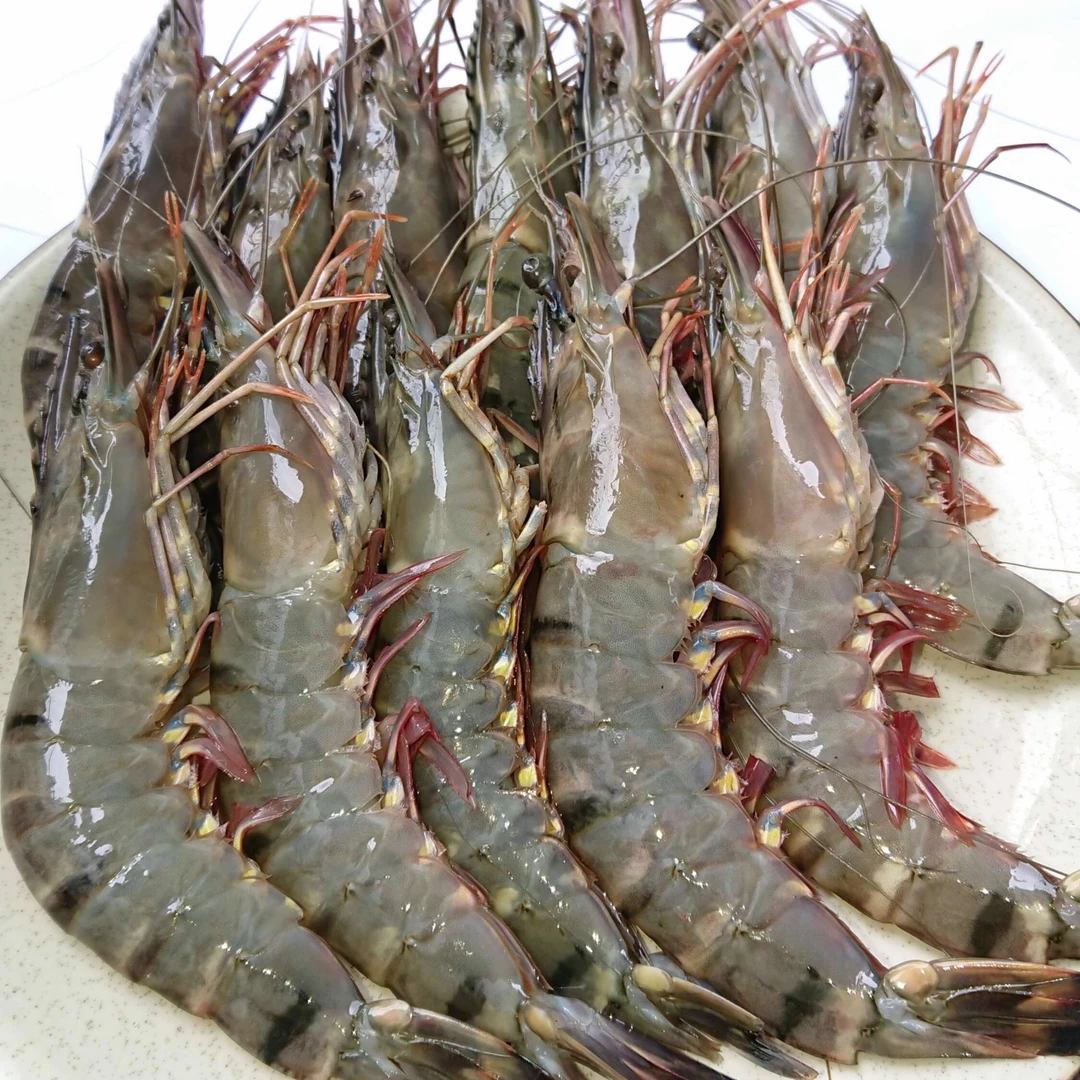
Whiteleg Shrimp
3 The Doctor's Verdict: It's Not a Ban, It's a Balance
The crucial takeaway from medical professionals is that gout patients do not necessarily need to eliminate shrimp and prawns entirely from their diet. Instead, the emphasis should be on moderation and portion control.
Expert Opinion:
"We often see patients who have unnecessarily restricted their diet, leading to nutritional deficiencies and decreased quality of life. For most gout patients, moderate consumption of moderate-purine seafood, like shrimp, can be part of a balanced diet. The key is to understand your personal triggers and to enjoy these foods as part of a larger, healthy eating pattern, rather than as a sole focus." - Dr. Anya Sharma, Rheumatologist
A serving size typically recommended is around 3-4 ounces (about 85-115 grams) of shrimp. This allows individuals to enjoy the flavor and nutritional benefits of shrimp without exceeding purine thresholds that might trigger an attack.
For the people of the Mekong Delta, who have a deep culinary connection to shrimp and prawns, this advice is particularly relevant. Seafood is not just food; it's sustenance, culture, and a way of life. Understanding how to enjoy these gifts from the rivers and sea responsibly is paramount.
4 Smart Seafood Choices for Joint Health
Prioritize Lean Protein Sources
When you include seafood, opt for those with lower purine levels or consume them in smaller portions. Focus on overall dietary balance.
Limit High-Purine Foods
Reduce intake of organ meats (liver, kidney), red meats, game, and certain fish like sardines, anchovies, and mackerel, which are significantly higher in purines.
Stay Hydrated
Drinking plenty of water helps your kidneys flush out uric acid, a crucial step in managing gout.
Combine Wisely
Pair moderate-purine seafood with plenty of vegetables, whole grains, and low-fat dairy products. Avoid pairing with other high-purine foods in the same meal.
Listen to Your Body
Pay attention to how different foods affect you. Some individuals may find specific seafood items trigger their gout, while others do not. Consulting with a healthcare provider or a registered dietitian is highly recommended.
5 Seafood's Place in Mekong Cuisine
The Mekong Delta is a vast aquatic landscape, a labyrinth of rivers, canals, and coastal mangroves. For generations, the people here have relied on its bounty for sustenance and livelihood. Shrimp and prawns are not merely ingredients; they are the lifeblood of many communities, from the coastal provinces of Ca Mau and Bac Lieu to the inland farming regions.
Traditional Mekong Delta dishes often feature seafood in its purest forms—steamed, grilled, or in delicate broths—to highlight its natural sweetness. The emphasis is on freshness, a concept deeply ingrained in the regional food culture. This inherent respect for the ingredient means that over-processing or masking its flavor is rare.
For those with gout, the challenge lies in balancing this cultural appreciation for fresh seafood with necessary health considerations. The principles of moderate consumption, mindful portioning, and informed choices are key to enjoying the rich culinary heritage of the Mekong without compromising joint health. It’s about finding harmony between tradition and modern health advice.
6 A Quick Look at Other Shellfish
While shrimp and prawns are often the main concern, other shellfish also contribute to purine intake. Understanding these differences can help in making informed choices:
- Mussels: Generally considered moderate in purines.
- Oysters: Can be moderate to high, depending on the source and type.
- Scallops: Typically fall into the moderate purine category.
- Clams: Similar to oysters, can be moderate to high.
As with shrimp, moderation is key for these shellfish as well. The best approach is to consult with a healthcare provider for personalized dietary advice tailored to your specific health needs and gout management plan.
7 Why So Much Concern? The Science Explained
The concern about purines in seafood stems from the metabolic pathway where purines are converted into uric acid by the body. When uric acid levels become too high, it can crystallize in the joints, leading to gout. Certain types of seafood, especially those with shellfish and specific fish, have been identified as containing higher purine concentrations compared to other food groups.
Research has consistently shown that diets high in purine-rich foods correlate with an increased risk of gout flares. This scientific basis is why medical advice often includes reducing intake of such foods. However, it’s important to distinguish between moderate and very high purine sources and to consider the overall diet, not just single food items.
For example, while shrimp contains moderate purines, it also offers valuable nutrients like lean protein, omega-3 fatty acids (beneficial for inflammation), and essential minerals. Eliminating it entirely might mean missing out on these benefits. The goal is to find a balance that manages uric acid levels effectively while maintaining a nutritious and enjoyable diet.
8 Your Action Plan: Enjoying Seafood Responsibly
Navigating dietary recommendations for gout can feel daunting, but by understanding the nuances, gout patients can continue to enjoy a diverse and flavorful diet.
Key Takeaways:
- Shrimp and prawns are generally considered moderate in purines.
- Moderate consumption (e.g., 3-4 oz per serving) is often acceptable for many gout patients.
- Focus on a balanced diet that includes plenty of vegetables, whole grains, and lean proteins.
- Limit high-purine foods like organ meats and certain fish.
- Stay well-hydrated to help flush uric acid.
- Always consult your doctor or a registered dietitian for personalized advice.
The culinary landscape of the Mekong Delta offers a treasure trove of delicious seafood. By applying these principles, you can savor the tastes of the region while actively managing your joint health.