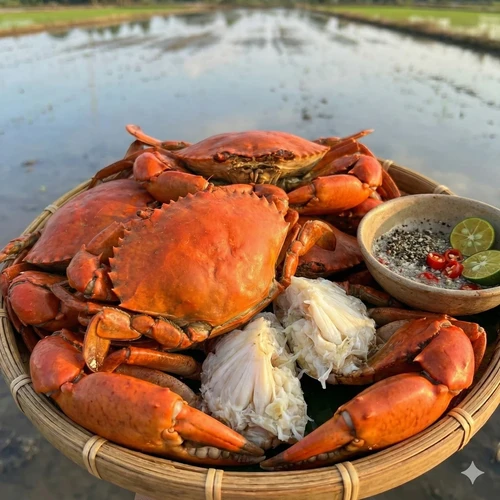
" In the bustling waterways of the Mekong Delta, the crab is king. Its shell, a fortress. But can this formidable armor truly shore up our own fragile frames? Many a grandmother has sworn by it, but let's separate folklore from fact. "
1 The Heart of the Delta: More Than Just a Meal
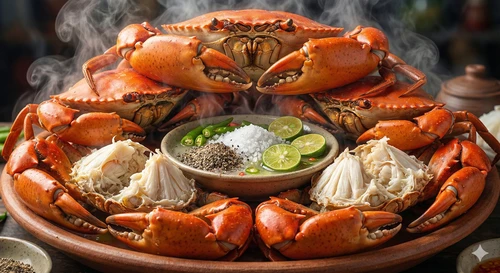
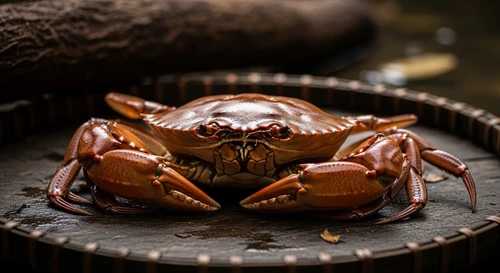
The Mekong Delta, a vast network of rivers, canals, and fertile plains in Southern Vietnam, is a treasure trove of biodiversity. Among its most prized inhabitants is the mud crab, particularly from regions like Ca Mau, renowned for its pristine mangrove ecosystems. These crabs, whether the colossal meat crabs or the roe-laden females, are not merely a food source; they are an integral part of the local economy and culture.
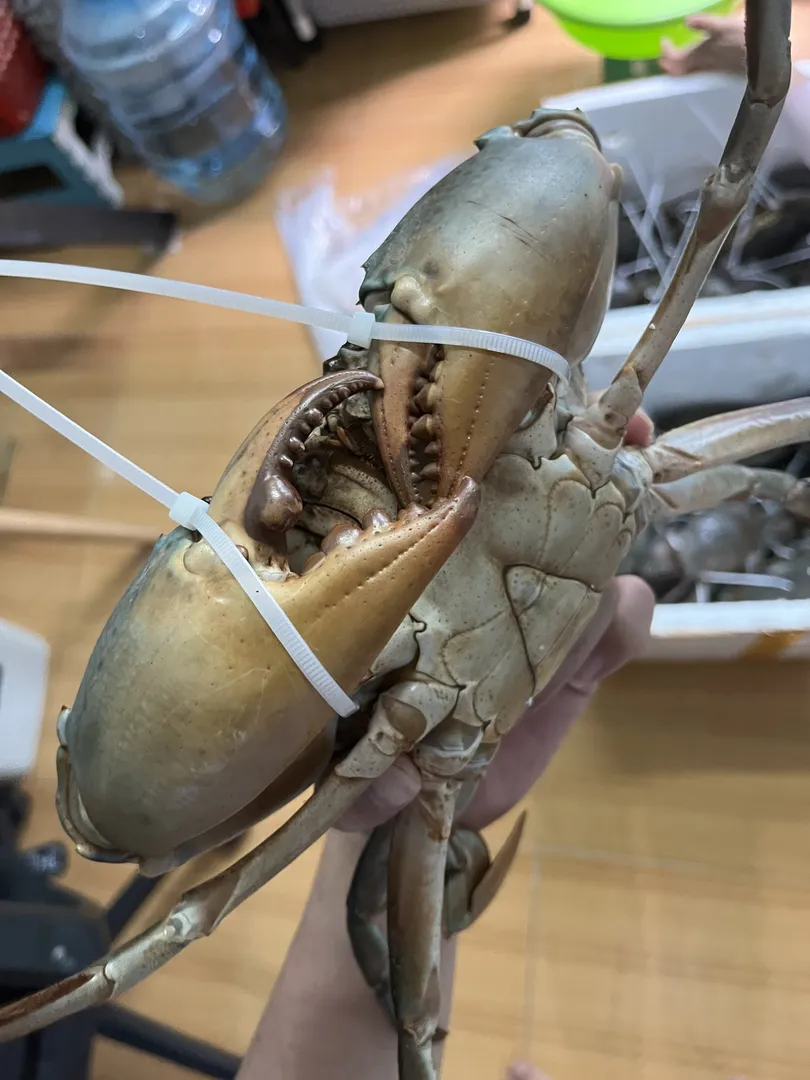
Generations have revered these creatures, learning to harvest them sustainably from the intricate mangrove forests. The sheer abundance and quality of crab here are testaments to a healthy ecosystem, one that supports livelihoods and nourishes communities. From humble street food stalls to celebratory family feasts, crab dishes are ubiquitous, embodying the spirit of the region.
2 Unpacking the "Shell-ence"
The belief that consuming crab shells directly strengthens bones is a persistent one, passed down through oral tradition. It’s a seductive idea: nature provides a ready-made calcium supplement, perfectly encased. When we see the vibrant, hard shell of a cooked crab, it *looks* robust, mineral-rich, and full of potential. But what is this shell actually made of, and can our bodies actually use it?
The primary structural component of an arthropod's exoskeleton, including that of crabs, is chitin. Chitin is a long-chain polymer of N-acetylglucosamine, a derivative of glucose. It's a polysaccharide, similar in concept to cellulose (the structural component of plants) or starch (the storage form of glucose in plants). While chitin does contain nitrogen, it does not significantly contribute to the body's calcium stores.
Another component of the crab shell is calcium carbonate, often in the form of calcite or aragonite. This is indeed the same mineral that makes up most of our bones and teeth. So, where's the disconnect?
3 The Unassailable Chitin Barrier
Here's the crux of the issue: the human digestive system is not equipped to break down chitin effectively. Unlike the enzymes we have for digesting proteins (proteases) or carbohydrates (amylases), we lack chitinase, the enzyme required to break the beta-linkages in chitin.
While some studies suggest that a tiny amount of chitin or its derivative, chitosan, might be absorbed, the quantity obtained from gnawing on crab shells is negligible. Most of it passes through the digestive tract undigested. Think of it like trying to get nutrients from chewing on a piece of plastic – it's structurally sound, but biochemically inaccessible to us.
Therefore, any calcium that might be present in the shell, bound within the chitin matrix or as calcium carbonate, remains largely locked away. Our bodies simply cannot access it in a usable form through this method. The myth persists perhaps because crab shells *are* rich in minerals, but our digestive machinery is the limiting factor.
4 Where the Calcium Really Is
If you're looking to boost your calcium intake, especially through seafood, don't despair! The Mekong Delta and Vietnamese cuisine offer excellent, bioavailable sources. The key lies in consuming parts of the organism that our bodies *can* process, or in ingredients that are inherently rich in calcium.


The most significant calcium contribution from seafood often comes from consuming small fish eaten whole, including their bones. Think of dishes like grilled sardines or anchovies where the entire fish is consumed. The bones are made primarily of calcium phosphate, which is readily digestible and absorbable by the human body.
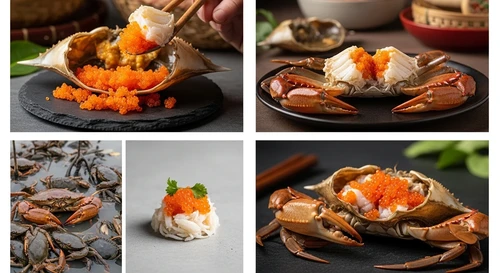
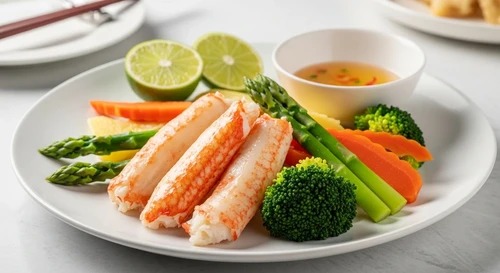
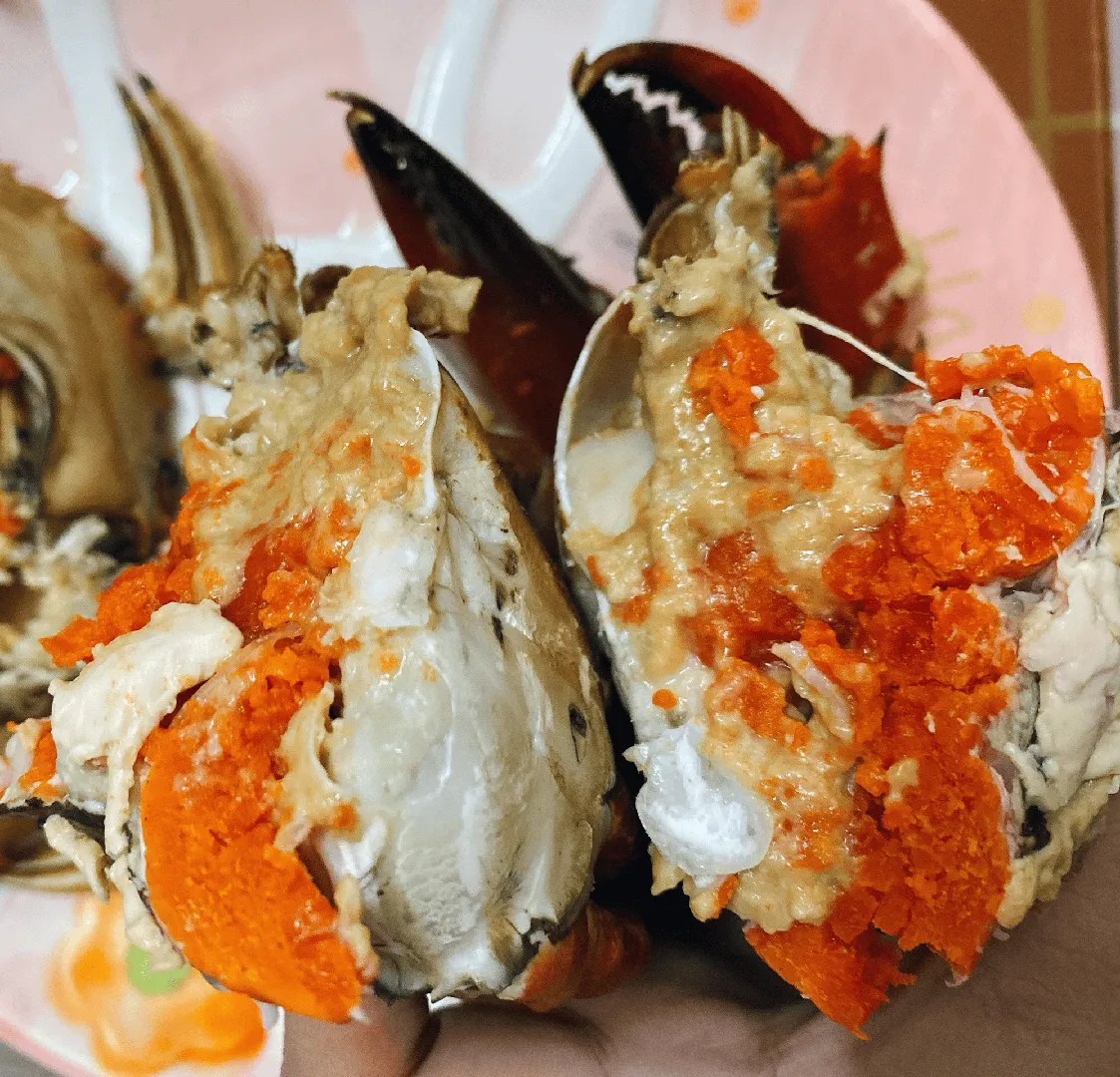
While crab shells are not a viable calcium source, other parts of the crab are nutritious. The meat itself provides protein and various minerals. For those who enjoy the rich, creamy texture, the roe (coral) of female crabs is packed with vitamins, minerals, and healthy fats, though not a primary calcium source.
Beyond seafood, the Mekong Delta offers other nutrient-rich options:
- Dark Leafy Greens: Rau muong (water spinach), cải xanh (mustard greens), and other local greens are excellent sources of calcium and vitamin K, crucial for bone health.
- Sesame Seeds: Often used in Vietnamese desserts and savory dishes, these tiny seeds pack a calcium punch.
- Tofu and Soy Products: Especially when processed with calcium sulfate, tofu can be a significant calcium source.
5 A Deeper Connection: Mangroves, Crabs, and Us
The health of the Mekong Delta's ecosystem is intrinsically linked to the health and well-being of its people. The mangrove forests, often seen as murky, inaccessible swamps, are in fact vibrant nurseries for countless species, including the crabs that sustain so many families. They act as natural barriers against coastal erosion and storm surges, filter water, and sequester carbon.
When these ecosystems thrive, the crab populations flourish, leading to better harvests and a more stable economy for fishermen and farmers. This, in turn, ensures a consistent supply of nutritious food, like high-quality crab meat, to local markets and eventually to global tables. Promoting sustainable aquaculture and conservation efforts in the Mekong Delta isn't just about protecting wildlife; it's about safeguarding a vital food source and supporting the communities that depend on it.
So, while the idea of eating crab shells for calcium is a compelling myth, the reality underscores a broader truth: true nourishment comes from understanding and respecting the natural world. The real benefits of the Mekong's crabs lie in their succulent meat, their rich roe, and the vibrant ecosystem they represent. Let's celebrate the crab for what it truly offers – delicious, high-quality protein and a connection to one of the world's most vital river deltas.
6 Beyond Diet: Building Strong Bones
While diet plays a crucial role, building and maintaining strong bones involves a holistic approach. Here are a few key recommendations from health professionals:
- Weight-Bearing Exercise: Activities like walking, jogging, dancing, and strength training stimulate bone formation and density.
- Vitamin D Intake: Essential for calcium absorption, Vitamin D can be obtained from sunlight exposure, fortified foods, and supplements.
- Limit Alcohol and Smoking: Excessive alcohol consumption and smoking are known to negatively impact bone density.
- Adequate Protein Intake: Protein is a building block for bones, and as we've seen, seafood like crab is an excellent source.
- Consult a Professional: If you have concerns about bone health, consult a doctor or registered dietitian for personalized advice and screening.
7 Seafood Wisdom: Another Common Misconception
The world of seafood and nutrition is rife with myths. Another common one relates to cholesterol in shellfish. For decades, people shied away from shrimp and crab due to their cholesterol content. However, current research suggests that dietary cholesterol has a much smaller impact on blood cholesterol levels than previously thought for most people. The focus has shifted towards saturated and trans fats. So, enjoy that delicious crab meat – in moderation, of course!
8 A Unique Case: Soft-Shell Crab
While we've established that hard crab shells aren't digestible, there's a fascinating exception: the soft-shell crab. These are typically young blue crabs that have just molted their old exoskeleton to grow. Their new shell hasn't hardened yet, making the entire creature edible.
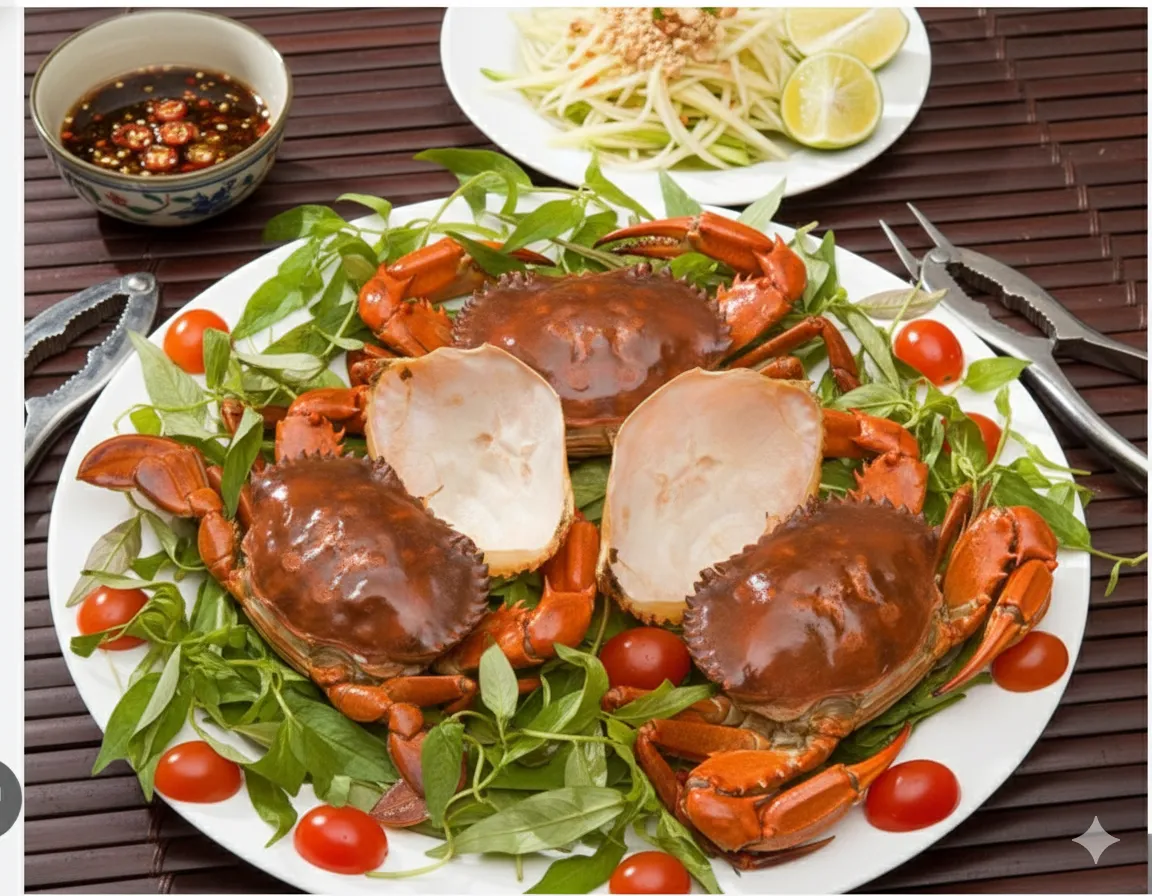
In Vietnamese cuisine, while the molting crab (cua com) is a delicacy in some regions, it's not as widely consumed or marketed globally as it is in places like the US. The edible soft shell offers a unique texture and flavor, but it's the meat and roe within that are still the primary nutritional focus. Importantly, even with soft-shell crabs, the minerals you're absorbing are primarily from the meat and internal organs, not from the soft exoskeleton itself in a way that directly translates to bone fortification.
The Takeaway
The wisdom of the Mekong Delta is vast, but sometimes, simple science prevails. While crab shells are a marvel of natural engineering, they are not a shortcut to stronger bones for humans. Focus on bioavailable calcium sources, a balanced diet, and healthy lifestyle choices. And, of course, savor the incredible, protein-rich meat of the Mekong's finest crabs.