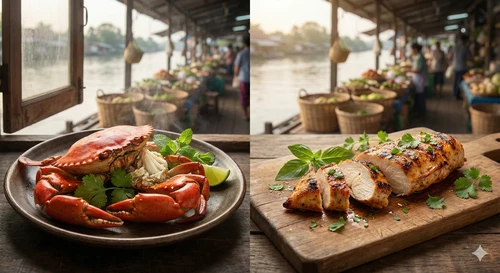
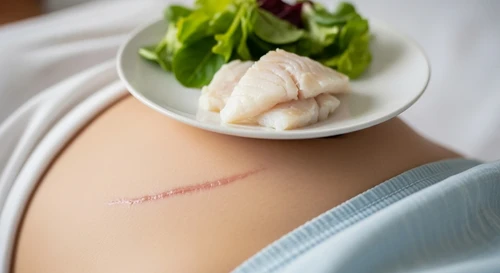
" In the labyrinthine waterways of the Mekong Delta, where lifeblood is the bounty of the rivers and the sea, authenticity is paramount. But lurking beneath the surface of pristine beauty is a darker reality – a deceptive practice that cheats both the consumer and the integrity of these precious ingredients. "

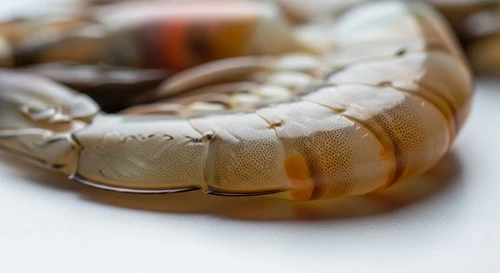
📸 The unnatural sheen: A tell-tale sign of something not quite right.
1 Rivers of Life, Seas of Treasure
The Mekong Delta, a sprawling tapestry of emerald rice paddies and serpentine waterways, is one of Southeast Asia's most vital food bowls. Its vast network of rivers, canals, and mangrove-lined coastlines teems with an incredible diversity of seafood. From the coveted mud crabs of Ca Mau, with their dense, sweet meat, to the plump black tiger shrimp cultivated in the brackish waters, this region's aquatic life is its very essence.
For generations, the people of the Delta have lived in harmony with this environment, their livelihoods intrinsically tied to the ebb and flow of the tides. The seafood here is not just sustenance; it's a symbol of regional pride, a testament to a rich culinary heritage passed down through families. This bounty, however, faces threats, not just from environmental changes, but from human greed that seeks to exploit its value through illicit means.
Heritage Ingredient
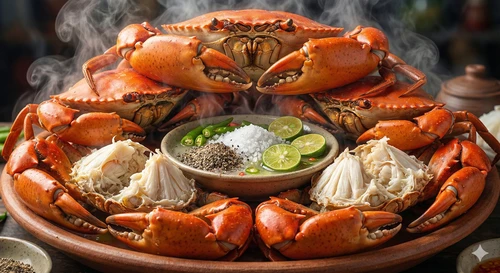
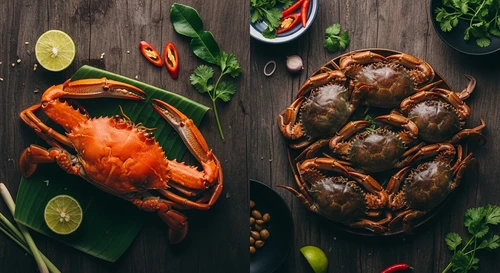
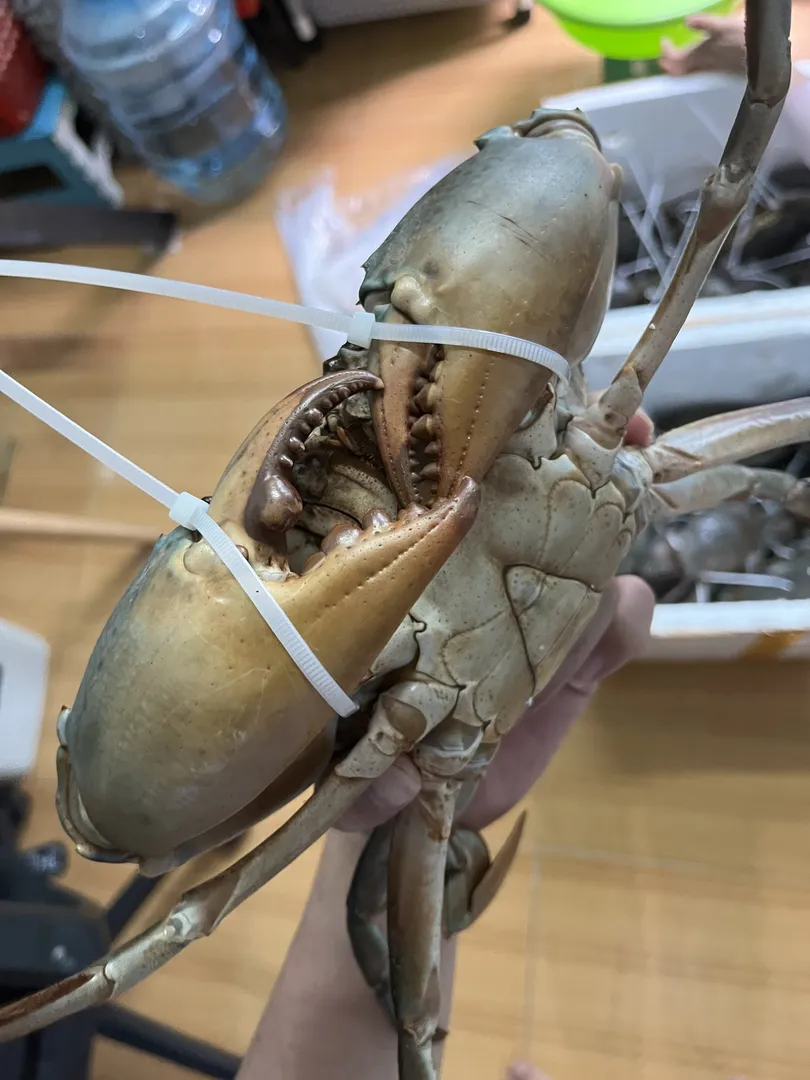
Ca Mau Jumbo Mud Crab
Ca Mau Jumbo Mud Crab
A large male mud crab prized for dense, sweet meat and thick claws, commonly used in steamed crab and grilled crab dishes across the Mekong Delta.
An icon of coastal culinary heritage, featuring firm, sweet meat that captures the raw power and freshness of Ca Mau's tides.
When you encounter seafood, especially in bustling markets or from less reputable vendors, it's crucial to understand the difference between nature's perfection and man-made deception. The practice of injecting seafood with substances to artificially inflate its weight is a growing concern, threatening to tarnish the reputation of otherwise pristine products.
2 The Art of the Injector
The most common adulterants used are agar-agar (a gelatinous substance derived from seaweed) or starch-based solutions. Sometimes, even simple water or saline solutions are injected. The goal is straightforward: to make the seafood look plumper, heavier, and therefore more valuable at the point of sale. This is particularly prevalent with shrimp and crabs, which have shells that can conceal the added bulk.
Why is this dangerous? Beyond the obvious deception, these injections can introduce:
- Bacterial Contamination: Unsterile injection methods can introduce harmful bacteria into the seafood, leading to food poisoning.
- Chemical Preservatives: Sometimes, preservatives are added to the injected solution to prevent spoilage, which can be harmful if consumed regularly or in large quantities.
- Altered Texture and Flavor: The natural taste and texture of the seafood are compromised, diminishing its quality and enjoyment.
Heritage Ingredient
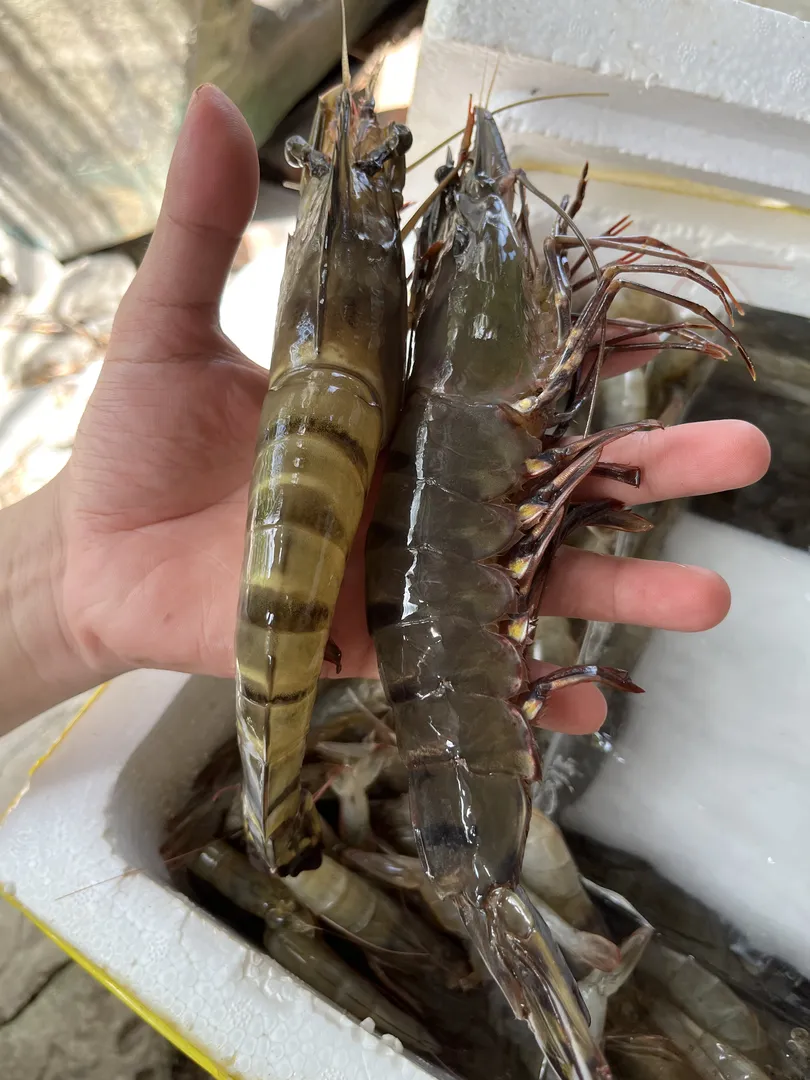
Ca Mau Black Tiger Shrimp
Ca Mau Black Tiger Shrimp
Large black tiger shrimp associated with mangrove aquaculture in Ca Mau, known for firm flesh and a cleaner, sweeter finish than intensively farmed shrimp.
Wild spirits of the mangroves, these black-banded gems deliver a firm, snappy texture and a sweetness that echoes the forest's vibrant life.
3 Your Sixth Sense for Seafood
Developing an eye for quality seafood is a skill honed over time, especially in regions where authenticity is key. Here’s what to look for:
For Shrimp:
- Weight and Firmness: Gently pick up a shrimp. If it feels unnaturally heavy for its size, or if the body is overly stiff and feels 'solid' in an unyielding way, it might be injected. Natural shrimp have a pleasant, firm-but-flexible texture.
- Appearance: Look for a translucent, slightly yielding body. If the shrimp looks unnaturally swollen, opaque, or has a "waxy" sheen, be suspicious. The shell might also appear slightly stretched.
- Head Attachment: Injected shrimp may sometimes have a looser connection between the head and body due to the internal pressure from the injection.
- Water Leakage: Sometimes, injecting can cause the seafood to exude excess liquid or slime, particularly if the injection point is visible or if the integrity of the shell is compromised.
For Crabs:
- Shell Integrity: Carefully examine the shell. Look for any small puncture marks, which might indicate injection points, especially around the legs or joints.
- Unnatural Firmness: Like shrimp, injected crabs can feel heavier than they should. The body might also feel unnaturally firm or 'gelatinous' when pressed gently.
- Appearance: While crabs are naturally robust, an injected crab might look "bloated" or have an unusual sheen. Roe crabs (female crabs with roe) should look full of roe, not just artificially plump.
- Claws and Legs: Pay attention to the connections. Sometimes, injections can cause unnatural bulging or a difference in firmness around these areas.
4 A Simple Kitchen Test
If you're still unsure after visual inspection, a simple test can often reveal the presence of agar-agar or other jelly-like substances:
The Water Test
This is particularly effective for shrimp. When you cook or even just wash the seafood, observe the water.
Natural Seafood:
When cooked or rinsed, it releases natural juices and a clean aroma. The water remains relatively clear, perhaps with a slight pinkish hue from the shell.
Injected Seafood:
If injected with agar-agar or similar substances, the water may become cloudy, gelatinous, or thick. You might even see strands of jelly or a distinctly viscous liquid form. The smell might also be less 'ocean fresh' and more chemically or bland.
5 Navigating the Markets
In the heart of the Mekong Delta, where seafood markets are a vibrant pulse of daily life, making informed choices is paramount. Here are some strategies:
- Buy from Trusted Sources: Whenever possible, purchase from vendors known for their integrity or from established cooperatives and aquaculture farms that adhere to quality standards. Building relationships with local fishermen or market vendors who have a reputation for honesty is invaluable.
- Observe the Handling: Watch how the seafood is displayed and handled. Is it kept on ice? Is it visibly fresh and vibrant? Does the vendor seem knowledgeable and proud of their product?
- Ask Questions: Don't hesitate to ask vendors about the origin of their seafood. A reputable seller will be happy to share details about where and how the seafood was caught or farmed.
- Trust Your Senses: The smell of fresh seafood should be clean, like the sea. Any strong, ammonia-like, or unpleasant odor is a major red flag.
- When in Doubt, Move On: There are always other options. If something feels off about the seafood or the vendor, it's best to walk away and find a more trustworthy source.
Heritage Ingredient
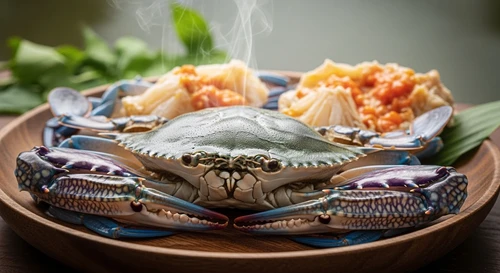
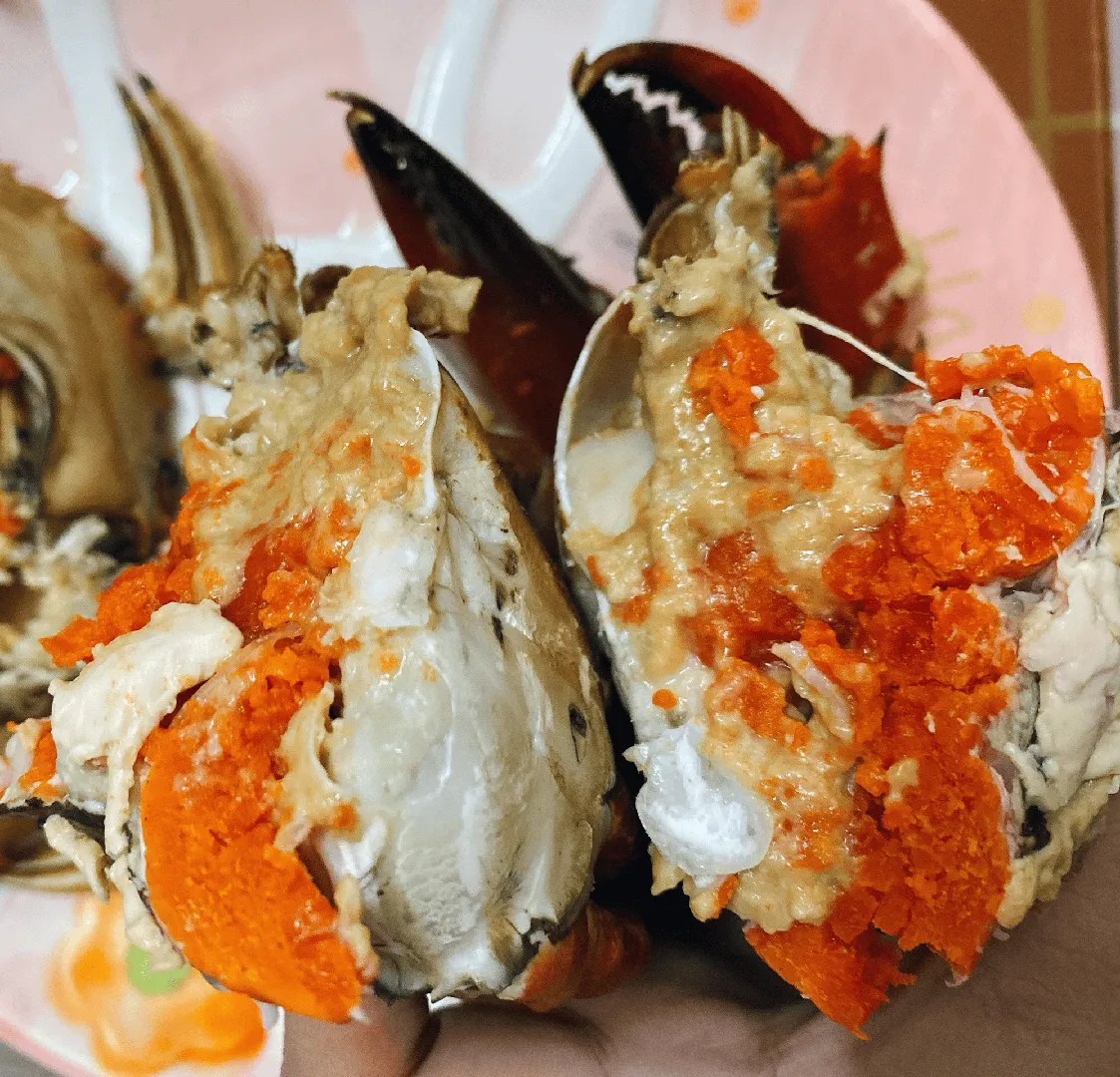
Ca Mau Roe Mud Crab
Ca Mau Roe Mud Crab
A female mud crab known for deep orange roe and a rich, creamy finish, often featured in celebratory Southern Vietnamese seafood meals.
A crimson treasure hidden within a shell, boasting rich, creamy roe that melts on your tongue like a golden sunset over the delta.
6 Beyond the Plate: A Matter of Trust
The practice of injecting seafood isn't just about short-term financial gain; it erodes consumer trust and can have long-term consequences for the reputation of a region's signature products. For destinations like the Mekong Delta, where high-quality seafood is a cornerstone of its identity and economy, such deceptive practices are particularly damaging.
Consumers who fall victim to these scams may become wary of purchasing seafood from the region altogether, impacting legitimate fishermen, farmers, and businesses who rely on the integrity of their products. Educating yourself and others is a crucial step in combating this issue. By demanding transparency and choosing wisely, you not only protect your own health but also support the sustainable future of the Mekong Delta's invaluable seafood industry.
7 Fighting the Fraud
Authorities in Vietnam, particularly in coastal and aquaculture-rich regions like Ca Mau and the broader Mekong Delta, are aware of these fraudulent practices and are working to combat them. This includes:
- Increased Inspections: Regular market checks and inspections at processing facilities are conducted to identify adulterated seafood.
- Public Awareness Campaigns: Educating consumers and businesses about the dangers and illegality of seafood fraud.
- Stricter Regulations and Penalties: Implementing and enforcing laws against food adulteration with significant fines and potential legal action for offenders.
- Traceability Initiatives: Exploring and promoting systems that allow consumers to trace the origin and journey of their seafood, ensuring accountability.
However, the vastness of the waterways and the informal nature of some markets make enforcement a constant challenge. Consumer vigilance remains one of the most powerful tools in this ongoing battle.
8 Your Health, Your Choice
The Mekong Delta offers an unparalleled culinary journey, brimming with seafood that is a source of national pride and international acclaim. By understanding the subtle signs of adulteration and trusting your senses, you empower yourself to make informed choices. Seek out quality, support honest vendors, and savor the true, unadulterated taste of the Delta's incredible bounty.
Remember: Freshness, firmness, and a clean scent are your best allies. When in doubt, the safest bet is to choose seafood from sources you trust.