" In the labyrinthine culinary tapestry of the Mekong Delta, few delights are as intensely debated as the rich, orange treasure found within a female mud crab: its roe. "
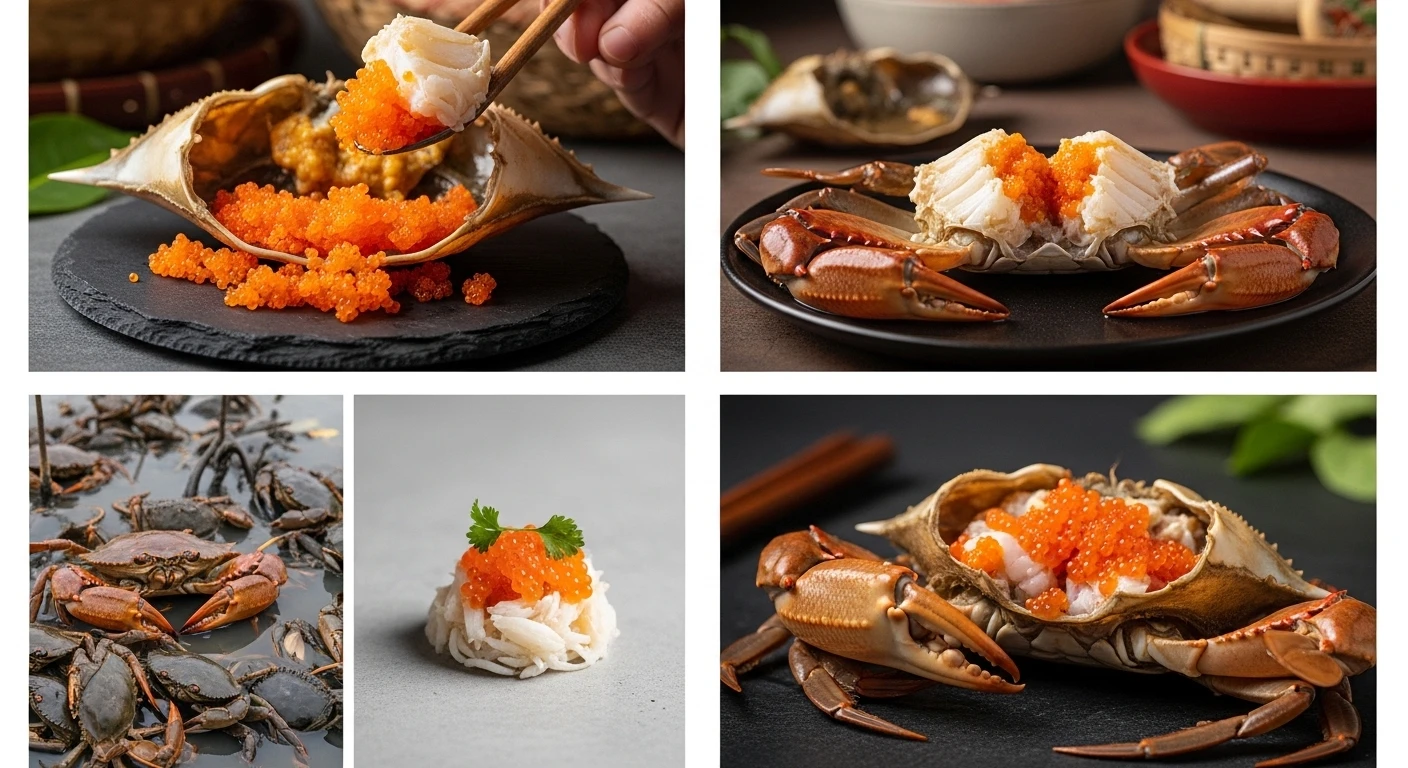
📸 The unmistakable hue of delicious, yet potentially problematic, crab roe.
1 The Mekong's Gift: Crab from Ca Mau
The Mekong Delta, a sprawling network of rivers, canals, and coastal plains, is Vietnam's agricultural heartland and a veritable ocean pantry. Among its most prized inhabitants are the mud crabs, particularly those from the Ca Mau province, renowned for their sweet meat and, in the case of females, their rich, succulent roe. For generations, these crabs have been a staple, a source of livelihood, and a cornerstone of regional cuisine. Coastal communities along the Gulf of Thailand and the East Sea meticulously farm or harvest these crustaceans, bringing them to bustling floating markets and local eateries.
When you encounter a crab prepared in the traditional Southern Vietnamese style, particularly in the Mekong region, the roe is often a highlight. It’s often reserved for special occasions or enjoyed by those who appreciate its intense flavor and creamy texture. However, like many culinary treasures, its very richness brings a cautionary tale.
Meat vs. Roe: A Different Beast
While the white meat of the crab is typically lean and a good source of protein, the bright orange (or sometimes reddish) roe is an entirely different nutritional profile. It's a concentration of fat and cholesterol.
Ca Mau's Coastal Harvest
The mud crabs of Ca Mau, especially the female "crab roe" variety (cua gạch), are sought after for this very characteristic. They are often prepared simply, like steaming, to let the roe's unique flavor and texture shine.
2 The Cholesterol Concern
Let's cut to the chase. Crab meat itself is relatively low in cholesterol. A 3.5-ounce (100-gram) serving of steamed crab meat typically contains around 45-60 mg of cholesterol. This is generally considered acceptable within a balanced diet, even for individuals managing their cholesterol. However, the roe is a different story entirely.
Crab roe is incredibly dense with cholesterol. A 3.5-ounce (100-gram) serving can contain upwards of 350-450 mg of cholesterol. To put that into perspective, the general recommendation for dietary cholesterol intake is to limit it to less than 300 mg per day for healthy individuals, and even less for those with existing heart conditions.
⚠️ Dietary Warning for Heart Patients
If you have high cholesterol, heart disease, or are at risk, consuming crab roe can significantly impact your blood lipid levels. It's crucial to be aware of this and make informed choices.
This stark difference is why many health professionals advise caution when it comes to enjoying crab roe, particularly for those with pre-existing cardiovascular concerns.
3 Understanding Crab Varieties
In the markets of the Mekong Delta, you'll often distinguish between male crabs (cua thịt) and female crabs (cua gạch). The males are prized for their dense, sweet meat, found primarily in the body and large claws. The females, while also offering good meat, are primarily sought after for their roe, which fills the carapace and can be a vibrant orange-red when cooked.
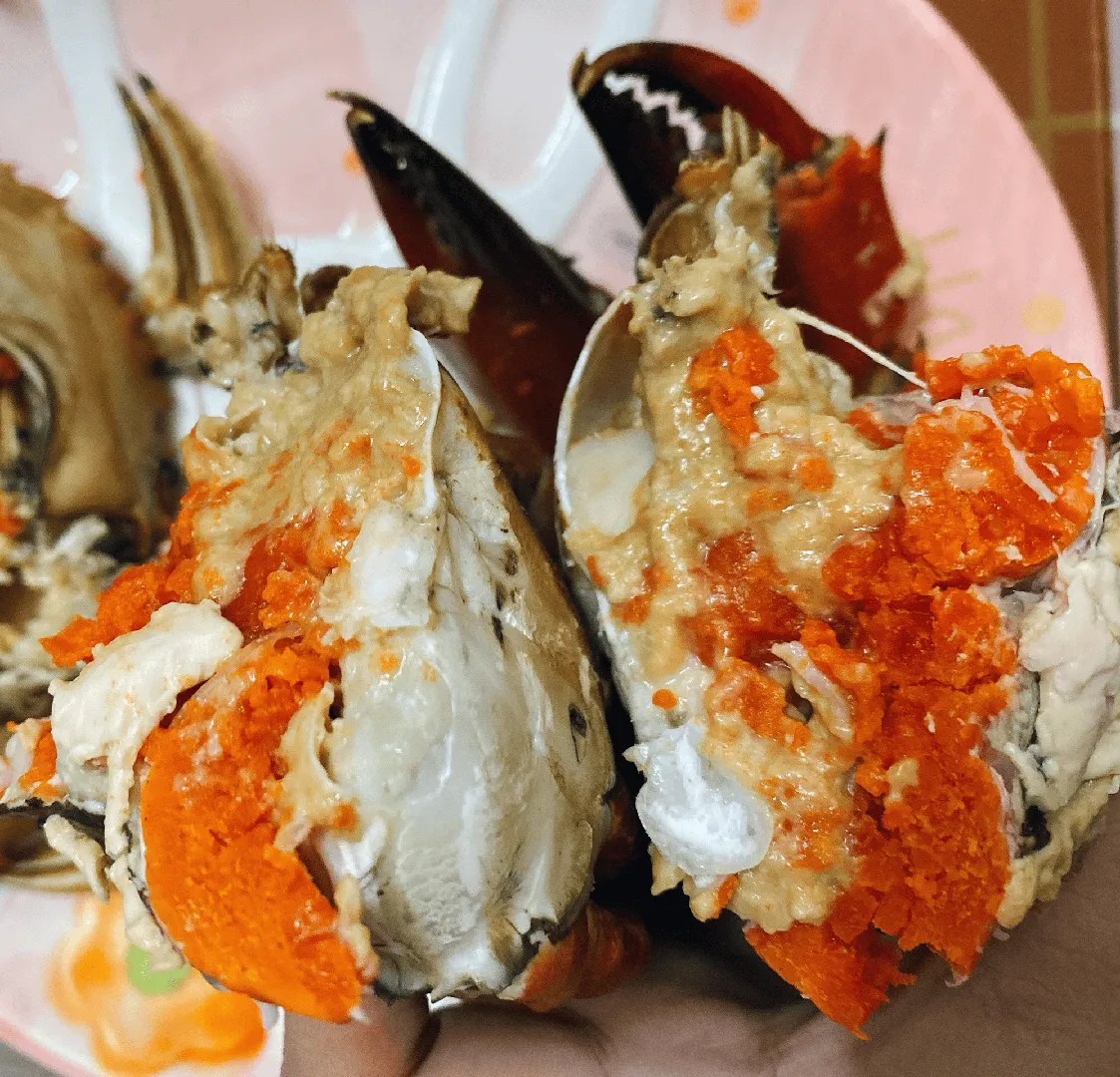
Heritage Ingredient
Ca Mau Roe Mud Crab
Ca Mau Roe Mud Crab
A female mud crab known for deep orange roe and a rich, creamy finish, often featured in celebratory Southern Vietnamese seafood meals.
A crimson treasure hidden within a shell, boasting rich, creamy roe that melts on your tongue like a golden sunset over the delta.
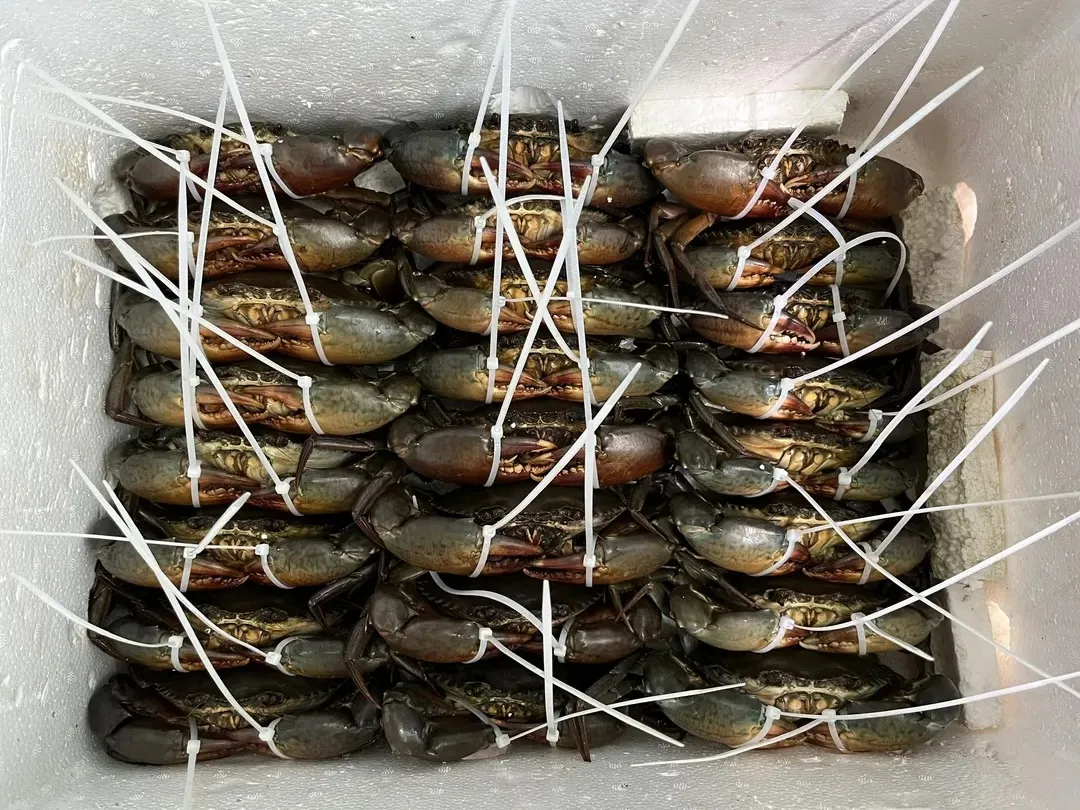
Heritage Ingredient
Export-Grade Ca Mau Roe Crab
Export-Grade Ca Mau Roe Crab
A carefully sorted roe crab selected for size, shell quality, and roe consistency, suitable for explaining premium grading in Vietnamese crab culture.
The pinnacle of perfection—pristine shells and bursting roe, meticulously selected to conquer the hearts of global gourmets.
When selecting a crab, the visual cues are important. A heavy crab for its size often indicates good meat or roe content. For those focused purely on lean protein, the male mud crab is often the better choice. If the lure of that rich, buttery roe is irresistible, then the female 'crab roe' variety is what you're after – but proceed with caution.
4 The Art of Portion Control
For those who aren't significantly at risk for heart disease but want to enjoy crab roe more mindfully, portion control is your best friend. It's not about eliminating a food entirely, but about savoring it in moderation.
💡 Smart Indulgence Tip
Instead of consuming a large portion of roe at once, treat it as a flavorful accent. A small spoonful mixed with crab meat, or a tiny bit savored alongside a lean protein, can satisfy the craving without overwhelming your system.
Think of it like this: if a whole steamed crab with abundant roe is a feast, then a small, carefully selected amount of that roe, perhaps from one crab enjoyed over a week, is a delightful treat. It's about balance and respecting your body's needs.
5 Cooking Methods Matter
The way crab is prepared plays a significant role in its overall health profile. For those mindful of cholesterol and fat intake, cooking methods that don't add extra fats are ideal.
Steaming & Boiling
These are the champions of healthy crab preparation. They require no added oils and allow the natural flavors of the crab and its roe to come through. Recipes like 'Cua Hấp Bia' (Steamed Crab with Beer) or simple boiled crab highlight the ingredient itself.
Avoid Fried & Rich Sauces
Dishes that involve deep-frying crab or smothering it in rich, creamy, or buttery sauces will significantly increase the fat and calorie content, exacerbating the impact of the cholesterol in the roe.
6 Mud Crab: More Than Just Food
Understanding the life cycle of the mud crab (Scylla serrata) offers a deeper appreciation for its presence in the Mekong Delta's ecosystem and economy. These crabs are anadromous, meaning they migrate between fresh and saltwater environments. They are often found in mangrove areas, brackish estuaries, and coastal waters – habitats that define much of the Mekong's unique landscape. Aquaculture, particularly in provinces like Ca Mau and Bac Lieu, plays a crucial role in sustaining the supply.
The concept of "cua gạch" (roe crab) is tied to the female crab's reproductive cycle. When a female crab is ready to spawn, her carapace fills with nutrient-rich roe, preparing her for the demanding process of fertilization and egg-laying. This is the roe that gourmands covet, and it's this biological function that leads to its concentrated nutritional profile.

📸 Life in the mangroves: Mud crabs are intrinsically linked to the Mekong Delta's coastal livelihoods.
7 Savor Responsibly
The culinary journey through the Mekong Delta is one of incredible richness and diversity. Crab, particularly from Ca Mau, is a jewel in its crown. The sweet, succulent meat offers a lean protein source, while the roe presents a unique, luxurious indulgence.
However, for those concerned about heart health, the decision to include crab roe in one's diet requires careful consideration and moderation. Understand the nutritional differences between crab meat and crab roe, be mindful of portion sizes, and opt for healthier preparation methods. Consulting with a healthcare provider or a registered dietitian is always the best course of action when making dietary changes, especially when managing chronic health conditions like high cholesterol.
Enjoy the flavors of the Mekong Delta, but always listen to your body and your doctor.
More on Healthy Eating
View More Health & Nutrition
High Cholesterol and Crab Roe: A Warning for Heart Patients
While crab meat is lean, the delicious orange roe is packed with cholesterol. How to portion your seafood safely.
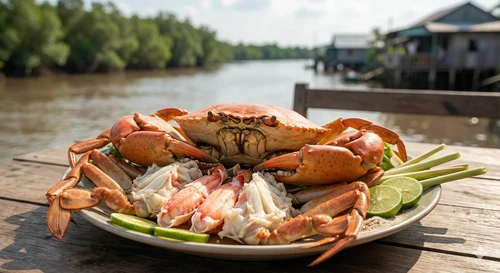
Cholesterol Myths: Is Crab Bad for Heart?
Debunking the myth about seafood and cholesterol.
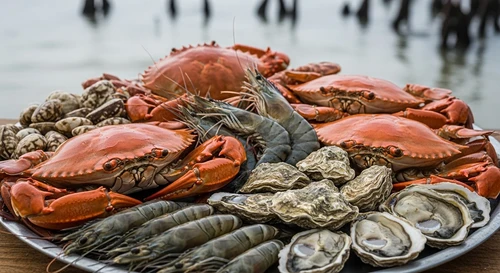
Zinc from the Sea: Why Seafood is Essential for Male Vitality
Exploring the scientific facts behind crab meat, oysters, and their high zinc content for men's health and stamina.
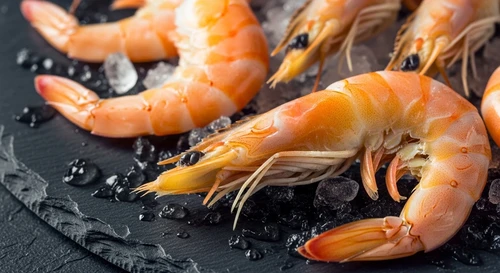
Frozen Shelled Shrimp and Preservatives: What Are You Really Eating?
Investigating the use of Sodium Metabisulfite (a bleaching agent) in supermarket frozen shrimp and its health impacts.
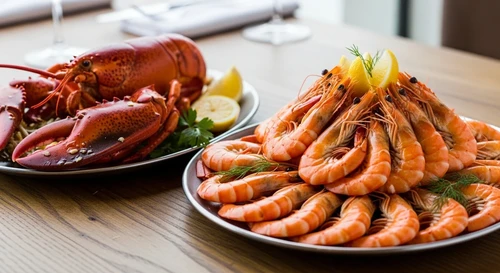
Nutrition Index Comparison: Is a $100 Lobster More Nutritious Than a Cheap Tiger Prawn?
Nutritionists break down the difference in vitamins and minerals between various shrimp and lobsters to help consumers make smart choices.
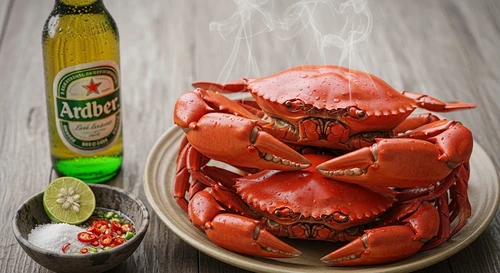
Drinking Ice Cold Beer with Crab: A Recipe for Stomach Cramps?
Why combining 'cold' seafood proteins with ice-cold alcohol can trigger severe gastrointestinal distress.
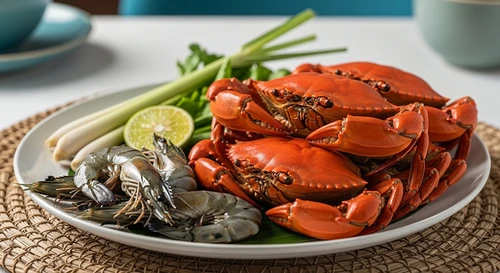
Should Diabetics Limit Their Intake of Crabs and Seafood?
Blood sugar management menu: Seafood is rich in protein, but one must pay attention to the cholesterol intake.
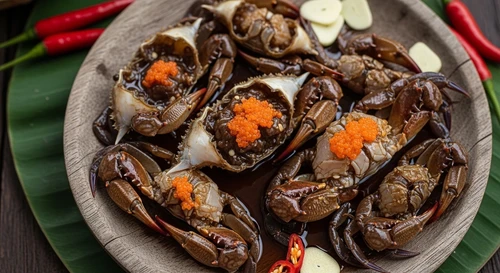
Can Eating Raw Ba Khia Give You Parasites? A Health Warning
Understanding the risks of lung flukes and parasites in raw freshwater/brackish crabs, and how safe fermentation works.
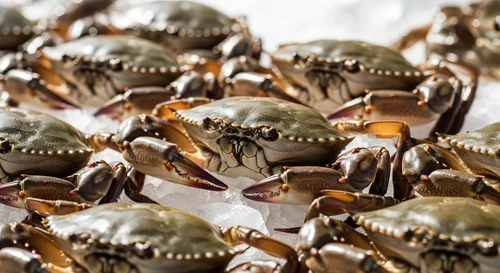
Acute Food Poisoning Risk from Eating Crabs Dead for Several Days
A warning about the Histamine toxin produced from decomposing crabs, which causes vomiting and diarrhea and cannot be destroyed by boiling.