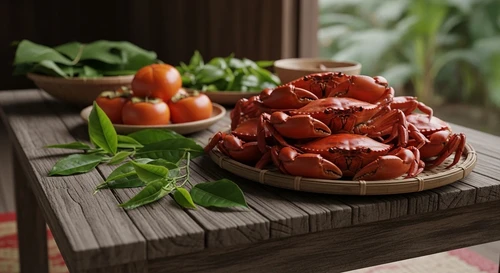
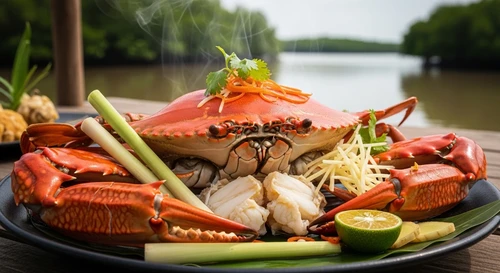
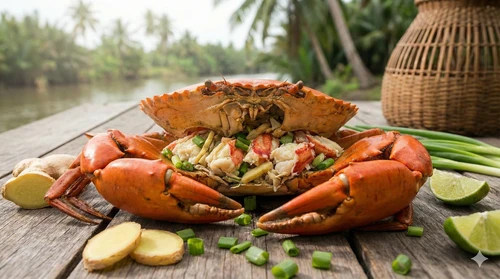
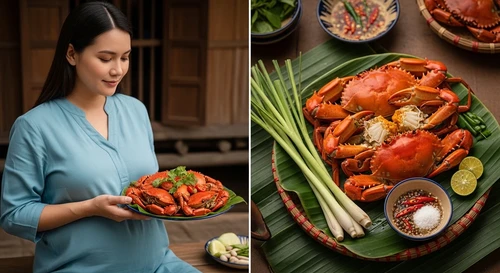
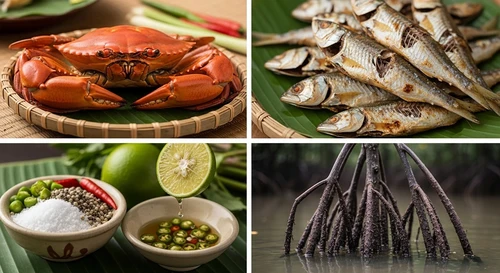
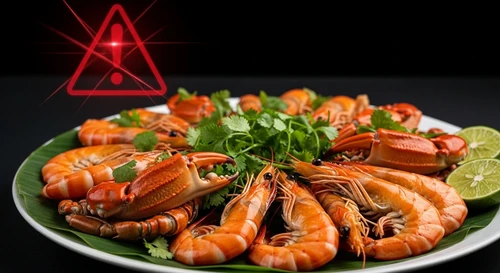
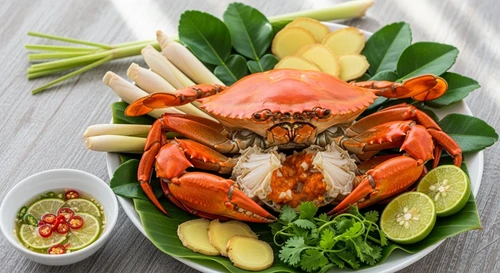
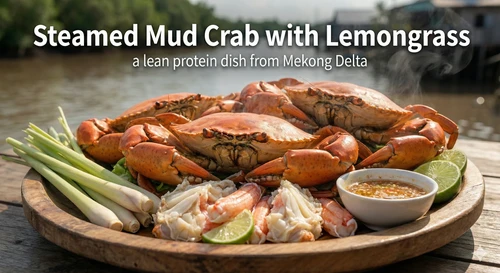
" The Mekong Delta is a liquid labyrinth, teeming with life and culinary treasures. But beauty often conceals a shadow. We chase the freshest catch, yet sometimes, the greatest danger lies not in the ocean's might, but in the silent, invisible processes that unfold once life leaves the water. "
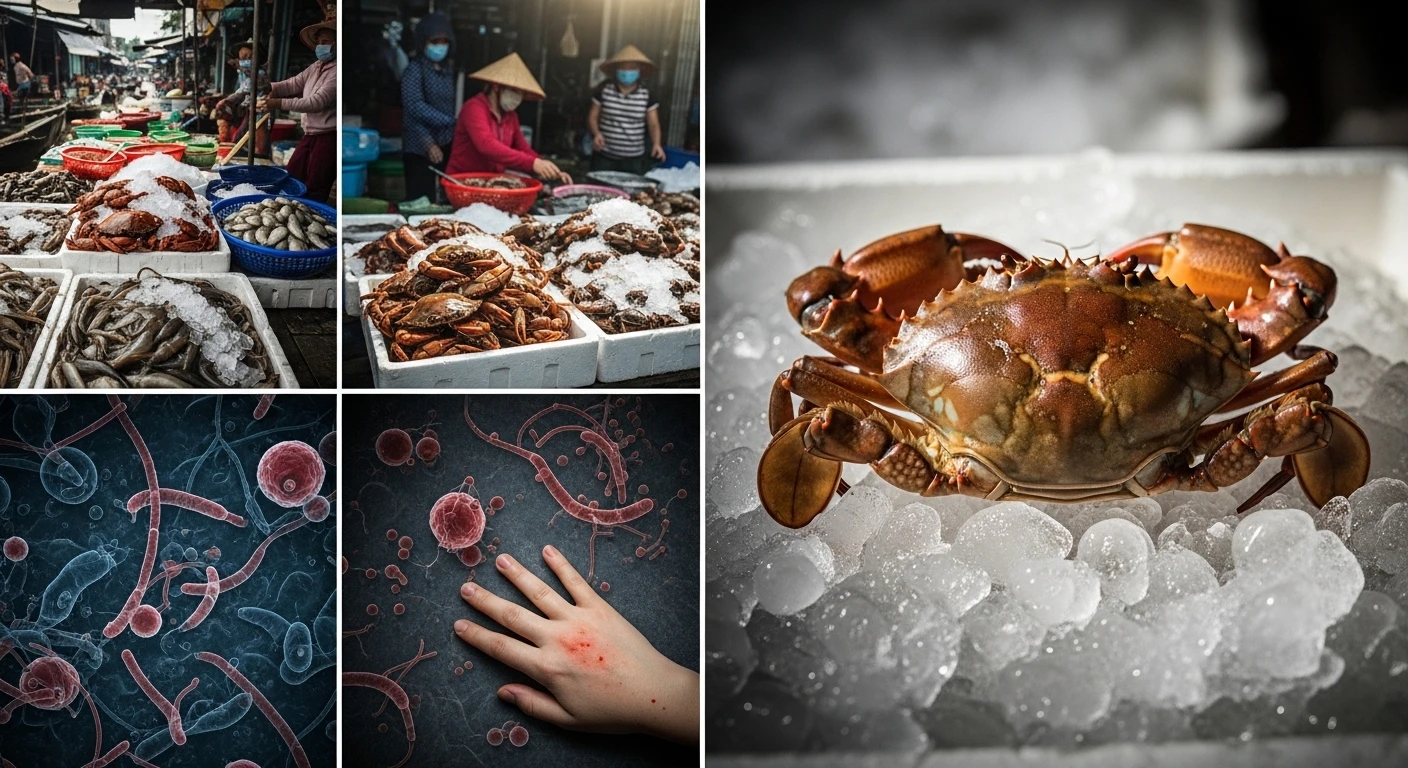
📸 The visual warning: A crab that has lost its vibrant, lively hue.
1 The River's Bounty and Its Hidden Peril
The Mekong Delta, with its intricate network of rivers, canals, and brackish waters, is a paradise for seafood lovers. Ca Mau province, particularly, is famed for its robust mud crab fisheries, supplying some of the finest crustaceans to markets across Vietnam and beyond. You'll see magnificent specimens, like the Ca Mau Jumbo Mud Crab, glistening on ice or still wriggling in wicker baskets.
Heritage Ingredient
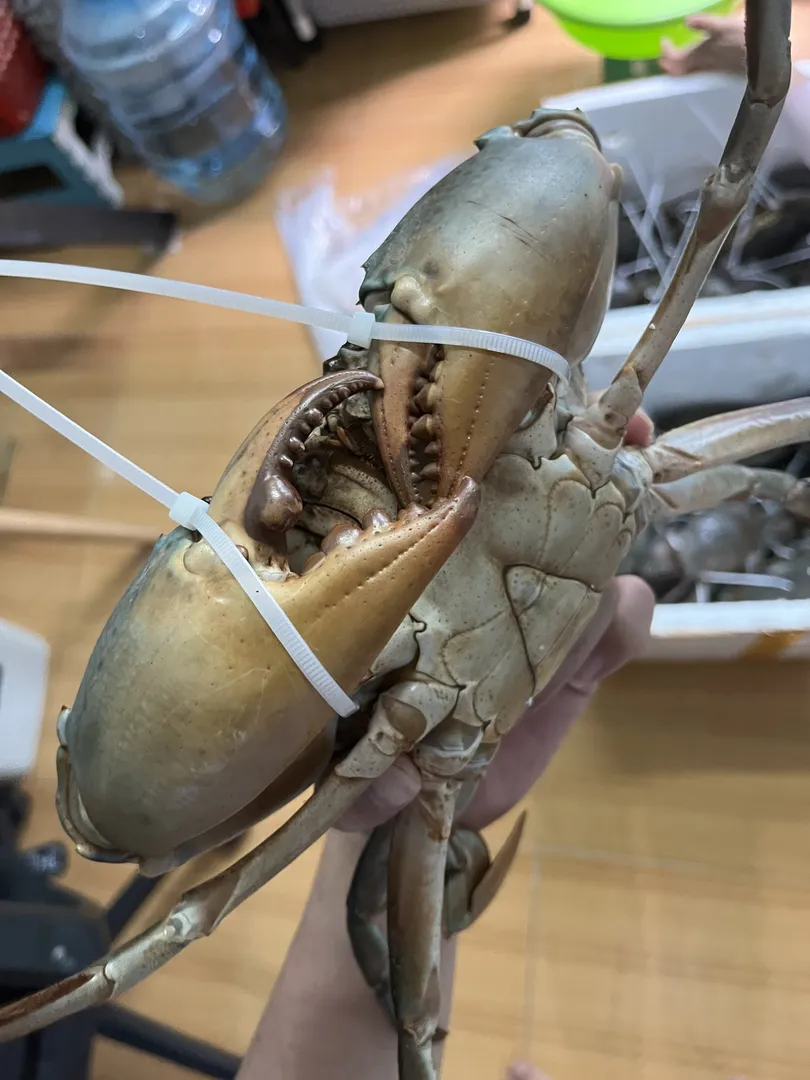
Ca Mau Jumbo Mud Crab
Ca Mau Jumbo Mud Crab
A large male mud crab prized for dense, sweet meat and thick claws, commonly used in steamed crab and grilled crab dishes across the Mekong Delta.
An icon of coastal culinary heritage, featuring firm, sweet meat that captures the raw power and freshness of Ca Mau's tides.
Heritage Ingredient
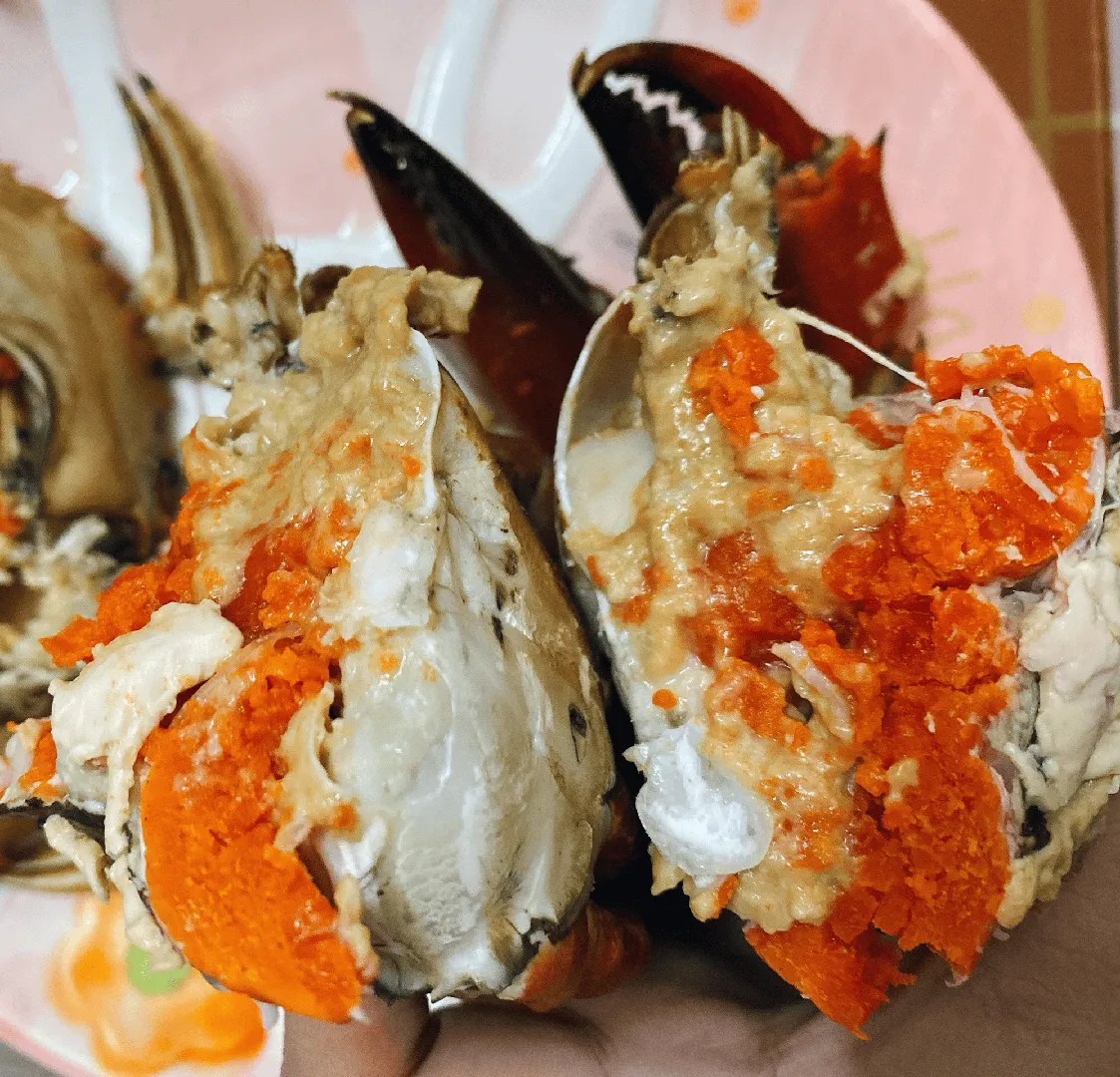
Ca Mau Roe Mud Crab
Ca Mau Roe Mud Crab
A female mud crab known for deep orange roe and a rich, creamy finish, often featured in celebratory Southern Vietnamese seafood meals.
A crimson treasure hidden within a shell, boasting rich, creamy roe that melts on your tongue like a golden sunset over the delta.
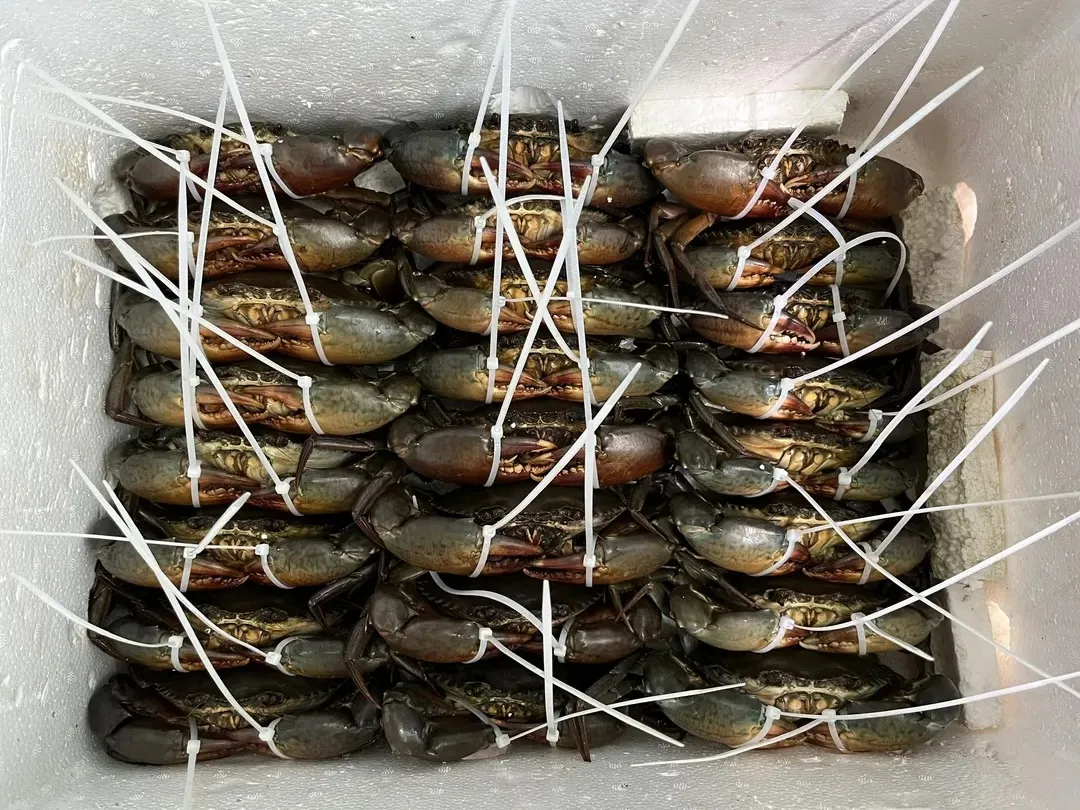
Heritage Ingredient
Export-Grade Ca Mau Roe Crab
Export-Grade Ca Mau Roe Crab
A carefully sorted roe crab selected for size, shell quality, and roe consistency, suitable for explaining premium grading in Vietnamese crab culture.
The pinnacle of perfection—pristine shells and bursting roe, meticulously selected to conquer the hearts of global gourmets.
However, the very conditions that allow these crabs to thrive – warm, humid environments – are also perfect breeding grounds for bacteria. The journey from water to plate is fraught with opportunities for spoilage, and one of the most insidious risks associated with improperly handled crab is histamine poisoning, also known as scombroid poisoning. It's a critical food safety concern that affects not just crab, but other finfish as well.
This isn't about the crab being "rotten" in the conventional sense. It's about a specific chemical reaction that happens when certain bacteria get to work on the amino acids within the crab's muscle tissue, particularly histidine. And the terrifying truth? Cooking doesn't eliminate this danger.
2 Unmasking the Culprit: Histamine Explained
When a crab (or fish) dies, its natural defense mechanisms cease. Bacteria, which are ubiquitous in the environment and on the surface of the animal, begin to multiply rapidly. In the case of seafood rich in histidine – and mud crabs are certainly among them – specific bacteria like Photobacterium phosphoreum and Morganella morganii are particularly adept at converting this amino acid into histamine.
The Conversion Process
Histidine (amino acid) + Bacteria Action (enzymes) = Histamine. This process accelerates dramatically at warmer temperatures. The longer a dead crab sits at room temperature, the more histamine can be produced.
Histamine is a biogenic amine. It's naturally present in small amounts in our bodies and plays a role in immune responses. However, when ingested in large quantities from contaminated food, it can trigger a range of symptoms that mimic an allergic reaction. This is why it's often called "scombroid poisoning," as it was first identified in scombroid fish like tuna and mackerel, which are also high in histidine. Mud crabs, unfortunately, share this vulnerability.
3 The Cruel Reality: Heat Doesn't Destroy Histamine
This is perhaps the most critical point to understand. Unlike many foodborne pathogens that are killed by heat, histamine is remarkably heat-stable. Boiling, steaming, frying, or grilling a crab that has already produced significant levels of histamine will not break down the toxin. The chemical structure of histamine is such that it requires extremely high temperatures for prolonged periods to degrade, far beyond what's typically used in cooking.
The Takeaway
If a crab dies and sits at ambient temperature for too long, the histamine levels can rise to dangerous concentrations. Even if you then cook it perfectly, the toxin remains. You are essentially serving a dish that, despite appearing fresh and cooked, contains a pre-formed toxin.
This is why sourcing from reputable vendors who practice strict temperature control and rapid processing is paramount, especially when dealing with seafood like crabs that are prone to histamine formation. The speed of handling from catch to chill is everything.
4 Recognizing the Signs: What to Watch For
Histamine poisoning symptoms typically appear rapidly, often within minutes to an hour after consuming contaminated seafood. They can range in severity but usually include:
- Flushing of the face and neck
- Burning or tingling sensation in the mouth
- Headache
- Nausea and vomiting
- Diarrhea
- Dizziness
- Hives or a rash
- Palpitations or rapid heartbeat
In more severe cases, individuals might experience bronchoconstriction (difficulty breathing), blurred vision, or even temporary paralysis. It's important to note that these symptoms can be mistaken for a true allergic reaction, but they are caused by the chemical toxicity of histamine, not an IgE-mediated immune response.
5 Navigating the Markets: Trust and Temperature
The bustling markets of the Mekong Delta, whether the famous floating markets or the land-based ones in towns like Can Tho or Long Xuyen, are vibrant spectacles. Vendors here work tirelessly to bring the freshest catch to consumers. However, the sheer volume and the tropical climate pose constant challenges for maintaining cold chain integrity.
In regions where refrigeration infrastructure might be less robust, or where the focus is on rapid turnover rather than extended chilling, the risk increases. This is where consumer awareness and choosing your source wisely become crucial. Look for:
- Visible Ice: Crabs should be displayed on plenty of ice, or kept in well-refrigerated tanks.
- Lively Appearance: While a dead crab is the subject here, a truly fresh catch, even when deceased, will have a firm texture and lack strong, off-putting odors.
- Reputable Vendors: Local knowledge is invaluable. Ask around, or frequent stalls known for their quality and good practices.
- Rapid Consumption: If you buy crabs that are already dead, plan to cook and consume them immediately. Don't let them linger at room temperature.
The local culinary heritage of the Mekong Delta is rich and diverse, with dishes like crab hotpot, grilled crab, and crab stir-fries showcasing these ingredients. However, the foundation of any good dish is safe, quality ingredients. Understanding the risks of histamine poisoning ensures that the delicious bounty of the Mekong can be enjoyed without falling victim to this invisible threat.
6 The Golden Rules: From Catch to Consumption
Preventing histamine poisoning is all about controlling bacterial growth and histamine production. This relies heavily on:
- Immediate Chilling: The moment a crab dies, it should be rapidly cooled. Ideally, this means immediately placing it on ice or in a refrigerator at or below 4°C (40°F).
- Proper Storage: Keep crabs chilled throughout the supply chain – from market to your kitchen. If you purchase dead crabs, get them home and into the refrigerator or onto ice as quickly as possible.
- Visual Inspection: While not foolproof, a visual inspection can help. Avoid crabs with dull shells, sunken eyes, or a strong, ammoniac odor.
- Cook and Consume Promptly: Once cooked, consume the crab immediately. Refrigerate any leftovers promptly and reheat them thoroughly. However, if you suspect significant spoilage occurred before cooking, it's best to discard the food.
Remember, the goal is to prevent the bacteria from converting histidine to histamine in the first place. Once histamine is formed, cooking won't make the food safe.
7 When to Seek Help: Medical Advice
If you experience symptoms suggestive of histamine poisoning after consuming crab or other seafood, it is important to seek medical attention.
Inform your healthcare provider about what you ate, when you ate it, and what symptoms you are experiencing. They can provide appropriate treatment, which usually involves managing symptoms and ensuring hydration. While most cases resolve within a few hours to a day, prompt medical evaluation is always recommended.
8 A Final Word from the Delta
The mud crabs of the Mekong Delta are a culinary gift, a source of sustenance and pride for the region. To truly honor this ingredient, we must go beyond just taste and texture; we must understand and respect the science behind its safety. By being vigilant about freshness, handling, and sourcing, we can continue to savor the incredible flavors of the Delta without falling prey to the hidden dangers of histamine poisoning.
Always prioritize safety. When in doubt, throw it out.